
The allure of a New York winter is undeniable, conjuring images of twinkling lights, festive markets, and the magical hush that falls with the first snowfall. For travelers planning a winter escape, understanding when to expect this picturesque phenomenon is key to crafting the perfect itinerary. While predicting the exact day is as elusive as capturing lightning in a bottle, historical data and meteorological patterns offer a reliable guide to the typical onset of snow in the Empire State. This guide delves into the nuances of winter weather in New York, from the first flurries to the full-blown winter wonderland, focusing on what matters most to the discerning traveler.

Understanding New York’s Winter Climate
New York’s diverse geography contributes to a varied winter experience across its regions. The state can broadly be divided into areas with distinct snow patterns: the metropolitan hub of New York City, upstate regions bordering the Great Lakes, and the mountainous areas of the Adirondacks and Catskills. Each of these areas experiences snowfall at different times and with varying intensity, influencing the best periods for specific winter travel experiences.
New York City: A Glimpse of Winter Magic
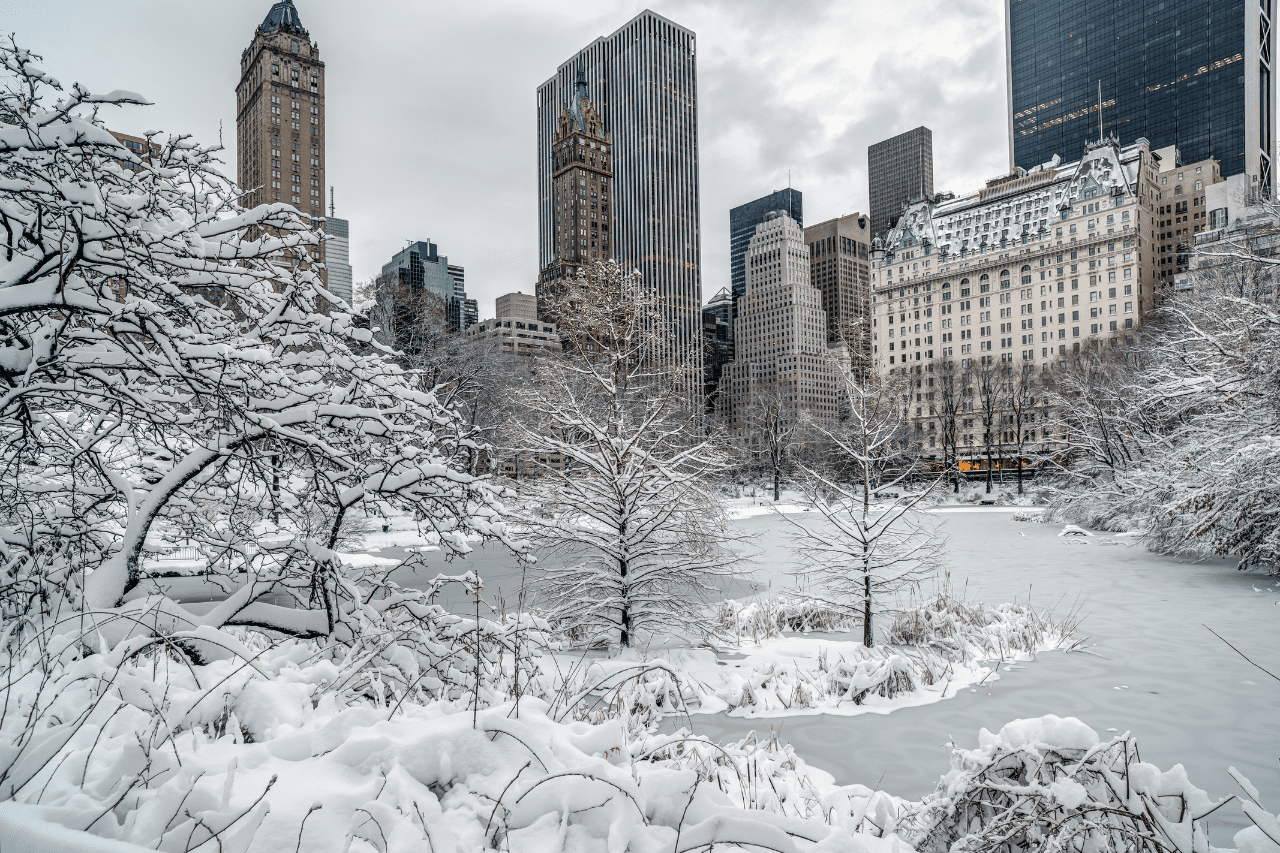
For many visitors, a winter trip to New York City is the ultimate aspiration. While the city is more likely to experience a dusting than a blizzard, the arrival of snow can transform its iconic streets into a scene from a classic holiday film.
- First Snowfall Likelihood: Historically, the first significant snowfall in New York City typically occurs in late November or early December. However, sporadic flurries can sometimes be observed as early as mid-November, though these rarely accumulate.
- Peak Snow Season: The period between December and February generally offers the highest probability of snowfall. During these months, temperatures are consistently cold enough for precipitation to fall as snow, and the city can experience several snow events, ranging from light dustings to heavier accumulations.
- Impact on Travel: While snow can create stunning visuals, it can also lead to travel disruptions. Flights may be delayed or canceled, and public transportation, while generally robust, can experience slowdowns. Travelers should always monitor weather forecasts and airline advisories closely.
- Embracing the Snow: When snow does fall in New York City, it offers unique travel opportunities. Imagine ice skating at Rockefeller Center, enjoying a hot chocolate in a cozy cafe in Greenwich Village, or simply strolling through a blanketed Central Park. The city’s vibrant cultural scene, with world-class museums like the Metropolitan Museum of Art and Broadway shows, remains a fantastic option regardless of the weather.
Upstate New York: A Winter Sports Paradise
Venture north of New York City, and the winter landscape transforms dramatically. Upstate regions, particularly those closer to the Great Lakes and in higher elevations, are renowned for their heavy snowfall and are prime destinations for winter sports enthusiasts.
- Lake Effect Snow: Areas downwind of the Great Lakes, such as near Buffalo and Rochester, are particularly susceptible to “lake effect snow.” This phenomenon occurs when cold air masses move over the warmer waters of the Great Lakes, picking up moisture and depositing it as snow in concentrated bands. These regions can experience some of the heaviest snowfall totals in the state.
- Adirondack and Catskill Mountains: The mountainous regions of the Adirondacks and Catskills are natural snow magnets. Higher altitudes mean colder temperatures, and these areas are typically the first to see consistent snow cover.
- When to Expect Snow: In these upstate locales, the snow season often begins earlier, with the first significant snow events frequently occurring in late October or early November. By mid-November, many areas can expect to see snow on the ground, especially at higher elevations. December through March is generally the peak period for snowfall.
- Winter Activities: For travelers seeking a true winter experience, upstate New York offers unparalleled opportunities. Skiing and snowboarding are popular at resorts like Hunter Mountain and Lake Placid (home to the Winter Olympics). Other activities include snowshoeing, cross-country skiing, ice fishing, and enjoying the charming ambiance of towns like Saratoga Springs.
Factors Influencing Snowfall Timing
Several meteorological factors contribute to the variability of snowfall in New York. Understanding these can help travelers anticipate potential shifts in weather patterns.
Temperature and Precipitation
The most fundamental requirement for snow is below-freezing temperatures (0°C or 32°F) at the surface and throughout the atmospheric column where precipitation is forming. Even if temperatures are cold at higher altitudes, if the air near the ground is above freezing, precipitation will fall as rain or sleet. New York’s transitional seasons, particularly late autumn and early spring, can see temperatures fluctuate around the freezing mark, leading to mixed precipitation events or snow that quickly melts.

Nor’easters and Winter Storms
Major snowfalls in New York are often associated with powerful storm systems known as “Nor’easters.” These storms develop off the Atlantic coast and draw in cold air from the north and moisture from the ocean, bringing heavy snow, strong winds, and blizzard conditions to the region. The timing and intensity of these storms are notoriously difficult to predict far in advance, but they are more common during the heart of winter, from January to March.
El Niño-Southern Oscillation (ENSO)
Global climate patterns, such as the El Niño-Southern Oscillation (ENSO), can influence regional weather patterns. El Niño years are often associated with milder winters in the northeastern United States, potentially delaying the onset of snow and reducing overall snowfall. Conversely, La Niña years can bring colder and snowier conditions. While these are long-term influences, they provide a broad context for understanding winter weather trends.
Planning Your Snow-Themed New York Adventure
When aiming for a snow-kissed experience in New York, strategic planning is essential. Consider the type of winter atmosphere you desire and tailor your travel dates accordingly.
Targeting Peak Snow Season
For the most reliable snow conditions, especially for winter sports or picturesque snowy landscapes, aiming for the period between mid-December and late February is generally advisable for most of New York. This is when temperatures are consistently low enough across the state to support snowfall and accumulation.
Early Season Snow Prospects
If you are eager to witness the first snowfalls and enjoy early-season winter charm, late November and early December can be a good bet, particularly for upstate regions and higher elevations. This period can also offer fewer crowds and potentially lower accommodation prices in some tourist areas.
Late Season Snow Chances
While the bulk of snowfall typically occurs mid-winter, New York can still experience snow in March, and occasionally even into early April, especially in the Adirondacks. Late March trips might offer a chance to catch the tail end of winter, with opportunities for skiing that extend later into the season.
Accommodation and Activity Considerations
- New York City: If your primary interest is experiencing the festive atmosphere of a snow-dusted New York City, booking accommodations in December or January will offer the highest likelihood of encountering snowy conditions. Consider hotels near iconic winter attractions like Rockefeller Center or with views of Central Park.
- Upstate Resorts: For skiing and snowboarding, consult the opening dates for major resorts in the Adirondacks and Catskills. Many aim to open by mid-December, with the prime season running through March. Booking a stay at a ski lodge or a cozy cabin in a mountain town provides direct access to winter activities.
- Flexibility: Given the unpredictable nature of weather, building some flexibility into your travel plans is always recommended. Having indoor activity options, such as visiting museums, attending theater performances, or exploring culinary delights, ensures a fulfilling trip even if the snow doesn’t cooperate precisely as planned.
By understanding the typical snowfall patterns and considering the diverse winter offerings across New York, travelers can confidently plan an unforgettable winter escape, whether seeking the urban sparkle of a snowy New York City or the breathtaking winter landscapes of its upstate regions.
LifeOutOfTheBox is a participant in the Amazon Services LLC Associates Program, an affiliate advertising program designed to provide a means for sites to earn advertising fees by advertising and linking to Amazon.com. Amazon, the Amazon logo, AmazonSupply, and the AmazonSupply logo are trademarks of Amazon.com, Inc. or its affiliates. As an Amazon Associate we earn affiliate commissions from qualifying purchases.