
The iconic New York Giants, a cornerstone of American football and a beloved institution within the National Football League (NFL), have a storied history intertwined with their home turf. While their name proudly proclaims their New York roots, their primary playing field has shifted over the decades, reflecting the evolving landscape of sports infrastructure and the complex dynamics of professional team ownership. Understanding where the New York Giants play is not just about locating a stadium; it’s about appreciating the historical context, the architectural marvels, and the vibrant atmosphere that surrounds the team’s home games, offering a unique glimpse into the fan experience and the broader cultural significance of the sport.
MetLife Stadium: A Modern Colossus
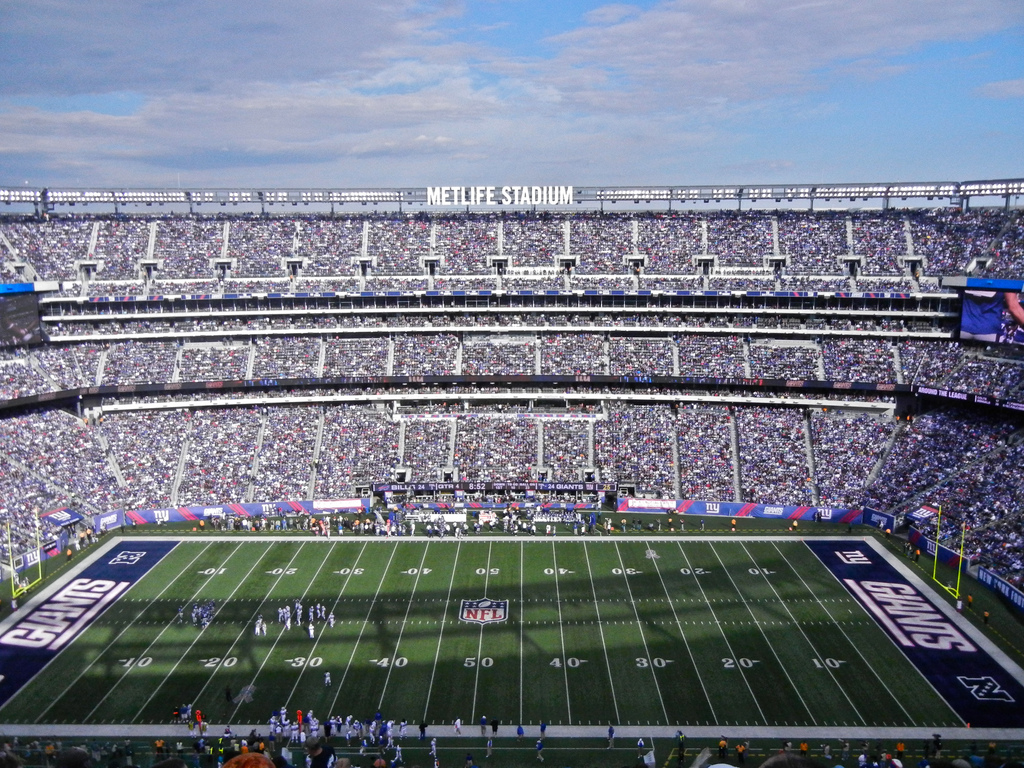
The current home of the New York Giants is MetLife Stadium, a state-of-the-art facility situated in East Rutherford, New Jersey. This impressive venue serves as a dual home ground, also hosting the New York Jets, another NFL team with deep ties to the New York metropolitan area. The choice of New Jersey for the Giants’ primary playing location is a crucial element in understanding their operational footprint, despite their strong identification with New York.
The Genesis of a Shared Home
The decision to build a new stadium for both the Giants and the Jets was driven by a confluence of factors, including the aging Giants Stadium and the desire for a world-class facility that could accommodate modern amenities, increased fan capacity, and a wider range of events. The planning and construction of MetLife Stadium represented a significant investment, aimed at creating a venue that would not only serve the needs of its NFL tenants but also position itself as a premier destination for concerts, international soccer matches, and other large-scale entertainment.
The architectural design of MetLife Stadium emphasizes a clean, modern aesthetic, with a capacity of over 82,500 spectators, making it one of the largest stadiums in the NFL. Its expansive seating bowl offers excellent sightlines from nearly every vantage point, ensuring that fans have an immersive experience. The stadium features numerous luxury suites, club seats, and loge boxes, catering to a diverse range of premium seating preferences. Beyond the immediate game-day experience, the stadium is equipped with advanced technology, including high-definition video boards, a robust Wi-Fi network, and numerous concessions and retail outlets, all designed to enhance the overall fan journey.
The strategic location of MetLife Stadium in the Meadowlands Sports Complex provides accessibility for a broad fan base across the New York metropolitan area, including parts of New York and New Jersey. While the physical address is in New Jersey, the team’s unwavering connection to New York is deeply embedded in its identity, branding, and the passionate support it receives from fans throughout the region. This dual identity is a unique characteristic of the New York Giants, setting them apart in the landscape of professional sports.
Game Day at MetLife Stadium: An Immersive Experience
A game day at MetLife Stadium is a spectacle that extends far beyond the confines of the football field. The surrounding Meadowlands Sports Complex buzzes with activity hours before kickoff. Fans arrive in droves, sporting Giants colors of blue, red, and white, creating a sea of unwavering loyalty. The atmosphere is electric, fueled by tailgating parties that have become an integral part of the NFL experience. These gatherings often feature barbecues, lawn games, and fervent discussions about team strategies and player performances, fostering a strong sense of community among supporters.
Inside the stadium, the anticipation builds with pre-game ceremonies, including marching bands, flyovers, and appearances by team legends. The roar of the crowd as the Giants take the field is a palpable force, a testament to the deep connection between the team and its fanbase. The sheer scale of the stadium, coupled with the synchronized cheers and chants of tens of thousands of fans, creates an awe-inspiring environment.
The in-game experience is further enhanced by the stadium’s amenities. Numerous food and beverage options cater to every taste, from classic stadium fare like hot dogs and pretzels to more gourmet offerings. The multiple concourses are designed for efficient movement, minimizing wait times and allowing fans to return to their seats quickly. The large, high-definition video boards provide instant replays, live game statistics, and engaging in-game entertainment, ensuring that fans remain connected to the action, even if they are not in the most direct line of sight to the field. The premium seating areas offer an even more exclusive experience, with comfortable seating, dedicated service, and access to climate-controlled lounges, providing a luxurious way to enjoy the game.
The stadium’s design also prioritizes fan safety and comfort. Modern security measures are in place, and the seating is designed to provide ample legroom and a clear view of the action. The use of sustainable practices in the stadium’s operation further underscores its commitment to being a responsible and forward-thinking venue.
A Look Back: The History of the Giants’ Home Grounds
The New York Giants’ journey to MetLife Stadium involved several significant home venues, each contributing to the team’s rich legacy. Tracing this history offers a deeper appreciation for the evolution of professional football stadiums and the enduring connection the team maintains with its fanbase across New York.
Polo Grounds: The Early Era
In their nascent years, the New York Giants played their home games at the legendary Polo Grounds in Manhattan, New York. This iconic venue, originally built for baseball, became synonymous with the early days of professional football. The Giants played at various incarnations of the Polo Grounds from their inception in 1925 until 1955. It was within these historic walls that the team established its initial identity and cultivated a dedicated following in the heart of New York City. The Polo Grounds were known for their unique, albeit sometimes quirky, dimensions, which often played a role in the strategic approaches of the teams that played there. For the Giants, it was the bedrock of their early successes and the place where many of their first legendary players carved their names in NFL history.
Yankee Stadium: A Temporary Sanctuary
Following their departure from the Polo Grounds, the New York Giants found a temporary home at another hallowed sports ground: Yankee Stadium in The Bronx, New York. From 1956 to 1973, the Giants shared this legendary baseball cathedral with the New York Yankees, adapting its diamond for the gridiron. This period marked a significant chapter for the team, as Yankee Stadium provided a larger and more modern setting than the Polo Grounds. The move to Yankee Stadium represented a step forward in the team’s infrastructure, offering improved amenities and a greater capacity for their growing fanbase. Many memorable games and iconic moments occurred within the confines of Yankee Stadium during the Giants’ tenure, further solidifying their place in the New York sports landscape. It was here that the team continued to build its tradition of excellence, even as the search for a permanent, dedicated football facility began.
Giants Stadium: A Dedicated Home
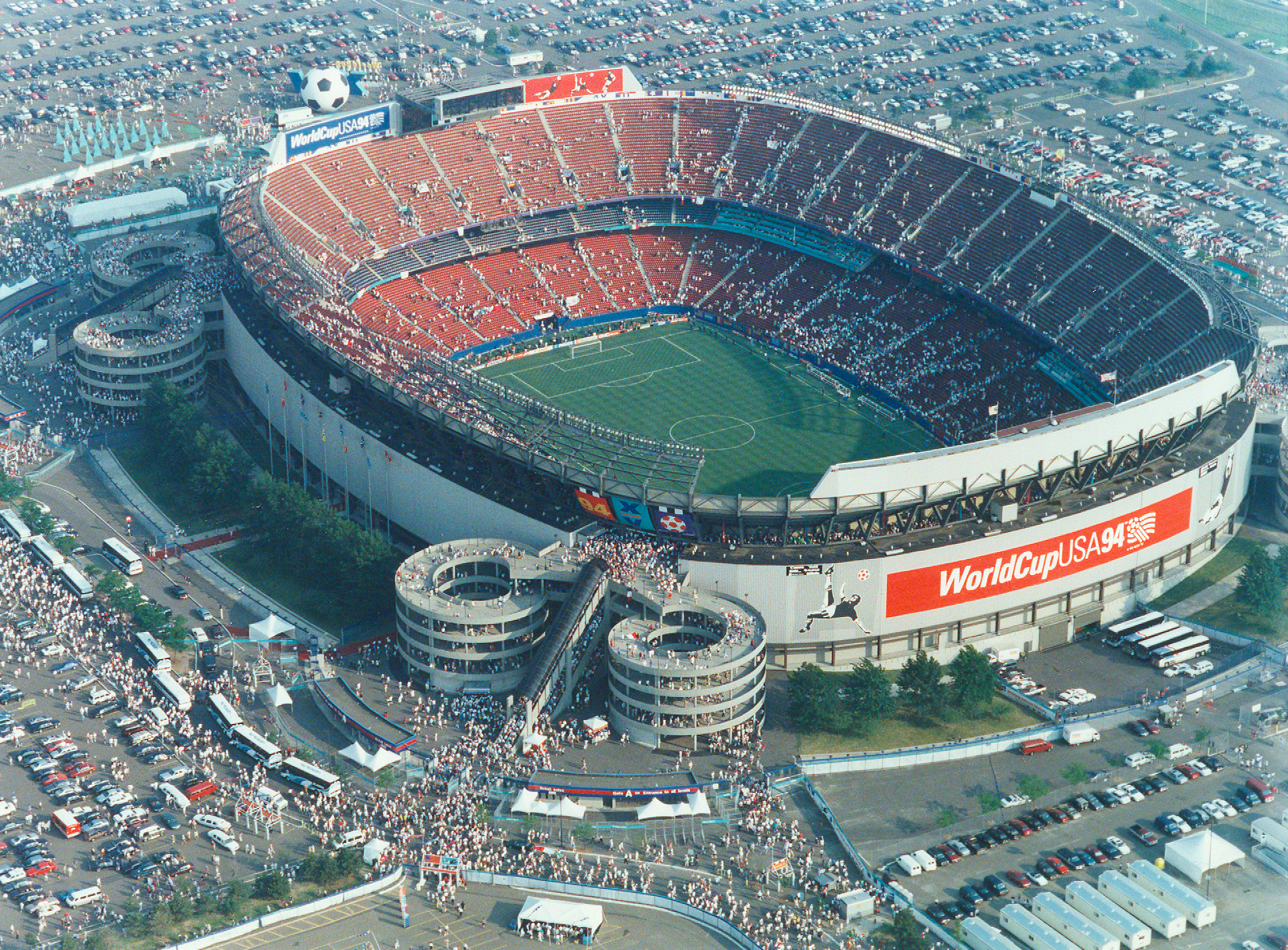
The most significant transition for the New York Giants came with the construction of Giants Stadium in East Rutherford, New Jersey. Opening in 1976, this was the first stadium specifically designed for the Giants (though it also later became the home of the New York Jets as well). For nearly three decades, from 1976 to 2009, Giants Stadium served as the team’s primary home. This venue witnessed some of the franchise’s greatest triumphs, including their Super Bowl XXI and Super Bowl XXV victories. It was a place where generations of Giants fans experienced the thrill of victory and the agony of defeat, forging a deep emotional connection to the stadium and its hallowed grounds. The stadium’s architecture, while functional for its time, eventually led to the need for a more modern facility, paving the way for the construction of MetLife Stadium.
The Significance of Playing in the New York Metropolitan Area
The geographical location of the New York Giants’ playing field, while physically situated in New Jersey, carries profound implications for the team’s identity, its fan base, and its market reach. The “New York” in their name is not merely a historical artifact; it is a powerful branding element that connects them to one of the largest and most dynamic media and cultural markets in the world.
Brand Identity and Fan Connection
Despite playing their home games in East Rutherford, New Jersey, the New York Giants are inextricably linked to New York. This connection is reinforced through extensive marketing efforts, media coverage, and the team’s historical roots. The team’s colors, logos, and the iconic “GIANTS” moniker evoke a sense of New York pride and tradition. Fans from all five boroughs of New York City, as well as surrounding New York counties and even parts of New Jersey, identify with the Giants. This broad geographical appeal is a testament to the team’s enduring popularity and its ability to transcend specific geographic boundaries. The passionate fan base is a vital component of the team’s success, creating an electric atmosphere at MetLife Stadium and driving the economic engine of the franchise.

The Metropolitan Market Advantage
Operating within the New York metropolitan area offers unparalleled advantages in terms of media exposure, corporate sponsorships, and talent acquisition. The New York market is a global epicenter for business, finance, and entertainment. For the New York Giants, this translates into lucrative television contracts, high-value sponsorship deals with national and international brands, and a vast pool of potential season ticket holders and corporate clients. The team’s presence in this major market ensures consistent media attention, keeping them in the national spotlight throughout the NFL season and beyond. Furthermore, the prestige associated with being a New York-based team can attract top-tier coaching staff and players, further enhancing the team’s competitive edge. The ability to draw upon the resources and visibility of such a prominent market is a significant factor in the New York Giants’ sustained success and their status as one of the most valuable franchises in professional sports.
LifeOutOfTheBox is a participant in the Amazon Services LLC Associates Program, an affiliate advertising program designed to provide a means for sites to earn advertising fees by advertising and linking to Amazon.com. Amazon, the Amazon logo, AmazonSupply, and the AmazonSupply logo are trademarks of Amazon.com, Inc. or its affiliates. As an Amazon Associate we earn affiliate commissions from qualifying purchases.