
Navigating the financial landscape of any destination is a crucial aspect of planning a trip, especially for those considering extended stays or even relocation. While the allure of Colorado often lies in its breathtaking natural beauty, from the towering peaks of the Rocky Mountains to the vibrant cultural hubs like Denver and Boulder, understanding its tax structure is essential for a well-rounded travel experience. This guide delves into the income tax in Colorado, aiming to equip travelers and temporary residents with the knowledge they need.
Understanding Colorado’s Tax Framework
Colorado operates under a distinct tax system that impacts individuals and businesses alike. Unlike many states that feature progressive income tax rates, Colorado utilizes a flat tax system. This means that all income, regardless of its amount, is taxed at the same percentage. This characteristic simplifies tax calculations but has implications for different income brackets.
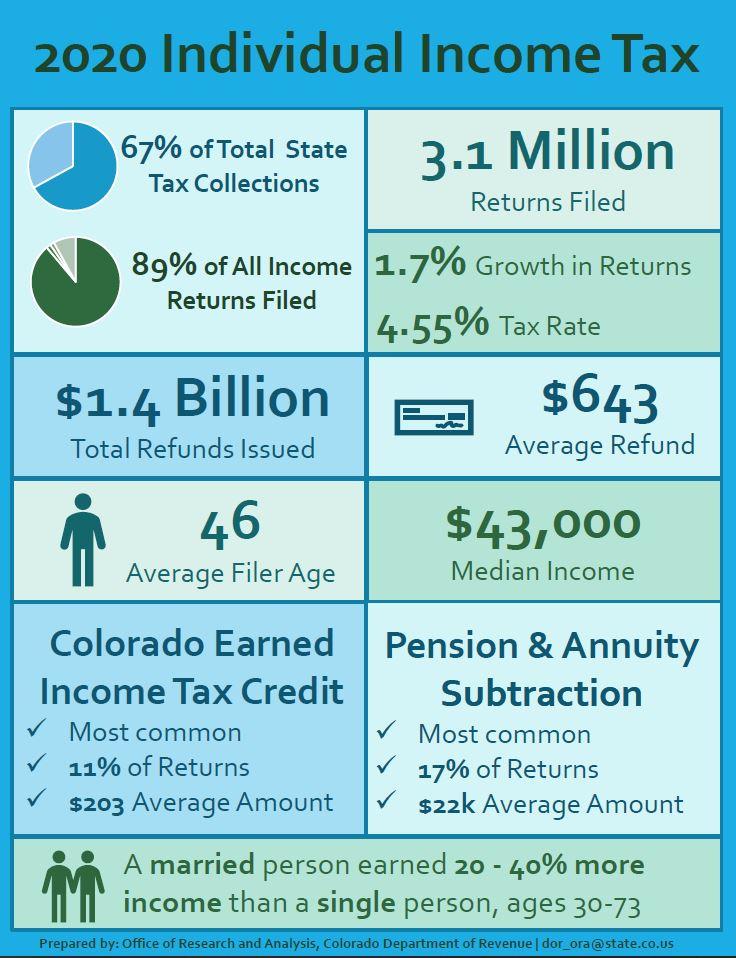
The Flat Tax Rate Explained
The income tax rate in Colorado is set at a flat percentage, which has seen adjustments over the years. As of recent legislative decisions, this rate is typically around 4.40%. This rate applies to all taxable income earned by residents and, in certain circumstances, by non-residents who derive income from sources within the state. The predictability of a flat tax can be appealing for budgeting, especially for those planning extended visits or seasonal stays in Colorado.
What Constitutes Taxable Income?
For travelers and temporary residents, understanding what constitutes taxable income in Colorado is paramount. Generally, this includes:
- Wages and Salaries: Income earned from employment within Colorado.
- Self-Employment Income: Profits derived from freelance work or independent contracting services performed in the state.
- Investment Income: This can include dividends, interest, and capital gains. However, the tax treatment of these can vary based on specific circumstances and federal tax laws.
- Rental Income: Income generated from properties owned and rented out within Colorado.
It’s important to note that certain types of income may be exempt or deductible. This often aligns with federal tax regulations, but Colorado may have its own specific provisions. For instance, retirement income such as pensions and social security benefits might be treated differently.
Residency Status and Tax Obligations
A key determinant of your tax obligation in Colorado is your residency status. The state defines a resident as an individual who is domiciled in Colorado or who maintains a permanent home in the state and spends more than 183 days there during the tax year.
- Residents: Colorado residents are subject to the flat income tax on their worldwide income, meaning income earned both within and outside the state is taxable, though credit may be given for taxes paid to other states.
- Non-Residents: Non-residents are typically only taxed on income that is sourced within Colorado. This could include income from a job performed in the state, business activities conducted there, or rental properties located in Colorado. For travelers who are employed remotely by a company based outside Colorado but are physically working from a vacation rental or temporary accommodation within the state, their income may be considered Colorado source income and thus taxable.
Filing Requirements and Deadlines
Regardless of your residency status, understanding filing requirements and deadlines is crucial.
Annual Tax Return
Individuals who meet certain income thresholds or have specific tax liabilities are required to file an annual income tax return with the Colorado Department of Revenue. The primary form used is the Colorado Individual Income Tax Return (Form 104).
Filing Deadlines
The deadline for filing your Colorado income tax return is generally the same as the federal deadline, which is typically April 15th of the year following the tax year. If April 15th falls on a weekend or holiday, the deadline is the next business day. Extensions may be available, usually allowing for an additional six months to file, but any tax owed is still generally due by the original April deadline.
Estimated Taxes
If you anticipate owing at least $1,000 in tax from income not subject to withholding (such as self-employment income or rental income), you may be required to make quarterly estimated tax payments. These payments help avoid penalties for underpayment. The payment periods typically align with federal estimated tax payment dates.
Deductions and Credits: Reducing Your Tax Burden
While Colorado has a flat tax, various deductions and credits can still help reduce your overall tax liability. Understanding these can be particularly beneficial for travelers who might have specific expenses related to their time in the state.
Standard Deduction

Colorado offers a standard deduction, which is a fixed dollar amount that taxpayers can subtract from their adjusted gross income if they do not itemize. The amount of the standard deduction is set annually by the legislature. This is often the simplest way to reduce taxable income for many individuals.
Itemized Deductions
Alternatively, taxpayers can choose to itemize their deductions if the total of their eligible itemized deductions exceeds the standard deduction. Common itemized deductions that may be relevant to travelers or temporary residents include:
- State and Local Taxes (SALT): While Colorado has its own income tax, the deductibility of state and local taxes is subject to federal limitations.
- Medical Expenses: Deductible medical expenses, subject to federal AGI limitations.
- Home Mortgage Interest and Property Taxes: If a temporary resident owns a second home in Colorado that they use for personal enjoyment or rent out, these expenses might be deductible.
- Charitable Contributions: Donations made to qualified Colorado charitable organizations.
Tax Credits
Tax credits directly reduce the amount of tax owed, dollar for dollar. Colorado offers several tax credits, some of which may be applicable to travelers. These can include:
- Child Tax Credit: For qualifying dependents.
- Earned Income Tax Credit: For low to moderate-income individuals and families.
- Property Tax/Rent Heaters Credit: This credit is designed to help seniors and disabled individuals with property taxes or rent paid. While primarily for long-term residents, it highlights the state’s efforts to provide relief.
It’s crucial to consult the official Colorado Department of Revenue guidelines or a qualified tax professional to determine eligibility for specific deductions and credits.
Sales and Use Tax in Colorado
Beyond income tax, travelers should also be aware of Colorado’s sales and use tax, which directly impacts the cost of goods and services.
State and Local Sales Tax
Colorado has a state sales tax rate, but a significant portion of the total sales tax collected comes from local jurisdictions. Cities and counties in Colorado can impose their own sales taxes, leading to varying rates across the state. For example, purchasing souvenirs in Denver will likely have a different combined sales tax rate than buying goods in a smaller mountain town like Breckenridge.
Exemptions
Certain goods and services are exempt from sales tax in Colorado. These often include groceries, prescription medications, and some services. However, the specifics can vary, so it’s always wise to check local regulations.
Use Tax
Use tax is essentially a complementary tax to sales tax, levied on tangible personal property purchased outside Colorado for use within the state, but on which sales tax was not paid. This is particularly relevant for online purchases or items bought during travel to other states.
Property Tax Considerations
For those considering longer stays or purchasing property in Colorado, understanding property taxes is essential. Property taxes are levied by local governments and are based on the assessed value of real estate.
Assessed Value and Mill Levy
The assessed value of a property is a percentage of its actual market value, determined by the county assessor. This assessed value is then multiplied by a “mill levy,” which is a tax rate set by local taxing authorities (e.g., school districts, municipalities, counties). The mill levy is expressed in mills, where one mill equals one-tenth of a cent.
Homestead Exemption
Colorado offers a homestead exemption that can reduce the taxable value of a primary residence, thus lowering property tax bills. Eligibility typically requires the property to be the owner’s primary residence and that they have owned it for a specified period.

Conclusion: Financial Preparedness for Your Colorado Adventure
While the primary draw of Colorado for many is its unparalleled outdoor recreation and vibrant cities, a clear understanding of its tax obligations can transform potential financial anxieties into informed planning. The flat income tax rate, coupled with varying sales and property taxes, creates a unique fiscal environment. By familiarizing yourself with these aspects, whether you’re planning a week-long ski trip to places like Aspen, a summer hiking expedition in the San Juan Mountains, or a longer stay for work or study, you can better manage your budget and enjoy your time in the Centennial State with greater peace of mind. Consulting official resources from the Colorado Department of Revenue or seeking advice from a tax professional is always recommended for personalized guidance.
LifeOutOfTheBox is a participant in the Amazon Services LLC Associates Program, an affiliate advertising program designed to provide a means for sites to earn advertising fees by advertising and linking to Amazon.com. Amazon, the Amazon logo, AmazonSupply, and the AmazonSupply logo are trademarks of Amazon.com, Inc. or its affiliates. As an Amazon Associate we earn affiliate commissions from qualifying purchases.