
Navigating the process of filing for disability benefits in Oklahoma can seem like a daunting undertaking, especially when you are dealing with a health condition that impacts your ability to work. The state, like others across the United States, relies on federal programs administered by the Social Security Administration (SSA) to provide financial assistance to individuals who are unable to engage in substantial gainful activity due to a medical condition. Understanding the pathways available, the necessary documentation, and how to effectively present your case is crucial for a successful application. This guide aims to demystify the process, offering a clear roadmap for Oklahomans seeking disability benefits.

Understanding Disability Benefits in Oklahoma
In Oklahoma, disability benefits are primarily accessed through two main programs managed by the Social Security Administration: Social Security Disability Insurance (SSDI) and Supplemental Security Income (SSI). While both programs are intended to help individuals with disabilities, they have different eligibility requirements.
Social Security Disability Insurance (SSDI)
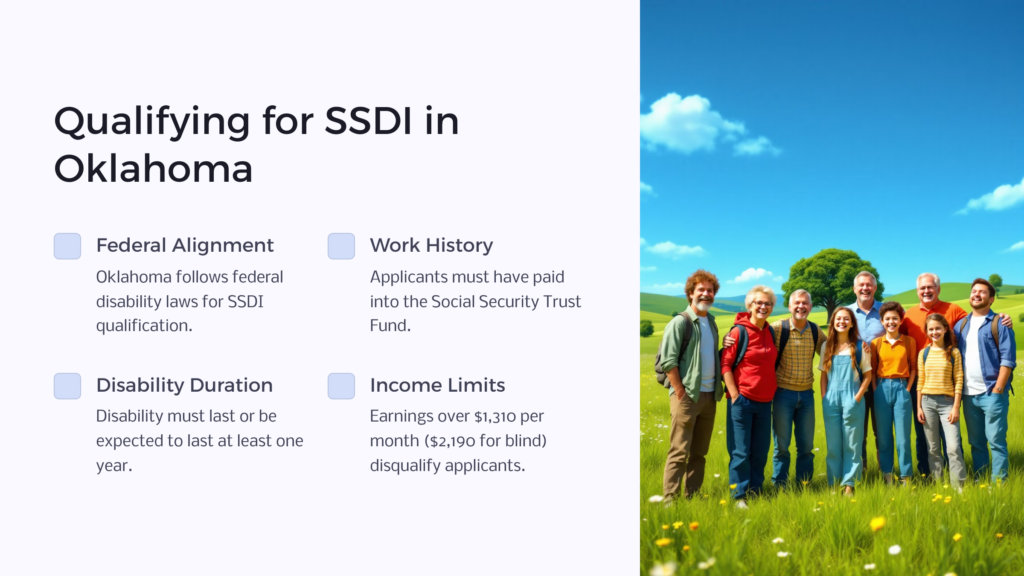
SSDI is an insurance program that provides benefits to individuals who have a qualifying disability and have worked long enough and recently enough to have paid Social Security taxes. These taxes contribute to your work credits. The number of work credits required depends on your age when you become disabled. Generally, you need 40 work credits, with at least 20 earned in the last 10 years before you became disabled.
Supplemental Security Income (SSI)
SSI is a needs-based program funded by general tax revenues, not Social Security taxes. It provides monthly payments to adults and children with a disability or blindness who have very limited income and resources. Unlike SSDI, SSI does not require a work history. Eligibility is based on both financial need and the presence of a qualifying disability.
Defining Disability for the SSA
Regardless of the program, the Social Security Administration has a strict definition of disability. To be considered disabled, you must have a medical condition (or combination of conditions) that:
- Prevents you from doing work you did in the past.
- Is expected to prevent you from doing any substantial gainful activity in the future.
- Has lasted or is expected to last for at least 12 continuous months, or is expected to result in death.
The SSA uses a five-step sequential evaluation process to determine if you meet their definition of disability. This process assesses your current work activity, the severity of your medical condition, your residual functional capacity, your ability to perform past work, and your ability to perform any other work.
The Application Process: Steps to Filing in Oklahoma
Filing for disability benefits involves several key stages. It’s essential to gather all necessary information and documentation before you begin, as a comprehensive application can expedite the process.
Step 1: Gather Essential Information and Documents
Before you start your application, compile the following information:
- Personal Information: Your Social Security card, birth certificate, and information about your marital status and any previous marriages.
- Medical Records: This is arguably the most critical component. Collect all medical reports, doctor’s notes, hospital records, test results (X-rays, MRIs, lab work), and prescriptions related to your disabling condition. If you have seen specialists, gather their reports as well.
- Work History: Details of all jobs you have held in the 15 years before you became unable to work. This includes job titles, dates of employment, names and addresses of employers, and a description of your duties. Be specific about the physical and mental demands of each job.
- Education and Training: Information about your highest level of education and any vocational training you have received.
- Contact Information for Doctors and Hospitals: Names, addresses, phone numbers, and dates of treatment for all healthcare providers who have treated you.
Step 2: Choose Your Application Method
You have three primary ways to file your disability claim in Oklahoma:
- Online: The Social Security Administration website (ssa.gov) offers a comprehensive online application for both SSDI and SSI. This is often the most convenient method and allows you to save your progress and return to complete it later.
- By Phone: You can call the SSA’s national toll-free number, 1-800-772-1213, to schedule an appointment to file by phone or to get assistance with the application process.
- In Person: You can visit your local Social Security Administration office to file your application. It is advisable to call ahead to schedule an appointment. You can find your local office by using the SSA’s office locator tool on their website.
Step 3: Complete the Application Forms
Whether you apply online, by phone, or in person, you will need to complete various forms. The primary forms include:
- Disability Application: This form collects your personal information, medical history, and work history.
- Adult Disability Report (SSA-3368): This detailed report asks for specific information about your medical condition, including symptoms, treatments, medications, limitations, and names of your doctors and medical facilities.
- Function Report (SSA-3369): This form helps the SSA understand how your disability affects your ability to perform daily activities, such as dressing, bathing, cooking, shopping, and interacting with others.
Be thorough and honest in your responses. Inaccurate or incomplete information can lead to delays or denial of your claim.
Step 4: The SSA’s Review and Determination Process
Once your application is submitted, it will be sent to your state’s Disability Determination Services (DDS) agency. In Oklahoma, this is the Oklahoma Disability Determination Services.
- Medical Review: A DDS claims examiner and a medical consultant will review your application and all supporting medical evidence. They will assess the severity of your condition based on the SSA’s criteria and your medical records.
- Consultative Examinations (CEs): If the DDS needs more medical information, they may schedule you for a free consultative examination with a doctor of their choosing. It is crucial to attend these appointments and provide honest answers about your symptoms and limitations.
- Decision: After reviewing all the evidence, the DDS will make a determination on your claim. This decision will be communicated to you in writing.
Appealing a Denied Disability Claim in Oklahoma
It is common for initial disability claims to be denied. Do not be discouraged if this happens. The Social Security Administration reports that a significant percentage of claims are overturned on appeal. If your claim is denied, you have the right to appeal the decision. There are four levels of appeal:
Level 1: Reconsideration
This is the first step in the appeals process. You request that the DDS review your claim again, with a different examiner and medical consultant than the ones who made the initial decision. You can submit new medical evidence during this stage. The request for reconsideration must be filed within 60 days of receiving your denial notice.
Level 2: Hearing Before an Administrative Law Judge (ALJ)
If your reconsideration is denied, you can request a hearing before an Administrative Law Judge (ALJ). This is a more formal proceeding where you, your representative (if you have one), and potentially witnesses can present your case directly to the judge. You can submit new evidence and argue why you meet the SSA’s definition of disability. This is often considered the most critical stage of the appeals process, and having legal representation can significantly improve your chances of success.
Level 3: Appeals Council Review
If the ALJ denies your claim, you can request a review by the Appeals Council. The Appeals Council does not typically hold hearings or consider new evidence; instead, they review the ALJ’s decision to ensure it was made correctly based on the law and the evidence presented.
Level 4: Federal Court Review
If the Appeals Council denies your request for review or upholds the ALJ’s decision, your final option is to file a lawsuit in a federal district court. This is a complex legal process, and representation by an attorney specializing in Social Security disability law is highly recommended.

Tips for a Stronger Disability Application in Oklahoma
To maximize your chances of a successful disability claim in Oklahoma, consider these tips:
- Be Thorough and Honest: Provide complete and accurate information on all forms. Do not exaggerate or minimize your symptoms.
- Focus on Medical Evidence: Your medical records are paramount. Ensure you have comprehensive records from all your treating physicians, specialists, and hospitals.
- Understand the SSA’s Definition of Disability: Familiarize yourself with the SSA’s five-step sequential evaluation process and the criteria for a disabling condition.
- Document All Limitations: Clearly describe how your medical condition affects your ability to perform daily activities and work-related tasks.
- Seek Professional Help: Consider consulting with a Social Security disability attorney or advocate. They can guide you through the complex process, help gather evidence, and represent you at hearings. Many work on a contingency fee basis, meaning they only get paid if you win your case.
- Be Patient: The disability application process can be lengthy, often taking several months or even over a year from initial application to a final decision, especially if appeals are involved.
- Keep Records: Maintain copies of everything you submit to the SSA and all correspondence you receive from them.
Filing for disability in Oklahoma requires careful attention to detail and a thorough understanding of the Social Security Administration‘s requirements. By systematically gathering your information, completing applications accurately, and understanding the appeals process, you can navigate this system more effectively and increase your likelihood of receiving the benefits you deserve.
LifeOutOfTheBox is a participant in the Amazon Services LLC Associates Program, an affiliate advertising program designed to provide a means for sites to earn advertising fees by advertising and linking to Amazon.com. Amazon, the Amazon logo, AmazonSupply, and the AmazonSupply logo are trademarks of Amazon.com, Inc. or its affiliates. As an Amazon Associate we earn affiliate commissions from qualifying purchases.