
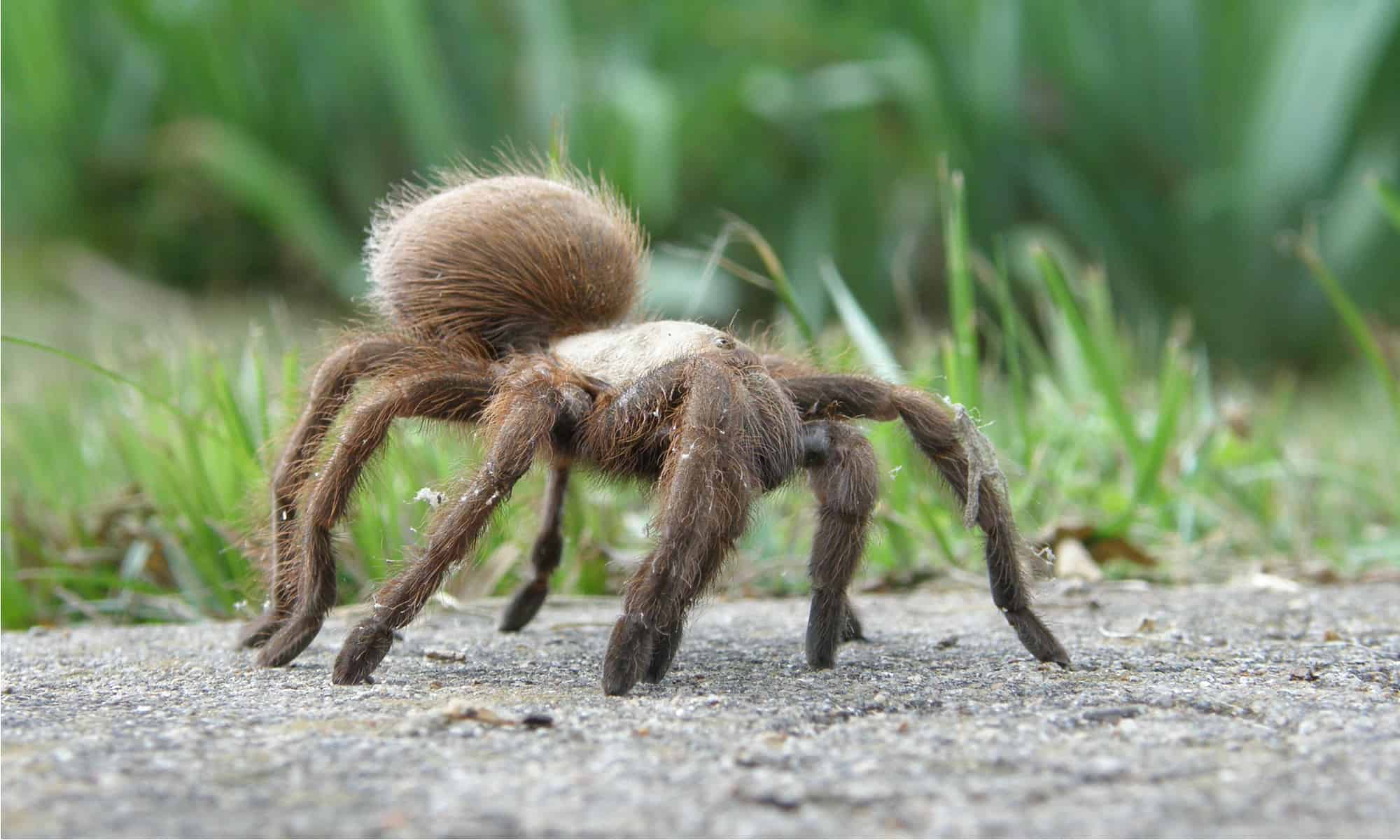
The vast and diverse landscapes of Texas are home to a remarkable array of wildlife, from the majestic bison roaming the plains to the elusive armadillo scurrying through the underbrush. Among these fascinating creatures is the Texas tarantula, a large and often misunderstood arachnid that plays a vital role in the state’s ecological balance. When exploring the natural beauty of Texas, whether it’s the Big Bend National Park or the rolling hills of the Texas Hill Country, encountering one of these eight-legged residents is a distinct possibility. This often sparks curiosity, and one of the most common questions that arises is about their diet: specifically, does the Texas tarantula eat fruit?

Understanding the Diet of the Texas Tarantula
To answer this question definitively, it’s essential to understand the predatory nature of tarantulas in general and the specific hunting strategies employed by the Texas tarantula. Tarantulas, as a family, are carnivores. Their diet primarily consists of other invertebrates, and occasionally small vertebrates. This opportunistic predation is crucial for controlling insect populations and maintaining a healthy ecosystem.
Primary Prey of the Texas Tarantula
The mainstays of the Texas tarantula’s diet are insects and other arthropods. This includes a variety of creatures commonly found in its habitat:
- Insects: Grasshoppers, crickets, beetles, moths, and caterpillars are frequent targets. These provide essential protein and nutrients for the tarantula’s survival and growth.
- Other Arthropods: Scorpions, spiders (even other tarantulas in some cases), and centipedes are also on the menu. These offer a more substantial meal and can be particularly important for larger tarantulas.
- Small Vertebrates: While less common, larger Texas tarantulas may occasionally prey on small vertebrates such as lizards, small snakes, and even young mice or voles if the opportunity arises. This demonstrates their adaptability and willingness to consume available prey.
The hunting method of the Texas tarantula is generally that of an ambush predator. They often lie in wait near their burrows or in sheltered locations, sensing vibrations from potential prey moving nearby. Once prey is within striking distance, the tarantula will rapidly emerge, immobilize its victim with a venomous bite, and then use its powerful chelicerae (mouthparts) to tear and consume the meal. Their venom, while potent enough to subdue prey, is generally not considered dangerous to humans, typically causing localized pain, swelling, and itching similar to a bee sting.
The Absence of Fruit in the Texas Tarantula’s Diet

Given their carnivorous nature and specialized hunting techniques, the idea of a Texas tarantula consuming fruit is biologically improbable. Here’s why:
- Digestive System: Tarantulas possess digestive systems adapted for breaking down animal matter, not plant material. Their enzymes are designed to process proteins and fats from insects and other animals. They lack the necessary digestive capabilities to extract nutrients from fruits.
- Nutritional Needs: Fruits are primarily composed of sugars and carbohydrates. While beneficial for many herbivores and omnivores, these components do not provide the essential proteins and fats that a tarantula requires for energy, growth, and reproduction.
- Hunting Behavior: The instinct and physical adaptations of the Texas tarantula are geared towards capturing live prey. They do not possess the sensory organs or behavioral patterns associated with foraging for stationary food sources like fruits. Their keen senses are attuned to the vibrations and chemical cues of potential prey.
- Lack of Evidence: Extensive scientific observation and research into tarantula diets have never documented fruit consumption in any tarantula species, including those found in Texas. Their diet is consistently recorded as consisting of insects, other arthropods, and occasionally small vertebrates.
Exploring Texas Natural Wonders and Its Inhabitants
While the Texas tarantula may not be sampling berries, its presence is a fascinating aspect of Texas natural heritage. When visiting some of the state’s renowned natural attractions, understanding the local fauna enhances the overall experience.
Experiencing Wildlife in Texas
- Big Bend National Park: This immense park in West Texas offers diverse habitats, from desert scrub to mountain peaks. It’s a prime location for observing a wide range of wildlife, including various bird species, reptiles, and mammals. While tarantulas are present, they are more active during dawn and dusk.
- Texas Hill Country: Known for its scenic beauty, rolling hills, and charming small towns, the Texas Hill Country also supports a rich variety of wildlife. During warmer months, especially after rainfall, you might encounter numerous insects, which in turn are prey for tarantulas and other predators.
- State Parks: Numerous Texas State Parks across the state offer opportunities for wildlife viewing. Parks like Enchanted Rock State Natural Area or Dinosaur Valley State Park provide trails and natural environments where you can observe the local flora and fauna in their natural habitats.
Responsible Wildlife Observation
When exploring Texas and its natural environments, it’s important to remember that you are a visitor in the animals’ home. If you are fortunate enough to spot a Texas tarantula or any other wildlife, always observe from a respectful distance.
- Do Not Disturb: Avoid touching or attempting to feed wild animals. This can be harmful to them and potentially dangerous for you.
- Stay on Trails: When hiking, stick to marked trails to minimize your impact on the environment and avoid disturbing sensitive habitats.
- Leave No Trace: Pack out everything you pack in, and avoid collecting plants or rocks, which are part of the natural ecosystem.
- Learn More: Utilize interpretive signs, visitor centers, and park ranger programs to deepen your understanding of the local wildlife and their roles in the ecosystem. Many parks offer guided nature walks or educational programs that can provide invaluable insights.
The Texas tarantula, with its predatory lifestyle, is a fascinating example of the intricate web of life that thrives in Texas. While it diligently hunts for insects and other small creatures, it does not partake in the sweet bounty of fruits. Appreciating these creatures for their true nature adds another layer of wonder to the already captivating natural landscapes of the Lone Star State.
LifeOutOfTheBox is a participant in the Amazon Services LLC Associates Program, an affiliate advertising program designed to provide a means for sites to earn advertising fees by advertising and linking to Amazon.com. Amazon, the Amazon logo, AmazonSupply, and the AmazonSupply logo are trademarks of Amazon.com, Inc. or its affiliates. As an Amazon Associate we earn affiliate commissions from qualifying purchases.