
California, a state synonymous with sunshine, innovation, and diverse landscapes, operates under a schedule that reflects its unique position within the United States. A common question for visitors and even some residents revolves around the observance of Daylight Saving Time (DST). Understanding when time changes in California is crucial for planning travel, scheduling appointments, or simply aligning with the daily rhythm of the Golden State.
The Rationale and Practice of Daylight Saving Time in California
California, like most of the United States, observes Daylight Saving Time, a practice that involves advancing clocks by one hour during warmer months so that darkness falls at a later hour. The primary aim is to make better use of daylight. This shift, while widely adopted, is not without its debates, with proponents highlighting energy savings and increased opportunities for outdoor activities, while critics point to potential disruptions to sleep patterns and seasonal affective disorder.
When Does the Change Occur?
The annual time change in California follows the federal mandate established by the Uniform Time Act. This means that the state aligns with the rest of the continental United States in its DST schedule.
- Spring Forward: Clocks are moved forward by one hour on the second Sunday in March. This typically occurs around 2:00 AM local time. For instance, if the clock strikes 2:00 AM on that Sunday, it immediately becomes 3:00 AM. This means losing an hour of sleep but gaining an extra hour of daylight in the evening.
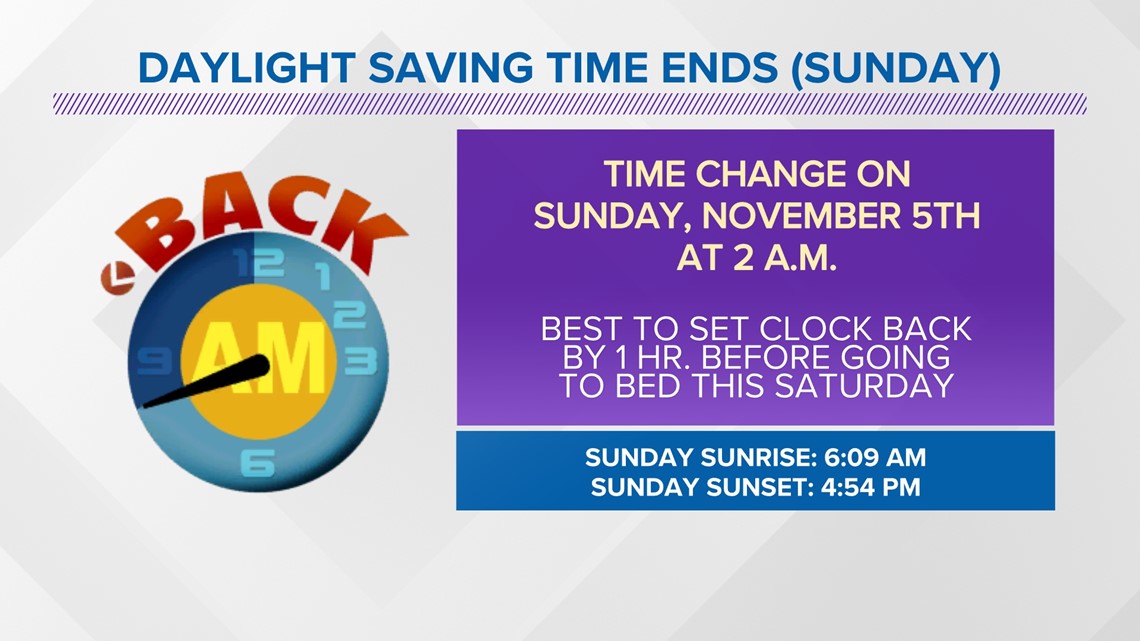
- Fall Back: Clocks are moved back by one hour on the first Sunday in November. Again, this adjustment is usually made at 2:00 AM local time. When the clock reaches 2:00 AM, it reverts to 1:00 AM, effectively giving back an hour of sleep.
These dates are consistent year after year, providing a predictable rhythm for the state’s operations and its inhabitants. Travelers arriving in California during these transition periods should be mindful of the time shift to avoid missing flights, appointments, or planned activities.
Historical Context and Future Considerations
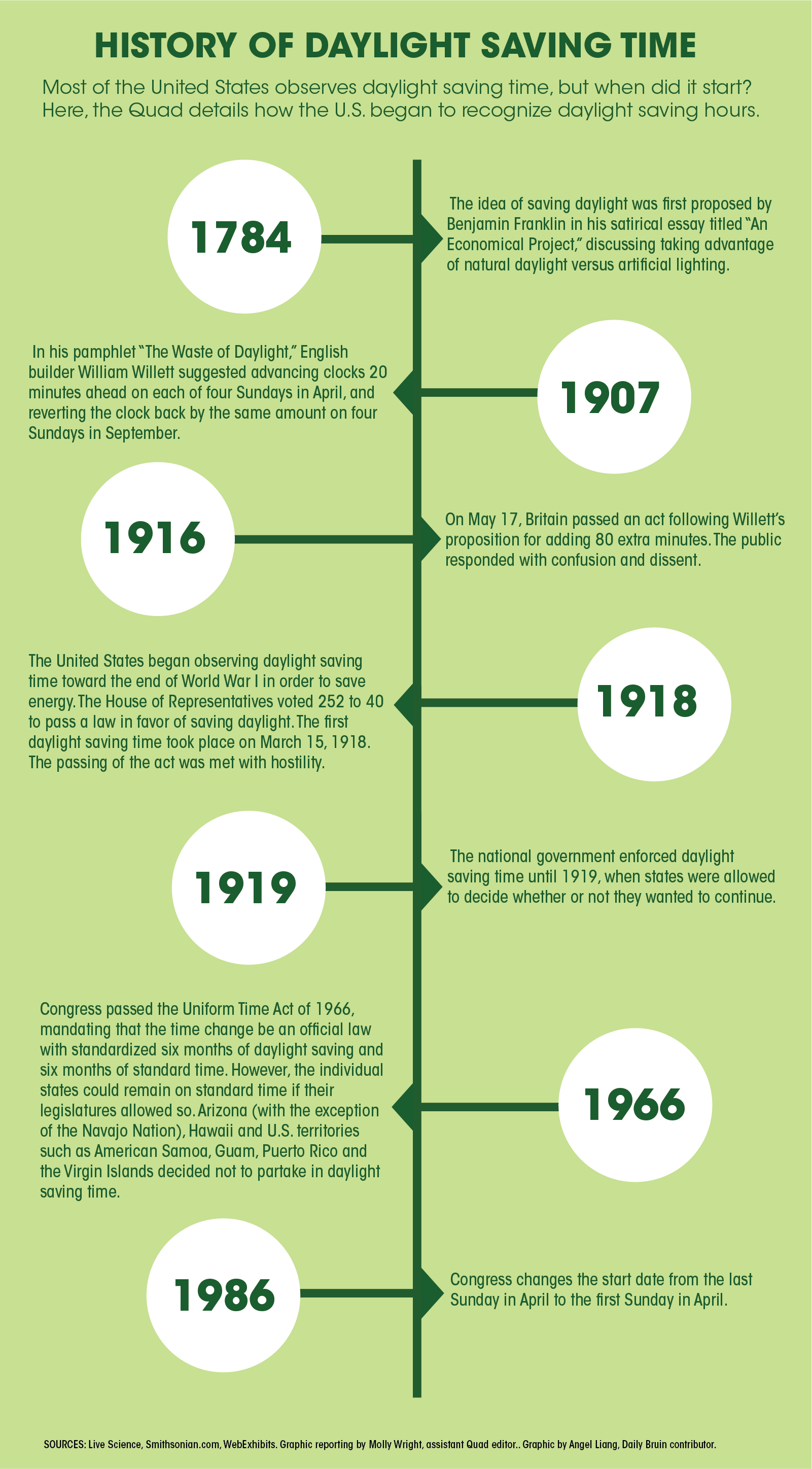
The concept of Daylight Saving Time has a long history, dating back to the early 20th century, with various motivations driving its adoption, from wartime energy conservation to maximizing daylight for agricultural workers. In California, DST has been a consistent feature of its temporal landscape for decades. However, the future of DST is a subject of ongoing discussion. There have been legislative efforts and public polls in California and other states exploring the possibility of making DST permanent or reverting to standard time year-round.
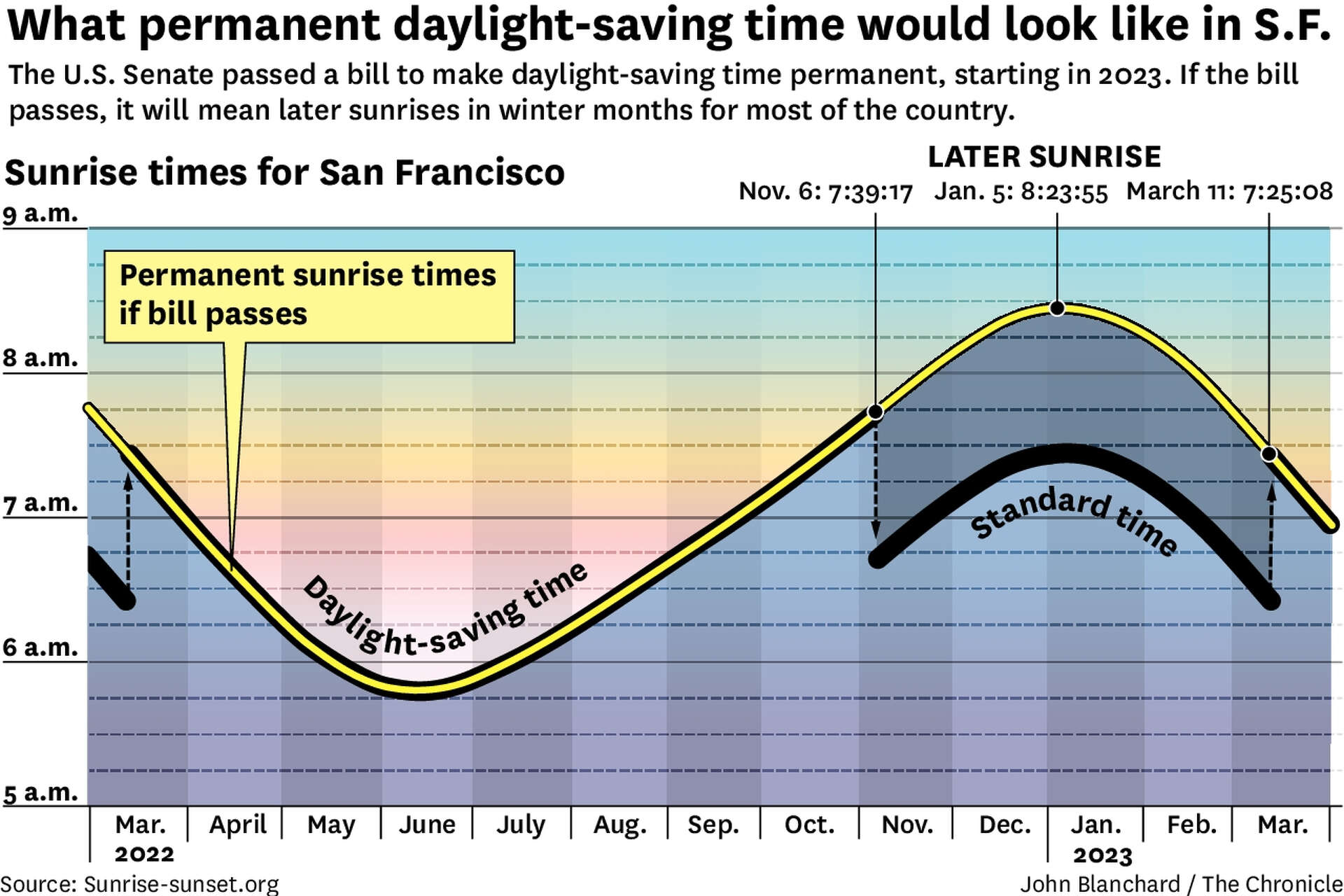
In recent years, California has explored making Daylight Saving Time permanent. In 2018, California voters approved Proposition 7, which would allow the state legislature to enact permanent Daylight Saving Time, but this requires federal approval from Congress. As of now, the state continues to observe the biannual time change. Should California decide to make DST permanent, this would eliminate the need for the “spring forward” and “fall back” transitions, simplifying scheduling for residents and visitors alike. However, until such a change is enacted and federally approved, the traditional time shifts remain in effect.
Navigating California’s Time Zones
While California observes Daylight Saving Time, it’s important to remember that the state primarily exists within a single time zone for DST purposes.
Pacific Standard Time (PST) and Pacific Daylight Time (PDT)
California is situated within the Pacific Time Zone. During the period when DST is not in effect, the state observes Pacific Standard Time (PST), which is UTC-8. When Daylight Saving Time is active, California switches to Pacific Daylight Time (PDT), which is UTC-7. This shift is the very reason for the clock changes discussed previously.
For travelers, this means that while in California during DST, the local time will be one hour ahead of what it would be during standard time. This distinction is crucial for international visitors or those connecting with people in different time zones. For example, if you are in New York observing Eastern Daylight Time (EDT, UTC-4), California in PDT (UTC-7) would be three hours behind. If it were standard time in both locations (EST, UTC-5 and PST, UTC-8), California would still be three hours behind.
Impact on Travel and Tourism in California
The biannual time changes in California can have a subtle but significant impact on travel and tourism, influencing everything from flight schedules to the timing of popular attractions.
Planning Your California Itinerary
For any traveler planning a trip to California, understanding the DST schedule is a practical necessity.
- Booking Flights and Accommodations: Airlines and booking platforms automatically adjust schedules and availability based on DST. However, it’s always prudent to double-check your booking confirmations, especially for early morning flights on the day the clocks change. If you are arriving on a “spring forward” day, remember you will have less time between arrival and your planned activities as the clock jumps forward. Conversely, arriving on a “fall back” day grants you an extra hour.
- Attraction Opening Hours: While most major attractions in cities like Los Angeles, San Francisco, and San Diego operate on consistent schedules, it’s wise to confirm opening and closing times, especially around the DST transition dates. Parks, museums, and entertainment venues may have specific operating hours that are affected by the longer or shorter daylight periods. For example, a sunset tour in Death Valley National Park might need slight timing adjustments.
- Outdoor Activities: California is renowned for its outdoor adventures, from surfing in Malibu to hiking in Yosemite National Park. The extra hour of daylight in the evenings during DST can extend opportunities for activities like beach visits, vineyard tours in Napa Valley, or exploring the trails around Lake Tahoe. This can be a significant boon for maximizing your vacation experience.
- Business and Event Scheduling: For those visiting California for business or attending events, aligning schedules with local time is paramount. The time difference between California and other parts of the U.S. or the world needs careful consideration. Conference calls, meetings, and event start times should all be confirmed in the local Pacific Daylight Time or Pacific Standard Time, depending on the season.
Experiencing California’s Attractions
The extended daylight hours during DST can enhance the visitor experience in numerous ways.
- Evening Entertainment: Cities like Las Vegas (which observes DST despite not being in California), although geographically in Nevada, are often visited in conjunction with California trips and are vibrant in the evenings. In California itself, the longer evenings allow for more leisurely strolls along the boardwalk in Santa Monica, enjoying dinner with a view in San Francisco’s Fisherman’s Wharf, or attending outdoor concerts and performances.
- National Parks and Natural Wonders: Exploring the vastness of California’s natural beauty is often best done with ample daylight. During DST, you can enjoy hiking in Joshua Tree National Park, driving the scenic Pacific Coast Highway with breathtaking ocean views well into the evening, or stargazing in darker rural areas with more usable daylight hours beforehand.
- Theme Parks: Major theme parks such as Disneyland in Anaheim and Universal Studios Hollywood often have extended operating hours during peak seasons, which coincide with DST. This allows visitors to enjoy rides and shows for longer periods, making the most of their ticketed admission.
Practical Tips for Travelers
To ensure a seamless experience when time changes in California, consider these practical tips:
Staying Informed and Prepared
- Check Local Time: Before your trip and upon arrival, always verify the current local time in California. Many smartphones and electronic devices automatically update, but it’s wise to be aware of the change, especially around the DST transition dates.
- Communicate Clearly: When making arrangements, always specify the time zone or use UTC references if dealing with international parties to avoid any ambiguity. For example, stating “California time” is generally understood, but adding “Pacific Daylight Time” or “Pacific Standard Time” can provide extra clarity.
- Adjust Your Internal Clock: If you are traveling across time zones to reach California, try to adjust your sleep schedule a few days in advance to minimize jet lag. The DST shifts can exacerbate jet lag for some travelers, so proactive management is key.
- Embrace the Extra Daylight: During DST, make a conscious effort to utilize the extended daylight. Plan outdoor activities for the late afternoon and early evening to fully appreciate the extra hour of sunshine.
Understanding California’s Unique Appeal
California’s appeal lies not just in its iconic landmarks like the Golden Gate Bridge or its vibrant cities like San Francisco, but also in its dynamic lifestyle, which is subtly influenced by the rhythms of daylight. The observance of Daylight Saving Time, while a national practice, contributes to the unique character of experiencing California during different seasons. Whether you are planning a business trip to Silicon Valley, a family vacation to San Diego, or a solo adventure along the coast, understanding when time changes in California ensures you can fully immerse yourself in the Golden State’s offerings without missing a beat. The anticipation of longer, brighter evenings during DST or the cozy embrace of earlier sunsets during standard time are all part of the Californian experience.
LifeOutOfTheBox is a participant in the Amazon Services LLC Associates Program, an affiliate advertising program designed to provide a means for sites to earn advertising fees by advertising and linking to Amazon.com. Amazon, the Amazon logo, AmazonSupply, and the AmazonSupply logo are trademarks of Amazon.com, Inc. or its affiliates. As an Amazon Associate we earn affiliate commissions from qualifying purchases.