
The allure of a California Roll extends far beyond its deceptively simple ingredients. It represents a fascinating fusion of culinary traditions, a gateway to sushi for many, and a testament to the enduring appeal of a well-executed, approachable dish. While often considered a staple in sushi restaurants worldwide, understanding what truly constitutes a California Roll requires a deeper dive into its history, its constituent parts, and the subtle nuances that elevate it from mere imitation to an iconic culinary creation. This exploration will demystify the components and illuminate why this particular roll has captured the palates of so many, offering a delicious entry point into the world of Japanese cuisine, particularly for those exploring new flavors in destinations like Japan or even closer to home in culinary hubs like Los Angeles.

The Genesis of an Icon: A Culinary Mythos
The origin story of the California Roll is as debated as its exact flavor profile. While its name suggests a Californian birth, the most widely accepted narrative points to its creation in the United States, likely in the Los Angeles area, during the late 1960s or early 1970s. The primary driver behind its invention was to introduce sushi to an American audience who might have been hesitant about raw fish. The strategy was ingenious: invert the traditional sushi roll, placing the rice on the outside and the nori (seaweed) on the inside. This obscured the often-unfamiliar dark seaweed and presented a more palatable, rice-forward exterior.
Several chefs have been credited with its invention, including Ichiro Mashita at Tokyo Kaikan in Los Angeles, who is said to have developed it around 1963 by substituting avocado for tuna to mimic the texture and richness of toro (fatty tuna). Another contender is Hidekazu Tojo, who claims to have invented it in Vancouver, Canada, around the same time, also with the intention of making sushi more accessible to Westerners. Regardless of the definitive birthplace, the California Roll’s success lies in its ability to bridge cultural culinary divides, becoming a bridge between traditional Japanese flavors and the evolving tastes of international diners. Its presence is now global, found in sushi establishments from New York to London, a testament to its universal appeal.
The Inverted Roll: A Structural Innovation
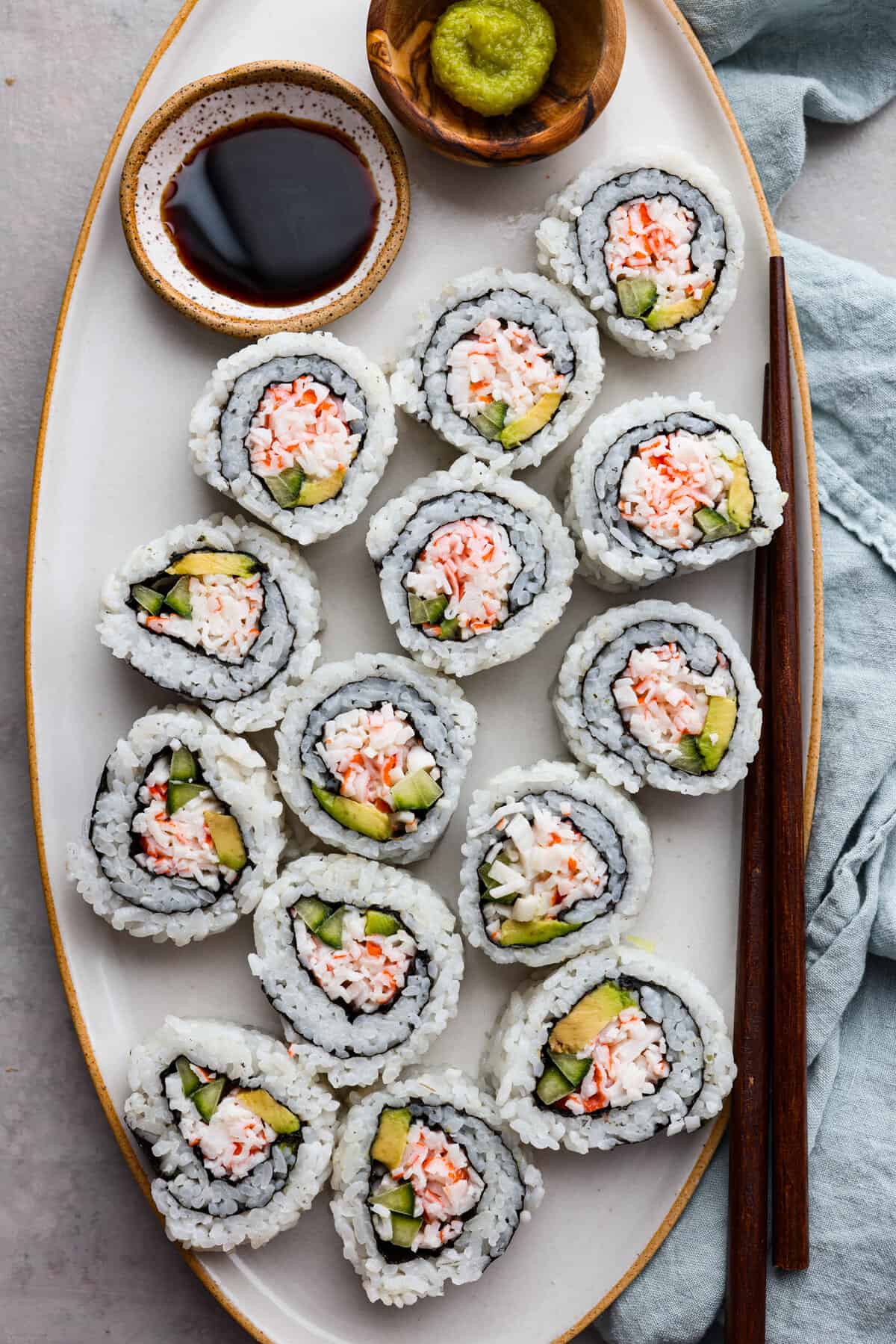
The defining characteristic of a California Roll, and a key to its widespread acceptance, is its uramaki style. Uramaki translates to “inside-out roll.” Unlike makizushi (rolled sushi) where the nori is on the outside, uramaki places the rice on the exterior and the nori within, wrapping the filling. This structural shift was revolutionary for its time.
- Rice on the Outside: The seasoned sushi rice, a blend of short-grain rice, rice vinegar, sugar, and salt, is spread evenly over a sheet of nori. This outer layer of rice is often coated with sesame seeds, adding a subtle textural contrast and visual appeal. The sweetness and slight tang of the rice provide a familiar and comforting base for the other ingredients.
- Nori Within: The nori sheet acts as the inner binder, holding the filling together. Its distinct oceanic flavor is still present but more subdued, allowing the other flavors to take center stage.
- The Filling: This is where the classic California Roll truly takes shape. The traditional triad of ingredients offers a harmonious balance of textures and tastes.
The Quintessential Ingredients: A Symphony of Flavors and Textures
At its core, a classic California Roll is a celebration of simplicity and balanced contrast. The choice of ingredients is deliberate, designed to offer a pleasant sensory experience that is both approachable and satisfying.
Crab or Krab: The Protein of Choice
The “crab” component of a California Roll is perhaps the most debated ingredient. In its most traditional form, it refers to imitation crab meat, often called surimi. Surimi is a processed seafood product made from white fish paste, blended with starch, egg white, vegetable oil, sugar, and seasonings to mimic the flavor and texture of crab. It’s a cost-effective and readily available substitute that provides a mild, slightly sweet, and flaky protein.
However, in higher-end sushi restaurants or in regions where fresh seafood is more prevalent, you might find genuine crab meat, such as lump crab or snow crab, used in the California Roll. This variation offers a richer, more authentic seafood flavor and a more delicate, succulent texture. When dining in places like San Francisco, known for its seafood, the quality of the crab used can significantly differentiate the rolls. Regardless of whether it’s imitation or real crab, its mild flavor is crucial, as it doesn’t overpower the other components.
Avocado: The Creamy Counterpoint
The inclusion of avocado was a stroke of genius in the original conception of the California Roll. Its creamy, buttery texture and mild, nutty flavor provide a luxurious mouthfeel that softens the other ingredients and adds a layer of richness. Avocado also offers a visual appeal, with its vibrant green hue peeking through the rice.
The ripeness of the avocado is paramount. It should be soft enough to mash slightly when rolled but not so ripe that it becomes mushy. This delicate balance ensures a pleasant texture that complements the slight chewiness of the rice and the flakiness of the crab. In many parts of California, avocados are a local staple, further cementing the roll’s connection to the state.
Cucumber: The Crisp Refresher
Complementing the creamy avocado and the tender crab is the crisp, refreshing bite of cucumber. Typically, julienned cucumber is used, providing a watery crunch and a clean, subtle flavor that cuts through the richness. The cucumber adds a vital textural contrast, preventing the roll from becoming too soft or monotonous. Its refreshing quality makes each bite feel light and balanced, a crucial element in a dish that can otherwise feel quite substantial.
Variations and Embellishments: Beyond the Classic
While the classic combination of crab (or surimi), avocado, and cucumber forms the foundation of the California Roll, culinary creativity has led to numerous variations and enhancements. These adaptations cater to diverse palates and showcase the versatility of this popular roll.
The Spicy California Roll
One of the most common variations is the Spicy California Roll. This version introduces a spicy mayonnaise mixture, typically made by combining mayonnaise with sriracha or other chili sauces. The spicy mayo is either mixed directly with the crab meat or drizzled generously over the roll. This addition provides a kick of heat that many diners crave, transforming the mild flavors of the classic roll into something more dynamic and exciting.
The Philadelphia Roll: A Dairy Twist
While not technically a California Roll, the Philadelphia Roll shares the uramaki style and often uses similar base ingredients. Its defining feature is the inclusion of cream cheese, which adds a tangy, creamy, and rich element. Often, smoked salmon is used instead of crab in a Philadelphia Roll, creating a delightful synergy between the fish, cream cheese, and cucumber. This variation highlights how the uramaki format can be adapted with different flavor profiles, demonstrating the broad appeal of this style of sushi.
Other Additions and Toppings
Beyond these popular variations, countless other ingredients can be found in California Rolls, depending on the restaurant and the chef’s creativity. These might include:
- Tobiko or Masago: Flying fish roe or capelin roe can be used to coat the outside of the rice instead of or in addition to sesame seeds, adding a subtle pop and a briny flavor.
- Mango: For a touch of sweetness and tropical flair, ripe mango can be added to the filling, offering a contrasting flavor profile to the savory elements.
- Shrimp Tempura: For a crunchy and indulgent variation, fried shrimp tempura can be incorporated into the roll.
- Eel Sauce (Unagi Sauce): A drizzle of sweet and savory eel sauce can be added on top for an extra layer of flavor complexity.
The California Roll Experience: A Culinary Gateway
The California Roll’s enduring popularity is not just about its ingredients but also about the experience it offers. For many, it is their first foray into the world of sushi. Its mild flavors, familiar textures, and approachable presentation make it an ideal starting point. The absence of overtly raw ingredients (in the traditional imitation crab version) and the comforting rice exterior ease apprehension for newcomers.
Pairing and Presentation
A well-prepared California Roll is often served with traditional accompaniments that enhance the dining experience. These include:
- Soy Sauce: A dipping sauce that provides a salty, umami base.
- Wasabi: A potent, pungent green paste that offers a sharp, sinus-clearing heat.
- Pickled Ginger (Gari): Thin slices of ginger, pickled in a sweet vinegar brine, used as a palate cleanser between different pieces of sushi or rolls.
The presentation of a California Roll is also part of its charm. Typically cut into six or eight pieces, it is often arranged artfully on a plate, sometimes garnished with sesame seeds, roe, or a drizzle of sauce. The visual appeal further invites diners to partake.

A Global Ambassador of Sushi
The California Roll has become an ambassador for sushi, introducing millions worldwide to the joys of this Japanese culinary art form. While purists might debate its authenticity in relation to traditional Japanese sushi, its impact is undeniable. It has paved the way for a greater appreciation of sushi in cultures where it was once unfamiliar, leading to increased interest in more traditional forms of sushi and sashimi.
Whether you encounter it in a bustling Tokyo market, a seaside eatery in San Diego, or a trendy restaurant in Paris, the California Roll remains a beloved and iconic dish. It represents a successful fusion, a testament to culinary adaptability, and a delicious entry point into a world of flavor that continues to delight diners across the globe. Understanding what goes into it is the first step in appreciating its profound significance in the modern culinary landscape.
LifeOutOfTheBox is a participant in the Amazon Services LLC Associates Program, an affiliate advertising program designed to provide a means for sites to earn advertising fees by advertising and linking to Amazon.com. Amazon, the Amazon logo, AmazonSupply, and the AmazonSupply logo are trademarks of Amazon.com, Inc. or its affiliates. As an Amazon Associate we earn affiliate commissions from qualifying purchases.