
Understanding the nuances of sales tax in Oklahoma is a crucial aspect for any traveler, whether planning a short visit or an extended stay. This knowledge can significantly impact your budget, allowing for more informed financial decisions and a clearer picture of your overall travel expenses. Oklahoma’s tax structure is a mosaic, featuring a statewide base rate that is then augmented by local city and county taxes, creating a variable landscape of tax liabilities across the state.
The Foundation: State Sales Tax Rate
At its core, Oklahoma levies a state sales tax. This rate serves as the baseline, upon which all other local taxes are added. For travelers, this means that regardless of where you are in the state, a portion of your purchase will always be directed to the state’s general revenue fund. This foundational rate is a consistent factor, though its significance is often overshadowed by the additive effect of local levies.
Understanding the Base Rate
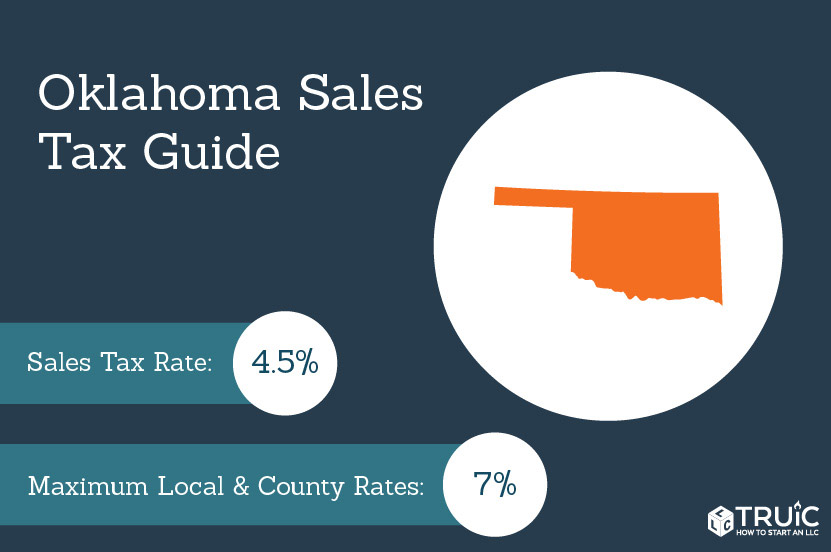
The current state sales tax rate in Oklahoma is 4.5%. This rate applies to a broad range of goods and services, forming the bedrock of the state’s revenue collection from retail transactions. While this might seem straightforward, it’s vital to remember that this is just the starting point for calculating the total sales tax you’ll encounter.
What is Taxed?
Generally, most tangible personal property and certain services are subject to sales tax in Oklahoma. This includes items purchased in retail stores, restaurant meals, hotel stays, and even some professional services. However, there are exemptions, and these are important for travelers to be aware of. For instance, certain agricultural products, prescription medications, and goods purchased for resale are typically exempt. Understanding these exemptions can lead to savings, especially for those making significant purchases or engaging in business-related travel.
The Local Layers: City and County Taxes
The real complexity, and often the source of higher tax burdens, lies in the local sales taxes imposed by individual cities and counties across Oklahoma. These local taxes are added on top of the state rate, meaning the total sales tax you pay can vary dramatically depending on your precise location within the state. This variability is a key characteristic of Oklahoma’s tax system and a critical piece of information for anyone budgeting for travel.
City Sales Taxes
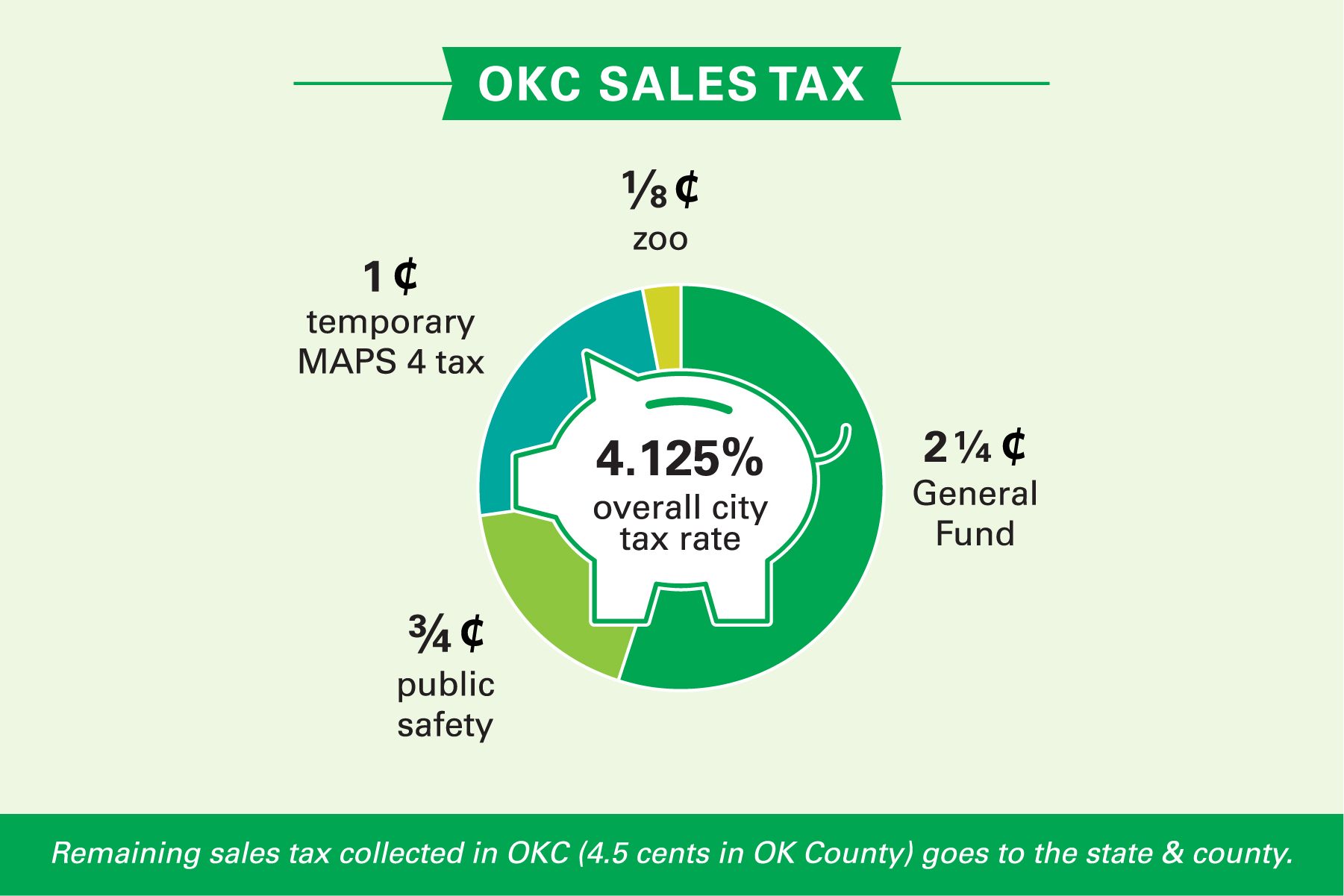
Each incorporated city in Oklahoma has the authority to levy its own sales tax. These rates are determined by the city governments and can differ significantly from one municipality to another. For example, a purchase made in Oklahoma City will likely have a different total sales tax rate than a purchase made in Tulsa or a smaller town like Broken Bow. These city taxes are often used to fund local services, infrastructure projects, and public amenities that enhance the visitor experience.
County Sales Taxes
In addition to city taxes, counties in Oklahoma can also impose their own sales taxes. These county taxes are applied within the unincorporated areas of the county and sometimes in conjunction with city taxes within incorporated areas, depending on local ordinances. This dual layer of local taxation means that the total sales tax rate can climb substantially in certain areas.
Combined Local Rates
The combination of state, city, and county sales taxes results in a wide range of total sales tax rates across Oklahoma. While some areas might have a total rate relatively close to the state base, others can see the combined rate reach well into the double digits. This is why it’s essential to ascertain the specific rate for the locale you are visiting. For example, popular tourist destinations might have higher local taxes to support their attractions and infrastructure.
Navigating the Varied Rates: Practical Implications for Travelers
For travelers, this system of varied sales tax rates has direct practical implications. It affects the perceived cost of goods, dining, and accommodation, and therefore requires careful budgeting. Understanding these variations can also inform decisions about where to shop or where to book accommodations if cost is a primary concern.
Budgeting for Purchases
When planning your budget for a trip to Oklahoma, it’s prudent to factor in the highest potential sales tax rate for the areas you intend to visit. This provides a conservative estimate and avoids budget overruns. For instance, if you plan to visit Tulsa and then explore the surrounding smaller towns, you’ll need to account for the differing tax rates in each location.
Impact on Tourist Spending
The sales tax rate can influence where tourists choose to spend their money. A significant difference in sales tax between two neighboring towns, for example, might encourage shoppers to patronize businesses in the lower-tax area. This is particularly relevant for larger purchases, such as souvenirs, clothing, or electronics.
Hotel Stays and Accommodation Costs
Sales tax also applies to hotel stays, further contributing to the overall cost of accommodation. The rate applied to your hotel bill will be the combined state and local sales tax rate of the city or town where the hotel is located. This means that a stay at a luxurious resort in Norman might have a different tax component than a budget-friendly motel in a rural area. For those looking for extended stays in serviced apartments or villas, understanding these rates is equally important.
Dining Out and Entertainment
The cost of dining out and enjoying local entertainment is also affected by sales tax. A meal at a popular restaurant in downtown Oklahoma City will have sales tax calculated based on the city’s rate, in addition to the state’s. Similarly, tickets to attractions, such as museums or sporting events, will include this tax.
Where to Find Accurate Tax Information
Given the complexity of Oklahoma’s sales tax system, it’s essential to access reliable sources for up-to-date information. Relying on general figures can lead to miscalculations.
Official State Resources
The Oklahoma Tax Commission is the definitive source for state sales tax information. Their website typically provides details on the base state rate, lists of taxable services and goods, and often includes resources or links to local tax information. They are the authority for all tax-related inquiries within the state.
Local Government Websites
For specific city and county sales tax rates, the most accurate information can usually be found on the official websites of the respective local governments. Many cities and counties maintain dedicated pages or searchable databases where you can input a location or zip code to determine the exact sales tax rate. This is particularly useful for travelers planning to visit multiple destinations within the state.
Tourist Information Centers
When visiting popular tourist destinations, such as the Oklahoma Aquarium or the Myriad Botanical Gardens, local tourist information centers can often provide guidance on local sales tax rates and other practical visitor information. While they may not have exhaustive tax details, they can point you toward the best resources or provide general estimates.
Understanding Exemptions and Special Cases
While most retail transactions are subject to sales tax, Oklahoma does have specific exemptions that can be relevant to travelers. Being aware of these can lead to unexpected savings.
Exemptions for Food and Groceries
In Oklahoma, most unprepared food items purchased for home consumption are exempt from state and local sales tax. This is a significant benefit for travelers who choose to prepare some of their own meals, perhaps in a hotel suite with a kitchenette or a rented villa. However, prepared foods sold for immediate consumption, such as restaurant meals or items from convenience stores, are typically taxable.
Manufacturing and Agricultural Exemptions
Businesses involved in manufacturing or agriculture often benefit from specific sales tax exemptions on certain equipment and supplies. While this may not directly impact the average tourist, it’s part of the broader tax landscape in Oklahoma and contributes to the state’s economic policies.
Tax Credits and Rebates
In some instances, Oklahoma or its local entities might offer tax credits or rebates for specific types of purchases or activities. These are less common for general tourism but can be a factor for business travelers or those involved in specialized industries. Staying informed about potential incentives can be beneficial.
Conclusion: The Evolving Landscape of Oklahoma Sales Tax
The sales tax in Oklahoma is not a static figure but a dynamic system influenced by state mandates and local decision-making. For travelers, this means that a little pre-trip research can go a long way in managing expectations and finances. From the base 4.5% state rate to the varying layers of city and county taxes, understanding the total sales tax applicable to your destination is a key component of responsible travel planning. Whether you are exploring the vibrant cityscape of Oklahoma City, enjoying the cultural attractions in Tulsa, or seeking adventure in the natural beauty of the Ouachita Mountains, being aware of the sales tax will ensure a smoother and more financially predictable experience. This diligent approach allows for a more focused appreciation of the unique experiences Oklahoma has to offer, from its rich history and diverse landscapes to its burgeoning culinary scene and warm hospitality.
LifeOutOfTheBox is a participant in the Amazon Services LLC Associates Program, an affiliate advertising program designed to provide a means for sites to earn advertising fees by advertising and linking to Amazon.com. Amazon, the Amazon logo, AmazonSupply, and the AmazonSupply logo are trademarks of Amazon.com, Inc. or its affiliates. As an Amazon Associate we earn affiliate commissions from qualifying purchases.