
Understanding time zones is fundamental for effective planning, whether you’re coordinating a business meeting across continents, booking a tour for your vacation, or simply trying to catch a live event. For those looking to connect with the Pacific Time Zone or navigating its unique temporal landscape, knowing how Eastern Standard Time (EST) translates to California’s local time is crucial. This guide will demystify the conversion, explore the nuances of time in California, and offer practical insights for travelers and locals alike.
The Time Zone Difference: EST vs. PST
The United States is home to multiple time zones, each with its own designated standard time. Eastern Standard Time (EST) encompasses the easternmost parts of the contiguous U.S., including major cities like New York City, Miami, and Washington D.C.. It operates on Coordinated Universal Time (UTC) minus 5 hours (UTC-5).
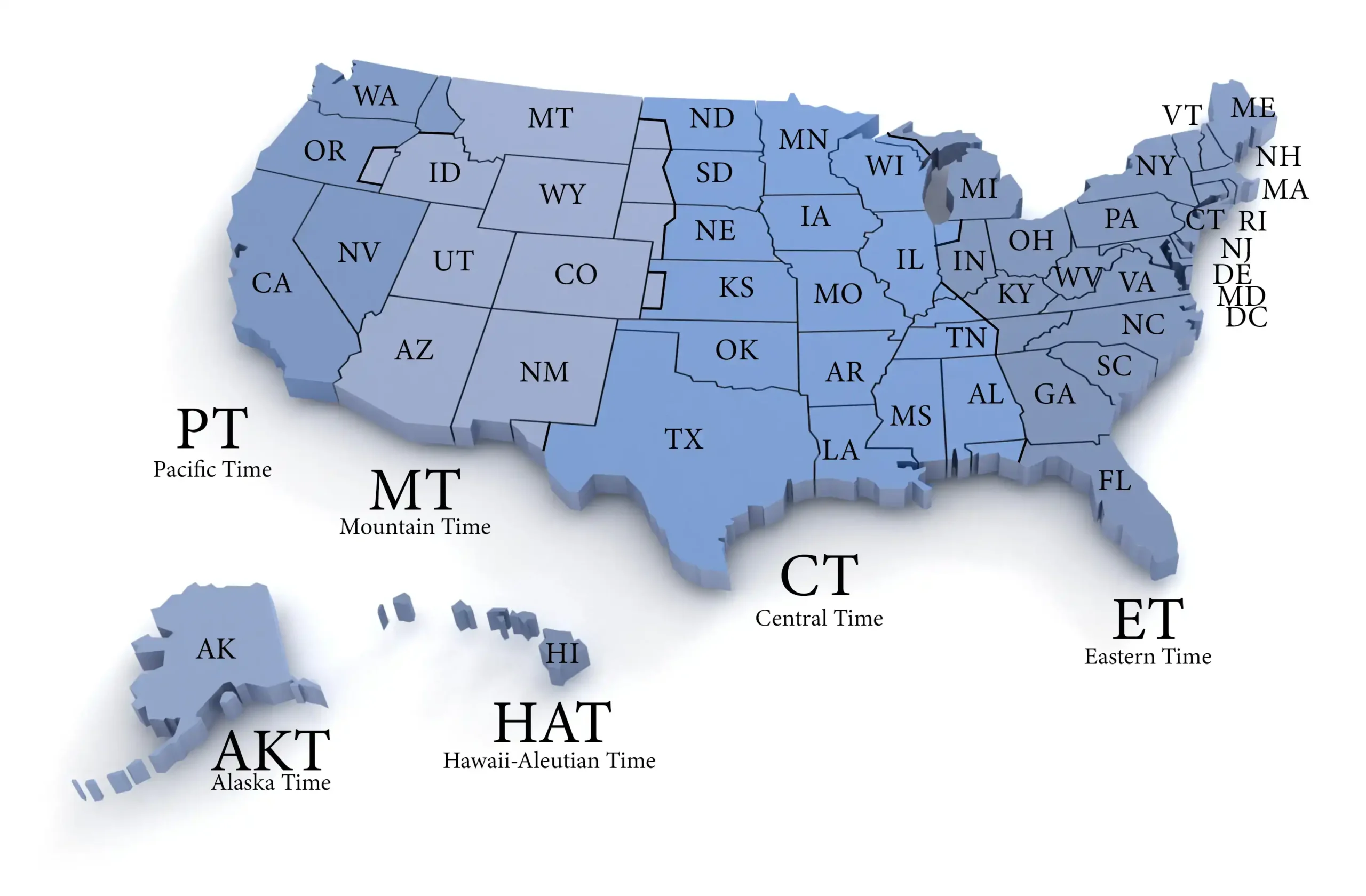
California, on the other hand, observes Pacific Standard Time (PST), which is UTC minus 8 hours (UTC-8). This creates a consistent three-hour difference between EST and PST.
Calculating the Conversion
To convert 3 PM EST to California time, you simply subtract three hours from the EST time.
- 3 PM EST – 3 hours = 12 PM PST
Therefore, when it is 3 PM EST, it is 12 PM (noon) PST in California.
This straightforward calculation forms the basis for understanding the temporal relationship between these two prominent time zones. It means that a 3 PM meeting scheduled in New York is happening at the very beginning of the afternoon, or noon, in Los Angeles or San Francisco.
Daylight Saving Time Considerations
It is vital to note that both EST and PST observe Daylight Saving Time (DST). During DST, the time zones shift forward by one hour.
- Eastern Daylight Time (EDT): UTC-4
- Pacific Daylight Time (PDT): UTC-7
The difference between EDT and PDT remains three hours. So, when it’s 3 PM EDT, it’s still 12 PM PDT in California. The standard time names (EST and PST) are generally used to refer to the time zone during the winter months, while the daylight saving names (EDT and PDT) are used during the warmer months. However, the three-hour difference consistently holds true year-round.
Navigating Time Zones in California
California is a vast state, and while the entire state operates on Pacific Time, its significant size and population mean that understanding local timing can impact daily life and travel plans.
Major Cities and Their Time
From the bustling streets of Los Angeles to the tech hubs of Silicon Valley and the cultural center of San Francisco, all these iconic destinations are within the Pacific Time Zone. This temporal uniformity across the state simplifies navigation for visitors and residents alike. Whether you’re attending a conference at the Los Angeles Convention Center or exploring the historic districts of San Diego, your watch will show the same time as anywhere else in California.
Impact on Travel and Activities
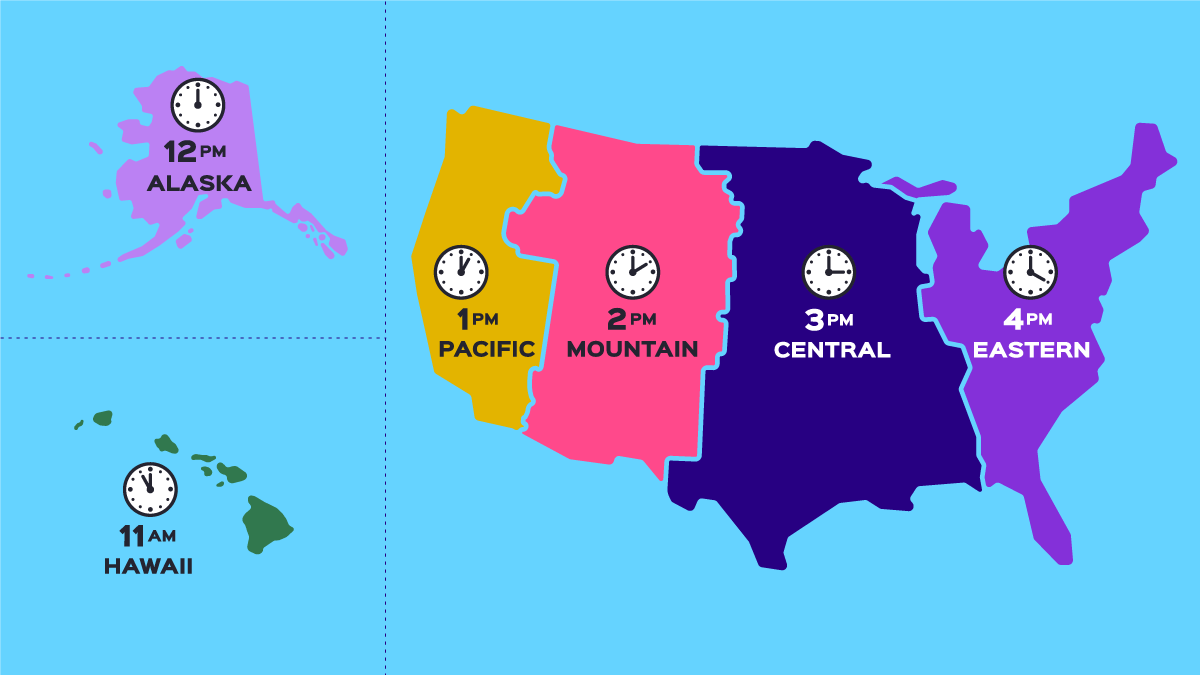
The three-hour difference between East Coast and West Coast times has a significant bearing on travel and activity planning.
Flight Schedules
When booking flights, remember that departure and arrival times are always listed in the local time of the respective airports. A flight departing from New York JFK at 3 PM EST will arrive in Los Angeles LAX at 6 PM PST (which is 9 PM EST). This means factoring in the time zone change when estimating arrival times and making onward connections. For example, if you’re aiming to catch a 7 PM dinner reservation in Santa Monica after a flight from New York, you’ll need to account for the travel time and the three-hour clock shift.
Business and Communication
For businesses operating across the U.S., synchronizing meetings is a common challenge. A business in New York might schedule a call for 3 PM EST. For their California counterparts, this translates to a 12 PM PST call. This timing can be advantageous, allowing California teams to conclude important discussions before the end of their workday, while the East Coast teams are still in the middle of theirs. Conversely, a morning meeting in California at 9 AM PST is equivalent to 12 PM EST on the East Coast, offering a good mid-day engagement point.
Entertainment and Events
Live broadcasts, sporting events, and online conferences often present scheduling dilemmas. A 7 PM EST start time for a show broadcast nationally means that viewers in California will tune in at 4 PM PST. This can influence when people plan their evenings, perhaps requiring them to adjust their dinner plans or wrap up afternoon activities earlier. Planning to watch the Super Bowl or a premiere of a popular series? Always check the local time for your specific location.
Tips for Managing Time Zone Differences
Effectively managing time zone differences can prevent confusion and enhance your travel experience in California.
Set Your Devices Accordingly
Most smartphones and smartwatches automatically adjust to local time when you travel. However, it’s always good practice to verify this setting. For those who prefer manual control, ensure your device is set to the correct Pacific Time Zone. This ensures that all your calendar appointments, alarms, and communication tools reflect the accurate local time, preventing missed meetings or activities.
Communicate Clearly
When scheduling calls or meetings with people in different time zones, always specify the time zone. For example, instead of saying “Let’s meet at 3 PM,” say “Let’s meet at 3 PM EST” or “Let’s meet at 12 PM PST.” This eliminates ambiguity and ensures everyone is on the same page. Many online scheduling tools and calendar applications offer features to display times in multiple time zones simultaneously, which can be incredibly helpful.
Understand Jet Lag
Traveling from the East Coast to California involves a three-hour time difference, which can contribute to jet lag. Gradual adjustment before your trip, such as shifting your sleep schedule slightly in the days leading up to your travel, can help mitigate its effects. Once you arrive, try to adopt the local schedule as quickly as possible. This includes eating meals and going to bed at appropriate local times.
Leverage Online Tools
Numerous websites and mobile applications are dedicated to time zone conversions. Websites like TimeandDate.com or WorldTimeBuddy.com allow you to enter a time in one zone and see its equivalent in any other zone worldwide. These are invaluable tools for frequent travelers or those who regularly communicate internationally. For instance, if you’re planning a visit to Disneyland from London, you can easily find out when attractions open and close relative to your home time.
The Lure of California Time
California beckons with its diverse landscapes, from the beaches of Southern California to the redwood forests of the north. Understanding its temporal rhythm is a small but essential piece of the puzzle for anyone looking to explore its wonders. Whether you’re an early riser catching the sunrise over the Pacific Ocean or a night owl enjoying the vibrant nightlife of Las Vegas (which is in Nevada but often visited in conjunction with California), knowing the time helps you savor every moment.
The consistency of the three-hour difference between EST and PST simplifies many planning aspects. It allows for a predictable rhythm that facilitates seamless coordination for business, leisure, and personal connections. As you plan your next adventure to the Golden State, remember that 3 PM EST is your cue for noon in California—a perfect time to start your afternoon explorations.
LifeOutOfTheBox is a participant in the Amazon Services LLC Associates Program, an affiliate advertising program designed to provide a means for sites to earn advertising fees by advertising and linking to Amazon.com. Amazon, the Amazon logo, AmazonSupply, and the AmazonSupply logo are trademarks of Amazon.com, Inc. or its affiliates. As an Amazon Associate we earn affiliate commissions from qualifying purchases.