
Navigating the process of obtaining a Commercial Driver’s License (CDL) in Oklahoma is a significant step for aspiring professional drivers. This license is not merely a permit; it’s a gateway to a fulfilling and often lucrative career in transportation, whether it involves hauling goods across the country or operating specialized vehicles within the state. The journey requires a clear understanding of the requirements, diligent preparation, and successful completion of various tests administered by the Oklahoma Department of Public Safety (DPS). This guide will provide a comprehensive roadmap to help you acquire your CDL in Oklahoma, ensuring you are well-equipped for every stage of the process.

Understanding CDL Classes and Endorsements
Before embarking on your CDL journey in Oklahoma, it’s crucial to understand the different classes of commercial driver’s licenses and the endorsements that can be added to them. This foundational knowledge will help you determine which license best suits your career aspirations.
CDL Classifications
The Federal Motor Carrier Safety Administration (FMCSA) mandates a classification system for CDLs to ensure that drivers are qualified to operate vehicles of varying sizes and weights. In Oklahoma, these classes are:
-
Class A CDL: This is required for operating a combination vehicle with a gross combination weight rating (GCWR) of 26,001 pounds or more, provided the gross vehicle weight rating (GVWR) of the vehicle being towed is more than 10,000 pounds. This typically includes tractor-trailers and truck-and-trailer combinations.
-
Class B CDL: This license is for operating a single vehicle with a GVWR of 26,001 pounds or more, or any such vehicle towing a vehicle with a GVWR of not more than 10,000 pounds. Examples include straight trucks, dump trucks, and large buses.
-
Class C CDL: This class is for vehicles that do not meet the definition of Class A or Class B, but are designed to transport 16 or more occupants (including the driver) or are placarded for hazardous materials. This can include smaller vans used for passenger transport or vehicles carrying specific hazardous substances.
Essential Endorsements
Endorsements are additional certifications added to your CDL that authorize you to operate specific types of commercial vehicles or to transport certain types of cargo. Obtaining the correct endorsements is vital for expanding your career opportunities and ensuring compliance with federal and state regulations. Common endorsements include:
-
Hazardous Materials (H): Required for transporting materials that are considered hazardous by the FMCSA, such as flammable liquids, explosives, or radioactive substances. Obtaining this endorsement involves a rigorous background check, including fingerprinting.
-
Passenger (P): Necessary for drivers who operate vehicles designed to transport 16 or more passengers (including the driver). This is essential for bus drivers, shuttle services, and other forms of public transportation.
-
School Bus (S): A specialized endorsement for individuals driving school buses to transport students. This often involves additional training and checks specific to student safety.
-
Tank Vehicles (N): Required for operating vehicles designed to transport liquids or gaseous materials in bulk, such as fuel tankers or water trucks.
-
Double/Triple Trailers (T): For drivers who will be operating vehicles pulling two or three trailers.
-
Air Brakes (L): While air brakes are common on most commercial vehicles, you will need this endorsement if the vehicle you are testing on is equipped with air brakes and does not have a vacuum or hydraulic brake system. If your test vehicle has air brakes, you will automatically be tested on them.
-
Combination Vehicles (for Class B): If you hold a Class B CDL and plan to tow a trailer weighing more than 10,000 pounds GVWR, you will need the combination vehicle endorsement.
Obtaining a Commercial Learner’s Permit (CLP)
The first formal step in the CDL application process in Oklahoma is obtaining a Commercial Learner’s Permit (CLP). This permit allows you to practice driving commercial vehicles under the supervision of a licensed CDL holder.
Eligibility Requirements for CLP
To be eligible for a CLP in Oklahoma, you must:
- Be at least 18 years old: While 18 is the minimum age for an intrastate CDL (operating within Oklahoma only), drivers aged 21 and over can obtain an interstate CDL, allowing them to drive across state lines.
- Possess a valid Oklahoma Driver’s License: You must have a current, non-commercial driver’s license issued by Oklahoma.
- Provide Proof of Identity and Residency: You will need to present documents such as a birth certificate, passport, Social Security card, and utility bills to verify your identity and Oklahoma residency.
- Pass a Vision Test: A vision screening will be conducted to ensure you meet the minimum visual acuity standards.
- Pass the General Knowledge Written Test: This test covers a broad range of information found in the Commercial Driver’s License Manual, including vehicle inspection, basic control, defensive driving, and specific rules for commercial vehicles.
Applying for Your CLP
- Visit an Oklahoma Driver License Examining Station: You can find the nearest location through the Oklahoma Department of Public Safety website.
- Complete the Application Form: Fill out the official CDL application form accurately and completely.
- Submit Required Documents: Present your current Oklahoma driver’s license and proof of identity and residency.
- Pay the Applicable Fees: There will be fees associated with the application, testing, and permit issuance.
- Take and Pass the General Knowledge Test: Study the Commercial Driver’s License Manual thoroughly before your appointment.
Once you pass the written test, you will be issued your CLP. Remember, your CLP is only valid for a specified period, and you must hold it for at least 14 days before you can take the skills test. During this period, you must be accompanied by a properly licensed CDL driver who is in the passenger seat.
Preparing for the CDL Skills Test
The CDL Skills Test is the practical examination designed to assess your ability to safely operate a commercial vehicle. It typically consists of three parts: the pre-trip inspection, the basic vehicle control test, and the road test. Thorough preparation is key to success.
The Pre-Trip Inspection
This segment of the test evaluates your knowledge of inspecting a commercial vehicle to ensure it is safe for operation. You will be asked to perform a systematic inspection of the vehicle’s exterior and interior, identifying any potential defects or safety issues. This includes checking:
- Engine Compartment: Fluid levels, belts, hoses, battery.
- Tractor and Trailer Coupling: Air lines, electrical connections, fifth wheel, locking jaws.
- Tires: Tread depth, condition, lug nuts.
- Brakes: Slack adjusters, brake chambers, brake drums/discs.
- Lights and Reflectors: Headlights, taillights, turn signals, marker lights.
- Cab Interior: Mirrors, steering wheel, brakes, horn, dashboard indicators, emergency equipment.
You must demonstrate a comprehensive understanding of each component and its function, explaining what you are checking and why.
Basic Vehicle Control Test
This part of the test assesses your ability to maneuver the commercial vehicle safely in controlled environments. You will likely be asked to perform maneuvers such as:
- Straight Line Backing: Reversing the vehicle in a straight line into a designated space.
- Serpentine: Maneuvering the vehicle through a series of cones without touching them.
- Offset Backing: Backing the vehicle into a parking space offset from your starting position.
- Alley Docking: Backing the vehicle into a designated alleyway.
Precision and control are paramount during these exercises.
The Road Test
The final component of the skills test is the road test, where you will drive the commercial vehicle on public roads under various traffic conditions. This part assesses your ability to:
- Operate the vehicle safely and legally: This includes observing traffic laws, speed limits, and right-of-way rules.
- Make safe lane changes: Signaling, checking mirrors and blind spots, and merging smoothly.
- Navigate intersections: Safely turning, stopping, and proceeding through intersections.
- Maintain proper speed and following distance: Adjusting speed to conditions and maintaining a safe gap from other vehicles.
- Handle different road surfaces and inclines: Demonstrating control on hills and varying road conditions.
- Communicate intentions: Using turn signals and other indicators to inform other road users.
Tips for Passing the Skills Test
- Study the Manual: Thoroughly review the Commercial Driver’s License Manual, paying close attention to the sections on pre-trip inspection, vehicle control, and safe driving practices.
- Practice Regularly: If possible, practice with a licensed CDL holder in the type of vehicle you will be tested in. Familiarity with the vehicle’s size, handling, and blind spots is crucial.
- Arrive Early: Be on time for your appointment to avoid rushing and stress.
- Dress Appropriately: Wear comfortable clothing and shoes that allow for easy movement.
- Listen Carefully to Instructions: Pay close attention to the examiner’s directions and ask for clarification if needed.
- Stay Calm and Focused: Nerves are natural, but try to remain calm and concentrate on the task at hand.
- Don’t Be Afraid to Ask for a Break: If you feel overwhelmed, politely request a moment to compose yourself.
Special Requirements and Medical Certification
In addition to passing the written and skills tests, aspiring CDL holders in Oklahoma must meet specific medical requirements and, depending on their intended driving, obtain a Medical Examiner’s Certificate.
Medical Examination and Certification
The FMCSA mandates that drivers operating commercial motor vehicles in interstate commerce must be medically qualified. This involves passing a physical examination administered by a certified Medical Examiner. The examiner will assess your overall health, including:
- Vision: Acuity and field of vision.
- Hearing: Ability to hear certain frequencies.
- Blood Pressure: Within acceptable limits.
- Medical History: Any conditions that could impair driving ability.
- Physical Fitness: Ability to perform the duties of a commercial driver.
Upon successful completion of the examination, you will be issued a Medical Examiner’s Certificate. This certificate must be presented to the Oklahoma Department of Public Safety when applying for your CDL. The validity period of the certificate varies depending on your medical condition but is typically one or two years.
Self-Certification
When applying for or renewing your CDL, you will need to self-certify the type of commerce you will be operating in. This means you will indicate whether you will be operating in:
- Non-excepted Interstate: You must meet the FMCSA physical qualification requirements and have a current Medical Examiner’s Certificate.
- Excepted Interstate: Certain drivers are exempt from FMCSA physical qualification requirements.
- Non-excepted Intrastate: You must meet Oklahoma’s specific medical qualification requirements.
- Excepted Intrastate: Certain drivers are exempt from Oklahoma’s specific medical qualification requirements.
It is crucial to select the correct self-certification category, as misrepresentation can lead to penalties.
Hazardous Materials Endorsement Requirements
As mentioned earlier, obtaining the Hazardous Materials (H) endorsement requires additional steps beyond the standard CDL process. This includes:
- Passing the Hazardous Materials Knowledge Test: This test focuses specifically on the regulations and procedures for transporting hazardous materials.
- Undergoing a Security Threat Assessment: This involves fingerprinting and a background check conducted by the Transportation Security Administration (TSA). You must be deemed eligible by the TSA to receive the endorsement.
Staying Compliant
Maintaining your CDL involves staying up-to-date with regulations and renewing your license and medical certification as required. Failure to do so can result in the suspension or revocation of your CDL privileges. The Oklahoma Department of Public Safety provides resources and information on renewal processes.
Resources for Aspiring CDL Drivers in Oklahoma
Navigating the CDL application process can be complex, but a wealth of resources are available to assist you. From official publications to training schools, you can find the support you need to succeed.
The Oklahoma Commercial Driver’s License Manual
The cornerstone of your preparation is the official Oklahoma Commercial Driver’s License Manual. This comprehensive guide contains all the information you need regarding CDL requirements, endorsements, testing procedures, and safe driving practices. It is available for download from the Oklahoma Department of Public Safety website and is an indispensable study tool.
CDL Training Schools
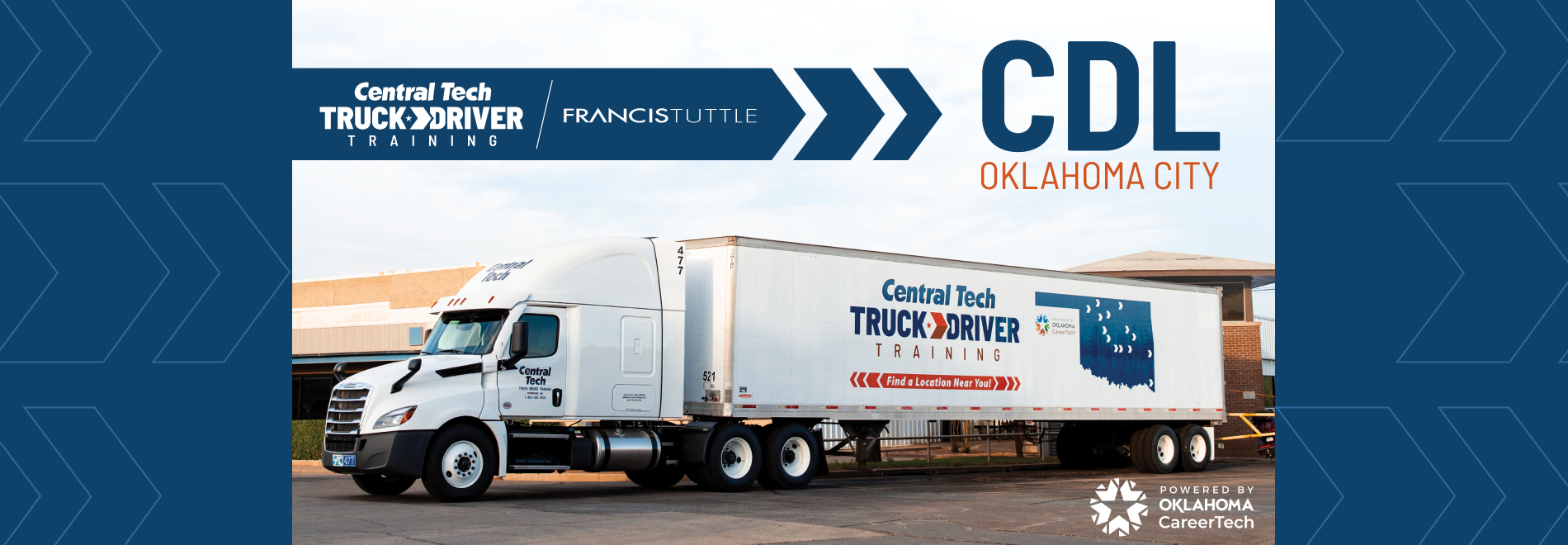
While not strictly mandatory for all CDL applicants in Oklahoma, attending a reputable CDL training school is highly recommended. These schools offer structured courses designed to prepare you for both the written and skills tests. Benefits of attending a school include:
- Expert Instruction: Experienced instructors provide in-depth knowledge and practical guidance.
- Hands-on Training: You will gain valuable experience operating commercial vehicles in a safe and controlled environment.
- Vehicle Familiarity: Training schools typically use vehicles that are representative of those used in the industry, allowing you to become comfortable with different types of trucks and trailers.
- Job Placement Assistance: Many schools partner with trucking companies, offering potential job placement services upon graduation.
- Endorsement Preparation: Schools often provide specialized training for hazardous materials, tank vehicles, and other endorsements.
When choosing a school, research their accreditation, pass rates, and program offerings to ensure they meet your needs.
Oklahoma Department of Public Safety (DPS)
The Oklahoma Department of Public Safety is your primary resource for official information regarding CDL requirements, testing locations, fee schedules, and any updates to regulations. Their website is an invaluable tool for navigating the administrative aspects of obtaining your license. You can also contact them directly with specific questions.
Online Resources and Practice Tests
Numerous websites offer practice tests for the CDL written exams. These can be an excellent way to gauge your readiness and identify areas where you need further study. While these resources can be helpful, always prioritize the information provided in the official Oklahoma Commercial Driver’s License Manual.
Trucking Companies and Industry Associations
Engaging with trucking companies and industry associations can provide insights into the realities of the profession, career paths, and current industry trends. Some companies may even offer sponsored training programs for aspiring drivers.
By leveraging these resources and dedicating yourself to thorough preparation, you can confidently navigate the path to obtaining your Commercial Driver’s License in Oklahoma and embark on a rewarding career in the transportation industry.
LifeOutOfTheBox is a participant in the Amazon Services LLC Associates Program, an affiliate advertising program designed to provide a means for sites to earn advertising fees by advertising and linking to Amazon.com. Amazon, the Amazon logo, AmazonSupply, and the AmazonSupply logo are trademarks of Amazon.com, Inc. or its affiliates. As an Amazon Associate we earn affiliate commissions from qualifying purchases.