
Navigating the tax landscape of any state can be a complex undertaking, and California is no exception. While the title “How To Calculate Tax In California” might initially suggest a focus on personal income tax, within the context of travel, accommodation, and tourism, it opens a discussion about the various taxes that impact visitors and businesses alike. Understanding these often-overlooked costs is crucial for effective budgeting, whether you’re planning a leisurely vacation, a business trip, or an extended stay. This guide will break down the key tax components that travelers and tourists should be aware of when visiting the Golden State.
Understanding California’s Sales and Use Tax
At its core, the most prevalent tax encountered by travelers in California is the sales and use tax. This tax is levied on the purchase of tangible personal property and certain services. For tourists, this means that almost every retail transaction, from purchasing souvenirs in San Francisco to dining at a restaurant in Los Angeles, will include this additional charge.
The Mechanics of Sales Tax
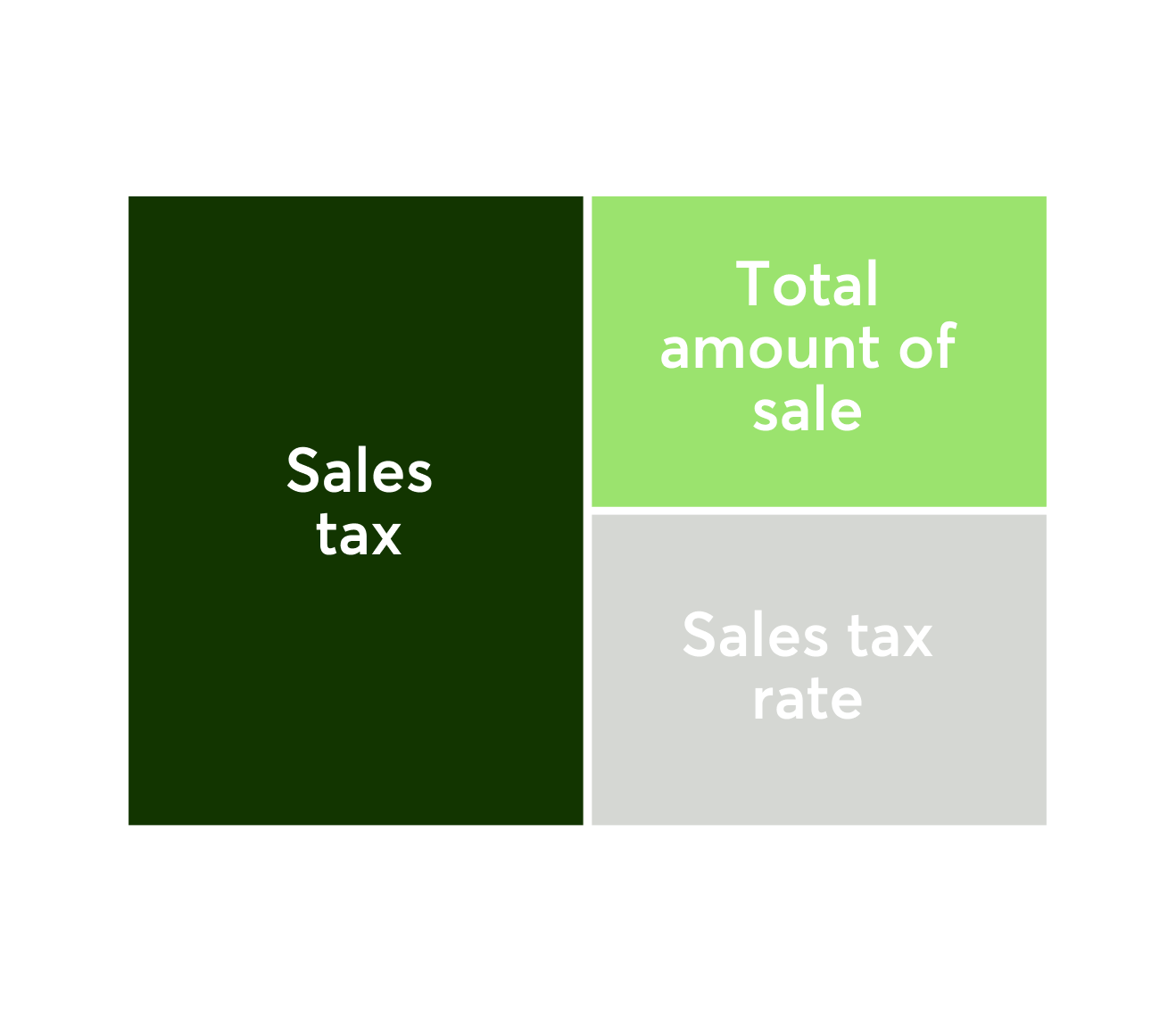
Sales tax is collected by retailers at the point of sale and remitted to the state and local governments. The rate of sales tax is not uniform across California. It’s a combination of the statewide rate, district taxes, and local taxes, which vary significantly from one city and county to another. For instance, the sales tax rate in San Francisco County will differ from that in San Diego County.
- Statewide Rate: This is the base rate set by the state of California.
- District Taxes: These are additional taxes imposed by specific districts within the state, often to fund public transportation, infrastructure, or other local projects.
- Local Taxes: Cities and counties can impose their own sales taxes, further contributing to the final rate.
To calculate the sales tax on a purchase, you multiply the taxable price of the item or service by the applicable combined sales tax rate for that specific location. For example, if you purchase a $100 item in a city with a 9% sales tax, the sales tax would be $9.00, bringing the total cost to $109.00.
The Role of Use Tax
Use tax is designed to complement sales tax. It applies to purchases made outside of California but brought into the state for use, storage, or consumption. This is particularly relevant for online shoppers who purchase goods from out-of-state retailers that do not collect California sales tax. If you buy a taxable item online and have it shipped to your California address, you are generally liable for the use tax. The rate for use tax is the same as the sales tax rate in your California location. While often harder to track and enforce for individual consumers, it’s an important distinction to be aware of.
Accommodation Taxes: A Significant Tourist Expense
When it comes to lodging, travelers in California face a unique set of taxes that can significantly increase the overall cost of their stay. These taxes are primarily levied on hotel rooms, resorts, and other forms of short-term accommodations.
Transient Occupancy Tax (TOT)
The most common tax imposed on hotel stays is the Transient Occupancy Tax (TOT), also known as a hotel tax or lodging tax. This tax is levied by cities and counties on the rent paid by individuals who occupy a hotel room for less than 30 consecutive days. The rates for TOT vary widely by jurisdiction. Some popular tourist destinations like San Diego or the areas surrounding Disneyland may have higher TOT rates to fund local tourism initiatives and services.
- Calculation: The TOT is typically calculated as a percentage of the room rate. For example, if a hotel room costs $200 per night and the city’s TOT rate is 10%, the TOT would be $20, resulting in a total of $220 for the room before any other potential fees.
- Local Variations: It is crucial to check the specific TOT rate for the city or county where you plan to stay. Major cities like Los Angeles, San Francisco, and Sacramento all have their own unique TOT structures and rates.
Other Lodging-Related Taxes
In addition to TOT, some California jurisdictions may impose additional taxes on lodging, such as:
- Tourism Improvement Districts (TID) Assessments: These are special assessments levied on hotels within designated tourism districts to fund marketing and promotional activities for the area.
- Utility Users Tax (UUT): Some cities impose a tax on utility services, which can sometimes extend to hotel stays, covering the use of electricity, gas, and telephone services provided by the hotel.
When booking accommodation, whether it’s a luxury resort in Palm Springs or a cozy inn in Napa Valley, always review the detailed breakdown of charges to understand all applicable taxes and fees. This transparency is often provided during the booking process on hotel websites or third-party booking platforms.
Taxes on Activities and Entertainment
Beyond retail purchases and lodging, certain activities and entertainment experiences in California can also be subject to specific taxes, often falling under the umbrella of sales tax or specific entertainment taxes.
Entertainment and Event Tickets
Tickets to theme parks like Universal Studios Hollywood, concerts, sporting events, and movie theaters are generally subject to California sales tax. The rate will depend on the location of the venue. This tax is usually included in the ticket price at the point of purchase.
Dining and Food Services
While most unprepared food items are exempt from sales tax in California, prepared meals purchased from restaurants, cafes, and food trucks are taxable. This includes dine-in meals, takeout orders, and even some catering services. The sales tax rate applied will be the local rate for the establishment’s location.
Parking and Transportation
- Parking Fees: Parking fees at airports, public garages, and private lots in California are typically subject to sales tax.
- Rental Cars: Rental car companies are required to collect sales tax on the rental charges. Additionally, there may be other fees and taxes imposed by airports or specific jurisdictions on rental car transactions.
- Public Transportation: While fares for most public transportation systems (like the BART in the Bay Area or the LA Metro) are generally not subject to sales tax, specific services or surcharges might be.
Understanding and Estimating Your Tax Burden
To effectively calculate your total tax expenditure in California as a traveler, a systematic approach is recommended.
Step 1: Identify Your Location(s)
California is a large state with diverse tax rates. Pinpoint the exact cities and counties you will be visiting. This is the most critical step, as local taxes can vary significantly.
Step 2: Research Local Sales Tax Rates
Use resources provided by the California Department of Tax and Fee Administration (CDTFA) or local government websites to find the combined sales and use tax rate for each location. For example, if you plan to visit both Santa Monica and Anaheim, you’ll need to know the tax rates for both cities.
Step 3: Estimate Accommodation Taxes
When booking hotels or vacation rentals, look for the stated Transient Occupancy Tax (TOT) and any other applicable lodging fees. These are often listed separately on booking confirmations.
Step 4: Factor in Activity and Purchase Taxes
Consider the nature of your planned activities and purchases. For retail spending, apply the relevant local sales tax rate to your estimated budget. For ticketed events or dining out, understand that these are generally taxable.

Step 5: Utilize Online Tax Calculators (with caution)
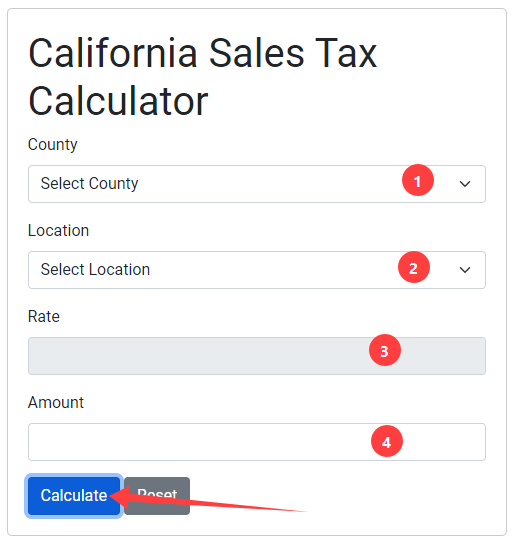
Various online tax calculators can assist in estimating sales tax. However, always verify the information with official sources, as tax laws and rates can change. These calculators are most useful for quick estimates of sales tax on retail items.
By meticulously considering these tax components, travelers can gain a clearer picture of their total spending in California, enabling them to budget more accurately and avoid unexpected costs during their visit to iconic destinations like the Golden Gate Bridge or the beaches of Southern California.
LifeOutOfTheBox is a participant in the Amazon Services LLC Associates Program, an affiliate advertising program designed to provide a means for sites to earn advertising fees by advertising and linking to Amazon.com. Amazon, the Amazon logo, AmazonSupply, and the AmazonSupply logo are trademarks of Amazon.com, Inc. or its affiliates. As an Amazon Associate we earn affiliate commissions from qualifying purchases.