
The westernmost sliver of Oklahoma, known colloquially as the Oklahoma Panhandle, is a region defined by its unique geography and expansive horizons. Often overlooked in favor of its more bustling neighbors, this strip of land offers a distinct travel experience rooted in its history, natural beauty, and the sheer scale of its open landscapes. Understanding its dimensions is the first step to appreciating the vastness and the specific character of this fascinating area.
Measuring the Panhandle: A Geographical Overview
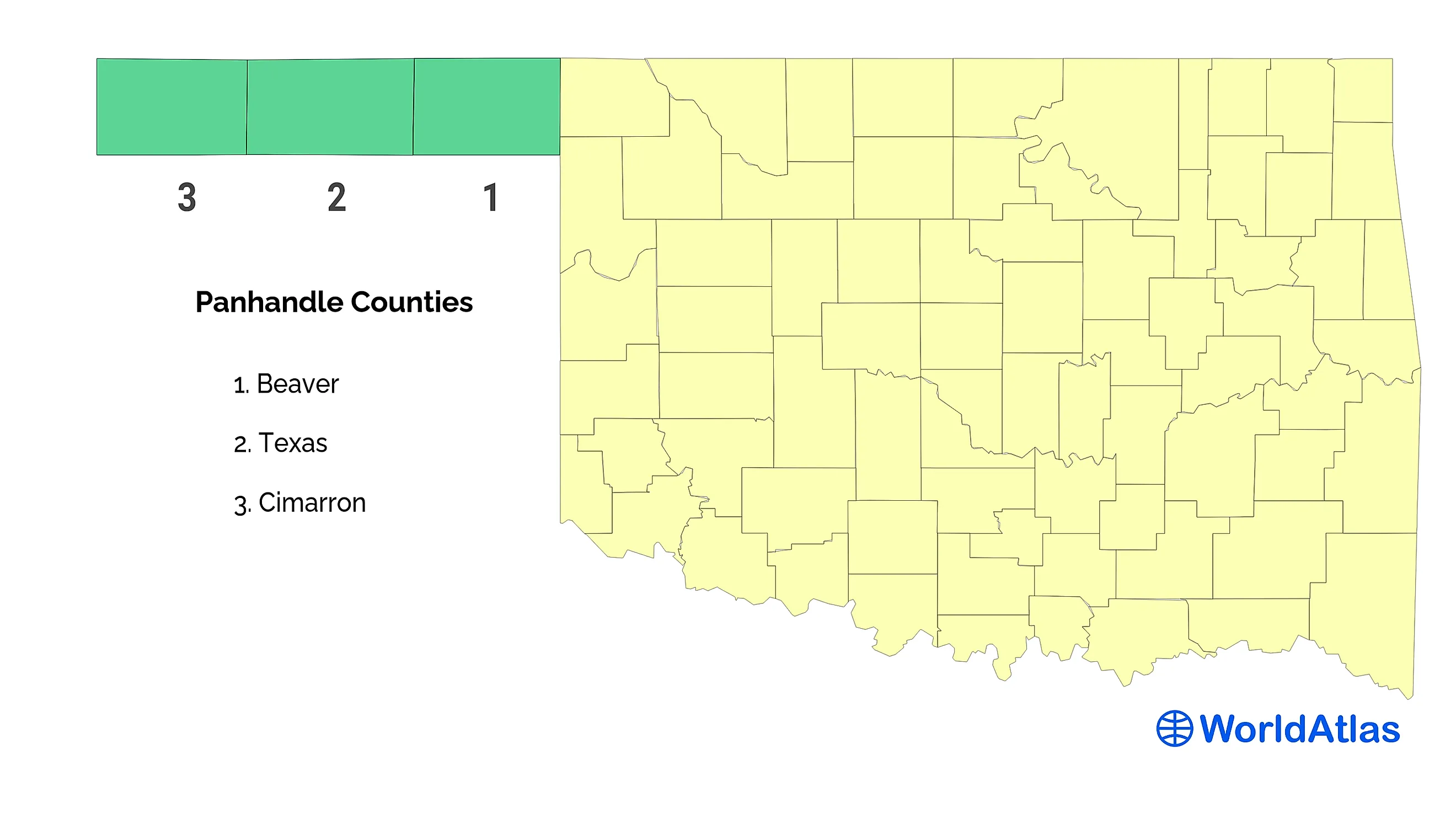
The Oklahoma Panhandle is a rectangular territory that extends westward from the main body of Oklahoma. Its defining characteristic, from which it derives its name, is its narrow width. This western exclave was established to fulfill the contiguous land requirements for Oklahoma’s statehood, preventing a gap between the state and the New Mexico border.

Dimensions and Boundaries
Geographically, the Oklahoma Panhandle stretches approximately 166 miles (267 kilometers) from east to west. Its north-south dimension, however, is significantly less, measuring a mere 66 miles (106 kilometers). This creates a distinctively elongated shape that sets it apart from the more uniform counties found elsewhere in Oklahoma.
The eastern boundary of the panhandle aligns with the 100th meridian west longitude, separating it from Texas. To the north, it shares a border with the state of Kansas. Its western terminus meets the border with New Mexico, and to the south, it is bordered by the state of Texas. This unique configuration places it at the nexus of several states, influencing its historical development and cultural fabric.
Unique Geological Formations
The landscape of the Oklahoma Panhandle is characterized by its relatively flat terrain, a feature common to the Great Plains. However, subtle geological variations contribute to its distinct appeal. The northern part of the panhandle, for instance, is known for its rolling prairies and fertile farmlands, historically a significant agricultural region.
In contrast, the westernmost portion of the panhandle showcases more dramatic geological features. The striking landscape of Black Mesa State Park is a prime example. Here, visitors can encounter the highest point in Oklahoma, atop Black Mesa, which offers panoramic views of the surrounding high plains. The mesa itself is a remnant of ancient lava flows, a testament to the region’s volcanic past. The area is also dotted with evidence of prehistoric life, including dinosaur tracks and fossil beds, making it a fascinating destination for paleontology enthusiasts.
Exploring the Panhandle’s Attractions
Despite its seemingly remote location and modest width, the Oklahoma Panhandle offers a surprising array of attractions that appeal to a variety of travelers seeking authentic experiences away from the beaten path. Its appeal lies in its unspoiled natural beauty, its rich history, and the quiet charm of its small towns.
Natural Wonders and Outdoor Adventures
The star attraction of the Oklahoma Panhandle is undoubtedly Black Mesa State Park. This remote oasis provides opportunities for hiking, wildlife viewing, and stargazing. The park’s relatively high elevation and lack of light pollution make it an exceptional spot for observing the night sky, with the Oklahoma Panhandle being recognized as a prime location for astrophotography and celestial observation.
Beyond Black Mesa, the open prairies offer a sense of solitude and vastness. Birdwatchers will find opportunities to spot a variety of species, including migratory birds that traverse the central flyway. The landscape, though appearing uniform to the casual observer, is a dynamic ecosystem that has sustained life for millennia. Visitors can drive along scenic byways, pulling over to simply absorb the immense skies and the seemingly endless horizons.
Historical Significance and Cultural Insights
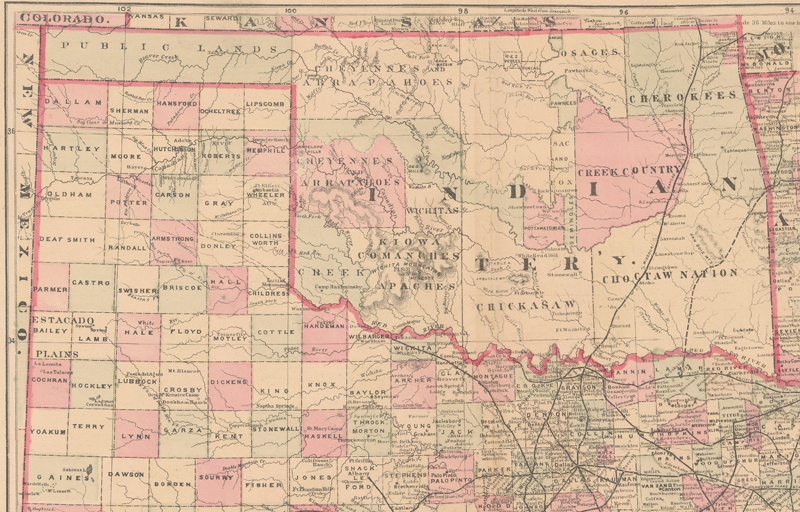
The history of the Oklahoma Panhandle is deeply intertwined with the settlement of the American West. This land was once part of No Man’s Land, a territory that existed before Oklahoma and Indian Territory were consolidated. It served as a refuge for outlaws and a place where settlers carved out a living in challenging conditions.
Key historical sites and influences include:
- The Pioneer Town Museum in Beaver: This museum in the county seat of Beaver offers a glimpse into the lives of early settlers, showcasing artifacts, photographs, and stories from the region’s past. It provides valuable context for understanding the resilience and determination of those who first inhabited this land.
- The Coronado Trail: While the exact path of Spanish explorer Francisco Vázquez de Coronado’s expedition is debated, evidence suggests his journey through the region, searching for the mythical Seven Cities of Gold. This historical connection adds a layer of intrigue to the landscape.
- Route 66: Although the historic U.S. Route 66 runs through the southern part of Oklahoma, its influence and the spirit of classic Americana are palpable in the panhandle. Towns like Elk City in western Oklahoma still retain elements of this iconic highway’s past, offering vintage diners and roadside attractions that harken back to a bygone era.
The cultural landscape of the Oklahoma Panhandle is a blend of its agricultural heritage and the enduring spirit of its residents. Small towns like Guymon, the largest city in the panhandle, serve as community hubs, offering a taste of local life. Here, visitors can experience genuine hospitality and learn about the contemporary challenges and triumphs of life on the plains.
Experiencing the Panhandle: Travel Tips and Insights
Visiting the Oklahoma Panhandle is an experience that requires a certain mindset. It is a destination for those who appreciate the quiet beauty of open spaces, the rich tapestry of history, and the genuine character of rural America. Embracing the slow pace and the vastness is key to unlocking its unique charm.
Planning Your Visit
When planning a trip to the Oklahoma Panhandle, it is important to consider the distances involved and the availability of services. The region is sparsely populated, and towns can be many miles apart.
- Best Time to Visit: Spring and fall generally offer the most pleasant weather, with mild temperatures and lower humidity. Summer can be quite hot, while winter can bring cold winds and occasional snow. The skies are often dramatic year-round, offering spectacular sunrises and sunsets.
- Transportation: A car is essential for exploring the Oklahoma Panhandle. Major highways like U.S. Route 54 and U.S. Route 83 traverse the region, providing access to its key areas.
- Accommodation: Lodging options are primarily concentrated in the larger towns such as Guymon and Beaver, with standard hotels and motels available. For a more immersive experience, consider looking for locally owned bed and breakfasts or exploring camping options within state parks.
- Services: It is advisable to fill up your gas tank whenever you have the opportunity, as fuel stations can be infrequent in more remote areas. Similarly, carrying water and snacks is a good precaution, especially when venturing into natural areas.
Embracing the Panhandle Lifestyle
The essence of traveling through the Oklahoma Panhandle lies in embracing its unique pace and character. This is a place where the sky is the dominant feature, the land stretches to the horizon, and human presence is felt in the enduring spirit of its communities.
- Savor the Open Spaces: Take time to simply drive and observe. Pull over on the side of the road (safely, of course) and breathe in the vastness. The sheer scale of the landscape is a form of natural grandeur that is increasingly rare in our developed world.
- Engage with Local Culture: Visit the local diners, chat with residents at the gas stations, and explore the small-town museums. The people of the Oklahoma Panhandle are known for their resilience and their welcoming nature. Their stories are an integral part of the region’s charm.
- Seek Out Natural and Historical Gems: While Black Mesa State Park is a must-see, look for other opportunities to connect with the land and its history. Explore local markers, geological features, and the remnants of past settlements.
The Oklahoma Panhandle, with its precise dimensions and expansive spirit, offers a compelling destination for travelers seeking an authentic and unhurried journey. It is a reminder that true discovery often lies beyond the well-trodden path, in the wide-open spaces that continue to shape the American narrative.
LifeOutOfTheBox is a participant in the Amazon Services LLC Associates Program, an affiliate advertising program designed to provide a means for sites to earn advertising fees by advertising and linking to Amazon.com. Amazon, the Amazon logo, AmazonSupply, and the AmazonSupply logo are trademarks of Amazon.com, Inc. or its affiliates. As an Amazon Associate we earn affiliate commissions from qualifying purchases.