
Understanding the climate of North Dakota is paramount for any traveler planning a visit, whether for a weekend getaway or an extended exploration of its unique attractions. The state experiences a continental climate characterized by distinct seasons, significant temperature variations, and a generally dry atmosphere. This makes packing the right clothing and scheduling your activities crucial for an enjoyable experience, from the vibrant summer months to the stark beauty of its winters.
Seasonal Temperature Variations
North Dakota is well-known for its wide temperature swings throughout the year. The state’s geographical location in the upper Midwest, far from any large bodies of moderating water, contributes to these extremes. Understanding these seasonal shifts will help you anticipate what to expect and plan your itinerary accordingly.
Summer (June to August)
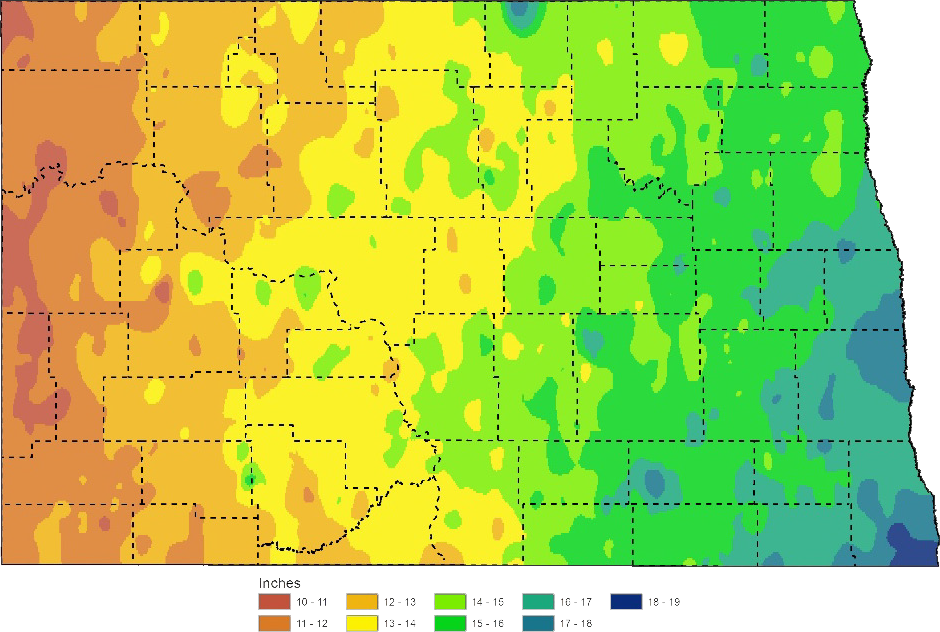
Summers in North Dakota are generally warm to hot, with average high temperatures typically ranging from the mid-70s to the low 80s Fahrenheit (around 24-28 degrees Celsius). However, heatwaves can push temperatures into the 90s and even 100s Fahrenheit (32-38 degrees Celsius). Nights offer some relief, usually cooling down to the comfortable 50s and 60s Fahrenheit (10-20 degrees Celsius). This season is ideal for outdoor activities like exploring the Theodore Roosevelt National Park or enjoying the numerous lakes and rivers. Rainfall is more common during the summer, often in the form of thunderstorms, which can bring brief but intense downpours and occasional hail. Humidity levels can also be higher during this period compared to other seasons.
Autumn (September to November)
As summer transitions into autumn, North Dakota experiences a dramatic cooling. September often retains a pleasant warmth, with average highs in the 60s and 70s Fahrenheit (15-26 degrees Celsius). By October and November, temperatures drop significantly. Average highs can range from the 30s to 50s Fahrenheit (0-15 degrees Celsius), with nighttime temperatures frequently dipping below freezing. This season is celebrated for its stunning fall foliage, particularly in the parklands and along the Missouri River. The air becomes crisp and dry, offering excellent visibility for photography and appreciating the vast prairie landscapes. Pack layers, as the weather can be unpredictable, with warm days giving way to chilly evenings.
Winter (December to February)
Winters in North Dakota are notoriously cold and harsh, marked by significant snowfall and sub-zero temperatures. Average daily temperatures often hover well below freezing, with highs typically in the teens and 20s Fahrenheit (-15 to -5 degrees Celsius) and lows plummeting to 0 Fahrenheit and below (-18 degrees Celsius and below). Wind chill factors can make these temperatures feel even more extreme. Snowfall is common, and the landscape is often blanketed in white for extended periods. While the cold can be intense, winter also offers unique opportunities, such as ice fishing on Lake Sakakawea or enjoying the serene beauty of snow-covered prairies. Visitors should be prepared for extreme cold with heavy, insulated clothing.
Spring (March to May)
Spring in North Dakota is a period of transition and can be quite variable. March often still feels like winter, with lingering snow and cold temperatures. As April arrives, the snow begins to melt, and temperatures gradually rise. Average highs in April and May typically range from the 40s to 60s Fahrenheit (4-20 degrees Celsius). However, spring can also bring unseasonably cold snaps and late snowstorms. The landscape awakens with vibrant green as vegetation begins to grow. This season can be characterized by muddy conditions due to melting snow and rain. It’s a time when the state starts to shed its winter coat, preparing for the warmer months ahead.
Regional Temperature Differences
While North Dakota is a relatively homogeneous state in terms of its broad climate, there can be subtle regional variations in temperature influenced by elevation and proximity to geographical features.
Western North Dakota
The western part of the state, where the badlands are located, can sometimes experience slightly more extreme temperature fluctuations. The higher elevations in areas like the Badlands within Theodore Roosevelt National Park might experience cooler temperatures, especially at night, compared to the flatter eastern plains. However, summer heat can be equally intense here. The dryness of the air is a constant across most of the state, but western areas may see slightly less humidity.
Eastern North Dakota

Eastern North Dakota, closer to the Red River Valley, tends to have slightly milder winters and summers compared to the far west. The flatter terrain might allow for more consistent temperature readings across the region. Cities like Fargo and Grand Forks experience the same seasonal patterns but may not reach the same peak extremes as the western badlands. The presence of the Red River itself can have a minor moderating effect, though it is not as significant as a large ocean.
Central North Dakota
Central North Dakota, home to the state capital of Bismarck, generally mirrors the state’s continental climate. Temperatures here will follow the seasonal trends described earlier, with hot summers and cold, snowy winters. The vast open plains dominate the central landscape, contributing to unobstructed wind patterns and significant diurnal (day-night) temperature variations.
Factors Influencing Temperature
Several geographical and meteorological factors contribute to North Dakota’s distinctive temperature patterns.
Continental Climate
As mentioned, North Dakota experiences a continental climate. This means it is characterized by large seasonal temperature differences, with warm to hot summers and cold winters. This is a direct result of its interior location, far from the moderating influence of oceans. The land heats up and cools down much more rapidly than water.
Altitude
While North Dakota is not a mountainous state, its varying elevations, particularly in the western badlands, can subtly influence local temperatures. Higher altitudes generally correlate with cooler temperatures, especially during the evening and overnight hours. This is a factor to consider when visiting areas like Theodore Roosevelt National Park.
Wind Patterns
North Dakota is known for its winds. These winds can significantly impact how the temperature feels. In winter, strong winds can create severe wind chill factors, making sub-zero temperatures feel even more dangerous. In summer, a strong breeze can offer welcome relief from the heat. The open prairie landscape offers little obstruction to prevailing winds.
Precipitation and Snow Cover
The presence or absence of snow cover also affects temperature. During winter, a blanket of snow can insulate the ground, keeping it colder. Conversely, during spring thaws, melting snow can temporarily cool the air. The amount and timing of precipitation, especially during summer thunderstorms, can also cause temporary dips in temperature.

Preparing for North Dakota’s Climate
When planning your trip to North Dakota, consulting up-to-date weather forecasts is essential. However, understanding the typical patterns will allow you to pack appropriately and plan activities that align with the season.
For summer travel, lightweight, breathable clothing, sunscreen, and a hat are recommended. Be prepared for potential heat and humidity. For spring and fall, layers are key. A good jacket, long pants, and sturdy walking shoes are advisable, as weather can change rapidly. Winter visitors must invest in heavy, insulated outerwear, including a warm coat, hat, gloves, and waterproof boots. Temperatures can necessitate staying indoors for extended periods, so checking the operating hours of attractions is a good idea.
Ultimately, the temperature in North Dakota is a defining characteristic of the state, shaping its landscape, influencing its lifestyle, and offering a unique experience for those willing to embrace its seasonal extremes.
LifeOutOfTheBox is a participant in the Amazon Services LLC Associates Program, an affiliate advertising program designed to provide a means for sites to earn advertising fees by advertising and linking to Amazon.com. Amazon, the Amazon logo, AmazonSupply, and the AmazonSupply logo are trademarks of Amazon.com, Inc. or its affiliates. As an Amazon Associate we earn affiliate commissions from qualifying purchases.