
While the question of “What’s the population in [Oklahoma City]?” might seem straightforward, understanding the demographic landscape of this dynamic American capital reveals much more than just a number. It speaks to the city’s growth, its evolving character, and its increasing significance as a hub for commerce, culture, and community. The Oklahoma City metropolitan area, often referred to as [OKC], is a testament to the enduring spirit of the American West, blended with a modern, forward-thinking approach to urban development. As of recent estimates, the population of the city proper hovers around the 700,000 mark, making it one of the largest cities in the central United States. However, this figure represents only a segment of the broader metropolitan influence, which extends to surrounding communities and encompasses a larger, more interconnected population.

The growth trajectory of [Oklahoma City] has been noteworthy, particularly in the last few decades. This expansion isn’t merely a matter of natural increase; it’s a result of strategic urban planning, economic diversification, and an attractive cost of living that draws residents from across the nation. The city’s commitment to revitalizing its downtown core, coupled with significant investments in infrastructure and public amenities, has fostered an environment conducive to both business and residential growth. Understanding the population is crucial for anyone considering a move, investing in the local economy, or simply seeking to comprehend the scale and scope of this burgeoning urban center.
The Evolving Demographics of Oklahoma City
Delving into the population of [Oklahoma City] reveals a diverse and evolving demographic tapestry. The city’s inhabitants represent a rich blend of ethnicities and backgrounds, reflecting its history as a destination for settlers and its more recent appeal to a diverse workforce. This diversity is not just a statistical point; it fuels the city’s cultural vibrancy, contributing to a dynamic arts scene, a burgeoning culinary landscape, and a unique community spirit.
Age Distribution and Workforce Dynamics
The age distribution within [Oklahoma City] is generally reflective of many mid-sized American cities, with a significant proportion of its population in the working-age bracket. This demographic is key to the city’s economic engine, providing the talent pool for its expanding industries. As the city continues to attract new businesses and residents, the workforce dynamics are constantly shifting, with a growing emphasis on skilled labor in sectors such as aerospace, energy, biotechnology, and technology. The influx of younger professionals, attracted by career opportunities and the city’s comparatively affordable lifestyle, is contributing to a rejuvenation of the urban core and a demand for modern housing and entertainment options.
Ethnic and Cultural Composition
[Oklahoma City]’s ethnic makeup has become increasingly diverse over the years. While historically rooted in a strong European-American presence, the city now boasts significant and growing Hispanic or Latino, African American, and Asian communities. This multiculturalism enriches the social fabric of [OKC], bringing new perspectives, traditions, and flavors to the city. The presence of indigenous Native American communities, deeply tied to the history of [Oklahoma], also remains a significant cultural influence, contributing to the unique heritage of the region. Understanding these demographic trends is essential for appreciating the full scope of the city’s identity and its future development.Metropolitan Influence and Regional Connectivity
The population of [Oklahoma City] is best understood not in isolation but as the core of a larger, interconnected metropolitan area. The concept of the [Oklahoma City] metropolitan statistical area (MSA) encompasses several surrounding counties, and its population significantly exceeds that of the city proper. This broader region plays a vital role in the economic and social life of [OKC], with many residents commuting into the city for work, education, and recreation, while simultaneously contributing to the economic vitality of their own communities.
Commuting Patterns and Economic Linkages
The daily ebb and flow of people across the [Oklahoma City] metropolitan area underscore the deep economic linkages between the city and its surrounding suburbs and towns. Major thoroughfares like [Interstate 35] and [Interstate 44] serve as critical arteries, facilitating the movement of workers and goods. The population figures for the MSA highlight the collective economic power and the integrated labor market that supports [Oklahoma City]’s diverse industries. This regional connectivity is a key factor in the sustained growth and stability of the area, making it an attractive location for businesses seeking access to a broad talent base and consumer market.
Impact on Urban Planning and Development
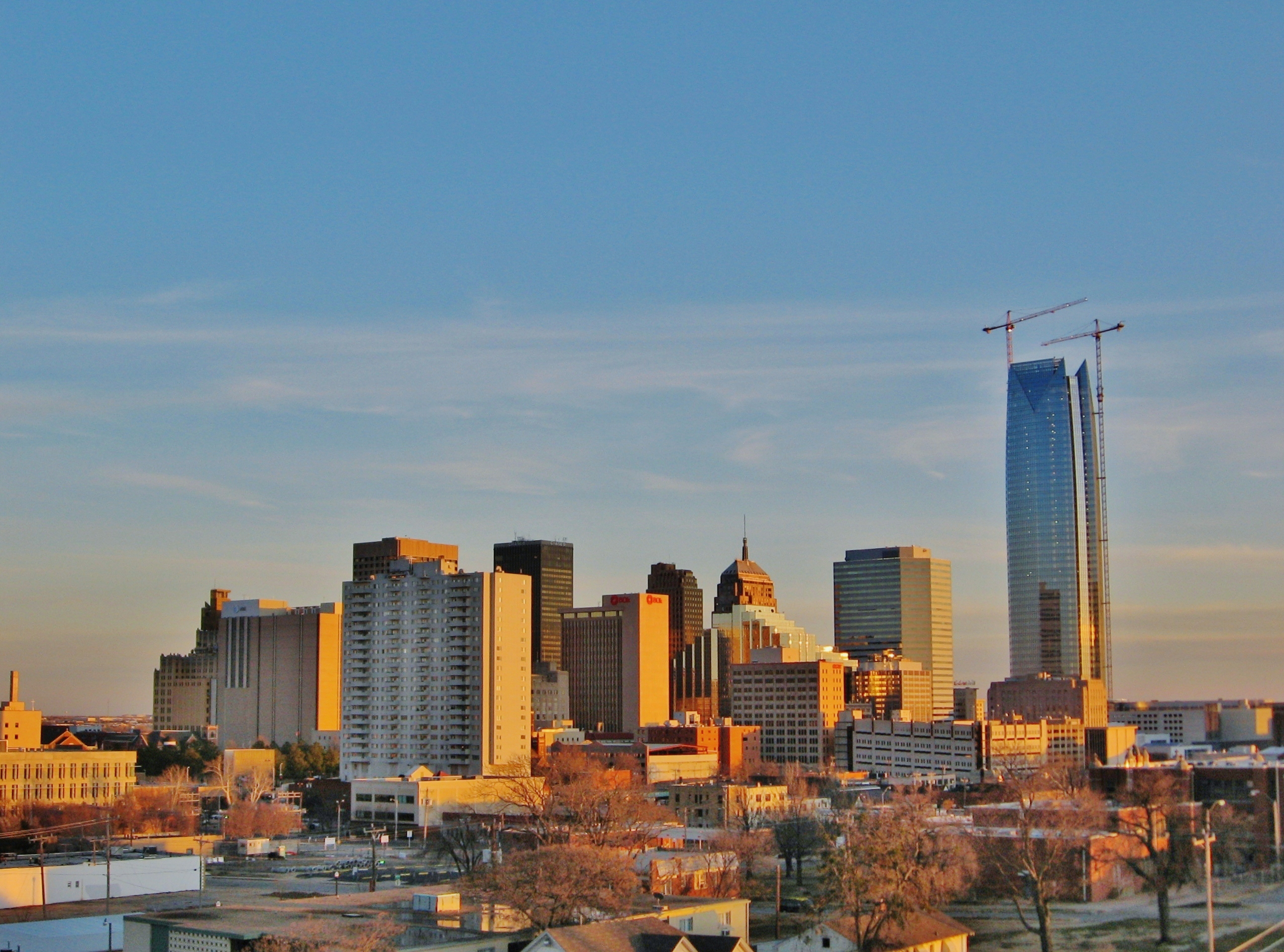
The expansive nature of the [Oklahoma City] metropolitan population has significant implications for urban planning and development. As the region continues to grow, decisions about transportation infrastructure, housing development, and resource allocation become increasingly complex. The city government, along with regional planning commissions, works to ensure that growth is managed sustainably, addressing challenges such as sprawl, traffic congestion, and the provision of essential services across the entire metropolitan footprint. The population trends are a constant guide for these planning efforts, shaping the future landscape of [OKC] and its environs.
Factors Driving Population Growth in Oklahoma City
Several key factors have contributed to the steady and often impressive population growth observed in [Oklahoma City]. These drivers range from economic opportunities to the quality of life offered by the city and its surrounding areas, making it an increasingly desirable place to live and work.
Economic Diversification and Job Creation
A pivotal factor in [Oklahoma City]’s population surge is its increasingly diversified economy. Once heavily reliant on the oil and gas industry, the city has successfully expanded its economic base to include a robust aerospace sector, a growing presence in the technology and bioscience fields, and a thriving healthcare industry. Major employers like [American Airlines] and the presence of military installations such as [Tinker Air Force Base] provide stable employment, while innovative startups and established companies in emerging sectors offer new avenues for career advancement. This economic resilience and expansion directly translate into job creation, attracting individuals and families seeking employment and professional growth.
Affordability and Quality of Life
[Oklahoma City] consistently ranks among the most affordable major metropolitan areas in the United States. The cost of living, particularly in housing, is significantly lower than the national average, allowing residents to enjoy a higher disposable income and a more comfortable lifestyle. This affordability, combined with a range of amenities and a relatively low crime rate, contributes to a high quality of life that appeals to a broad spectrum of the population. From its burgeoning downtown entertainment districts to its numerous parks and recreational opportunities, [OKC] offers a balanced urban experience that is attractive to young professionals, families, and retirees alike.Urban Revitalization and Investment
In recent decades, [Oklahoma City] has undergone a remarkable transformation through ambitious urban revitalization projects. The MAPS (Metropolitan Area Projects) programs, funded by voter-approved sales taxes, have funded numerous iconic projects that have reshaped the city’s landscape and enhanced its livability. These include the construction of [Paycom Center], the home of the [Oklahoma City] Thunder, the development of the [Bricktown Canal], the expansion of the [Oklahoma City] Museum of Art, and the creation of the [Scissortail Park]. This sustained investment in public infrastructure and cultural attractions has not only improved the quality of life for existing residents but has also acted as a powerful magnet, drawing new individuals and businesses to the city. The success of these initiatives has fostered a sense of civic pride and optimism, further bolstering population growth.
Understanding Oklahoma City’s Population: Beyond the Numbers
While the raw population figures for [Oklahoma City] provide a foundational understanding of its scale, a deeper appreciation comes from examining the demographic trends, the regional interconnectedness, and the forces that are shaping its present and future. The city’s population is not a static entity but a dynamic reflection of its ongoing evolution as a major American urban center.
A Growing Hub for Culture and Commerce
As the population of [Oklahoma City] grows, so too does its influence as a hub for culture and commerce. The influx of diverse residents brings a richer tapestry of cultural expressions, from culinary innovations at restaurants like [The Drake] to vibrant performances at venues like the [Civic Center Music Hall]. Economically, the expanding population supports a growing consumer base and a more robust labor market, encouraging further business investment and development across various sectors. The city’s strategic location in the heart of the nation also positions it as an important logistical and transportation nexus.

Future Outlook and Continued Growth
The outlook for [Oklahoma City]’s population growth remains positive. With continued economic development, ongoing urban enhancement projects, and its persistent affordability, [OKC] is well-positioned to attract further in-migration. Urban planners and city leaders are actively working to manage this growth in a sustainable manner, aiming to preserve the city’s unique character while embracing the opportunities that a larger, more diverse population brings. The story of [Oklahoma City]’s population is one of resilience, strategic vision, and a burgeoning embrace of its role as a significant and dynamic player on the national stage.
LifeOutOfTheBox is a participant in the Amazon Services LLC Associates Program, an affiliate advertising program designed to provide a means for sites to earn advertising fees by advertising and linking to Amazon.com. Amazon, the Amazon logo, AmazonSupply, and the AmazonSupply logo are trademarks of Amazon.com, Inc. or its affiliates. As an Amazon Associate we earn affiliate commissions from qualifying purchases.