
Navigating the complexities of a foreclosure in Florida can be a daunting prospect, especially when considering the timeline involved. This process, which allows a lender to recover the balance of a loan from a borrower who has stopped making payments, is governed by state law and can vary significantly based on a multitude of factors. Understanding these timelines is crucial for both borrowers facing potential foreclosure and for investors looking to acquire distressed properties. This article delves into the typical duration of a foreclosure in the Sunshine State, examining the legal framework, key stages, and influential variables that shape the entire process.

The Foreclosure Process in Florida: An Overview
Florida is a judicial foreclosure state. This means that unlike “power of sale” states where lenders can often foreclose without court intervention, a lender in Florida must file a lawsuit and obtain a court order to sell the property. This judicial oversight generally leads to a more lengthy and structured foreclosure process compared to non-judicial states. The process typically begins when a borrower defaults on their mortgage payments. After a grace period, the lender can initiate the foreclosure proceedings by filing a complaint with the appropriate circuit court.
Initiating the Lawsuit
The initial step involves the lender filing a Lis Pendens (notice of pending action) and a complaint for foreclosure with the court. This formally notifies the borrower and the public that a lawsuit has been filed regarding the property. The borrower then has a specific period, typically 20 days, to file an answer or other responsive pleading to the complaint. If no response is filed, the lender can request a default judgment.
Serving the Borrower
Proper legal service is a critical component of the foreclosure timeline. The borrower must be officially notified of the lawsuit. This is usually done through a process server who delivers the summons and complaint. If the borrower cannot be located for personal service, alternative methods like substituted service or service by publication may be employed, which can sometimes add time to the process.
The Borrower’s Response and Discovery
Once served, the borrower has an opportunity to defend themselves in court. They can raise legal defenses, challenge the validity of the debt, or explore options like loan modification or short sale. This phase can involve a period of discovery, where both parties exchange information and evidence. The complexity of the borrower’s defense and the willingness of both parties to engage in settlement discussions can significantly impact the timeline.
Summary Judgment or Trial
If no disputed issues of material fact exist, the lender may file a motion for summary judgment. If granted, the court rules in favor of the lender without a full trial. If the case is contested and goes to trial, the proceedings will naturally extend the timeline. However, most Florida foreclosures are resolved through summary judgment or settlement rather than a full trial.
Final Judgment and Sale
Upon a favorable ruling for the lender, the court will issue a final judgment of foreclosure. This judgment will specify the amount owed, including principal, interest, fees, and court costs. It will also set a date for a foreclosure sale, which is typically conducted by the Clerk of the Court. The borrower typically has a period before the sale to cure the default and prevent it.
Factors Influencing Foreclosure Duration
While a general timeline can be established, numerous factors can accelerate or decelerate the foreclosure process in Florida. Understanding these variables is key to estimating how long a specific foreclosure might take.
Borrower’s Cooperation and Defenses
The most significant variable is often the borrower’s response. A borrower who promptly contests the foreclosure, files multiple motions, or presents complex legal defenses will invariably extend the process. Conversely, a borrower who does not respond or quickly agrees to a settlement or voluntary sale will expedite the foreclosure. The legal strategies employed by the borrower’s attorney can also play a substantial role.
Lender’s Efficiency and Resources
The lender’s internal processes and the efficiency of their legal team are also critical. Some lenders are quicker to file paperwork, respond to court orders, and move the case forward. Others may have more backlogs or a more conservative approach, which can lead to delays. The availability of specialized foreclosure departments within law firms can also influence the speed at which cases are processed.
Court Dockets and Clerks’ Offices
The workload of the courts and the efficiency of the Clerks’ offices in a particular county can also affect the timeline. In busier judicial circuits, it may take longer to get hearings scheduled or for documents to be processed. Judges have discretion in managing their dockets, and the pace at which they move foreclosure cases can vary.
Type of Loan and Property
The type of mortgage loan can sometimes influence the process. For instance, foreclosure on FHA or VA loans may have slightly different procedural requirements or timelines. Similarly, the nature of the property—whether it’s a primary residence, a second home, or an investment property—can sometimes influence the borrower’s motivation to fight the foreclosure and thus the timeline.
Attempts at Loss Mitigation
Lenders are often required to attempt loss mitigation options with borrowers before proceeding with foreclosure. This can include offering loan modifications, repayment plans, or short sales. The time spent negotiating these options, even if unsuccessful, can add several months to the overall foreclosure timeline. While these efforts are intended to help borrowers, they also introduce a variable delay in the judicial process.
Typical Foreclosure Timelines in Florida
Given the judicial nature of Florida foreclosures and the potential for various delays, the process can range from several months to over a year, and in some complex cases, even longer.
Expedited Foreclosures (4-8 Months)
In situations where the borrower offers no defense, fails to respond to the lawsuit, and the lender’s paperwork is in perfect order, a foreclosure can potentially be completed relatively quickly. This typically involves the borrower being properly served, not responding, the lender obtaining a default judgment, and proceeding directly to a final judgment and sale. This is the most optimistic timeline and relies heavily on the borrower’s non-participation.
Average Foreclosures (8-12 Months)
The most common scenario for a foreclosure in Florida falls within the 8 to 12-month range. This encompasses situations where the borrower may initially respond but ultimately does not mount a significant defense, or where the lender and borrower reach a settlement or agree to a short sale. It allows for the standard legal procedures, including service, response period, potential summary judgment motions, and scheduling of the sale.
Extended Foreclosures (12+ Months)
Foreclosures can extend beyond a year when significant legal challenges arise, the borrower actively contests the proceedings, or when multiple loss mitigation attempts are made. Complex cases involving disputed ownership, fraud allegations, or extensive appeals can also prolong the process considerably. Furthermore, if the lender is slow to act or faces procedural hurdles, the timeline can also be extended.
Strategic Considerations for Investors and Homeowners
For Homeowners Facing Foreclosure
If you are a homeowner facing foreclosure in Florida, it is crucial to understand that time is of the essence.
- Seek Legal Counsel Immediately: A qualified Florida foreclosure defense attorney can explain your rights, explore available defenses, and help you navigate the legal process.
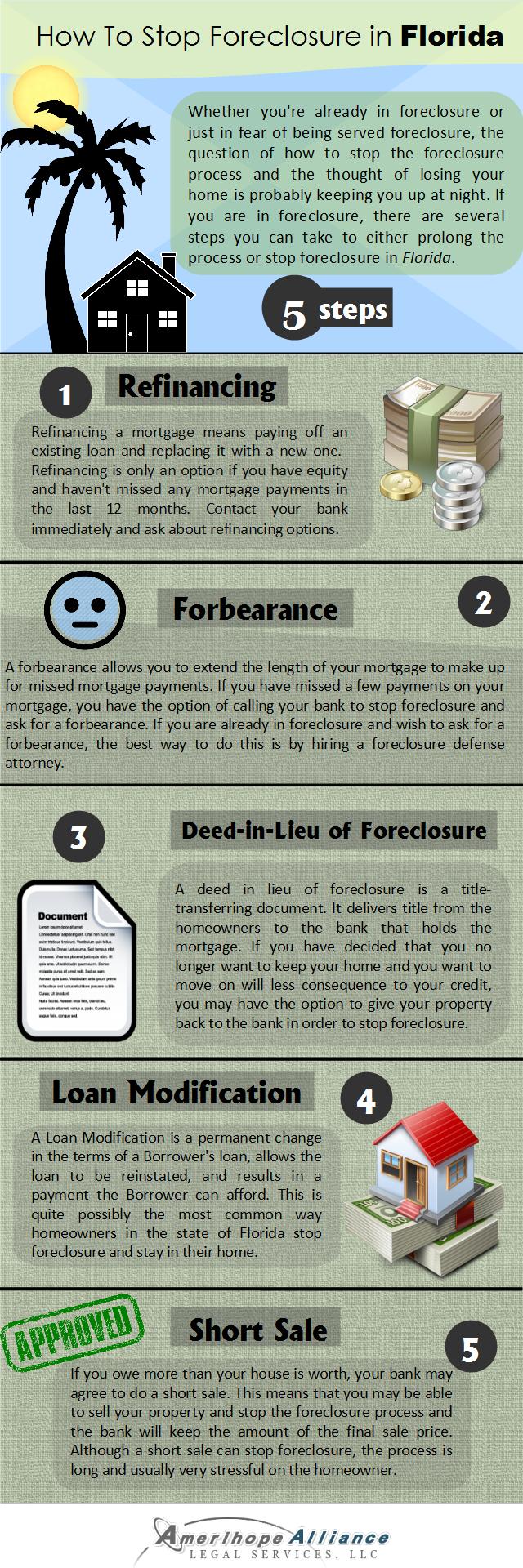
- Communicate with Your Lender: Even if you are behind on payments, contact your lender to discuss potential options like loan modification, repayment plans, or a deed in lieu of foreclosure.
- Explore Short Sale or Deed in Lieu: These alternatives to foreclosure can help you avoid a foreclosure on your credit report, though they still involve losing your home.
- Understand Your Rights: Familiarize yourself with the borrower’s rights under Florida law, including redemption periods and notice requirements.

For Real Estate Investors
For investors interested in Florida real estate, understanding foreclosure timelines is essential for strategic acquisition.
- Track Foreclosure Filings: Keep an eye on public records for new foreclosure filings in your target markets. This can help you identify potential opportunities early in the process.
- Factor in Timeline Uncertainty: Recognize that foreclosure timelines are not exact. Build flexibility into your investment strategy to account for potential delays.
- Consider the “As-Is” Condition: Properties acquired through foreclosure are often sold in “as-is” condition, meaning you will likely need to budget for repairs and renovations.
- Network with Professionals: Build relationships with real estate agents, attorneys, and other professionals who specialize in distressed properties. They can provide valuable insights and access to off-market deals.
- Understand the Foreclosure Sale: Familiarize yourself with the procedures for Florida foreclosure sales, including how bidding works and what happens after a successful bid.
In conclusion, while the precise duration of a foreclosure in Florida is subject to numerous variables, understanding the judicial process, the key stages, and the influencing factors can provide a clearer picture. Whether you are a homeowner seeking to understand your options or an investor looking to capitalize on opportunities, a thorough grasp of these timelines is an invaluable asset.
LifeOutOfTheBox is a participant in the Amazon Services LLC Associates Program, an affiliate advertising program designed to provide a means for sites to earn advertising fees by advertising and linking to Amazon.com. Amazon, the Amazon logo, AmazonSupply, and the AmazonSupply logo are trademarks of Amazon.com, Inc. or its affiliates. As an Amazon Associate we earn affiliate commissions from qualifying purchases.