
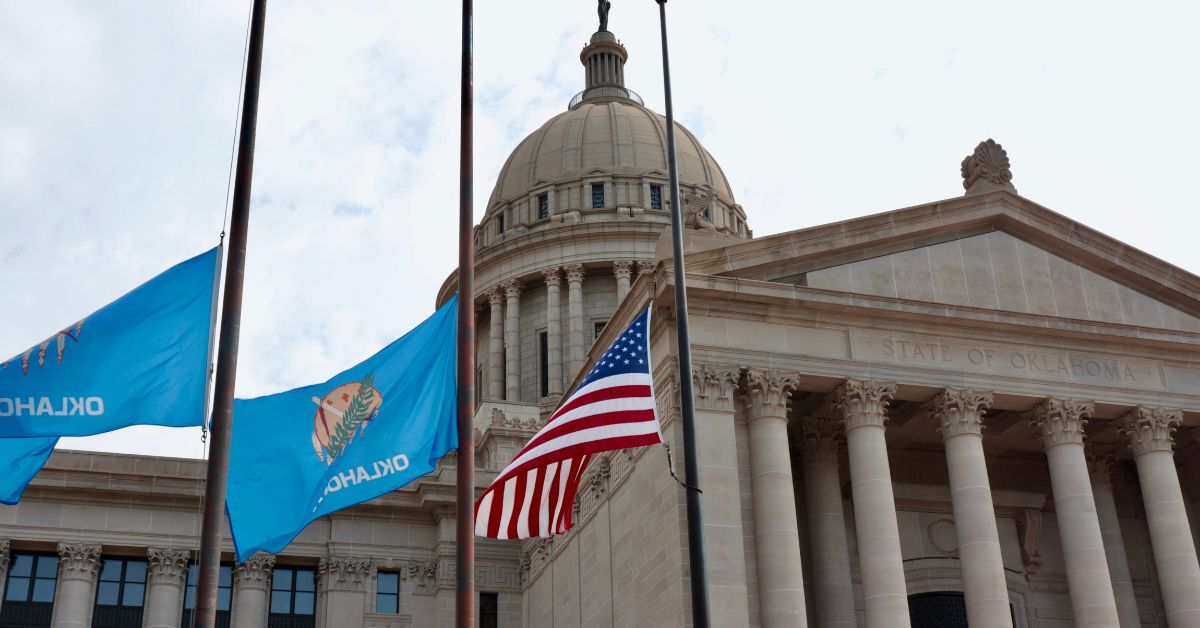
The solemn sight of flags at half-mast is a poignant reminder of loss and remembrance. In Oklahoma, as across the United States, this tradition is observed to honor fallen heroes, significant figures, and national tragedies. While the immediate reason for flags being lowered can vary, understanding the protocol and the occasions that prompt this somber display offers a deeper appreciation for the civic and historical significance of these moments.
Understanding the Protocol of Half-Mast
The practice of lowering a flag to half-mast, also known as half-staff, is a universally recognized gesture of mourning. The specific etiquette dictates that the flag should be lowered from its full-staff position to a point approximately two-thirds of the way up the flagpole. It is crucial to ensure that the flag does not touch the ground, as this is considered disrespectful. When raising the flag to half-mast, it is first hoisted to the peak for a moment before being lowered. Conversely, when lowering it from half-mast, it is first raised to the peak before being brought down.
Official Proclamations and Authority
The decision to fly flags at half-mast is typically made by the President of the United States for national observances or by the Governor of Oklahoma for state-specific events. These proclamations are usually issued in response to specific events or individuals deemed worthy of national or state-level commemoration. For instance, following the death of a former President or a prominent national figure, the President might issue a proclamation ordering flags to be flown at half-mast across the country. Similarly, a state governor might issue such an order to honor a distinguished citizen of their state, a fallen soldier from that state, or in remembrance of a tragic event that impacted the state.
Federal and State Regulations
The U.S. Flag Code provides guidelines for the display and respect of the flag. While it doesn’t mandate specific days for half-staff, it outlines the authority for such proclamations. Federal law permits the President to order flags flown at half-staff for specified periods. State governments often mirror these federal protocols, with governors having the discretion to order flags at state facilities lowered for reasons they deem appropriate for their state. This often includes honoring state officials, victims of major state disasters, or fallen state service members.
Occasions for Flags to Be at Half-Mast
The reasons for flags being flown at half-mast are diverse, ranging from honoring fallen leaders and heroes to commemorating tragic events and significant anniversaries. In Oklahoma, these observances connect the state to national sentiments while also reflecting its unique history and values.
Honoring National Leaders and Figures
One of the most common reasons for flags to be at half-mast is the death of a current or former President, Vice President, Supreme Court Chief Justice, Speaker of the House, or other high-ranking federal officials. This tradition extends to significant national figures whose contributions have profoundly impacted the nation. The period for flying flags at half-mast following such deaths is usually specified in the presidential proclamation, often lasting for 30 days after the death of a President or former President, 10 days after the death of a Vice President, Speaker of the House, or Chief Justice, and from the day of death until interment for other officials.
Commemorating Military and Public Service
Flags are also lowered to honor fallen members of the armed forces, law enforcement officers, firefighters, and other public servants who have made the ultimate sacrifice in the line of duty. This is a deeply ingrained tradition in American culture, recognizing the bravery and selflessness of those who protect and serve. Specific days, such as Peace Officers Memorial Day and Fallen Firefighters Memorial Day, are dedicated to such remembrances, and flags are often flown at half-mast on these occasions. In Oklahoma, this includes honoring the bravery of the Oklahoma Highway Patrol or local police departments who have lost officers.
Remembering National Tragedies and Anniversaries
Significant national tragedies, such as the attacks of September 11, 2001, and acts of domestic terrorism, also prompt flags to be flown at half-mast. These periods of mourning serve as collective moments of remembrance, solidarity, and resolve. Specific anniversaries of major historical events, like Memorial Day, also involve flags being flown at half-mast until noon as a solemn tribute to those who died in service. The Oklahoma City National Memorial & Museum stands as a powerful testament to a national tragedy that deeply affected Oklahoma and the nation.

Specific Considerations for Oklahoma
While federal proclamations often dictate nationwide flag observances, Oklahoma has its own context and reasons for flying flags at half-mast. These can include honoring state-specific heroes, acknowledging significant state events, or expressing solidarity with national sentiments.
Honoring Oklahoma’s Own
The Governor of Oklahoma may issue proclamations to honor distinguished Oklahomans, such as former governors, esteemed artists, or influential community leaders, upon their passing. This practice allows the state to pay tribute to its own citizens whose lives and contributions have left a lasting impact on the state’s identity and progress. It also extends to recognizing fallen service members from Oklahoma, ensuring their sacrifices are honored by their home state.
State-Specific Tragedies and Commemorations
Oklahoma has experienced its own share of significant events that have led to flags being flown at half-mast. The most profound example is the Oklahoma City bombing in 1995, a national tragedy that had a devastating impact on the state. Anniversaries of such events are often marked by periods of mourning, with flags lowered as a sign of respect and remembrance for the lives lost and the community’s resilience.
Aligning with National Sentiments
On occasions of national mourning, Oklahoma will invariably align with federal directives. When the President orders flags flown at half-mast across the nation, state agencies, public buildings, and often private citizens in Oklahoma will follow suit. This shared observance reinforces a sense of national unity and collective grief or respect during times of national significance.
How to Stay Informed About Flag Status in Oklahoma
Staying informed about why flags are at half-mast in Oklahoma requires awareness of official communications and news sources. These observances are not random; they are deliberate acts of remembrance and respect.
Official Government Channels
The most reliable sources of information are the official websites and social media channels of the Governor of Oklahoma, the Oklahoma Secretary of State, and federal agencies like the Department of Defense. Proclamations are typically published through these channels, detailing the reason and duration for the flag being lowered.
Media and News Outlets
Local news stations, newspapers, and reputable online news sources in Oklahoma are also essential for disseminating this information to the public. They will report on official proclamations and provide context for the observances. Many national news outlets will also cover widespread federal half-staff directives.
Understanding the Significance
Recognizing that flags are at half-mast is more than just noticing a visual cue. It is an invitation to pause, reflect, and acknowledge the individuals, events, or principles being honored. Whether it’s a tribute to a fallen hero, a commemoration of a national tragedy, or a mark of respect for a departed leader, the lowered flag serves as a potent symbol of shared values and collective memory within Oklahoma and across the United States. Understanding the reasons behind this practice enriches our connection to the history and the people who shape our nation and our state.
LifeOutOfTheBox is a participant in the Amazon Services LLC Associates Program, an affiliate advertising program designed to provide a means for sites to earn advertising fees by advertising and linking to Amazon.com. Amazon, the Amazon logo, AmazonSupply, and the AmazonSupply logo are trademarks of Amazon.com, Inc. or its affiliates. As an Amazon Associate we earn affiliate commissions from qualifying purchases.