
Understanding the various classifications of driver’s licenses in Texas is crucial for anyone operating a commercial vehicle or engaging in specific driving-related activities within the state. While many individuals are familiar with the standard Class A, B, and C licenses, the distinction and purpose of each are often less clear. This article delves into the specifics of a Texas Class C driver’s license, its requirements, and what types of vehicles it permits you to operate.
Defining The Class C Driver’s License
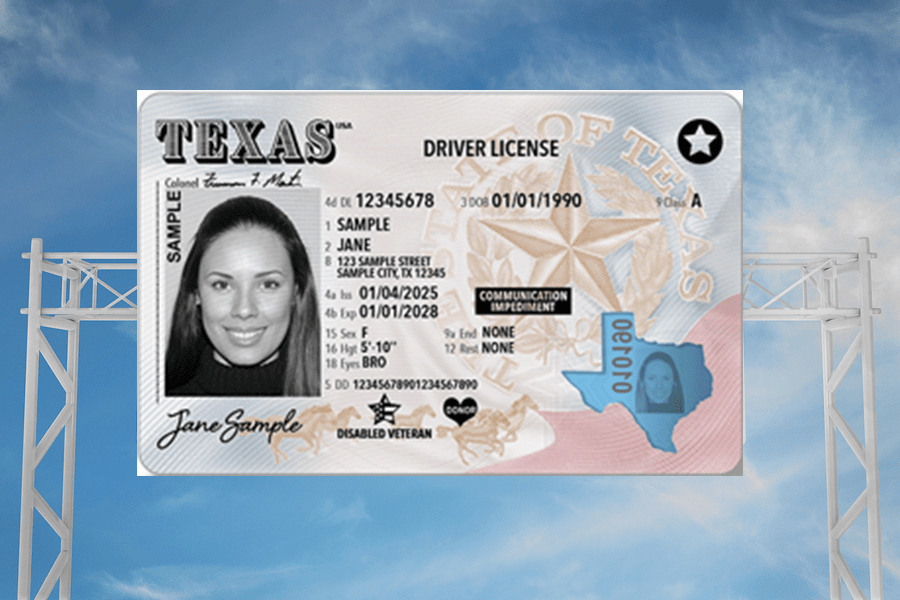
In Texas, a Class C driver’s license is the standard license issued to most drivers for operating typical passenger vehicles. Unlike commercial driver’s licenses (CDLs) such as Class A, B, or C (which have specific commercial designations), the civilian Class C license is designed for everyday transportation needs.

The key differentiating factor for commercial licenses is the Gross Vehicle Weight Rating (GVWR) and the type of vehicle or its intended use. A civilian Class C license is for vehicles that do not meet the criteria for a commercial driver’s license. This means it covers the vast majority of personal vehicles on the road, including:
- Passenger Cars: Standard sedans, coupes, and hatchbacks.
- Pickup Trucks and SUVs: Vehicles with a GVWR of less than 26,001 pounds.
- Vans: Passenger vans and cargo vans not exceeding the weight limit.
- Motorcycles: With the appropriate endorsement.
- Recreational Vehicles (RVs): Unless they exceed certain weight or length restrictions that would necessitate a commercial classification.
Essentially, if you are driving a vehicle for personal use that doesn’t fall under the specific definitions of commercial vehicles requiring a CDL, your standard Class C license is what you need. It is the foundational license that allows individuals to legally operate most common modes of personal transportation.
Requirements For Obtaining A Class C License In Texas
The process of obtaining a Class C driver’s license in Texas involves meeting several eligibility criteria and successfully passing a series of tests administered by the Texas Department of Public Safety (DPS).
Eligibility Criteria
Before you can even begin the testing process, you must meet the following fundamental requirements:
- Age: Applicants must be at least 16 years old to obtain a provisional driver’s license. To get a provisional license without a learner’s permit, you must be 18 years old. For those under 18, a learner’s permit is mandatory, and specific holding periods and restrictions apply.
- Residency: You must be a legal resident of Texas. Proof of residency, such as utility bills or a lease agreement, will be required.
- Identity and Social Security: You will need to provide valid proof of identity, such as a birth certificate or passport, and your Social Security card.
- Legal Presence: Documentation proving your legal presence in the United States is also necessary.
- Vision Test: You must pass a vision screening to ensure you can see adequately to operate a vehicle safely.
- Knowledge Test: A written or computerized test assessing your understanding of Texas traffic laws, road signs, and safe driving practices.
- Driving Test: A practical road test demonstrating your ability to safely operate a vehicle in various traffic conditions.
The Provisional License (Under 18)
For applicants under the age of 18, Texas has a graduated driver’s license program designed to provide new drivers with experience in stages.
- Learner’s Permit (Instruction Permit): At 15 years old, you can obtain a learner’s permit. This requires passing the vision and knowledge tests. While holding a learner’s permit, you must be accompanied by a licensed driver who is at least 21 years old and seated in the front passenger seat. A minimum of 30 hours of supervised driving practice, including 10 hours at night, is required.
- Provisional License: At 16 years old, after holding a learner’s permit for at least six months and completing the required supervised driving, you can apply for a provisional license. This license comes with certain restrictions, such as limitations on driving between midnight and 5 a.m. (unless for school, work, or a medical emergency) and restrictions on the number of passengers under 21 years old.
Full Class C License (18 and Over)
Individuals 18 years of age or older can apply for a full Class C driver’s license. The process is more direct, requiring successful completion of the vision, knowledge, and driving tests. While there are no age-based restrictions like those on provisional licenses, responsible driving habits and adherence to all traffic laws remain paramount.
Distinguishing Class C From Commercial Driver’s Licenses (CDLs)
It is essential to differentiate the civilian Class C license from a Commercial Driver’s License (CDL) Class C, as their purposes and requirements are vastly different. While both might use the “C” designation, their implications for vehicle operation are distinct.
Commercial Driver’s Licenses (CDLs)

CDLs are specifically for individuals who intend to drive commercial motor vehicles (CMVs). These vehicles are generally larger, heavier, or designed to transport hazardous materials or a significant number of passengers. The Texas CDL classifications are as follows:
- Class A CDL: For vehicles with a Gross Combination Weight Rating (GCWR) of 26,001 pounds or more, where the towed unit has a GVWR of more than 10,000 pounds. This typically includes tractor-trailers and truck-and-trailer combinations.
- Class B CDL: For a single vehicle with a GVWR of 26,001 pounds or more, or a vehicle towing a unit with a GVWR of 10,000 pounds or less. Examples include straight trucks, buses, and dump trucks.
- Class C CDL: For vehicles that do not meet the definitions of Class A or Class B vehicles but are designed to transport 16 or more occupants (including the driver), or are placarded for carrying hazardous materials. This can include smaller buses, large vans carrying passengers, or vehicles transporting specific hazardous goods.
Key Differences
The fundamental differences between a civilian Class C license and a CDL Class C lie in the type of vehicle operated and the associated responsibilities.
- Vehicle Type: A civilian Class C license is for standard, non-commercial vehicles. A CDL Class C is for specific commercial purposes involving passenger transport or hazardous materials, even if the vehicle’s weight rating is lower than a Class B truck.
- Testing Rigor: Obtaining a CDL involves significantly more rigorous testing than a civilian license. This includes specialized knowledge tests, skills tests on specific commercial vehicles, and medical examinations.
- Endorsements: CDLs often require additional endorsements for specific types of driving, such as passenger endorsements (P), school bus endorsements (S), or hazardous materials endorsements (H).
- Federal Regulations: CDL drivers are subject to federal regulations, including hours of service limitations, drug and alcohol testing, and medical certifications, to ensure public safety on a larger scale.
Therefore, while a civilian Class C license is for driving your everyday car, a CDL Class C is for commercial operations with specific safety implications, requiring a more stringent licensing process.
Special Considerations And Endorsements For Class C Licenses
While the Class C license is straightforward for most passenger vehicle operators, certain situations and vehicle types may require additional endorsements or adherence to specific rules. These ensure that drivers are adequately prepared and licensed for the particular demands of operating certain vehicles or transporting specific cargo.
Motorcycle Endorsement
If you intend to operate a motorcycle, scooter, or moped in Texas, your Class C license will need a motorcycle endorsement. To obtain this, you must:
- Be at least 16 years old.
- Complete an approved Texas Motorcycle Operator Training Course (MOTC).
- Pass the motorcycle knowledge test.
- Pass the motorcycle skills test (or have a waiver from completing the MOTC successfully).
This endorsement signifies that you have met the specific requirements for safe motorcycle operation, which differs significantly from driving a four-wheeled vehicle.
Recreational Vehicle (RV) Operation
Many individuals enjoy traveling in recreational vehicles. For most standard RVs, a Class C license is sufficient. However, there are exceptions:
- Weight Limits: If the GVWR of the RV exceeds 26,001 pounds, or if the towed unit’s GVWR exceeds 10,000 pounds, it may require a Class A or Class B CDL, depending on the configuration.
- Passenger Capacity: RVs designed to carry 16 or more occupants (including the driver) would also necessitate a CDL Class C, even if the weight rating is lower.
It is crucial for RV owners to verify the GVWR of their vehicle and any towed units to ensure they are operating legally with the appropriate license. Many Class C licenses are sufficient for typical motorhomes and travel trailers used for personal travel.
Driving In Other States
A Texas Class C driver’s license is recognized nationwide. This means you can legally drive passenger vehicles in any other U.S. state with your Texas license. The requirements for obtaining a license are generally consistent across states, and reciprocity agreements ensure that your Texas license is valid for personal travel and operation of non-commercial vehicles.
However, if you plan to establish residency in another state, you will be required to obtain a driver’s license from that new state within a specified timeframe. The licensing procedures and specific rules might vary slightly, so it’s always advisable to check the Department of Motor Vehicles (DMV) or equivalent agency in the new state for their requirements.
In summary, the Class C driver’s license in Texas is the standard license for most personal vehicle operators. Understanding its scope, the requirements for obtaining it, and how it differs from commercial licenses is vital for all drivers. Whether you are a new driver navigating the graduated licensing system or an experienced motorist, staying informed ensures safe and legal operation of your vehicle.
LifeOutOfTheBox is a participant in the Amazon Services LLC Associates Program, an affiliate advertising program designed to provide a means for sites to earn advertising fees by advertising and linking to Amazon.com. Amazon, the Amazon logo, AmazonSupply, and the AmazonSupply logo are trademarks of Amazon.com, Inc. or its affiliates. As an Amazon Associate we earn affiliate commissions from qualifying purchases.