
Understanding the Symbolism of a Half-Mast Flag
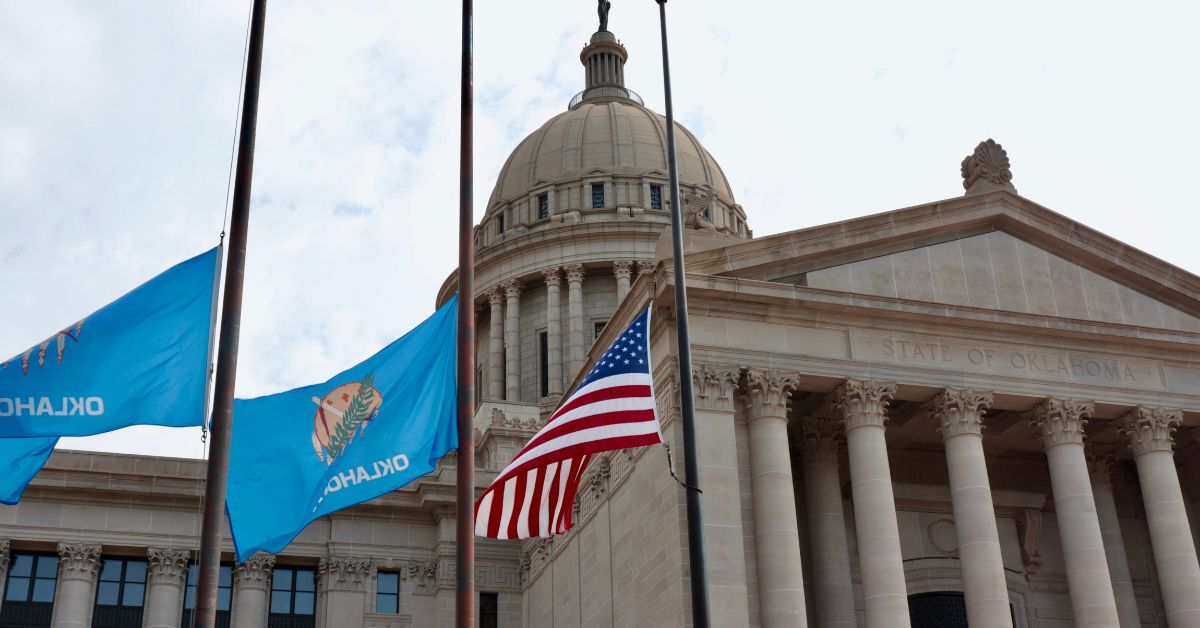
The sight of a flag lowered to half its usual height is a universally recognized symbol of mourning and remembrance. This somber practice, known as flying a flag at half-mast, is employed to honor individuals or commemorate significant events that have deeply impacted a community, state, or nation. In Oklahoma, as in many other places, this tradition serves as a visible and poignant reminder of loss and respect. The decision to lower a flag is not taken lightly; it typically follows official directives from governmental bodies, such as the governor’s office or the president, indicating the gravity of the occasion. The act itself is a profound statement, a collective expression of sorrow and solidarity. It allows citizens to pause and reflect, acknowledging the sacrifices made or the lives lost, and to offer a silent tribute. The specific protocols for lowering and raising the flag are often steeped in tradition and etiquette, ensuring that the gesture is performed with the utmost decorum and reverence. This shared visual cue fosters a sense of unity during times of national or state-wide grief, reinforcing the idea that the impact of loss is felt by all.
The Mechanics of Half-Mast Protocol
The precise method of lowering a flag to half-mast is as important as the act itself. It’s a deliberate process designed to convey respect. To properly fly a flag at half-mast, it must first be raised to the peak of the flagpole for an instant before being lowered to a position halfway between the top and bottom of the pole. This initial raising signifies that the flag is not being flown in defeat or dishonor, but rather as a deliberate act of mourning. When the flag is to be returned to full-mast, it is again raised to the peak for an instant before being lowered. These steps are crucial in maintaining the flag’s symbolic integrity and ensuring that the act of mourning is properly conveyed. While general guidelines exist, specific regulations can vary by jurisdiction, often detailed in state statutes or federal law. For instance, the U.S. Flag Code provides guidelines for the display of the national flag, including directives on when and how to fly it at half-mast. The intentionality behind these protocols underscores the deep respect afforded to those being honored.
Who Decides When Flags Fly at Half-Mast?
The authority to order flags to be flown at half-mast typically rests with high-ranking officials. In Oklahoma, this power usually lies with the Governor. The Governor has the prerogative to issue proclamations directing state agencies and public buildings to lower their flags. Similarly, the President of the United States can issue similar orders for federal buildings and properties nationwide, and these directives are often followed by state and local governments as well. These decisions are usually triggered by the death of prominent figures, such as former presidents, vice presidents, Supreme Court justices, or distinguished military personnel. They can also be enacted to commemorate significant national tragedies, acts of heroism, or solemn anniversaries that call for a period of reflection and remembrance. The process involves careful consideration of the individual or event’s significance and its impact on the collective consciousness.
Common Reasons for Flags Flying at Half-Mast in Oklahoma
The decision to fly flags at half-mast in Oklahoma is invariably tied to specific events or individuals deserving of national or statewide recognition and mourning. These occasions serve as powerful reminders of the shared values and collective memory that bind a community. While the exact reasons can be varied and sometimes deeply personal to the state, certain patterns emerge that are common across many jurisdictions. Understanding these triggers provides insight into what Oklahomans, and indeed many Americans, hold in high regard and how they choose to express their collective grief and respect.
Honoring Fallen Service Members and Veterans
One of the most frequent and deeply felt reasons for flags flying at half-mast is to honor the members of the armed forces who have made the ultimate sacrifice. This includes active-duty personnel lost in combat or in the line of duty, as well as honoring deceased veterans, particularly around significant dates like Memorial Day. The lowering of the flag serves as a solemn tribute to their courage, dedication, and the profound debt owed for their service and sacrifice. It is a moment for the nation and its states to pause and remember those who have defended its freedoms, often at great personal cost. This practice extends beyond active service to encompass the remembrance of all those who have served, acknowledging their contributions to the nation’s security and its enduring principles.
Commemorating Public Figures and Leaders

The passing of influential public figures often prompts the lowering of flags. This can include former governors, state legislators, prominent judges, or other individuals who have held significant positions of leadership and have made substantial contributions to the state of Oklahoma or the United States. Their loss is seen as a significant moment for the community, and the flag at half-mast is a way to visibly express collective sorrow and respect for their service and impact. This tradition acknowledges the void left by their departure and honors the legacy they leave behind, inspiring future generations of leaders and public servants.
Remembering Victims of Tragedies and Disasters
In times of profound tragedy, such as mass shootings, natural disasters, or other significant loss of life, flags are often ordered to half-mast. These events, which can shake the very foundations of a community, necessitate a period of national or state-wide mourning. The flag serves as a silent, visible symbol of solidarity with the victims and their families, and a collective expression of grief. Such observances are crucial in the healing process, allowing communities to come together and acknowledge their shared pain while demonstrating resilience and mutual support. The Oklahoma City National Memorial & Museum, for instance, stands as a powerful testament to such remembrance, though the act of flying flags at half-mast directly relates to the immediate aftermath and ongoing commemoration of such events.
Special Observances and Anniversaries
Certain national or state-specific observances and anniversaries may also call for flags to be flown at half-mast. These might include days dedicated to remembering historical events, honoring specific groups, or marking significant milestones. While not always directly related to mourning a specific death, these occasions can still evoke a sense of solemnity and reflection that is appropriately represented by a lowered flag. For example, the anniversary of a particularly devastating event might see flags lowered as a gesture of remembrance and a commitment to never forget. These observances help to reinforce the historical consciousness of a state and its citizens, ensuring that important lessons from the past are not forgotten.
Navigating the Emotional Landscape of Half-Mast Days in Oklahoma
Observing flags at half-mast in Oklahoma invites a moment of reflection, prompting citizens to consider the weight of the occasion. These days are not merely administrative directives; they are invitations to engage with a shared emotional landscape, to acknowledge loss, and to honor those who have shaped the state’s history and identity. Understanding the context behind these somber displays can deepen one’s appreciation for the collective experience of mourning and remembrance, fostering a more profound connection to the community and its values.
The Role of Flags in Public Grief
Flags have long served as powerful symbols in public life, representing nations, states, and communities. When flown at half-mast, they transform into potent emblems of collective sorrow. This visual cue transcends spoken words, communicating a universal message of grief and respect. For residents of Oklahoma, seeing the flags lowered can evoke a sense of shared experience, reminding them that they are part of a larger community united in its mourning. It’s a tangible manifestation of empathy, allowing individuals to feel connected to a broader emotional narrative, even if they don’t know the specific details of the event or individual being honored. This shared visual language is crucial for national and state cohesion during challenging times.
How Citizens Can Participate in Observance
While the directive to fly flags at half-mast originates from official channels, individual citizens can also participate in observing these moments of remembrance. This might involve taking a moment to reflect on the meaning of the lowered flag, perhaps by learning about the reason behind the observance. For those who have personal connections to the individual or event being honored, the sight of the flag can be a deeply personal reminder. Additionally, some communities may organize memorial services or moments of silence that the public can attend. Even a simple act of acknowledging the flag’s lowered position with a moment of quiet contemplation contributes to the collective expression of respect and sorrow.

The Enduring Significance of These Traditions
The tradition of flying flags at half-mast, though a simple act, carries enduring significance. It speaks to a society’s capacity for empathy, its respect for sacrifice, and its commitment to remembering its history, both its triumphs and its tragedies. In Oklahoma, these observances reinforce the state’s connection to broader American traditions of honor and remembrance. They serve as a reminder that even in everyday life, there are moments that call for a pause, a collective breath, and a united acknowledgment of the values that bind us. As the flag is eventually raised back to full-mast, it symbolizes the resilience of the human spirit and the ongoing journey of remembrance and healing. These traditions ensure that the lessons learned and the individuals honored are not forgotten, shaping a more informed and compassionate future.
LifeOutOfTheBox is a participant in the Amazon Services LLC Associates Program, an affiliate advertising program designed to provide a means for sites to earn advertising fees by advertising and linking to Amazon.com. Amazon, the Amazon logo, AmazonSupply, and the AmazonSupply logo are trademarks of Amazon.com, Inc. or its affiliates. As an Amazon Associate we earn affiliate commissions from qualifying purchases.