
Navigating the intricacies of state laws can feel like deciphering a foreign language, especially when those laws pertain to everyday technology like cell phones. For travelers and residents alike in the Golden State, understanding California’s cell phone laws is not just about compliance; it’s about ensuring safety on the road and maintaining responsible digital citizenship. These regulations, primarily focused on preventing distracted driving, are designed to protect everyone who shares the highways and byways of California. This article delves into the specifics of California’s cell phone laws, offering clarity for those planning a trip or residing within its diverse landscapes, from the bustling streets of Los Angeles to the scenic beauty of Big Sur.
The Core of California’s Cell Phone Legislation: Hands-Free Driving
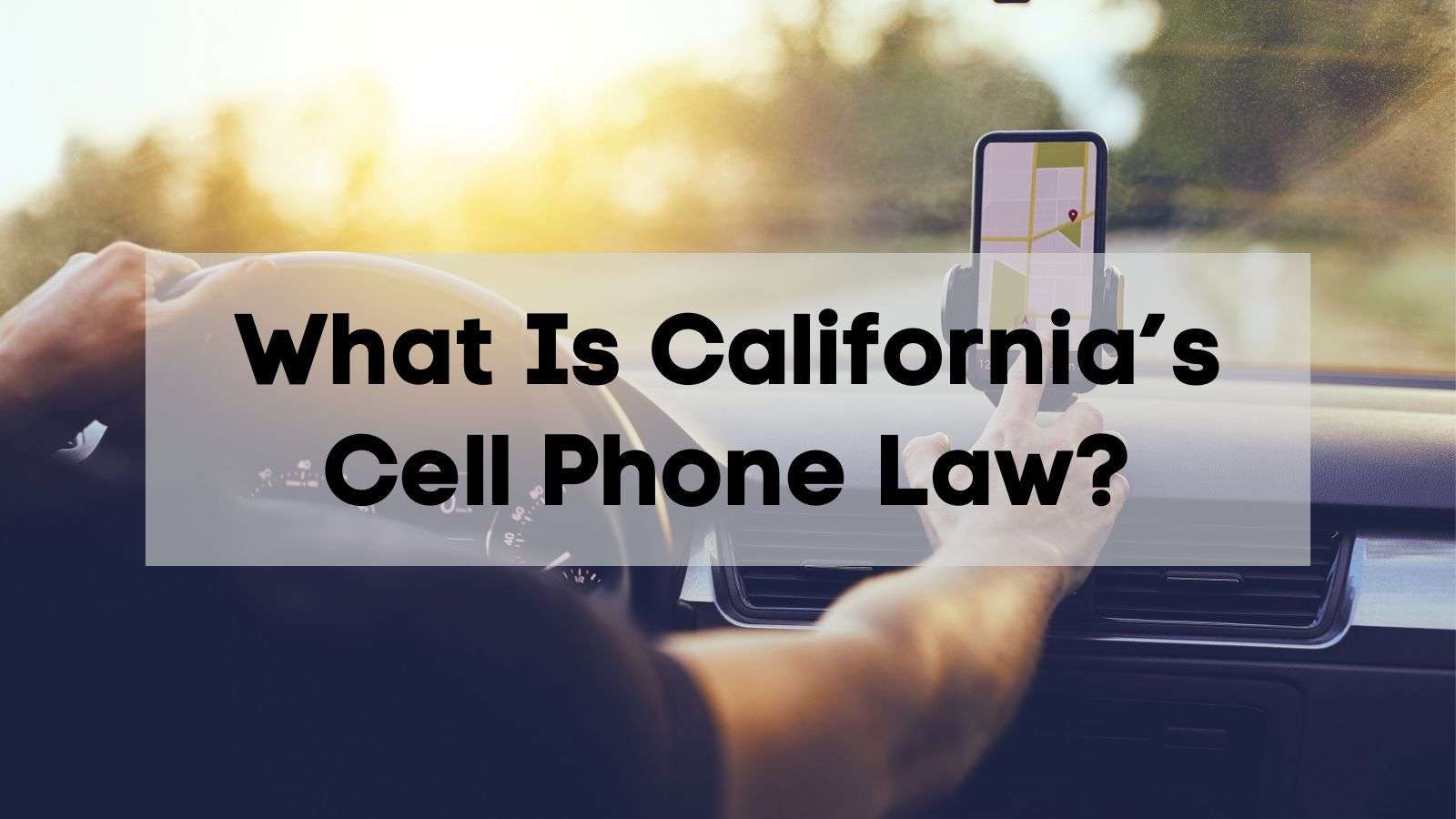
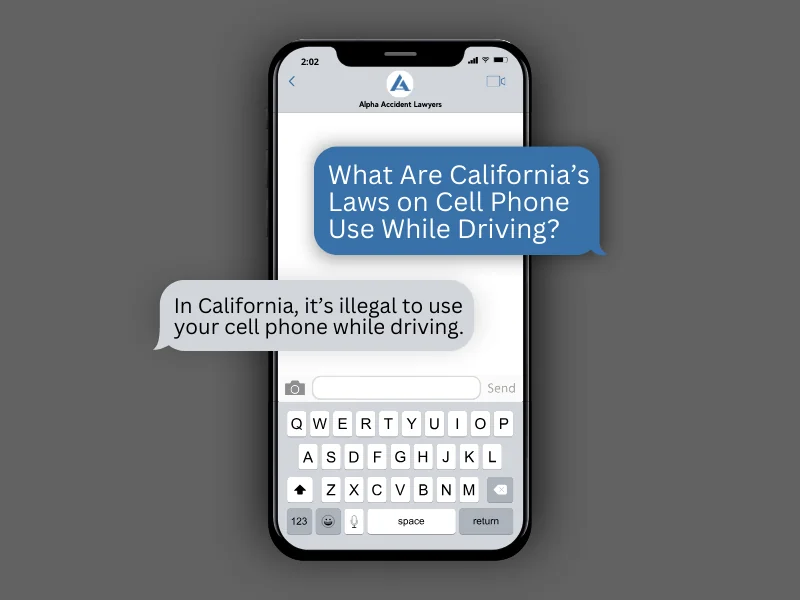
At the heart of California’s cell phone law for drivers is the mandate for hands-free operation. This means that when you are behind the wheel of a vehicle, you are generally prohibited from holding your cell phone to initiate, receive, or send text messages, or to engage in phone conversations. The objective is singular: to keep your hands on the steering wheel and your attention focused on the road, thereby mitigating the risks associated with distracted driving. This law applies to all drivers, regardless of age, and encompasses all types of handheld wireless devices.
Understanding “Handheld” and “Hands-Free”
The distinction between “handheld” and “hands-free” is crucial. A handheld device is one that requires the driver to physically hold it with their hand. This includes using the phone for calls, texting, or any other function while holding it. A hands-free device, conversely, allows for operation without the need for manual interaction. This can be achieved through technologies like Bluetooth, car-integrated systems, or voice-activated features.
- Prohibited Actions:
- Holding the phone to your ear while talking.
- Typing text messages or emails.
- Browsing the internet.
- Using navigation apps that require manual input or frequent visual attention.
- Permitted Actions (with caveats):
- Using a cell phone for voice-activated navigation, provided it is set up before driving and does not require manual interaction while in motion.
- Making or receiving calls using a hands-free device.
- Calling emergency services (911, 112, etc.) is generally permitted, even if it requires momentarily holding the phone, though it’s always best to pull over if possible.
The emphasis on hands-free operation is a critical component of California’s strategy to enhance road safety. Drivers are encouraged to utilize the full capabilities of their in-car infotainment systems or dedicated hands-free devices to manage communication and navigation needs while maintaining focus on the driving task. This is particularly relevant for tourists exploring new areas, where the temptation to rely heavily on phone navigation might be high. It’s advisable for visitors to familiarize themselves with their vehicle’s hands-free systems or pre-program GPS devices before embarking on their journeys across the state, from the vineyards of Napa Valley to the beaches of San Diego.
Texting and Driving: A Zero-Tolerance Policy
California’s stance on texting while driving is particularly stringent. The law explicitly prohibits any handheld use of a wireless device for the purpose of composing, sending, or reading electronic messages. This includes text messages, instant messages, emails, and any other form of electronic communication. This prohibition is absolute and carries significant penalties.
The Evolution of Texting Laws
California was one of the pioneering states to enact a ban on texting while driving. The initial legislation aimed to curb this specific dangerous behavior, recognizing the profound distraction it imposes. Over time, the law has been reinforced and clarified to encompass a broader spectrum of electronic communication and to emphasize the hands-free requirement for all wireless device usage while driving.
The rationale behind this strict policy is grounded in extensive research highlighting the dangers of distracted driving. Studies have shown that texting can increase a driver’s reaction time by as much as 400%, making them as impaired as a driver with a blood alcohol content of 0.08%. In the context of a road trip or a business visit to a city like San Francisco, where traffic can be dense and unpredictable, this level of impairment is exceptionally dangerous. Drivers are urged to pull over to a safe location if they need to send or read a message.
Distinguishing Between Drivers: Novice and Commercial
While the general cell phone laws apply to all drivers, California has specific provisions for certain categories of drivers, notably novice drivers and commercial drivers. These additional regulations are designed to enhance safety further within these potentially more vulnerable or impactful groups.
Novice Drivers: The Graduated Driver Licensing (GDL) Program
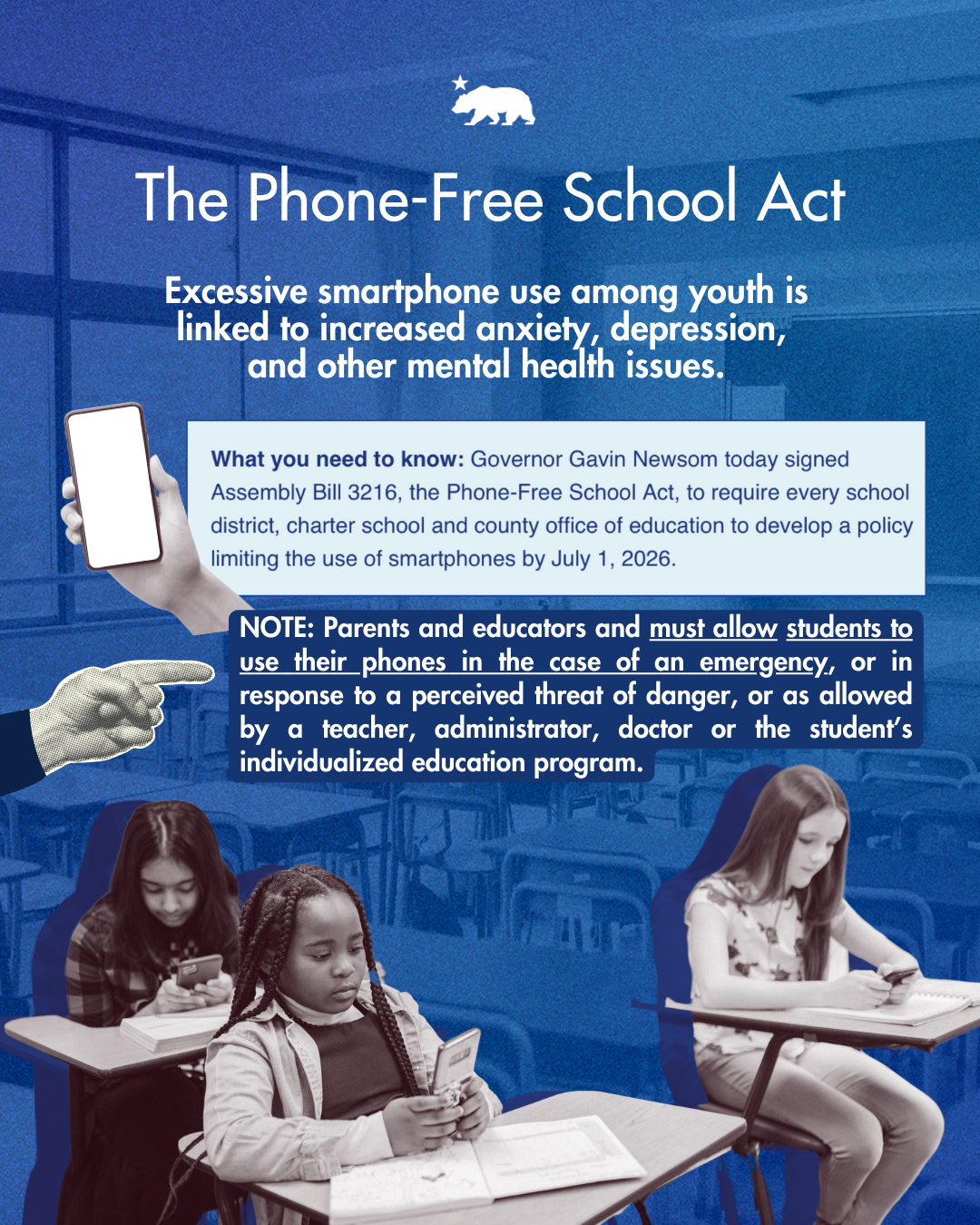
California’s Graduated Driver Licensing (GDL) program imposes stricter rules on young and inexperienced drivers. Under this program, novice drivers, typically those under 18, are prohibited from using wireless communication devices of any kind, including hands-free devices, while driving. This means they cannot make or receive calls, send texts, or use any other function on a cell phone, even if it is set up for hands-free operation. The GDL program is structured to allow new drivers to gain experience in low-risk environments before gradually introducing them to more complex driving situations. This measure is crucial in protecting young drivers as they develop essential driving skills and judgment, whether they are commuting to school in a suburban area or exploring attractions in a smaller town like Monterey.
Commercial Drivers: Enhanced Restrictions
Commercial drivers, who operate large vehicles such as trucks and buses, are subject to enhanced restrictions regarding cell phone use. In addition to the general prohibition against handheld cell phone use, commercial drivers are also prohibited from using hands-free mobile devices while operating their vehicles. This means that for commercial drivers, any use of a wireless device while on duty and driving is forbidden. The rationale behind this stricter rule is the increased risk and potential for catastrophic consequences associated with accidents involving large commercial vehicles. The safety of the public, as well as the commercial driver, is paramount, and these regulations aim to ensure that these drivers maintain undivided attention to the road. This is particularly relevant on long-haul routes connecting major cities like Sacramento and Las Vegas (though Nevada has its own set of laws, the principle of enhanced restriction for commercial drivers is a common theme).
Penalties for Violations
Failing to comply with California’s cell phone laws can result in a range of penalties. These penalties are designed to serve as a deterrent and to reinforce the importance of safe driving practices.
Fines and Points on Driving Records
The primary penalties for violating California’s cell phone laws include fines and points assessed against a driver’s record. A conviction for using a handheld cell phone while driving typically results in a fine. Furthermore, a conviction will add a point to the driver’s record. Accumulating too many points on a driving record can lead to increased insurance premiums, license suspension, or even revocation.
For novice drivers, the penalties can be even more severe. A violation of the GDL program’s restrictions on wireless device use can result in extended license restrictions or suspension. These measures are in place to ensure that young drivers develop safe habits from the outset of their driving experience.
Insurance Implications
Beyond the direct penalties from the courts, a conviction for a cell phone violation can also have significant implications for a driver’s insurance rates. Insurance companies view moving violations as indicators of higher risk. Therefore, drivers with convictions for distracted driving may experience an increase in their insurance premiums. This can be a substantial financial consequence, underscoring the importance of adhering to the law, especially for those who rely on their vehicles for work or frequent travel across the state, perhaps for events at the Anaheim Convention Center or business meetings in Silicon Valley.
Beyond the Law: Embracing Safe Driving Practices
While understanding the legal statutes is essential, cultivating a mindset of safe driving goes beyond mere compliance. California’s cell phone laws are a framework, but the ultimate responsibility for road safety lies with each individual driver. This involves making conscious choices to minimize distractions, regardless of whether a law is in place.
Strategies for Minimizing Distraction
- Set Up Before You Drive: Before putting your vehicle in motion, take a moment to set up your navigation system, adjust your music, and ensure your phone is in a convenient, hands-free accessible location.
- Pull Over for Calls or Texts: If a call or message is urgent, find a safe place to pull over before engaging with your device. Many rest stops and scenic overlooks along routes like the Pacific Coast Highway offer opportunities to do this.
- Educate Passengers: Encourage passengers to help manage your phone use by taking calls, responding to texts, or managing navigation.
- Silence Notifications: Turn off audible notifications for emails, social media, and other non-urgent alerts. The constant pings can be a significant temptation.
- Lead by Example: For parents and guardians, demonstrating safe driving habits is the most effective way to teach young drivers the importance of focus on the road.
The Broader Impact on Tourism and Travel
For visitors to California, understanding these laws is not just a legal requirement but also a way to ensure a safer and more enjoyable travel experience. Driving through diverse terrains, from the deserts of Joshua Tree National Park to the mountains surrounding Lake Tahoe, requires full attention. Respecting California’s cell phone laws contributes to the overall safety of its roads, benefiting both residents and the millions of tourists who explore its attractions each year. By prioritizing safety, travelers can fully immerse themselves in the experiences California has to offer, from the theme parks of Southern California to the cultural hubs of Northern California.
LifeOutOfTheBox is a participant in the Amazon Services LLC Associates Program, an affiliate advertising program designed to provide a means for sites to earn advertising fees by advertising and linking to Amazon.com. Amazon, the Amazon logo, AmazonSupply, and the AmazonSupply logo are trademarks of Amazon.com, Inc. or its affiliates. As an Amazon Associate we earn affiliate commissions from qualifying purchases.