
Navigating the scenic byways and bustling city streets of Oregon offers a distinctly American travel experience. From the rugged Oregon Coast to the vibrant culture of Portland and the high desert landscapes of Central Oregon, drivers have much to explore. For many travelers, a radar detector is an indispensable tool for ensuring a smooth and compliant journey, offering peace of mind against unexpected speed checks. However, the legality of these devices can vary significantly from state to state, and understanding the specific regulations in Oregon is crucial for any visitor or resident. This guide delves into the legal status of radar detectors in the Beaver State, providing clarity and helping you plan your travels with confidence.

Understanding Radar Detectors and Their Purpose
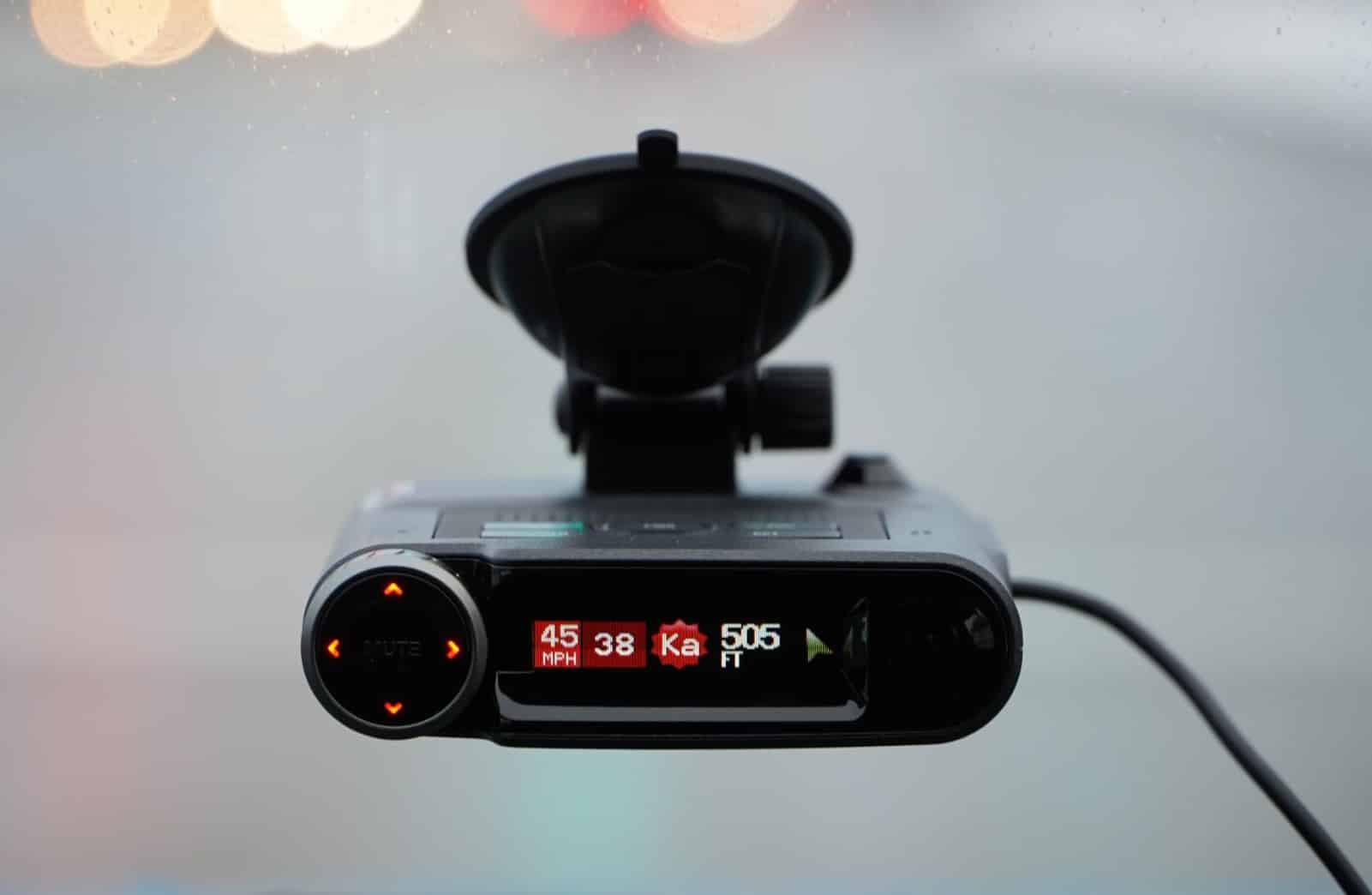
Radar detectors are electronic devices designed to alert drivers when their vehicle is being targeted by police radar or lidar speed guns. They function by scanning for the specific radio frequencies or laser light used by these law enforcement instruments. When a signal is detected, the device typically emits an audible or visual alert, giving the driver an opportunity to adjust their speed if necessary.
How Radar Detectors Work
The technology behind radar detectors is based on the principle of radio wave reception. Police radar guns emit a beam of radio waves that bounce off a moving vehicle. By measuring the Doppler shift in the returned waves, the device can calculate the vehicle’s speed. Radar detectors are sensitive receivers tuned to these specific frequencies. Similarly, lidar guns use pulsed laser light, and detectors designed for them employ optical sensors to identify these light pulses.
The Role of Radar Detectors in Travel
For road trippers and vacationers, radar detectors can serve multiple purposes. Primarily, they are seen as a tool to help drivers maintain legal speed limits, especially in areas where speed limits might change frequently or be inconsistently enforced. By providing an early warning, they can help drivers avoid costly speeding tickets, which not only involve fines but can also lead to increased insurance premiums and potential points on their driving record. Beyond just avoiding penalties, some drivers use them to maintain a consistent pace with traffic flow, which they believe can contribute to a safer and more relaxed driving experience.
Variations in State Laws
The legality of radar detectors is not uniform across the United States. While many states permit their use, a select few have enacted outright bans. These bans are often justified by law enforcement agencies and lawmakers as measures to promote safer driving habits and reduce speeding-related accidents. Understanding these variations is paramount for anyone planning an interstate road trip, as what is legal in one state might lead to confiscation of the device and a citation in another. It is always wise to research the specific laws of each state you intend to drive through.
Radar Detector Legality in Oregon: The Current Landscape
The question of whether radar detectors are legal in Oregon is a straightforward one, but it’s important to understand the nuances and the specific statutes that govern their use. Unlike some other states that have complex exceptions or restrictions, Oregon has a clear stance on these devices.
Oregon Revised Statutes and Radar Detectors
Oregon law, specifically under Oregon Revised Statutes, addresses the use of radar detection devices. The relevant statute generally prohibits the operation of any device designed to detect or counteract the effectiveness of law enforcement speed-measuring equipment. This means that the use of radar detectors is explicitly illegal for all drivers within the state of Oregon.
Penalties for Violations
Violating Oregon’s radar detector laws can result in penalties. While typically considered a minor infraction, a citation for using a radar detector can lead to fines. More importantly, law enforcement officers have the authority to confiscate the device upon discovery. This means that not only will you face a financial penalty, but you will also lose your equipment. For travelers, this could mean being unable to use their device for the remainder of their trip in Oregon, and potentially having to purchase a new one if it is not returned. It is therefore highly advisable to either remove your radar detector from your vehicle before entering Oregon or ensure it is completely disconnected and stored out of sight.
Exceptions and Interpretations
It is important to note that Oregon law makes no exceptions for the type of vehicle or the purpose of travel. Whether you are driving a personal car, a rental vehicle, or a commercial truck, the prohibition against radar detectors remains. Furthermore, there are no exemptions for law enforcement officers or private investigators. The law is broadly applied to all individuals operating motor vehicles on public roads within the state. It is also worth mentioning that some states may differentiate between radar detectors and radar jammers, with jammers being universally illegal. However, in Oregon, the primary focus of the law is on devices that detect the presence of speed measurement equipment.
Navigating Oregon Safely and Legally
Given the strict stance of Oregon on radar detectors, travelers need to adjust their approach to speed compliance and awareness. Fortunately, adhering to the law does not mean compromising on a safe or enjoyable journey. There are effective ways to ensure you remain within legal speed limits and enjoy the diverse landscapes and attractions Oregon has to offer.
Alternative Strategies for Speed Compliance
The most straightforward and legal method for avoiding speeding tickets is to diligently observe posted speed limits. Many drivers find that using their vehicle’s cruise control feature can be highly effective in maintaining a consistent speed, especially on highways where speed limits are clearly marked. For those accustomed to relying on a radar detector, the transition might require a conscious effort to pay closer attention to speed limit signs, especially as they change when entering different towns or highway sections. Utilizing GPS navigation apps that often display current speed limits can also be a valuable tool. These apps can provide real-time updates and visual cues to help you stay informed.
Understanding Oregon’s Speed Limits
Oregon has a comprehensive system of speed limits that vary depending on the type of road and its location. Urban areas typically have lower speed limits, often ranging from 20 to 35 miles per hour, while suburban roads might see limits of 35 to 45 miles per hour. On rural highways and interstates, speed limits can range from 55 to 65 miles per hour, with some exceptions for certain stretches. It is critical to be aware of these variations and to always look for posted speed limit signs. Speed limits can change abruptly, particularly as you transition from a highway to a local road or enter a construction zone.
Planning Your Route with Legal Awareness
When planning a road trip through Oregon, it’s beneficial to incorporate legal awareness into your itinerary. Before you depart, familiarize yourself with the general speed limit trends in the areas you will be traversing. For example, if you are driving along the Pacific Coast Scenic Byway, you will encounter a mix of coastal towns with lower limits and open stretches of highway where higher speeds are permitted. Similarly, driving through Portland will require adherence to urban speed regulations. By proactively understanding these parameters, you can reduce the likelihood of unintentional violations.
The Importance of Driver Vigilance
Ultimately, safe and legal driving in Oregon, without the aid of a radar detector, comes down to heightened driver vigilance. This involves actively scanning the road ahead for signage, maintaining situational awareness, and being mindful of your speed. It also means being respectful of the laws and regulations of the state you are visiting. Oregon is a state renowned for its natural beauty and diverse attractions, from the majestic Crater Lake National Park to the vineyards of the Willamette Valley. Experiencing these wonders should be done without the worry of legal entanglements, and by complying with its traffic laws, you ensure a smoother and more enjoyable exploration of the state.
Legal Alternatives for Enhanced Driving Awareness
While radar detectors are prohibited in Oregon, there are still several legal and effective tools and techniques that drivers can employ to enhance their awareness and ensure compliance with speed regulations. These alternatives focus on providing information about speed limits, traffic conditions, and potential hazards without violating state laws.
GPS Navigation Systems with Speed Limit Alerts
Modern GPS navigation devices and smartphone applications offer a sophisticated and legal alternative to radar detection. Many of these systems, such as those found in popular apps like Google Maps or Waze, provide real-time speed limit information for the roads you are traveling on. They can display the current speed limit prominently on the navigation screen and often offer audible alerts when you are approaching a change in speed limit or when you exceed the posted limit. This functionality empowers drivers to maintain awareness of legal speeds without resorting to prohibited devices.
Traffic Monitoring and Reporting Apps
Applications like Waze go a step further by incorporating crowd-sourced traffic information. Users can report speed traps, accidents, road hazards, and other significant traffic events, which are then shared with other drivers on the network. While Waze does have features that alert users to potential police presence, it’s crucial to understand how these alerts are generated and to use them responsibly. The primary benefit of such apps in Oregon is their ability to provide real-time updates on traffic flow and potential slowdowns, which can indirectly help drivers anticipate situations and adjust their speed accordingly. However, drivers should not solely rely on these alerts to avoid speeding tickets, as their accuracy and timeliness can vary, and they are not a substitute for obeying posted speed limits.
Dashcams with GPS Logging
Dashcams, or dashboard cameras, are primarily used for recording video footage of driving incidents. However, many modern dashcams are equipped with GPS logging capabilities. This feature records the vehicle’s speed, location, and time for each segment of the journey. While this doesn’t actively alert you to speed checks, it can be invaluable for reviewing your driving habits or for providing evidence in case of an accident. The recorded speed data can also serve as a personal log to help you identify patterns and ensure you are staying within legal boundaries.
Focus on Defensive Driving Techniques
Beyond technological aids, a strong emphasis on defensive driving techniques is a cornerstone of safe and legal travel in any jurisdiction, including Oregon. This involves anticipating potential hazards, maintaining a safe following distance, being aware of your surroundings, and driving at a speed that is appropriate for the current conditions, not just the posted limit. By cultivating a mindset of proactive awareness and responsible decision-making, drivers can significantly reduce the risk of encountering law enforcement for speeding violations. This approach not only keeps you legal but also contributes to a safer road environment for everyone.
The Broader Implications for Travelers in Oregon
Understanding and adhering to Oregon’s laws regarding radar detectors is more than just a matter of avoiding a ticket; it’s about respecting the state’s approach to road safety and ensuring a seamless travel experience. For visitors planning to explore the diverse attractions of the Pacific Northwest, this knowledge is an essential part of their preparation.
Respecting Local Laws and Customs
Each state in the United States has its own unique set of regulations, and Oregon is no different. When traveling to a new destination, whether it’s for a brief visit to Bend or a more extended exploration of the Columbia River Gorge, taking the time to understand local laws, including those related to traffic and vehicle equipment, demonstrates respect for the community and its values. Oregon’s prohibition on radar detectors reflects its commitment to prioritizing speed limit adherence and overall road safety.
Impact on Rental Car Users
For individuals renting vehicles in Oregon, the implications are clear: do not install or use a radar detector in a rental car. Rental agreements typically stipulate that drivers must comply with all local traffic laws. Using a prohibited device can lead to fines imposed by law enforcement, and potentially additional charges from the rental company if the device causes any damage or is discovered. It is always best to err on the side of caution and assume that any equipment deemed illegal in the state should not be present in a rental vehicle.

Maintaining a Positive Travel Experience
A road trip through Oregon can be an incredibly rewarding experience, offering everything from the bustling culinary scene of Portland to the tranquil beauty of the Oregon Caves National Monument & Preserve. The last thing any traveler wants is for their journey to be marred by a traffic stop and a subsequent citation. By being informed about the illegality of radar detectors and taking appropriate precautions, you can significantly minimize the risk of such disruptions. This allows you to focus on enjoying the scenery, the local culture, and the unique attractions that Oregon has to offer, ensuring your trip is memorable for all the right reasons.
In conclusion, while radar detectors are a popular tool for some drivers across the country, their use is strictly prohibited in Oregon. By understanding the relevant laws, embracing legal alternatives for speed awareness, and practicing vigilant and defensive driving, travelers can navigate the state safely and without incident, fully enjoying all that the Beaver State has to offer.
LifeOutOfTheBox is a participant in the Amazon Services LLC Associates Program, an affiliate advertising program designed to provide a means for sites to earn advertising fees by advertising and linking to Amazon.com. Amazon, the Amazon logo, AmazonSupply, and the AmazonSupply logo are trademarks of Amazon.com, Inc. or its affiliates. As an Amazon Associate we earn affiliate commissions from qualifying purchases.