
Oregon is renowned for its progressive approach to elections, particularly its pioneering role in vote-by-mail systems. However, the question of whether in-person voting remains an option for residents often arises, especially for those accustomed to traditional polling places or seeking alternative methods to cast their ballot. This article delves into the landscape of in-person voting in Oregon, exploring the available options, the underlying reasons for the state’s electoral design, and what voters can expect when they decide to vote in person.
The Evolution of Voting in Oregon
Oregon’s journey towards its current electoral system is a fascinating case study in democratic innovation. The state was the first in the nation to adopt universal vote-by-mail in 1998, a decision that fundamentally reshaped how citizens participate in elections. Prior to this, Oregon had experimented with various forms of mail-in voting since the early 20th century, gradually expanding its accessibility. The move to universal vote-by-mail was driven by a desire to increase voter turnout, reduce election costs, and provide a more convenient and accessible voting experience for all citizens.
The success of Oregon’s vote-by-mail system has been widely documented, with the state consistently ranking among the highest in the nation for voter participation. This has led many other states to adopt or expand their mail-in voting options. However, the question for some voters remains: does this comprehensive mail-in system eliminate the possibility of casting a ballot in person at a physical location?
In-Person Voting Options in Oregon
While Oregon’s elections are predominantly conducted via mail, the state does maintain options for voters who prefer or require in-person voting. These options are designed to cater to diverse voter needs and ensure that every eligible citizen can exercise their right to vote.
Accessible Voting Centers
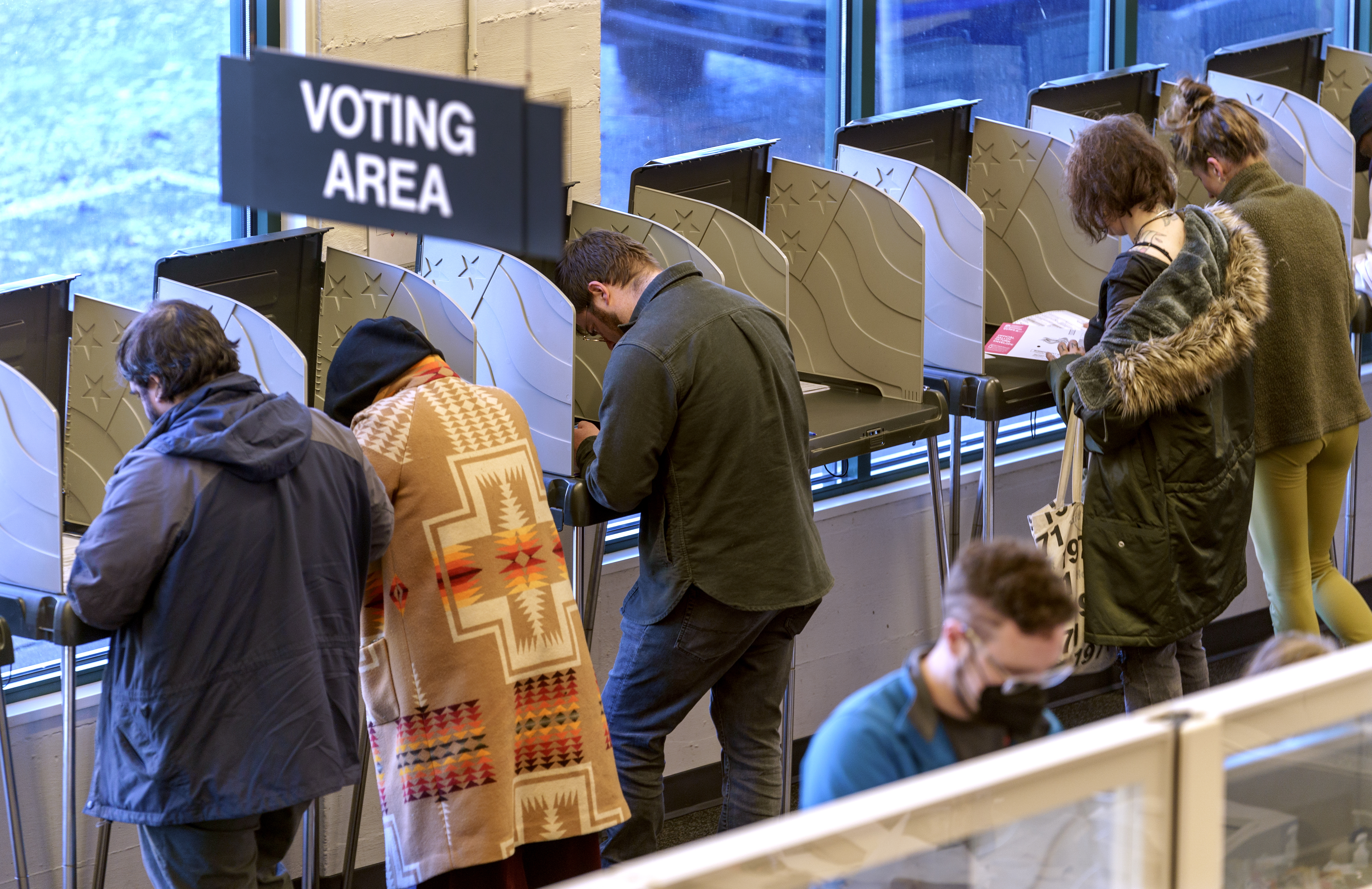
For those who choose not to mail back their ballot or wish to vote closer to Election Day, Oregon offers accessible voting centers. These are not the traditional precinct-based polling places of yesteryear, where voters would go to a specific location determined by their address. Instead, Oregon’s accessible voting centers are strategically located throughout each county and operate for a period leading up to and including Election Day.
These centers serve multiple crucial functions:
- Ballot Drop-off: Voters can surrender their mail-in ballot at an accessible voting center, often to a poll worker who verifies their identity. This is a convenient option for those who may have missed the mail-in deadline or prefer to ensure their ballot is received directly.
- New Ballot Issuance: If a voter’s mail-in ballot is lost, damaged, or if they simply changed their mind about voting by mail, they can request a new ballot at an accessible voting center. This ensures that no voter is disenfranchised due to issues with their mailed ballot.
- Ballot Casting on Accessible Equipment: For voters with disabilities, accessible voting centers are equipped with advanced voting machines. These machines offer features such as audio ballots, tactile keyboards, and adjustable screen magnification, empowering individuals with varying needs to cast their vote independently and privately.
- Assistance with Ballot Marking: Voters who need assistance in marking their ballot, due to visual impairments or other challenges, can receive help from authorized poll workers at these centers.
The number and locations of these accessible voting centers vary by county, with larger, more populated counties typically having more locations and longer operating hours. Voters are strongly encouraged to consult their county’s elections office website or the official Oregon Secretary of State website for the most up-to-date information on accessible voting center locations and hours for their specific election.
Ballot Drop Boxes
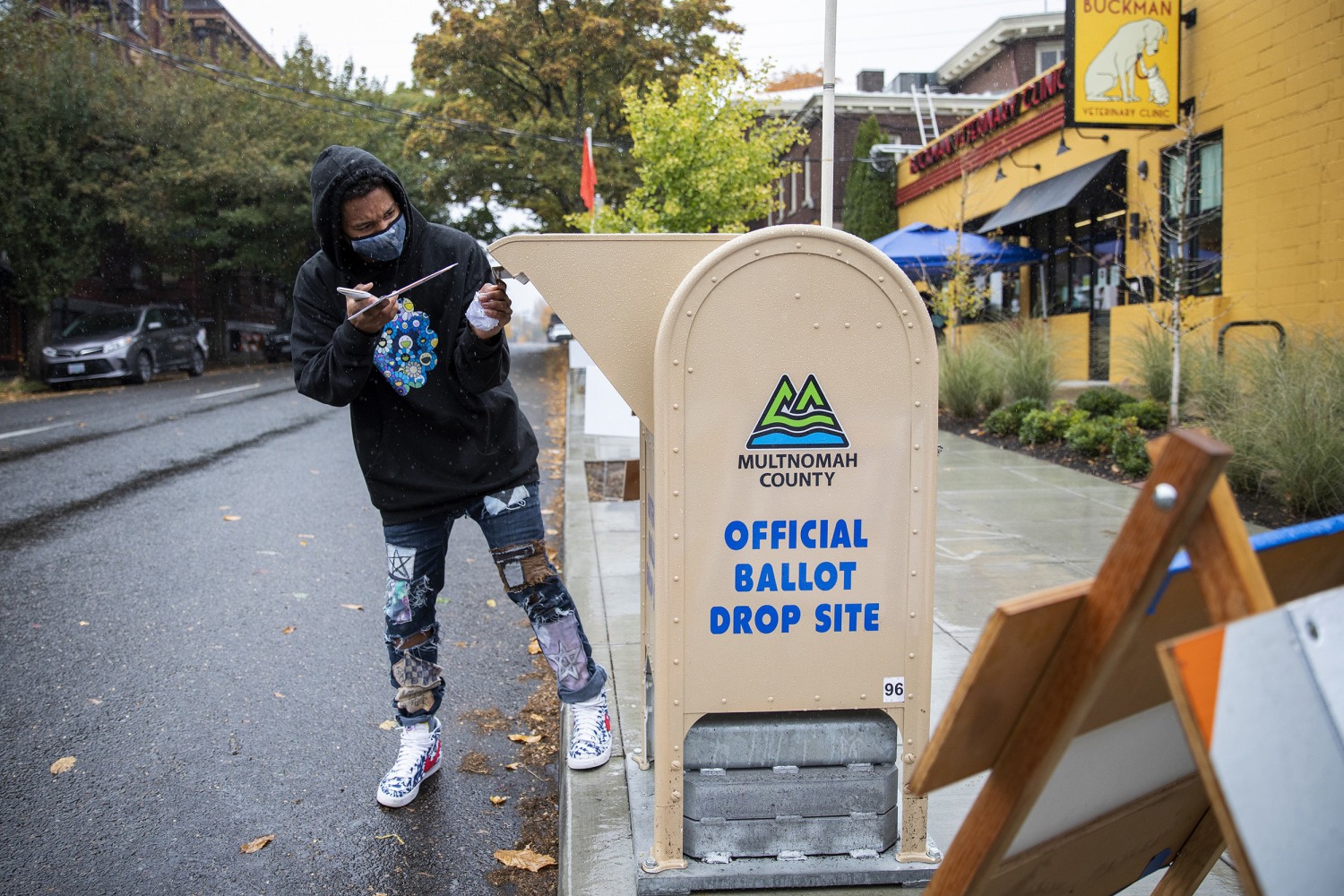
While not strictly “in-person voting” in the traditional sense of interacting with a poll worker to cast a ballot on a machine, the widespread availability of secure ballot drop boxes functions as a highly convenient and direct alternative to mailing a ballot. These locked, secure receptacles are placed in accessible public locations across Oregon, such as libraries, community centers, and government buildings.
Voters can deposit their completed mail-in ballots into these drop boxes at any time between when they receive their ballot and the close of polls on Election Day. This method bypasses the postal service entirely, offering a sense of security and promptness for voters who wish to ensure their ballot is received quickly. The drop boxes are regularly emptied by election officials, ensuring that ballots are processed efficiently.
Provisional Ballots
In rare circumstances, a voter might encounter an issue at an accessible voting center or have a discrepancy with their registration that prevents them from immediately casting a ballot. In such situations, Oregon allows for the casting of a provisional ballot.
A provisional ballot is a regular ballot that is cast and kept separate until election officials can verify the voter’s eligibility. Common reasons for needing to cast a provisional ballot include:
- A voter’s name is not on the official voter list at the polling place (which is less common with vote-by-mail but can still occur).
- A voter’s signature on their ballot envelope does not match the signature on file.
- A voter is voting in a new precinct without updating their registration.

After Election Day, election officials will review provisional ballots. If the voter’s eligibility can be confirmed (e.g., by comparing signatures or confirming registration details), their provisional ballot will be counted. Voters who cast a provisional ballot are typically notified of the outcome of the review process.
Why Oregon Prioritizes Vote-by-Mail
The dominance of vote-by-mail in Oregon is not an accident but a deliberate policy choice rooted in several key principles:
- Increased Voter Turnout: Studies consistently show that vote-by-mail leads to higher participation rates. By removing the logistical barriers of getting to a polling place on a specific day and time, voters can take their time to research candidates and issues and cast their ballot at their convenience.
- Cost Efficiency: While initial setup costs for a vote-by-mail system can be significant, in the long run, it often proves more cost-effective than maintaining a vast network of polling places with paid staff and equipment for a single election day.
- Accessibility and Convenience: For individuals with disabilities, those with demanding work schedules, parents with young children, or residents in rural areas, vote-by-mail offers unparalleled convenience. It democratizes access to the ballot box.
- Enhanced Security and Integrity: Contrary to some initial concerns, Oregon’s vote-by-mail system is considered highly secure. Ballots are mailed directly to registered voters, require signatures for verification, and are tracked throughout the process. The accessibility voting centers and ballot drop boxes further enhance security by providing secure, official points of ballot return.
Preparing for In-Person Voting in Oregon
For voters who prefer to vote in person or need to utilize the accessible voting centers, preparation is key to a smooth experience.
Know Your Options and Locations
The most crucial step is to determine the accessible voting centers available in your county. This information is readily available on the Oregon Secretary of State website and your local county elections office website. These sites will provide:
- A list of accessible voting center locations.
- Operating hours for each center, which may vary.
- Information on when these centers open for early voting (typically weeks before Election Day) and their final closing time on Election Day.
Bring Identification
While Oregon’s vote-by-mail system relies on signature verification, it is always a good practice to bring a valid form of identification when voting in person. This could include:
- A Oregon driver’s license or ID card.
- A U.S. passport.
- A tribal identification card.
- A military ID.
While not always strictly required if your identity can be otherwise confirmed, having ID can expedite the process and resolve any potential discrepancies.
Understand the Ballot Process
When you arrive at an accessible voting center, you will typically interact with election officials.
- Check-in: You will be asked for your name and address. Officials will verify your registration status.
- Ballot Issuance: If you are surrendering a mail-in ballot, you will do so. If you are requesting a new ballot or voting for the first time at the center, you will be issued a ballot.
- Voting: You will proceed to a voting booth to mark your ballot. If you require assistance or are using an accessible voting machine, inform the election official.
- Casting Your Ballot: Once your ballot is marked, you will cast it according to the instructions provided at the voting booth or by election officials.
When to Consider In-Person Voting
Several scenarios might lead a voter to opt for in-person voting:
- Last-Minute Decisions: If you decide on a candidate or ballot measure very close to Election Day and are concerned about your mail-in ballot arriving on time.
- Ballot Issues: If your mail-in ballot is lost, damaged, or you believe there is an issue with its return.
- Preference for Traditional Voting: Some individuals simply feel more comfortable with the traditional experience of casting a ballot at a physical location, especially if they have mobility or dexterity challenges that make marking a paper ballot difficult.
- Using Accessible Voting Technology: Voters with disabilities may find the advanced features of accessible voting machines at these centers to be the most convenient and empowering way to vote.
In conclusion, while Oregon has set the benchmark for vote-by-mail, the state has thoughtfully integrated accessible voting centers and secure drop boxes to ensure that in-person voting remains a viable and important option for its citizens. By understanding the available choices and preparing accordingly, every eligible resident of Oregon can confidently exercise their right to vote.
LifeOutOfTheBox is a participant in the Amazon Services LLC Associates Program, an affiliate advertising program designed to provide a means for sites to earn advertising fees by advertising and linking to Amazon.com. Amazon, the Amazon logo, AmazonSupply, and the AmazonSupply logo are trademarks of Amazon.com, Inc. or its affiliates. As an Amazon Associate we earn affiliate commissions from qualifying purchases.