
Decoding Culinary Heritage: The Essence of Regional Desserts
The world of culinary tourism offers a sensory journey, inviting travelers to explore the heart of a destination through its flavors, aromas, and textures. Food, more than just sustenance, is a profound expression of local culture, history, and communal identity. From bustling street markets to Michelin-starred restaurants, the dishes unique to a region often tell stories that words alone cannot convey. Among these edible narratives, desserts hold a special place, often encapsulating centuries of tradition, local ingredients, and refined techniques. When contemplating confections like Bavarian Cream and Boston Cream, a common question arises: are they merely different names for the same delightful treat, or do they represent distinct facets of culinary heritage? Understanding this distinction is not just a matter of taste; it’s an insight into the cultural tapestry of their respective origins, offering a richer experience for the food-savvy tourist.

The Role of Food in Tourism
Food tourism has surged in popularity, evolving from a mere necessity during travel to a primary motivator for exploring new destinations. Travelers actively seek out authentic gastronomic experiences, whether it’s participating in a traditional cooking class in Tuscany, embarking on a street food tour in Bangkok, or savoring regional specialties at a local eatery in Lyon. These culinary adventures provide a direct link to the local lifestyle, offering insights into agricultural practices, social customs, and historical influences. Desserts, in particular, often serve as sweet ambassadors, carrying the flavors of a region’s past and present. For the discerning tourist, differentiating between desserts that sound similar, like Bavarian Cream and Boston Cream, is key to genuinely appreciating the local food landscape and avoiding culinary misconceptions.
Bavarian Cream: A European Elegance
The name Bavarian Cream itself suggests a European pedigree, evoking images of refined patisseries and classic culinary artistry. While often associated with Bavaria, a picturesque region in Germany known for its rich cultural traditions, the dessert’s true origins are widely attributed to French haute cuisine. It is believed to have been perfected by legendary chefs like Marie-Antoine Carême in the early 19th century, a period when French culinary techniques dominated European kitchens.
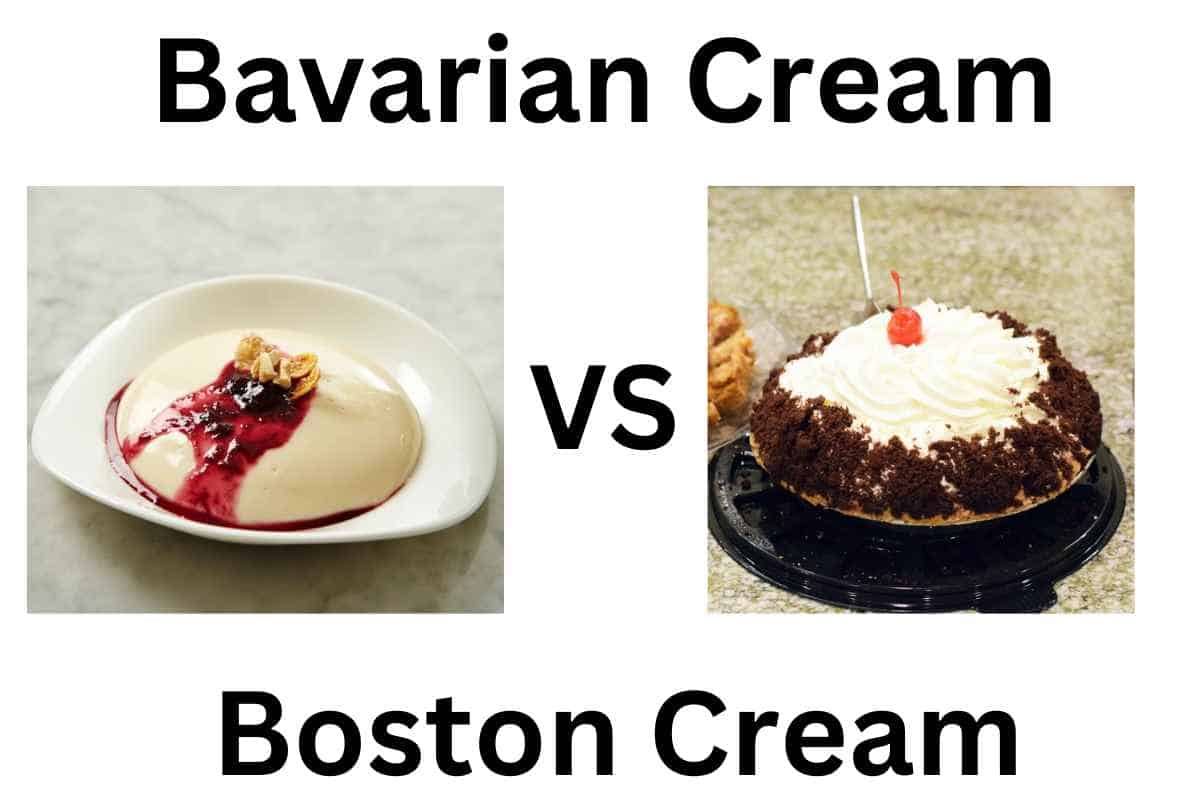
At its core, Bavarian Cream is a sophisticated custard dessert. Its preparation begins with a crème anglaise – a rich, cooked custard typically flavored with vanilla. This warm custard is then combined with gelatin, which provides structure, and allowed to cool. Crucially, once the mixture begins to set but before it is fully firm, whipped cream is folded in, imparting a characteristic lightness and airiness. The result is a smooth, velvety, and melt-in-your-mouth delicacy that is often molded into decorative shapes using individual ramekins or a larger charlotte mold, then chilled until firm. While vanilla is the classic flavor, variations frequently include fruit purées, liqueurs, or chocolate, allowing for a versatile dessert that can be both elegant and adaptable.
Cultural Significance and Tourist Appeal in Bavaria/Europe
For tourists exploring Europe, especially in culinary hotspots like Paris, Vienna, or Munich, encountering Bavarian Cream is an experience of understated European elegance. It’s less a street food staple and more a highlight of café culture, fine dining establishments, and upscale patisseries. In Germany, particularly in Bavaria, while not always explicitly called “Bavarian Cream,” similar gelatin-set, cream-enriched desserts (often fruit-flavored mousses) are common. Tourists might find it served as a delicate individual portion, perhaps garnished with fresh berries or a light coulis, showcasing the European emphasis on presentation and refined flavors. Its presence on a menu speaks to a tradition of detailed dessert craftsmanship, distinct from more rustic or hearty regional sweets. Savoring a properly prepared Bavarian Cream allows travelers to connect with the sophisticated side of European culinary arts, a subtle yet memorable aspect of local culture.
Boston Cream: An American Icon
Shifting our culinary gaze across the Atlantic, Boston Cream presents itself not as a standalone cream, but as a celebrated American dessert with a rich history rooted in the bustling city of Boston, Massachusetts. Its origins trace back to the mid-19th century, specifically to the renowned Parker House Hotel (now the Omni Parker House) in Boston. It was here, around 1856, that chef M. Sanzian created what was then called a “Chocolate Cream Pie.” The “pie” designation was common at the time because cakes and pies were often baked in the same pans. Over time, this dish evolved into the iconic Boston Cream Pie we know today, eventually being declared the official state dessert of Massachusetts in 1996.
The Boston Cream Pie is a symphony of distinct components: two layers of tender, golden sponge cake, generously filled with a thick, velvety vanilla custard, and topped with a glossy, rich chocolate glaze. Unlike Bavarian Cream, the custard filling in a Boston Cream Pie typically does not contain gelatin; its stability comes from the eggs and starch used in its preparation, giving it a denser, more substantial texture. The contrast between the light cake, the creamy filling, and the slightly firm chocolate topping is what makes this dessert so uniquely appealing. It embodies a sense of comfort and indulgent simplicity that resonates deeply with American dessert traditions.
Cultural Significance and Tourist Appeal in Boston/USA
For tourists visiting Boston, indulging in a genuine Boston Cream Pie is a quintessential experience, much like visiting the Freedom Trail or exploring Faneuil Hall. The dessert is intrinsically linked to the city’s identity and history. The best place to experience this iconic dessert is arguably at its birthplace, the Omni Parker House, where it has been continuously served for over a century and a half. Beyond this historic landmark, travelers will find Boston Cream Pie featured prominently in local bakeries, diners, and even grocery stores across Massachusetts and throughout the United States. Its widespread availability and beloved status highlight its role as a classic American comfort food, representing a blend of European influences adapted and reinterpreted through American ingenuity. Sampling a slice connects tourists to a piece of American culinary history and offers a delicious taste of local pride.
The Definitive Distinction for the Food Tourist
Having delved into the individual characteristics of these two delightful desserts, it becomes unequivocally clear that Bavarian Cream and Boston Cream are not the same. While both feature “cream” in their names and incorporate a rich custard, their fundamental structures, ingredients, and cultural contexts diverge significantly.
The most critical difference lies in their very nature:
- Bavarian Cream is a standalone, gelatin-set dessert, essentially a light and airy custard mousse. Its primary texture comes from the interplay of smooth custard, whipped cream, and the delicate set provided by gelatin. It is typically served chilled, often unmolded from a ramekin, showcasing its elegant form.
- Boston Cream refers specifically to a cake – the Boston Cream Pie. It is a layered dessert comprising sponge cake, a rich, unset vanilla custard filling (without gelatin), and a distinct chocolate glaze. Its appeal lies in the combination of these three distinct elements rather than a single unified “cream.”
Furthermore, their preparation and texture profiles are markedly different. Bavarian Cream prioritizes lightness and a melt-in-your-mouth quality, achieved by folding in whipped cream and using gelatin for stability. The “cream” in Bavarian Cream is the dessert itself. In contrast, the “cream” in Boston Cream refers solely to the substantial custard filling between the cake layers. The overall Boston Cream Pie offers a combination of soft cake, thick custard, and a firm, sweet glaze, creating a more composite and comforting texture.
Why This Matters for Tourism
For the savvy food tourist, understanding this distinction is paramount. Imagine a traveler in Munich asking for “Bavarian Cream” and expecting a slice of chocolate-glazed cake – they would be sorely disappointed. Conversely, a visitor to Boston hoping for a delicate, molded custard dessert under the “Boston Cream” moniker would be equally surprised.
Knowing the difference allows tourists to:
- Seek Authentic Experiences: It guides them to look for a delicate, airy, gelatin-set dessert in European patisseries for Bavarian Cream, and specifically for the iconic cake at places like the Omni Parker House when in Boston.
- Appreciate Cultural Nuances: The distinct preparation and serving styles reflect different culinary traditions and aesthetics – the refined elegance of European patisserie versus the hearty, comforting innovation of American baking.
- Enhance Culinary Dialogue: It provides a basis for more informed conversations with local chefs, bakers, and fellow travelers, deepening the overall cultural immersion.
The seemingly similar names can be deceptive, but a closer look reveals two distinct and equally delicious culinary treasures, each waiting to be discovered and appreciated in its proper context.

Embarking on a Sweet Culinary Journey
The exploration of Bavarian Cream and Boston Cream serves as a perfect illustration of how food can act as a gateway to understanding diverse cultures and histories. For those with a passion for travel and gastronomy, incorporating specific culinary quests into an itinerary can transform a generic trip into an unforgettable journey of taste and discovery. Whether it’s the pursuit of a perfectly light Bavarian Cream in a charming Parisian café, or the pilgrimage to the birthplace of the Boston Cream Pie at the Omni Parker House in Boston, these experiences offer more than just a sweet treat.
They provide authentic interactions with local traditions, craftsmanship, and the evolution of culinary artistry. Each bite tells a story, each flavor evokes a memory of the place it came from. As you plan your next adventure, consider not just the famous landmarks and attractions, but also the iconic dishes that define a region. Delving into the nuances of local cuisine, like distinguishing between these two “creams,” enriches your understanding of the destination’s soul. So, pack your bags, prepare your palate, and embark on a sweet culinary journey that promises to be as enlightening as it is delicious.
LifeOutOfTheBox is a participant in the Amazon Services LLC Associates Program, an affiliate advertising program designed to provide a means for sites to earn advertising fees by advertising and linking to Amazon.com. Amazon, the Amazon logo, AmazonSupply, and the AmazonSupply logo are trademarks of Amazon.com, Inc. or its affiliates. As an Amazon Associate we earn affiliate commissions from qualifying purchases.