
Navigating the Financial Landscape of Your Oregon Adventure
Oregon, a state renowned for its breathtaking natural beauty, from the rugged Oregon Coast to the majestic Cascade Mountains, and its vibrant cultural scene, beckons travelers and potential residents alike. As you plan your journey or consider a longer stay, understanding the financial aspects, particularly taxation, is crucial. The question “Does Oregon have taxes?” might conjure images of complex tax codes, but for the traveler, the implications are generally straightforward and often quite favorable. This exploration delves into the tax landscape relevant to visitors and those considering a more permanent presence, focusing on the economic considerations that shape the experience of exploring or residing in the Beaver State.

Sales Tax: A Welcome Absence for Shoppers
One of the most celebrated aspects of Oregon’s tax structure for consumers is its complete absence of state and local general sales taxes. This policy, in place for decades, significantly impacts the cost of goods and services for visitors and locals alike. When you’re browsing the boutiques in Portland, picking up souvenirs in Ashland, or stocking up on provisions in a smaller town, the price you see is the price you pay at the register. This can make a considerable difference in your overall travel budget, allowing for more exploration, dining, or even splurging on those sought-after Oregonian crafts and products.
Impact on Travel Budgets
The lack of sales tax directly translates to more disposable income for travelers. Whether you’re purchasing gear for a hike in the Columbia River Gorge, sampling local wines in the Willamette Valley, or enjoying a meal at one of Oregon’s acclaimed restaurants, your money stretches further. This can encourage longer stays, more frequent visits, and a greater willingness to explore a wider range of activities and attractions. For those planning road trips, the savings on fuel, lodging, and any incidental purchases can accumulate noticeably.
Shopping and E-commerce Considerations
This consumer-friendly tax policy also makes Oregon a prime destination for shoppers. Online retailers are also subject to specific rules regarding sales tax collection, often meaning purchases made from Oregon-based online businesses may not incur sales tax, even if the buyer is located elsewhere. For residents, this means significant savings on everyday purchases. For visitors, it presents an opportunity to acquire items they might otherwise hesitate to buy due to sales tax in their home states. This fiscal advantage contributes to Oregon’s appeal as a place to both experience and invest, even if temporarily.
Income Tax: A Key Consideration for Residents and Remote Workers
While Oregon shines brightly in its absence of sales tax, it does impose a state income tax. This is a crucial factor for individuals considering a move to the state or for those who work remotely and spend significant time within its borders. Oregon’s income tax is progressive, meaning higher earners pay a larger percentage of their income in taxes. The tax rates can be a significant consideration for financial planning and should be factored into any long-term residency decisions.
Understanding the Brackets and Rates
Oregon’s income tax system is structured with multiple tax brackets, each with a corresponding tax rate. These brackets and rates are subject to change, so it is always advisable to consult the latest information from the Oregon Department of Revenue. For visitors who are not establishing residency, occasional short stays typically do not trigger income tax obligations. However, for individuals who plan to work remotely while in Oregon for extended periods, or who are considering relocating, understanding these rates is paramount.
Residency Rules and Implications
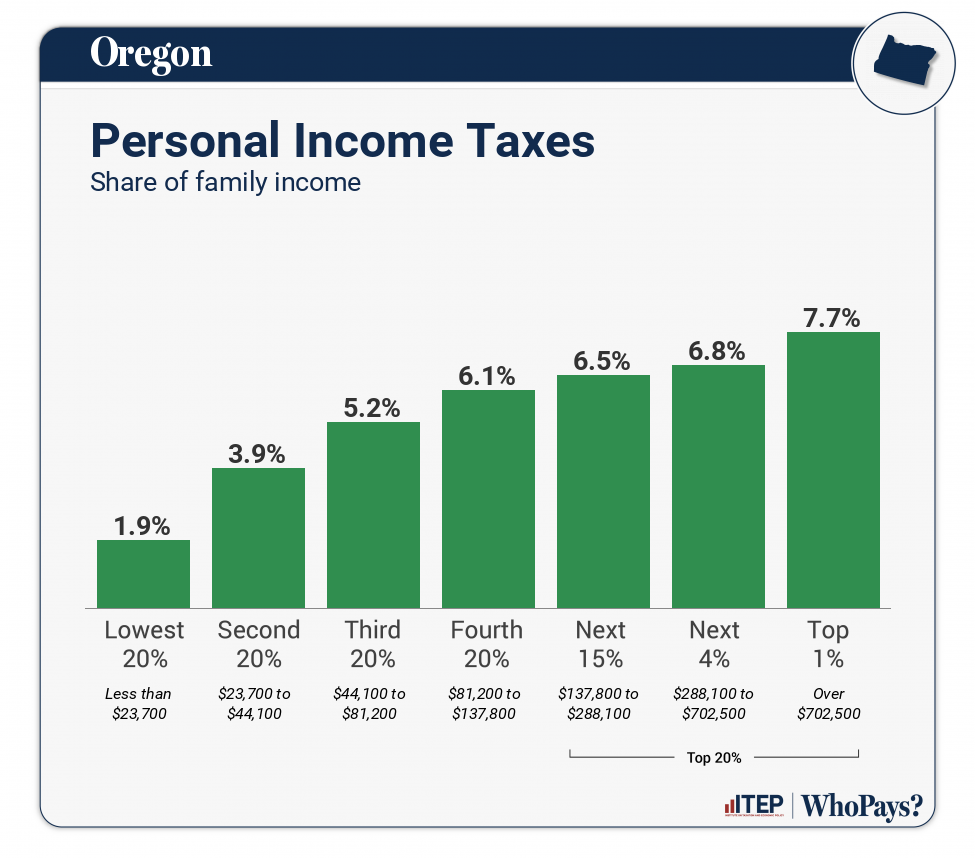
Determining tax residency in Oregon is a critical step for anyone contemplating a move or spending substantial time in the state. Oregon defines a resident for tax purposes based on domicile and the amount of time spent in the state. Generally, if you establish your primary home in Oregon, or spend more than 183 days in the state within a tax year, you may be considered a resident and subject to Oregon income tax on your worldwide income. This has implications not only for your personal finances but also for your eligibility for state services and benefits.
Property Tax: A Local Concern
Property taxes in Oregon are levied at the local level, meaning the rates vary significantly depending on the county and specific taxing districts (e.g., school districts, fire districts). Unlike sales tax, which is a statewide policy, property tax is a mosaic of local financial structures. This is a primary source of funding for public services such as schools, libraries, and infrastructure.
Impact on Homeowners and Renters
For those purchasing property in Oregon, understanding the local property tax rates is an essential part of the budgeting process. These taxes are typically paid annually or semi-annually and can represent a substantial ongoing cost of homeownership. Even for renters, property taxes indirectly affect costs, as landlords often pass these expenses on through rental rates. Researching the property tax rates in specific areas of interest, such as popular cities like Bend or coastal towns like Cannon Beach, is highly recommended.
Proposed Changes and Limitations
Oregon has historically had limitations on property tax increases, often referred to as Measure 5 and Measure 50. These measures aim to cap the rate at which property taxes can grow, providing some predictability for property owners. However, the interplay between assessed value, market value, and these limitations can be complex. For potential investors or long-term residents, a thorough understanding of local property tax structures is indispensable.
Other Taxes and Fees Relevant to Travelers
Beyond sales and income taxes, Oregon has a few other tax-related considerations that might affect travelers. These are typically minor in comparison to the broader tax categories but are worth noting for a complete picture.
Tourism-Related Fees
While Oregon lacks a general hotel occupancy tax at the state level, many cities and counties do impose local transient lodging taxes, often referred to as occupancy taxes or hotel taxes. These taxes are levied on stays in hotels, motels, vacation rentals, and other short-term accommodations. The rates vary considerably from one locality to another, with popular tourist destinations often having higher rates. For instance, a stay in a hotel in Eugene might include a different occupancy tax than a stay in Salem. These fees are typically added to your bill at the time of checkout.
Vehicle Registration and Fuel Taxes
If you plan to drive your own vehicle in Oregon, or rent one, you will encounter fuel taxes. Oregon, like most states, has excise taxes on gasoline and diesel fuel, which contribute to the funding of road maintenance and infrastructure projects. Additionally, if you are registering a vehicle in Oregon for residency, you will be subject to registration fees and potentially other related taxes. For visitors driving through, the fuel tax is the most immediate consideration, adding to the cost of travel.

Conclusion: A Tax-Smart Approach to Exploring Oregon
Oregon offers a compelling blend of natural wonders and urban sophistication, and its tax policies play a significant role in shaping the visitor experience. The absence of sales tax is a major draw, making exploration and purchases more affordable. However, for those considering longer stays or residency, the state income tax and local property taxes are crucial financial considerations that require careful planning and research. By understanding these fiscal elements, travelers and future residents can approach their Oregon adventures with greater financial clarity and make informed decisions about maximizing their experience and resources in this remarkable Pacific Northwest state.
LifeOutOfTheBox is a participant in the Amazon Services LLC Associates Program, an affiliate advertising program designed to provide a means for sites to earn advertising fees by advertising and linking to Amazon.com. Amazon, the Amazon logo, AmazonSupply, and the AmazonSupply logo are trademarks of Amazon.com, Inc. or its affiliates. As an Amazon Associate we earn affiliate commissions from qualifying purchases.