
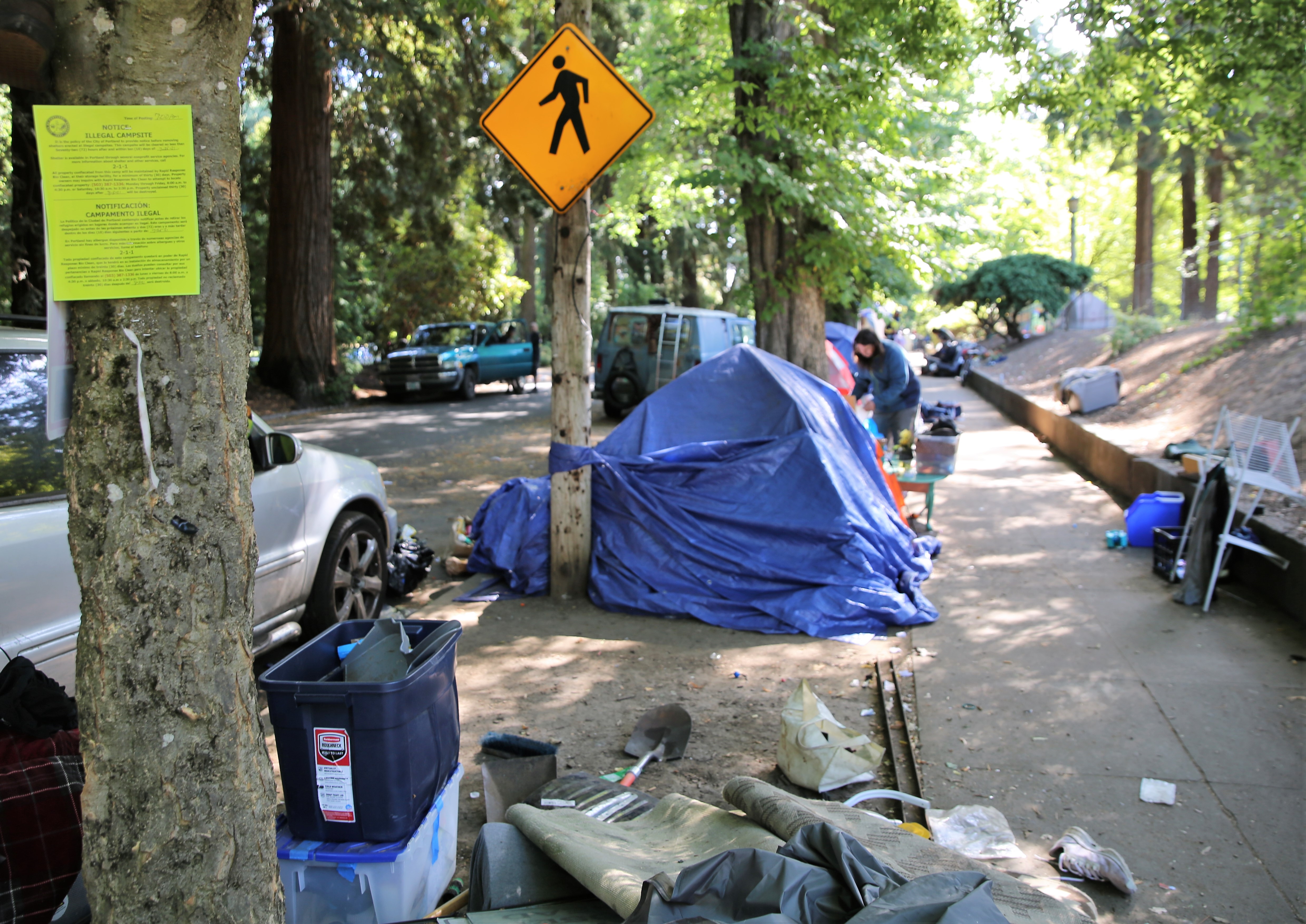
The question of homelessness in any major urban center is a complex and often emotionally charged one. In Portland, Oregon, this issue has been a persistent challenge, drawing national attention and prompting ongoing debates about causes, solutions, and the human toll. Understanding the scope of homelessness is the first critical step in addressing it effectively, and for visitors or those considering Portland as a travel destination, it’s an important facet of the city’s current reality. While precise, real-time numbers are elusive, various methodologies and studies attempt to quantify the population experiencing homelessness, offering valuable insights into the scale of the challenge.
Understanding the Data: Point-in-Time Counts and Beyond
The most commonly cited figures for homelessness come from “Point-in-Time” (PIT) counts. These are federally mandated, one-night snapshots conducted annually by Continuums of Care (CoCs), which are regional planning bodies responsible for coordinating homelessness services. In Portland, this effort is largely spearheaded by the Multnomah County government and its partner organizations.
The Point-in-Time (PIT) Count Methodology
The PIT count aims to capture every individual experiencing homelessness within a specific geographic area on a single night. This is achieved through a combination of methods:
- Street and Unsheltered Counts: Teams of trained volunteers and staff canvass streets, parks, encampments, and other public spaces to identify and survey individuals sleeping outdoors or in places not meant for human habitation. This often involves direct engagement, asking questions about demographics, duration of homelessness, and service needs.
- Sheltered Counts: This involves surveying individuals residing in emergency shelters, transitional housing programs, safe parking sites, and other temporary housing solutions. Data is typically collected from program administrators.
The PIT count provides a crucial baseline, offering a standardized way to measure changes in homelessness over time and compare different regions. However, it’s essential to acknowledge its inherent limitations.
Limitations of the PIT Count
- Snapshot in Time: By its very nature, a one-night count cannot capture individuals who may have found temporary shelter for that specific night but are still experiencing homelessness. It also misses those who move in and out of homelessness frequently.
- Undercounting: It can be challenging to reach and count every individual, especially those who are highly mobile, hidden, or unwilling to engage with surveyors.
- Variability: Factors like weather conditions, the availability of outreach workers, and the level of volunteer participation can influence the accuracy of the count.
Despite these limitations, the PIT count remains the most widely accepted metric for understanding the prevalence of homelessness.
Trends and Numbers in Portland, Oregon
The PIT count in Multnomah County, which includes Portland, has shown a concerning upward trend in recent years. While specific numbers fluctuate annually, the general direction has been one of increase, particularly in the unsheltered population.
Recent Findings and Projections

For instance, the 2023 Point-in-Time count in Multnomah County reported a significant increase in the number of individuals experiencing homelessness. The count identified a substantial number of people sleeping in tents, vehicles, or other outdoor locations, a figure that has been a focus of public concern. This reflects a broader trend seen in many West Coast cities.
The data from these counts typically breaks down the homeless population by demographics such as age, gender, race, and veteran status, as well as by type of homelessness (sheltered vs. unsheltered). Understanding these sub-populations is vital for tailoring effective interventions and services. For example, the needs of a single adult experiencing chronic homelessness might differ significantly from those of a family with young children.
Beyond the Numbers: The Human Element and Contributing Factors
While statistical data is essential for understanding the scale of homelessness in Portland, it’s crucial to remember that behind each number is an individual with a unique story and circumstances. The drivers of homelessness are multifaceted and often interconnected.
Key Contributing Factors in Portland
- Housing Affordability Crisis: Like many desirable cities, Portland has experienced a dramatic rise in housing costs. Rent increases have outpaced wage growth for many residents, pushing individuals and families into precarious housing situations and, ultimately, homelessness. The availability of affordable housing units is a critical determinant of homelessness rates.
- Economic Instability and Job Loss: Unexpected job loss, underemployment, or low wages can quickly deplete savings, making it impossible for individuals to keep up with rent or mortgage payments. Economic downturns and the gig economy can exacerbate this vulnerability.
- Mental Health and Substance Use Disorders: These are significant factors contributing to homelessness for many. Untreated mental health conditions can impair an individual’s ability to maintain employment and stable housing, while substance use disorders can lead to financial instability and social isolation. Access to comprehensive and affordable mental health and addiction services is paramount.
- Domestic Violence and Trauma: Many individuals, particularly women and children, experience homelessness as a direct result of fleeing abusive relationships. Trauma, whether from childhood or later in life, can also contribute to difficulties in maintaining stability.
- Systemic Issues: Broader societal issues, including historical inequities, lack of adequate social safety nets, and insufficient funding for essential services, also play a role. For example, the transition from foster care or incarceration without adequate support can increase the risk of homelessness.
The Lived Experience
Engaging with the lived experiences of those experiencing homelessness provides a deeper understanding that statistics alone cannot convey. Many individuals report a series of setbacks – a medical emergency, a lost job, a relationship breakdown – that, without a strong support system or affordable housing options, can cascade into homelessness. The stigma associated with homelessness can also create significant barriers to re-entering stable housing and employment.
Addressing Homelessness in Portland: Strategies and Initiatives
Portland has implemented a range of strategies and initiatives to address homelessness, involving city, county, and state governments, as well as numerous non-profit organizations and community groups.
Current Approaches and Future Directions
- Expansion of Shelter Capacity: Efforts have been made to increase the availability of emergency shelters and safe rest villages, providing temporary respite and a pathway to more stable housing.
- Affordable Housing Development: Investments in building and preserving affordable housing units are ongoing, aiming to increase the supply of homes that are accessible to low-income individuals and families.
- Outreach and Service Coordination: Enhanced street outreach teams work to connect unsheltered individuals with services, including healthcare, mental health support, substance use treatment, and housing assistance.
- Prevention Programs: Initiatives focused on preventing homelessness before it begins are also crucial, including rental assistance programs, eviction prevention services, and support for at-risk individuals and families.
- Policy Reforms: Discussions and policy changes around zoning laws, land use, and funding for homelessness services are continuously debated and implemented.
The effectiveness of these approaches is a subject of ongoing evaluation and public discourse. A comprehensive strategy often involves a multi-pronged approach that addresses immediate needs while also tackling the root causes of homelessness.

The Role of Tourism and Local Awareness
For travelers visiting Portland, understanding the presence of homelessness is part of experiencing the city authentically. While it might be a stark reality, it’s important to approach the issue with empathy and respect. Many of Portland’s cultural institutions, parks like Washington Park, and vibrant neighborhoods, such as the Pearl District, are located within the city. Visitors can support the local economy by patronizing businesses and engaging in activities that benefit the community. Awareness of the challenges facing the city can also lead to a more informed and compassionate perspective, whether one is visiting the iconic Powell’s City of Books or exploring the culinary scene.
LifeOutOfTheBox is a participant in the Amazon Services LLC Associates Program, an affiliate advertising program designed to provide a means for sites to earn advertising fees by advertising and linking to Amazon.com. Amazon, the Amazon logo, AmazonSupply, and the AmazonSupply logo are trademarks of Amazon.com, Inc. or its affiliates. As an Amazon Associate we earn affiliate commissions from qualifying purchases.