
Understanding Oregon’s Property Tax Landscape
Navigating the intricacies of property ownership in any state involves understanding the associated financial responsibilities, and in Oregon, property tax is a significant factor. Unlike many other states, Oregon does not have a state-level sales tax, making property taxes a crucial source of revenue for local governments and public services. This guide aims to demystify Oregon‘s property tax system, providing a comprehensive overview for homeowners, potential buyers, and anyone interested in the financial aspects of real estate within the state.
The property tax system in Oregon is primarily governed by Measure 5 and Measure 50, ballot measures passed in the early 1990s that fundamentally reshaped how property taxes are calculated and levied. These measures aimed to limit overall tax burdens and provide greater predictability for taxpayers. Understanding these foundational pieces of legislation is key to grasping how your annual property tax bill is determined.
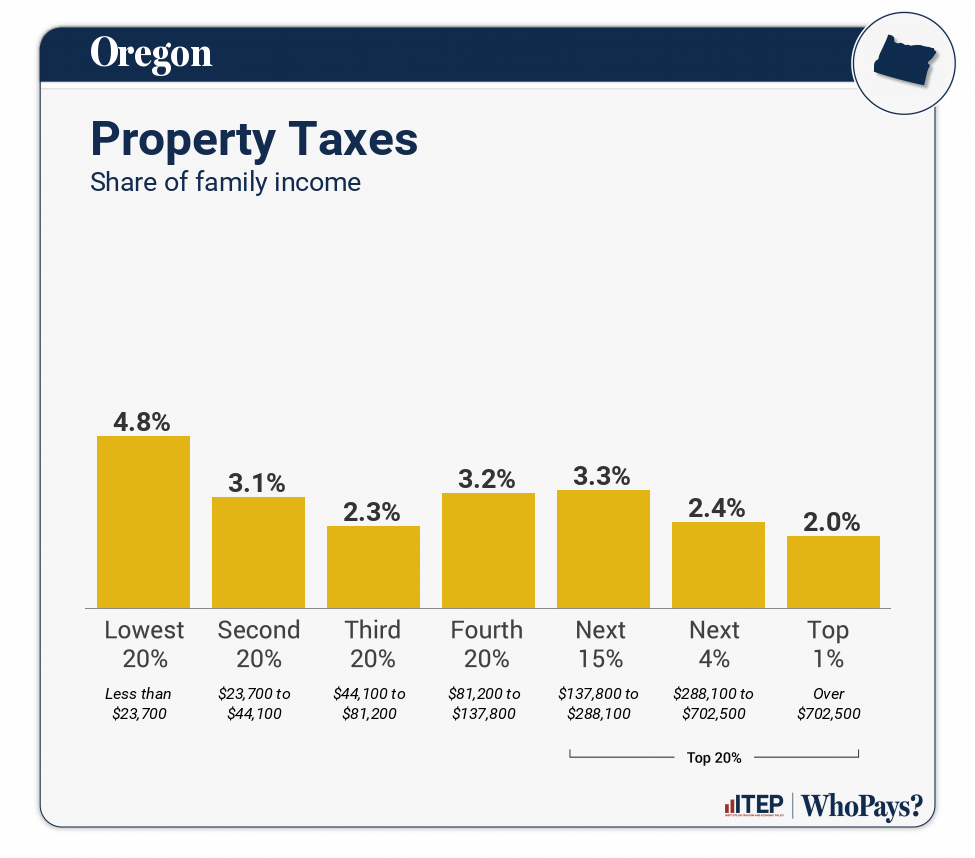
The Impact of Measure 5 and Measure 50
Measure 5, passed in 1990, established limits on the combined rate of all property taxes levied on a property. It set a maximum combined rate of $15 per $1,000 of assessed value for general operating taxes and $10 per $1,000 of assessed value for schools and local services. This means the total property tax rate for any given property cannot exceed $25 per $1,000 of assessed value.
Measure 50, passed in 1997, built upon Measure 5 by introducing the concept of “real market value” and “assessed value.” It also clarified how property values are adjusted for tax purposes, particularly after property sales or significant improvements. Measure 50 stipulated that after a sale, a property’s assessed value would be updated to its real market value at the time of sale. For properties that haven’t sold, the assessed value can only increase by a maximum of 3% per year, or the rate of inflation, whichever is lower. This provision is often referred to as the “50% rule” or the “20% rule,” depending on the assessed value relative to the real market value, and it plays a critical role in determining the actual tax liability for non-transferred properties.
The distinction between “real market value” and “assessed value” is paramount. Real market value is the price an informed buyer would pay for the property in an open market. Assessed value, on the other hand, is the value used for tax calculations. Due to Measure 50’s limitations on annual increases, the assessed value of an older, established property can often be significantly lower than its real market value, leading to lower property tax bills for long-term owners compared to those who have recently purchased a similar property.
Factors Influencing Your Property Tax Bill
Several key components contribute to the calculation of your property tax bill in Oregon. These include the property’s assessed value, the applicable tax rates for different taxing districts, and any exemptions or special assessments that might apply.
Assessed Value and Its Calculation
As mentioned, the assessed value is the foundation of your property tax. It’s determined by the county assessor’s office. For properties that have recently sold, the assessed value typically becomes their real market value at the time of sale. For properties that have not sold for some time, Measure 50 limits the annual increase in assessed value to 3% or the rate of inflation, whichever is lower. This cap ensures that property taxes don’t escalate dramatically year over year for existing homeowners, even if the property’s market value experiences a more significant increase.
It’s important to note that while the assessed value is capped, it is still reviewed periodically. If a property undergoes significant new construction or improvements, the assessed value can be adjusted to reflect these changes. Similarly, if the assessed value falls below 80% of the real market value, it can be adjusted upwards to be within 80% of the real market value.
Tax Rates and Levy Limits
Oregon property taxes are levied by various local government entities, including counties, cities, school districts, and special districts (such as fire, water, or library districts). Each of these entities has the authority to impose property taxes to fund their operations and services. The total tax rate applied to your property is the sum of the rates from all the taxing districts in which your property is located.
Measure 5 established overall limits on property tax rates. For general operating purposes, the combined rate cannot exceed $15 per $1,000 of assessed value. For schools and local safety services (like police and fire departments), the combined rate cannot exceed $10 per $1,000 of assessed value. These are maximums, and in practice, the actual rates levied by individual districts are often lower.
Each taxing district must operate within a levy limit, which is the maximum amount of money it can raise from property taxes in a given year. These limits are established by voter-approved measures and are adjusted annually. If a taxing district’s calculated levy exceeds its limit, the levy is reduced to the maximum allowed. This mechanism helps prevent excessive property tax increases at the local level.
Exemptions and Special Assessments
Oregon offers several property tax exemptions that can reduce a taxpayer’s liability. Some common exemptions include:
- Homestead Exemption: While Oregon does not have a widespread homestead exemption that reduces the assessed value of a primary residence, some limited programs might exist for specific circumstances, often tied to disability or age. It’s crucial to check with your local county assessor’s office for current eligibility requirements.
- Exemptions for Non-profit Organizations: Property owned and used by qualifying non-profit organizations, such as churches, charitable institutions, and veterans’ organizations, may be exempt from property taxes.
- Farmland and Forestland Deferral Programs: Oregon offers programs that allow owners of qualifying farmland and forestland to defer property taxes as long as the land is used for its designated purpose. These deferrals are typically repaid when the use of the land changes.

Special assessments are different from property taxes. They are charges levied for specific public improvements that directly benefit a particular property or group of properties, such as the installation of new sidewalks, sewer lines, or street lighting. These assessments are often paid over a period of years and are separate from the annual property tax bill.
How to Find Your Property Tax Information
Locating your specific property tax information is a straightforward process, typically managed at the county level. Each county in Oregon maintains records of property assessments and tax levies.
Utilizing County Assessor Websites
The most direct way to find out how much property tax you owe in Oregon is by visiting the website of your county assessor’s office. These websites are invaluable resources that allow you to:
- Search Property Records: You can usually search by property address, tax lot number, or owner’s name to find detailed information about your property, including its real market value, assessed value, and the tax rates applied.
- View Tax Bills: Many county assessor websites provide access to current and past property tax bills. This allows you to see the breakdown of your tax liability, including the amounts allocated to different taxing districts.
- Understand Assessment Procedures: The websites often explain the assessor’s role, how property values are determined, and the timeline for assessment and appeals.
- Find Contact Information: If you have specific questions or need clarification, county assessor websites will provide contact details for the relevant departments.
Prominent counties like Multnomah County, Washington County, Clackamas County, Lane County, and Marion County all have robust online portals for property tax information. For instance, searching for “Multnomah County property tax” will lead you to their official assessor’s page.
The Role of the County Treasurer
While the county assessor is responsible for valuing properties and determining the tax roll, the county treasurer’s office is generally responsible for billing and collecting property taxes. They send out the actual tax bills and manage the payment process. You will likely receive your annual property tax statement from the county treasurer’s office. This statement will clearly outline the total amount due, the due dates, and how to make payments. It will also show any applicable discounts for early payment, although these are less common in Oregon than in some other states.
What to Do If You Disagree with Your Assessment
If you believe your property has been overvalued by the county assessor, Oregon law provides a process for appeal. This is a crucial aspect of ensuring fair taxation.
The Appeal Process
The first step in appealing your property tax assessment is to contact your local county assessor’s office. Often, an informal discussion can resolve misunderstandings or errors. If you are not satisfied with the informal review, you have the right to file a formal appeal.
- Filing a Written Request: You must file a written request for a reduction in your property’s assessed value with the county assessor. There are specific deadlines for filing these requests, which typically fall in the late fall or early winter, after the assessment roll has been finalized for the upcoming tax year.
- The Board of Property Tax Appeals (BPTA): If the assessor denies your request, or if you do not reach an agreement, you can appeal to the Oregon Board of Property Tax Appeals (BPTA) in your county. The BPTA is an independent body that reviews assessment disputes.
- Magistrate Division or Tax Court: If you are unsuccessful at the BPTA level, you have the option to appeal to the Magistrate Division of the Oregon Department of Revenue, and subsequently to the Oregon Tax Court. This is a more formal legal process.
When preparing an appeal, it is essential to gather evidence to support your claim of overvaluation. This may include:
- Comparable Sales Data: Information on recent sales of similar properties in your neighborhood.
- Appraisal Reports: Professional appraisals of your property conducted by a qualified appraiser.
- Documentation of Property Condition: Evidence of any deferred maintenance, damage, or unique features that may reduce your property’s market value.
Understanding these steps and having a clear strategy can help you navigate the appeals process effectively and ensure your property is taxed fairly based on its true market value.

Conclusion: Navigating Your Oregon Property Tax Obligations
Property taxes in Oregon are a vital component of local government funding, supporting essential services from schools and public safety to infrastructure and libraries. While the system, shaped by Measure 5 and Measure 50, aims to provide a degree of stability and predictability, understanding its nuances is key for any property owner. The distinction between real market value and assessed value, the impact of levy limits set by various taxing districts, and the availability of potential exemptions all play a role in determining your final tax bill.
By leveraging the resources provided by your county assessor and treasurer’s offices, you can easily access your specific property tax information. Furthermore, knowing your rights and the established procedures for appealing an assessment ensures that you can address any concerns regarding your property’s valuation. A proactive approach to understanding and managing your Oregon property tax obligations will lead to greater financial clarity and confidence in your homeownership journey.
LifeOutOfTheBox is a participant in the Amazon Services LLC Associates Program, an affiliate advertising program designed to provide a means for sites to earn advertising fees by advertising and linking to Amazon.com. Amazon, the Amazon logo, AmazonSupply, and the AmazonSupply logo are trademarks of Amazon.com, Inc. or its affiliates. As an Amazon Associate we earn affiliate commissions from qualifying purchases.