
For many prospective travelers, the allure of California’s diverse landscapes – from its sun-drenched beaches and towering redwood forests to its vibrant cities and majestic national parks – is undeniable. However, the recurring specter of wildfires often casts a shadow over these plans, prompting crucial questions about safety, accessibility, and the overall travel experience. Understanding the current status of wildfires and their potential impact is paramount for anyone planning a trip to the Golden State.
Understanding California’s Wildfire Dynamics
California’s unique geography and climate make it particularly susceptible to wildfires. While these events are a natural part of the state’s ecosystem, human-caused climate change, historical forest management practices, and an expanding wildland-urban interface have exacerbated their frequency and intensity.

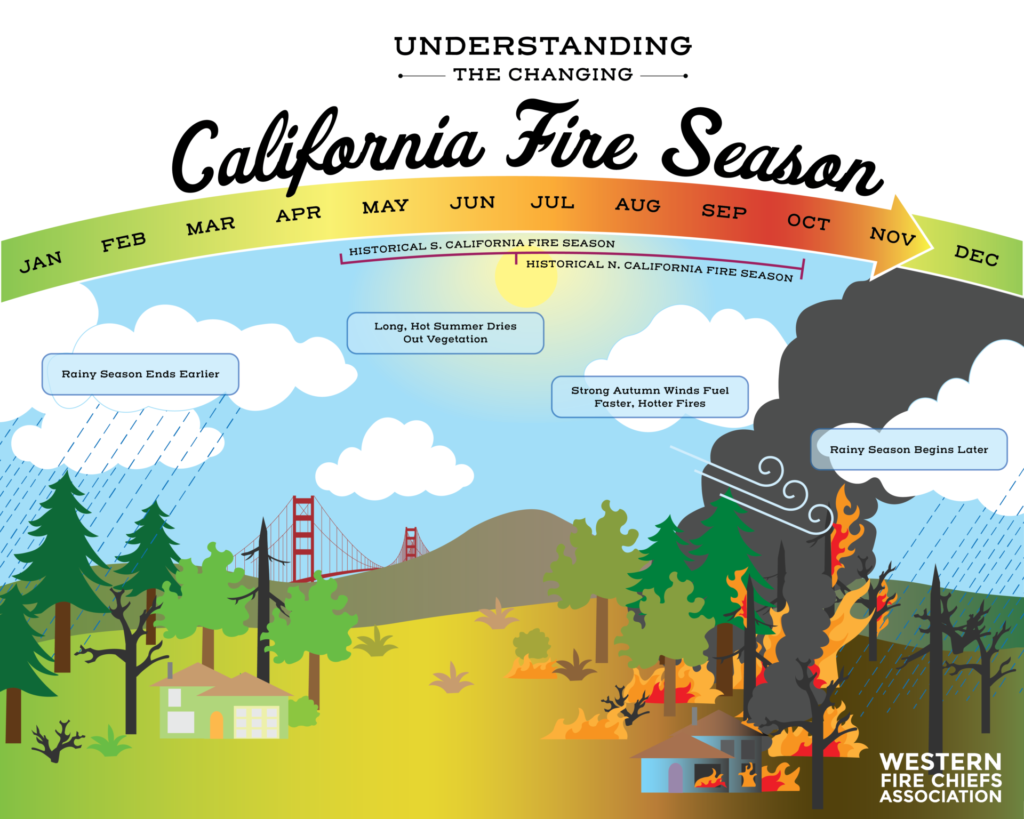
Seasonal Patterns and Contributing Factors
Wildfire season in California typically runs from late spring through late fall, peaking during the hot, dry months of summer and early autumn. This period is characterized by high temperatures, low humidity, and strong Santa Ana or Diablo winds, which can rapidly spread flames. Drought conditions, which have become increasingly severe and prolonged, also play a significant role, turning vast areas of vegetation into highly combustible fuel. Understanding these seasonal patterns is the first step in planning a responsible and informed trip. While a “wildfire season” exists, fires can, and occasionally do, occur outside of these traditional windows, particularly with changing climate patterns.
Historical Impact on Travel and Tourism
Historically, wildfires have had a varied but significant impact on California’s travel and tourism industry. Direct impacts include road closures, evacuations, and the temporary closure of national parks, state parks, and other attractions. Air quality can also be severely affected, even hundreds of miles from an active fire, leading to hazy skies and health concerns for visitors, particularly those with respiratory issues. Beyond the immediate disruptions, wildfires can also deter future travel, as potential visitors may perceive the entire state as unsafe or irrevocably damaged. However, it’s crucial to remember that California is a vast state, and while some areas may be severely impacted, many popular destinations remain untouched and open for business. For example, a fire in Northern California might have no bearing on a trip to San Diego in the south, though smoke could be a widespread issue.
Current Status and Key Affected Regions
The question “Are California wildfires out?” is rarely a simple yes or no, as conditions can change rapidly. It’s more accurate to inquire about the current status of active fires and the regions they are impacting.
Monitoring Active Fires and Air Quality
Travelers must rely on official, up-to-date resources for information. The California Office of Emergency Services (CalOES), the California Department of Forestry and Fire Protection (CAL FIRE), and the National Interagency Fire Center (NIFC) provide real-time maps and incident reports. These platforms detail the location, size, containment status, and potential threats posed by active fires. For air quality, resources like AirNow.gov offer localized data, crucial for understanding potential health impacts. Before and during your trip, regular checks of these sources are essential for any itinerary involving natural areas or regions prone to wildfires. Local news outlets also provide valuable on-the-ground reporting.
Regions to Watch and Recovery Efforts
Specific regions in California are historically more vulnerable to significant wildfire activity. These often include parts of the Sierra Nevada foothills, forested areas of Northern California (such as Mendocino and Shasta County), and the chaparral-covered hillsides of Southern California (including parts of Ventura, Los Angeles, and San Bernardino Counties). Iconic national parks like Yosemite, Sequoia, and Kings Canyon have also faced threats, leading to temporary closures.
While recovery after a wildfire is a long and complex process, many affected areas demonstrate remarkable resilience. Tourism plays a vital role in this recovery, as visitors bring much-needed economic support. For example, after the devastating 2017 fires in the Napa and Sonoma Valleys, wineries and local businesses worked tirelessly to rebuild, welcoming guests back and demonstrating the strength of their communities. Travelers should research specific destinations to understand their current status and any ongoing recovery efforts.
Navigating Travel During Wildfire Threats
Traveling to California during or immediately after wildfire season requires careful planning and flexibility.
Essential Resources for Travelers
Beyond fire incident maps, travelers should monitor road conditions via Caltrans (the California Department of Transportation) and local sheriff’s departments. Many national and state parks have dedicated websites or social media channels that provide real-time updates on closures, advisories, and air quality within their boundaries. Booking accommodations with flexible cancellation policies is also a wise precaution. Always have a contingency plan and be prepared to alter your itinerary if conditions change. Packing an N95 mask can be a good idea for sensitive individuals, even if the primary fire is far away, due to potential smoke drift.
Insurance and Rebooking Considerations
Travel insurance that covers natural disasters can provide a crucial safety net. Review policies carefully to understand what specific events are covered, such as mandatory evacuations, flight cancellations due to smoke, or non-refundable bookings. If a wildfire impacts your travel plans, contact your airline, hotel, or tour operator immediately to inquire about rebooking or refund options. Many companies offer waivers or flexible policies during times of widespread natural disaster. It’s important to act promptly and keep all documentation of communications.
Planning Your California Trip Responsibly
Even with the possibility of wildfires, California remains an incredible travel destination. Responsible planning ensures both your safety and a positive impact on the communities you visit.
Alternative Destinations and Experiences
If your primary destination is affected, consider pivoting to alternative regions of California that are unaffected. The state is vast and offers an incredible array of experiences. If mountain parks are closed, perhaps explore coastal towns like Monterey, Santa Barbara, or La Jolla. If inland areas are smoky, the fresh sea air might be a welcome change. California’s cities – San Francisco, Los Angeles, Sacramento – offer world-class museums, dining, and cultural attractions that are typically less impacted by wildfires, except perhaps by distant smoke. Embrace flexibility and use the opportunity to discover less-traveled gems.
Supporting Affected Communities
When wildfires impact a region, local businesses often suffer significantly from reduced tourism. If you choose to visit an area that has recently recovered or is in the process of doing so, your patronage can be incredibly valuable. Support local hotels, restaurants, shops, and tour operators. Engage with the community and inquire about their recovery efforts. Many destinations, like parts of the Redwood National and State Parks region, rely heavily on tourism, and a mindful visit can contribute directly to their economic resilience and rebirth.
Fire Safety for Travelers
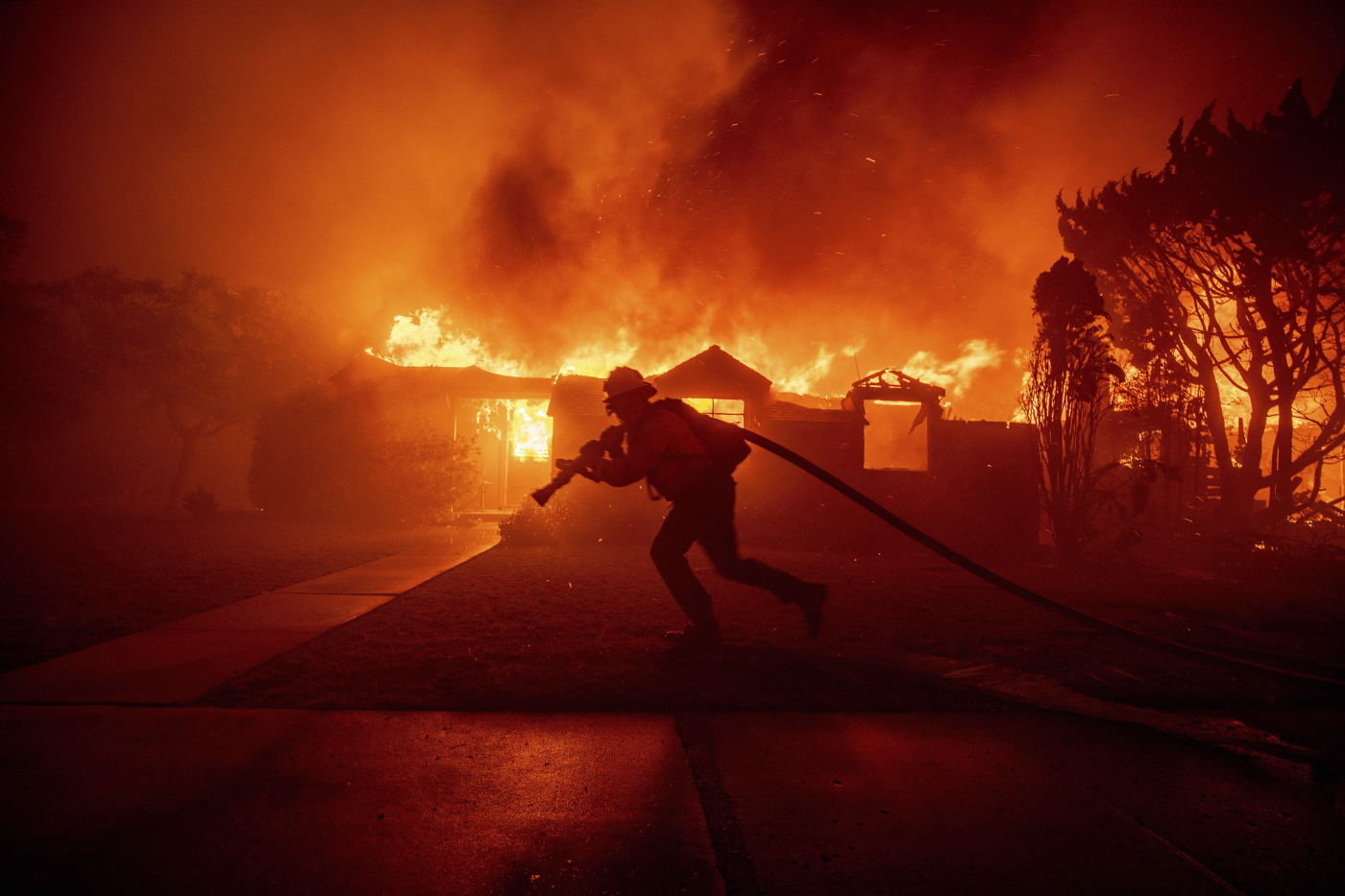
Every traveler has a role in preventing wildfires. Be acutely aware of fire restrictions, especially when visiting national forests or parks. This includes obeying bans on campfires, observing smoking regulations, and properly disposing of cigarettes. Ensure your vehicle’s chains are not dragging on the pavement, which can cause sparks. If you’re hiking, stay on marked trails and avoid any activities that could inadvertently start a fire. Educate yourself on evacuation routes and emergency procedures for your specific location. Your vigilance helps protect California’s’s natural beauty and the communities that call it home.
In conclusion, while the question “Are California wildfires out?” remains a dynamic one, informed and responsible travel planning allows visitors to experience the state’s wonders safely and respectfully. By staying updated, having flexible plans, and adhering to safety guidelines, your California adventure can be as breathtaking as ever.
LifeOutOfTheBox is a participant in the Amazon Services LLC Associates Program, an affiliate advertising program designed to provide a means for sites to earn advertising fees by advertising and linking to Amazon.com. Amazon, the Amazon logo, AmazonSupply, and the AmazonSupply logo are trademarks of Amazon.com, Inc. or its affiliates. As an Amazon Associate we earn affiliate commissions from qualifying purchases.