
Embarking on a career as a firefighter in Oregon is a noble pursuit, demanding physical prowess, mental fortitude, and an unwavering commitment to public service. The path to donning the uniform involves rigorous training, specific qualifications, and a deep understanding of the firefighting profession. This guide will navigate you through the essential steps and considerations for aspiring firefighters in the Beaver State, from initial requirements to the ongoing commitment of the role.
Understanding the Firefighter Role and Oregon’s Landscape
The role of a firefighter extends far beyond extinguishing flames. Modern firefighters are highly trained professionals equipped to handle a diverse range of emergencies, including medical incidents, hazardous material spills, vehicle accidents, and technical rescues. They are crucial first responders, often arriving at scenes before other emergency services, providing immediate life-saving care and stabilization.
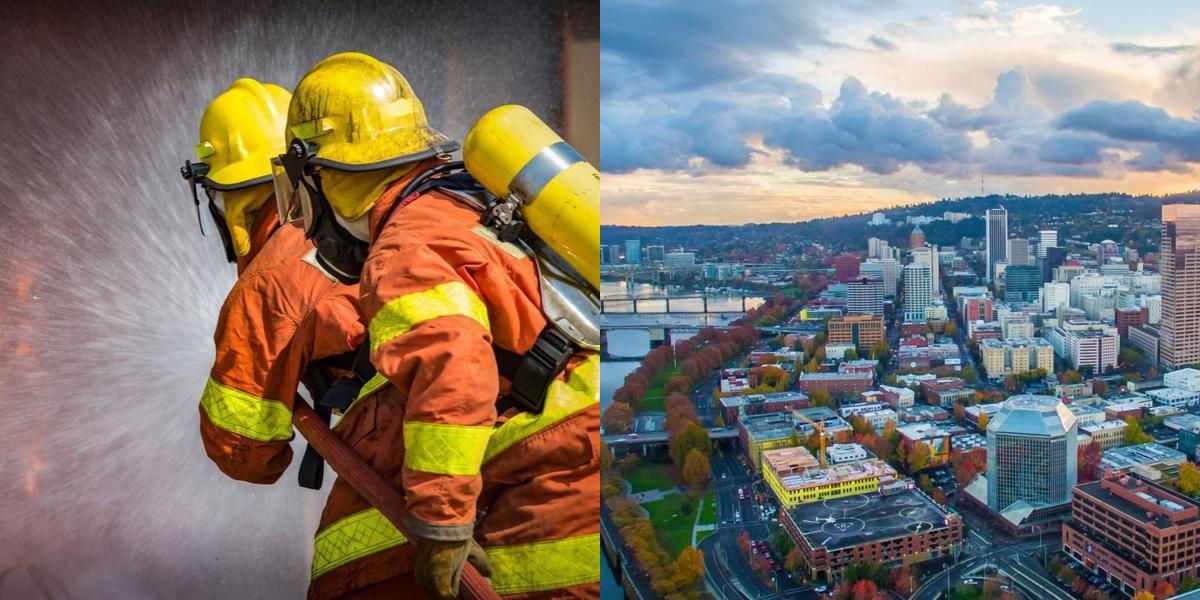
Oregon presents a unique operational environment for its firefighters. The state’s varied topography, from the densely forested areas susceptible to wildfires to the urban centers with complex infrastructure, demands adaptable and skilled personnel. Fire departments across Oregon, whether municipal, rural, or inter-agency, are tasked with protecting communities from a spectrum of threats. Understanding these regional challenges is the first step in preparing for a career in this demanding field.
The Diverse Needs of Oregon Communities
- Wildfire Management: With extensive forests and a dry season, wildfire suppression is a significant responsibility for many Oregon fire agencies, particularly those in eastern and southern parts of the state. This can involve specialized training and deployment for wildland firefighting.
- Urban Response: Cities like Portland, Salem, and Eugene require firefighters adept at handling structural fires, complex rescue operations, and a high volume of medical calls.
- Rural and Wilderness Rescue: Many areas in Oregon require firefighters to be skilled in search and rescue operations in remote and challenging terrain, often involving natural hazards.
- Medical Emergencies: The majority of calls for fire departments today are medical in nature. Firefighters are often trained as Emergency Medical Technicians (EMTs) or paramedics, providing critical pre-hospital care.
Core Responsibilities of an Oregon Firefighter
- Emergency Response: Responding to fire alarms, medical emergencies, and other public safety incidents.
- Fire Suppression: Using hoses, ladders, and other equipment to extinguish fires and protect life and property.
- Rescue Operations: Performing extrications from vehicles, technical rescues from heights or confined spaces, and water rescues.
- Medical Assistance: Providing advanced life support or basic life support depending on their certification level.
- Hazardous Materials (HazMat) Mitigation: Safely containing and neutralizing chemical spills or other hazardous material threats.
- Public Education and Prevention: Conducting fire safety inspections, presenting fire prevention programs, and engaging with the community.
- Training and Maintenance: Continuously honing skills through drills, participating in physical fitness programs, and maintaining equipment and apparatus.
Essential Qualifications and Application Process
Becoming a firefighter in Oregon is a competitive process that typically begins with meeting foundational educational and physical requirements. Each fire department will have its own specific application process, but common elements include background checks, written examinations, physical agility tests, and oral interviews.
Minimum Educational and Age Requirements
- Age: Most Oregon fire departments require applicants to be at least 18 years old, and sometimes 21, depending on the department’s policies and the nature of the role.
- Education: A high school diploma or GED is almost universally required. Some departments may prefer or require some college coursework, particularly in fields like emergency medical services, fire science, or related disciplines.
- Driver’s License: A valid Oregon driver’s license is essential.
Crucial Certifications and Experience
- EMT Certification: While not always a mandatory requirement for entry-level positions, being a certified Emergency Medical Technician (EMT) or Paramedic significantly enhances an applicant’s competitiveness. Many departments will require EMT certification within a specified period after hire if not already possessed.
- Firefighter Academy: Graduates of a state-certified Firefighter I academy are highly sought after. These academies provide comprehensive training in firefighting techniques, safety, and equipment operation. Some departments sponsor candidates through an academy, while others expect applicants to have completed one independently.
- Wildland Firefighting Experience: For departments with a significant wildland fire response component, prior experience or certifications such as the S-130/S-190 courses can be advantageous.
The Application and Hiring Stages
- Application Submission: Monitor the career pages of fire departments you are interested in. Applications are typically submitted online through the department’s website or a third-party recruitment platform.
- Written Examination: This assesses cognitive abilities, problem-solving skills, and general knowledge. It often includes aptitude, reading comprehension, and basic math sections.
- Physical Agility Test (PAT): This is a critical hurdle designed to simulate the physical demands of the job. Typical components include stair climbing, hose pulling, ladder raising, forcible entry, search and rescue simulation, and carrying heavy equipment. Candidates must successfully complete each event to advance.
- Background Investigation: This thorough review covers criminal history, driving record, and past employment. A clean record is essential.
- Medical Examination: Candidates undergo a comprehensive medical evaluation to ensure they meet the stringent physical health standards required for firefighting, including vision, hearing, and cardiovascular health. Drug screening is also standard.
- Oral Interview: This stage assesses communication skills, critical thinking, problem-solving abilities, and suitability for the fire service culture. Candidates are often asked situational questions to gauge their decision-making under pressure.
- Chief’s Interview: A final interview with the Fire Chief or other high-ranking officials, often the last step before a conditional offer of employment.
- Academy and Probation: Upon hire, new recruits will typically attend a fire academy (if not already completed) or undergo departmental field training. This is followed by a probationary period, during which performance is closely monitored.

Preparing for the Physical and Mental Demands
The physical and mental resilience required to be an effective firefighter cannot be overstated. Training and preparation are continuous throughout a career, beginning long before an application is even submitted.
Physical Conditioning
A robust physical fitness regimen is paramount. Aspiring firefighters should focus on:
- Cardiovascular Endurance: Running, swimming, cycling, and other aerobic activities build the stamina needed for prolonged exertion.
- Strength Training: Focus on compound movements that engage multiple muscle groups, such as squats, deadlifts, lunges, push-ups, and pull-ups. This is crucial for carrying equipment, victim rescue, and climbing.
- Grip Strength: Essential for handling tools, hoses, and ladders. Exercises like farmer’s walks and dead hangs can be beneficial.
- Flexibility and Mobility: Incorporating stretching and mobility exercises helps prevent injuries and improves range of motion, which is vital for navigating confined spaces and performing rescues.
Mental Preparedness and Stress Management
Firefighting is an inherently stressful profession, involving exposure to trauma, high-risk situations, and demanding work schedules. Developing mental resilience involves:
- Understanding Stress Triggers: Recognizing what situations might cause stress and developing coping mechanisms.
- Building a Support System: Relying on family, friends, and fellow firefighters for emotional support.
- Practicing Mindfulness and Relaxation Techniques: Meditation, deep breathing exercises, and other mindfulness practices can help manage stress in the moment and over the long term.
- Seeking Professional Help: The fire service increasingly emphasizes mental health awareness. Utilizing resources like peer support groups or professional counseling is a sign of strength.
- Familiarity with the Job: Understanding the realities of the job, including the emotional toll, through talking to current firefighters or attending informational sessions.
The Firefighter Academy and Beyond
Successfully completing the hiring process leads to the fire academy, the crucible where theoretical knowledge meets practical application. This intensive training period is designed to forge recruits into competent firefighters.
Fire Academy Curriculum
The academy curriculum is comprehensive and covers a wide array of essential skills and knowledge, including:
- Fire Behavior and Hydraulics: Understanding how fires start, spread, and how to apply water effectively.
- Firefighting Tactics and Strategies: Learning various methods for attacking fires in different types of structures and environments.
- Building Construction: Recognizing how buildings are constructed to anticipate fire spread and structural collapse.
- Hazardous Materials Response: Identifying and mitigating risks associated with hazardous substances.
- Emergency Medical Care: Advanced training in first aid, CPR, and advanced life support (ALS) if pursuing paramedic certification.
- Rescue Techniques: Training in vehicle extrication, confined space rescue, high-angle rescue, and water rescue.
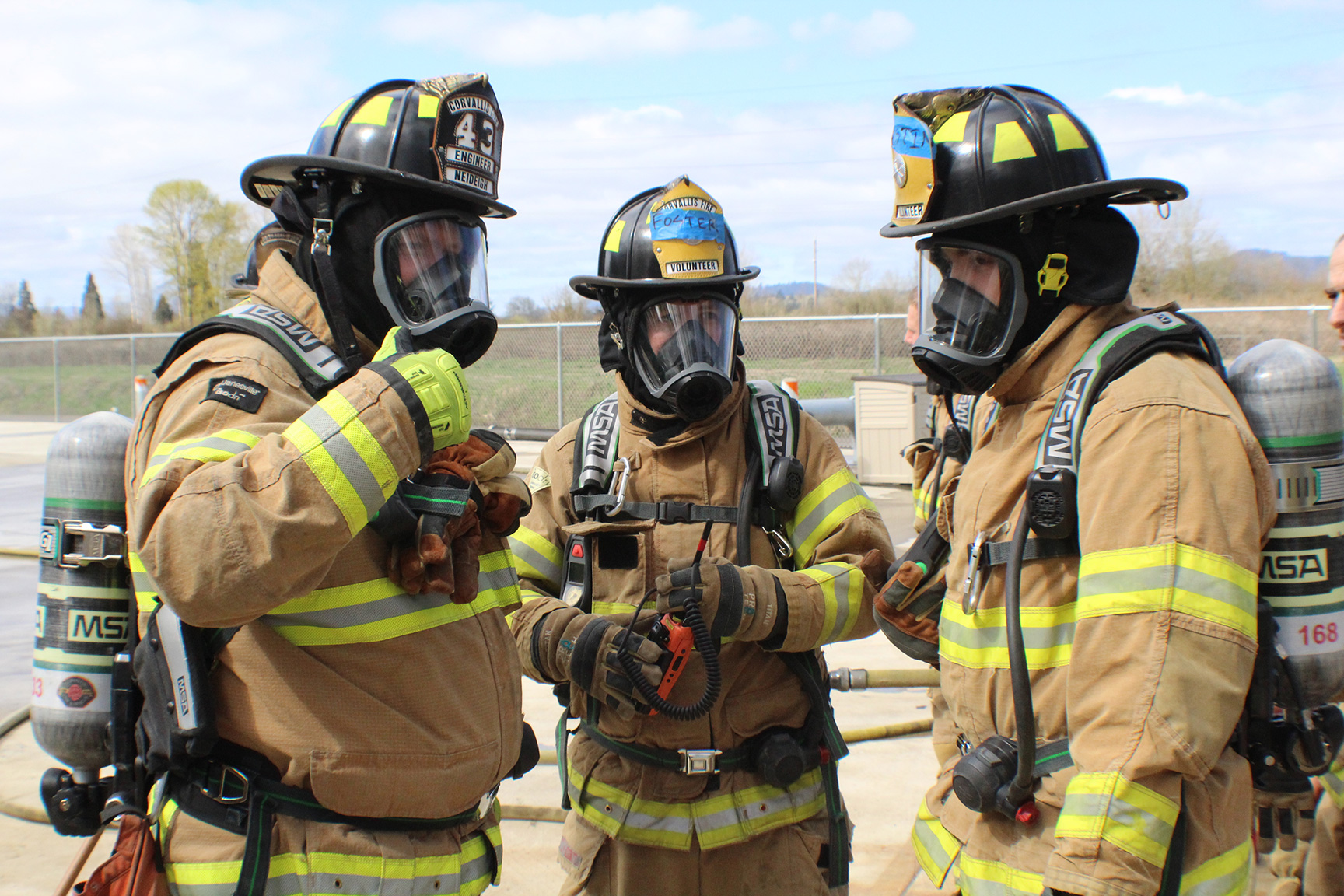
- Personal Protective Equipment (PPE) Usage: Proper donning, doffing, and maintenance of turnout gear.
- Apparatus Operation and Maintenance: Understanding the function and operation of fire engines, ladder trucks, and other specialized vehicles.
- Incident Command System (ICS): Learning how to manage emergency incidents effectively and safely.
- Physical Fitness and Teamwork: Daily physical training and exercises designed to build camaraderie and improve physical capabilities.
Continuous Professional Development
Graduating from the academy is not the end of learning; it’s the beginning. The firefighting profession demands continuous growth and adaptation:
- In-Service Training: Regular drills, workshops, and simulations keep skills sharp and introduce new techniques and technologies.
- Specialization: Firefighters may choose to specialize in areas such as technical rescue, hazardous materials, arson investigation, or dive rescue.
- Promotional Opportunities: With experience and further education, firefighters can advance to ranks such as Lieutenant, Captain, Battalion Chief, and beyond.
- Advanced Medical Certifications: Pursuing higher levels of medical training, such as paramedic or critical care transport, is common.
- Wildland Fire Certifications: For those interested in or working with wildland fire agencies, obtaining advanced wildland certifications is crucial.
Becoming a firefighter in Oregon is a challenging yet incredibly rewarding career path. It requires dedication, resilience, and a profound sense of duty to protect and serve the communities across this diverse and beautiful state. By understanding the qualifications, preparing diligently for the physical and mental demands, and embracing a commitment to lifelong learning, aspiring firefighters can lay a strong foundation for a successful and impactful career.
LifeOutOfTheBox is a participant in the Amazon Services LLC Associates Program, an affiliate advertising program designed to provide a means for sites to earn advertising fees by advertising and linking to Amazon.com. Amazon, the Amazon logo, AmazonSupply, and the AmazonSupply logo are trademarks of Amazon.com, Inc. or its affiliates. As an Amazon Associate we earn affiliate commissions from qualifying purchases.