
Nestled in the heart of Alaska’s Matanuska-Susitna Valley, Wasilla is more than just a dot on the map; it’s a vibrant community that serves as a pivotal gateway to some of the state’s most breathtaking natural wonders and iconic cultural experiences. For travelers seeking an authentic Alaskan adventure, understanding Wasilla’s strategic location and the diverse array of activities it offers is the first step toward an unforgettable journey. This town, rich in history and surrounded by unparalleled wilderness, invites visitors to explore its unique charm and use it as a base for wider explorations into the last frontier.
Gateway to the Mat-Su Valley
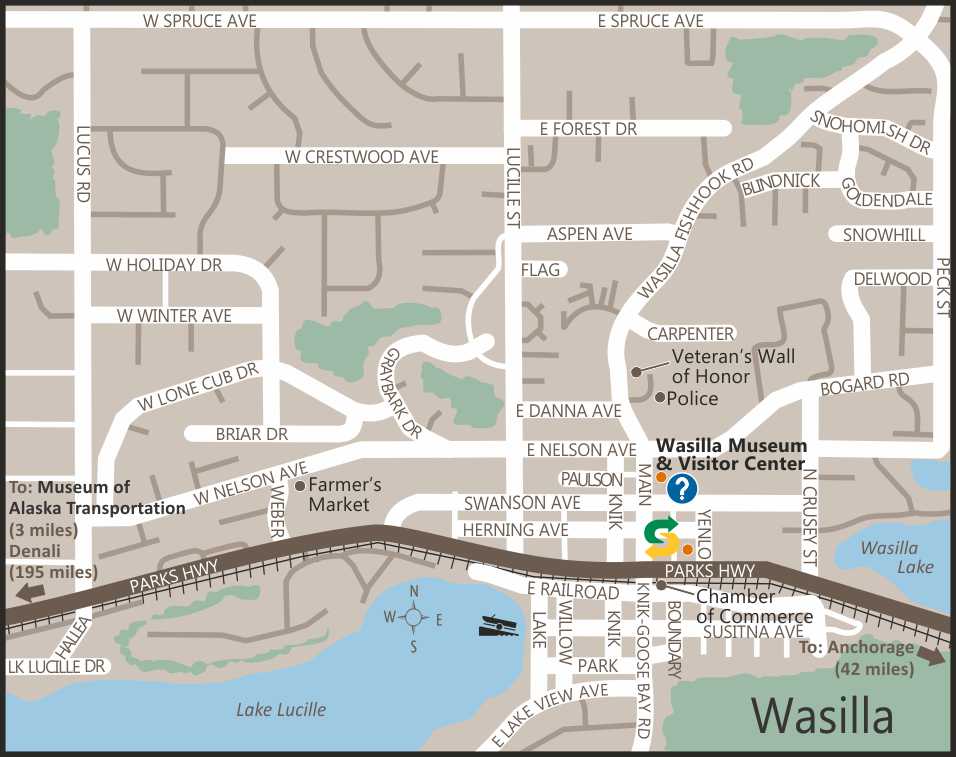
Wasilla is strategically located approximately 43 miles north of Anchorage, Alaska’s largest city. This proximity makes it easily accessible for travelers flying into Ted Stevens Anchorage International Airport and offers a convenient drive along the scenic Glenn Highway. The journey itself is an introduction to Alaska’s grandeur, with views of mountains, rivers, and vast wilderness unfolding along the route.
Geographical Context
Positioned within the fertile Matanuska-Susitna Valley, Wasilla benefits from a unique geographical setting. The valley, often simply referred to as the Mat-Su Valley, is cradled by the Chugach Mountains to the south, the Talkeetna Mountains to the north, and the Alaska Range further west. This creates a diverse landscape of glacial lakes, dense forests, and expansive farmlands, all contributing to the region’s appeal as an outdoor enthusiast’s paradise. The town sits at an elevation that allows for clear views of these surrounding mountain ranges, offering a sense of scale and natural beauty that defines much of interior Alaska. Its position makes it a natural stopover or base camp for those venturing north towards Denali National Park or east towards the picturesque town of Palmer and the historic Hatcher Pass Management Area.
A Hub for Alaskan Adventures
Wasilla’s location is not merely geographical; it’s a launchpad for countless Alaskan adventures. From here, visitors can easily access a spectrum of activities catering to all interests. The town itself is a commercial and cultural hub for the surrounding region, providing essential services, local insights, and a warm welcome to travelers. It serves as a vital staging point for exploring the broader Mat-Su Valley’s offerings, which include world-class fishing, hiking, wildlife viewing, and winter sports. Its role as the official home of the Iditarod Trail Sled Dog Race headquarters further cements its status as a significant cultural landmark for the state, drawing visitors keen to connect with Alaska’s legendary mushing heritage.
Experiencing Wasilla: Attractions and Activities
Wasilla offers a compelling mix of historical insight, cultural immersion, and abundant outdoor recreation, making it an ideal destination for travelers seeking a diverse Alaskan experience.
Historical and Cultural Insights
One of Wasilla’s most significant cultural touchstones is its deep connection to the Iditarod Trail Sled Dog Race. The official headquarters of the race are located here, providing visitors with a unique opportunity to delve into the history and spirit of “The Last Great Race on Earth.” The Iditarod Headquarters features a museum, gift shop, and often offers opportunities to see sled dogs and even take a summer dog sled ride. This immersive experience highlights the grit, determination, and enduring Alaskan spirit that defines mushing.
For a broader understanding of the region’s past, the Dorothy G. Page Museum and Wasilla Visitor Center stands as a testament to the town’s pioneering history. Named after the “Mother of the Iditarod,” the museum offers exhibits detailing the early settlement, gold rush era, and the development of the Mat-Su Valley. It’s an excellent resource for contextualizing the stunning landscapes with the human stories that shaped them.
Outdoor Recreation
The natural surroundings of Wasilla are an adventurer’s playground. The town is flanked by numerous lakes, including the prominent Wasilla Lake and Lake Lucille. These lakes are popular spots for fishing, boating, kayaking, and paddleboarding during the warmer months. Seaplane tours often depart from Lake Lucille, offering breathtaking aerial views of glaciers, mountains, and wildlife in remote areas, providing a truly unique Alaskan perspective.
Hiking and biking enthusiasts will find a network of trails surrounding Wasilla. A notable area is the nearby Palmer Hay Flats State Game Refuge, a vast wetland ecosystem ideal for birdwatching and wildlife viewing. Boardwalks and trails provide access to observe various migratory birds, moose, and other local fauna in their natural habitat. In winter, these trails transform into cross-country skiing and snowshoeing routes, while frozen lakes become popular for ice fishing. Snowmobiling is also a popular pastime, with extensive trails accessible from the Wasilla area, offering thrilling rides through pristine snowscapes.
Family-Friendly Fun
Beyond the immediate town, the majestic Hatcher Pass Management Area is a short drive away and offers an abundance of family-friendly activities. This stunning mountainous region provides spectacular scenery, hiking trails for all skill levels, and picnicking spots. Central to Hatcher Pass is Independence Mine State Historical Park, where visitors can explore preserved buildings from a historic gold mining operation. Guided tours and self-guided walks offer a glimpse into Alaska’s gold rush past, making history come alive for all ages. During late summer, Hatcher Pass is also known for its blueberry picking, adding a sweet and engaging activity for families.

Local Charm and Culinary Delights
While outdoor adventures often take center stage in Alaska, Wasilla also offers a delightful array of local charm, from unique shopping experiences to diverse culinary options that reflect the spirit of the Last Frontier.
Shopping and Local Goods
Wasilla’s local economy thrives on its community spirit, evident in its unique shops and galleries. Travelers can discover a variety of Alaskan crafts, locally produced art, and souvenirs that capture the essence of the region. From intricate Native Alaskan carvings to handcrafted jewelry and bespoke outdoor gear, there’s an opportunity to take home a piece of Alaska. Seasonal farmers markets, especially during the abundant summer months, showcase the incredible bounty of the fertile Matanuska Valley, famous for its giant vegetables. These markets offer fresh produce, homemade goods, and a chance to interact with local growers and artisans, providing an authentic taste of the community.
Dining Experiences
The culinary scene in Wasilla is diverse, catering to various palates while often emphasizing local Alaskan ingredients. Visitors can find everything from casual diners serving hearty breakfasts to more upscale restaurants offering fine dining experiences. Seafood, naturally, is a highlight, with fresh salmon, halibut, and crab often featured prominently on menus. Many establishments pride themselves on incorporating wild game meats, such as caribou or moose, into their dishes, offering a truly Alaskan culinary adventure. Beyond traditional fare, there are also eateries serving international cuisine, cafes for a quick coffee and pastry, and local breweries where one can sample craft beers brewed with glacial water, providing a refreshing end to a day of exploration.
Planning Your Wasilla Visit: Practical Tips
To ensure a seamless and enjoyable trip to Wasilla, a few practical considerations are essential for travelers.
Best Time to Visit
The ideal time to visit Wasilla largely depends on the desired activities. Summer, from June to August, is the most popular season. During these months, Wasilla enjoys long daylight hours, mild temperatures, and prime conditions for hiking, fishing, boating, and wildlife viewing. This is also when all attractions and services are fully operational. However, be prepared for larger crowds and higher prices for accommodations and tours.
Winter, from December to March, transforms Wasilla into a snowy wonderland. This is the perfect time for winter sports like cross-country skiing, snowmobiling, and ice fishing. The atmosphere is quiet and serene, and visitors might even catch a glimpse of the Northern Lights on clear nights. February and March are particularly special as they mark the annual Iditarod Trail Sled Dog Race events, culminating in the ceremonial start of the race.
Spring (April-May) and Fall (September-November) are shoulder seasons, offering fewer crowds and often lower prices. Spring brings thawing landscapes and awakening wildlife, while fall presents stunning autumn foliage and good opportunities for fishing and hunting.
Transportation Around Wasilla
While Wasilla has a town center, exploring the broader Mat-Su Valley and its numerous attractions necessitates a vehicle. Car rental is highly recommended and can be secured at Ted Stevens Anchorage International Airport upon arrival. Public transportation within Wasilla and the surrounding areas is limited, making a personal vehicle the most practical and flexible option for travelers. Roads are generally well-maintained, but visitors traveling in winter should be prepared for snowy and icy conditions and ensure their rental vehicle is equipped with appropriate tires.
Accommodation Options
Wasilla offers a range of accommodation choices to suit different preferences and budgets. Travelers can find established hotels, charming bed and breakfasts, and various vacation rentals. These options provide comfortable bases from which to explore the town and embark on daily excursions into the Alaskan wilderness. Early booking is advisable, especially during the peak summer season and around major events like the Iditarod.
Essential Gear
Regardless of the season, packing in layers is crucial for any Alaskan adventure due to the unpredictable weather. In summer, include light breathable clothing, a waterproof and windproof jacket, sturdy hiking shoes, and insect repellent. For winter travel, insulated outerwear, thermal layers, waterproof boots, gloves, and a warm hat are indispensable. Sun protection, including sunglasses and sunscreen, is important year-round, as the Alaskan sun can be intense, especially with reflection off snow or water. Binoculars are also a valuable addition for wildlife viewing and scenic appreciation.
LifeOutOfTheBox is a participant in the Amazon Services LLC Associates Program, an affiliate advertising program designed to provide a means for sites to earn advertising fees by advertising and linking to Amazon.com. Amazon, the Amazon logo, AmazonSupply, and the AmazonSupply logo are trademarks of Amazon.com, Inc. or its affiliates. As an Amazon Associate we earn affiliate commissions from qualifying purchases.