
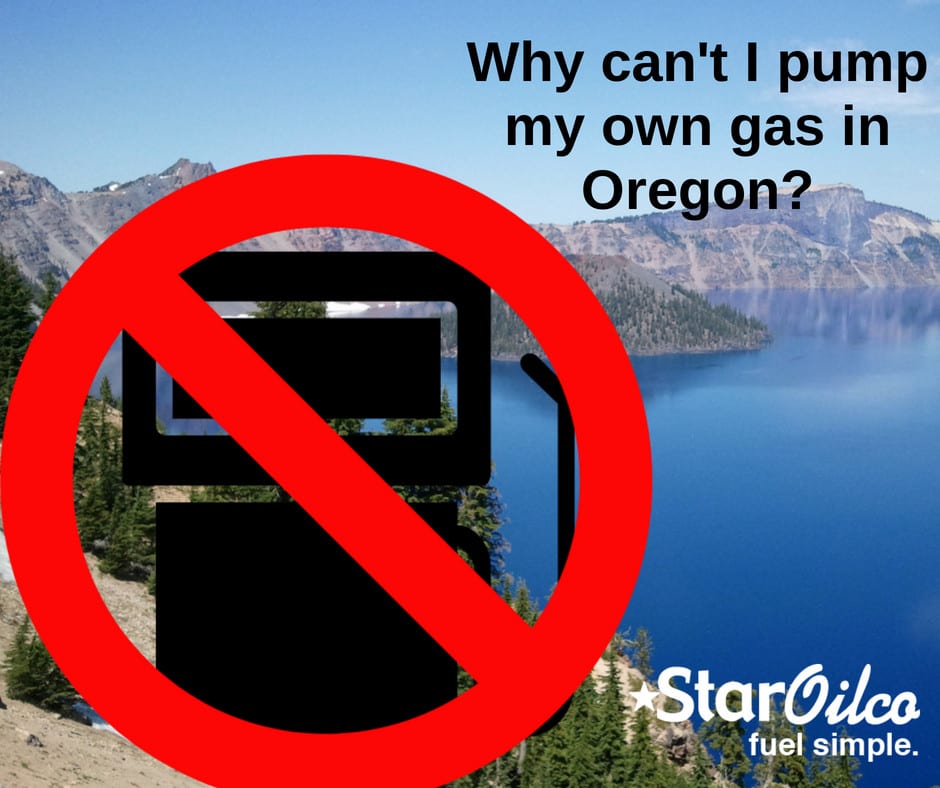
For decades, a distinctive quirk of travel in Oregon meant that drivers could not pump their own gasoline. This unique regulation, often a source of bemusement and occasional frustration for visitors, has been a defining characteristic of the state’s service station experience. However, recent legislative changes have altered this long-standing tradition. Understanding this shift is crucial for any traveler navigating the scenic byways and bustling urban centers of the Beaver State.
The prohibition against self-service gasoline was rooted in a variety of historical arguments, primarily focused on safety and employment. Proponents of the law emphasized the potential dangers associated with untrained individuals handling flammable fuels, citing risks of fire, spills, and improper disposal of hazardous materials. Beyond safety, the legislation was also seen as a means of preserving jobs for service station attendants, ensuring employment opportunities within local communities. This dual focus on public safety and economic support shaped Oregon’s approach to refueling for a significant period.
The Historical Landscape of Oregon’s Gas Pumping Laws
The journey to the eventual lifting of the self-service ban was a gradual one, marked by decades of debate and legislative maneuvering. The initial prohibition was established in the mid-20th century, a time when service station attendants were a common sight, providing a full range of automotive services, from fueling to car washing and minor repairs. The convenience of a full-service experience was deeply ingrained in the culture, and the idea of drivers handling their own refueling was largely foreign.
Early Arguments and Safety Concerns
The primary driver behind the initial ban was the perceived risk associated with self-service gasoline. Fire departments and safety advocates raised concerns about the potential for accidents. These included:
- Static Electricity: The risk of static discharge igniting gasoline vapors.
- Improper Nozzle Handling: The possibility of overfilling tanks or causing spills.
- Disposal of Contaminated Materials: Concerns about how customers might dispose of oily rags or other hazardous waste.
- Underage Operation: Worries about minors operating fuel pumps without adequate training or supervision.
These safety concerns, while perhaps more pronounced in an era with less sophisticated safety equipment at gas stations, formed the bedrock of the legal framework.
Economic Considerations and Job Preservation
Alongside safety, the economic impact of self-service gasoline was a significant factor. The service station attendant position was a visible source of local employment. Banning self-service was viewed as a way to:
- Maintain Employment: Protecting the jobs of thousands of service station attendants.
- Support Local Businesses: Ensuring that gas stations continued to offer a service that required human labor, thereby bolstering the local economy.
- Provide a Fuller Service Model: Encouraging gas stations to offer a more comprehensive service, which could include windshield cleaning, oil checks, and tire pressure adjustments, enhancing the overall customer experience.
This economic argument resonated with many, particularly in smaller towns where service stations often served as community hubs.
The Shifting Tide: Towards Self-Service
For many years, Oregon remained one of the last states in the United States to maintain this restriction. Neighboring states like Washington and California had long allowed their residents and visitors to pump their own gas. This created a unique point of difference for travelers, who would often have to adapt to the full-service model upon entering Oregon.
The Legislative Battle
The debate over self-service gas in Oregon was not a new one. It had been a recurring topic in the state legislature for decades. Proponents of self-service argued that it would:
- Lower Gas Prices: By reducing labor costs for gas stations, potentially leading to lower prices for consumers.
- Increase Convenience: Allowing drivers to refuel at their own pace, especially during busy travel times.
- Align with National Standards: Bringing Oregon in line with the vast majority of the country.
Opponents, however, continued to champion the safety and employment arguments, creating a persistent legislative deadlock.
The Breakthrough: Senate Bill 255
The turning point came in 2015 with the passage of Senate Bill 255 by the Oregon State Legislature. This landmark bill, signed into law by Governor Kate Brown, officially permitted self-service gasoline sales across the state. The legislation was carefully crafted to address the long-standing concerns, incorporating specific regulations to ensure safety.
The bill stipulated that:
- Limited Self-Service: Self-service pumps could be operated by customers, but only under the supervision of an employee.
- Safety Requirements: Gas stations were required to adhere to specific safety protocols, including proper signage and training for employees overseeing self-service operations.
- Full-Service Option: Importantly, the bill did not eliminate full-service gasoline. Stations were still permitted to offer attendants to pump gas for customers, ensuring that the traditional service remained available for those who preferred it. This hybrid approach aimed to balance progress with existing preferences and employment needs.
The implementation of this bill was phased, allowing gas stations time to adapt their facilities and train their staff.
The Modern Refueling Experience in Oregon
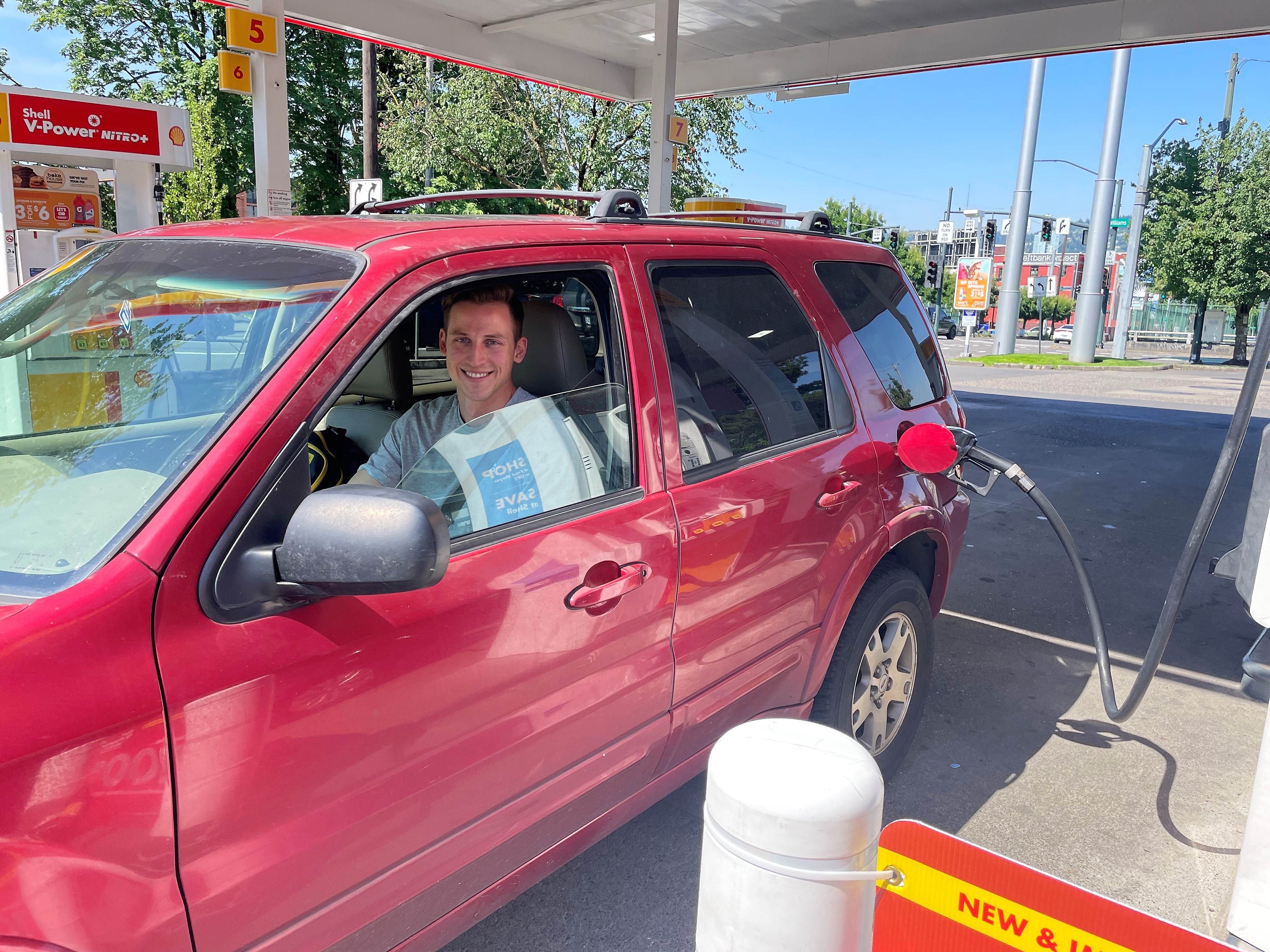
With the advent of self-service, the way travelers and residents refuel in Oregon has fundamentally changed. While the full-service option is still available at many stations, drivers now have the autonomy to pump their own fuel, mirroring the experience in most other parts of the country.
What Travelers Need to Know
For visitors to Oregon, the key takeaway is that you can indeed pump your own gas. However, it’s worth noting a few practical considerations:
- Look for Signs: Most stations will clearly indicate which pumps are designated for self-service and which offer full-service. Pay attention to the signage.
- Employee Supervision: While you can pump your own gas, you might still see an attendant present. The law requires that an employee be available to supervise self-service operations, which can include monitoring the pumps and assisting customers if needed.
- Full-Service Still an Option: If you are accustomed to or prefer the full-service experience, you can still find stations that offer it. Simply pull up to a pump where an attendant is present, and they will assist you. This can be particularly convenient if you’re unfamiliar with the station or are short on time.
- No Price Difference (Generally): While one might expect a price difference between self-service and full-service, this is not always the case. Gas station pricing is largely competitive, and the cost savings from reduced labor may not always translate directly to a lower pump price for self-service.
The ability to pump your own gas has, for many, added a layer of convenience and familiarity to refueling stops, especially for those undertaking extensive road trips that might include stops in multiple states.
The Enduring Legacy of Full-Service
Despite the legalization of self-service, the spirit of full-service gas stations continues to hold a place in Oregon. Many station owners have chosen to retain their full-service operations, recognizing the loyalty of customers who value the personalized attention and additional services that come with it. These stations offer more than just fuel; they provide a brief respite, a chance for a quick windshield wash, or a friendly chat.
The shift to allowing self-service was a significant legislative undertaking, reflecting a broader societal and economic evolution. It represents a compromise, allowing for greater consumer choice and convenience while still acknowledging the importance of safety and the value of employment in the service industry.
Navigating Gas Stations in Oregon Post-Legislation
The landscape of gas stations in Oregon has evolved considerably since the implementation of Senate Bill 255. For travelers, understanding the subtle nuances can enhance their journey and ensure a smooth refueling experience.
Identifying Service Options
When you pull into a gas station in Oregon, you will likely notice different configurations. Some stations may be entirely self-service, with a bank of pumps where customers handle the entire process. Others will have a mix, offering both self-service lanes and designated full-service bays.
- Self-Service Bays: These are typically marked with clear signage indicating that customers can pump their own gas. You will insert your payment method (credit card, cash, or pre-paid card) and proceed to select your fuel grade and begin pumping.
- Full-Service Bays: These are usually identifiable by the presence of uniformed attendants. If you pull into one of these bays, an attendant will approach your vehicle to take your order and pump your fuel. They may also offer additional services like checking your oil or tire pressure, depending on the station.
It’s always a good idea to look for overhead signs or attendant activity to determine the most suitable option for your needs.
Etiquette and Tips for Travelers
While pumping your own gas is now legal, some general etiquette and practical tips can be helpful for travelers:
- Be Mindful of Attendants: If you choose to use a full-service lane, be patient and allow the attendant to complete their tasks efficiently.
- Payment Methods: Most stations accept major credit cards. Some may also offer loyalty programs or discounts for using their branded cards. If paying with cash, you may need to pay inside first before pumping.
- Stay Aware of Surroundings: As with any gas station visit, remain aware of your surroundings for safety.
- Consider the Environment: If you notice any spills, report them to the station attendant. Proper disposal of any materials you may have (like used paper towels) is also encouraged.
The ability to choose between self-service and full-service provides flexibility that was previously unavailable to those traveling through Oregon. This change has made the refueling process more akin to what visitors experience in other states, simplifying travel logistics for many.
The Broader Impact on Tourism and Travel
The lifting of the self-service gas ban has had a subtle but significant impact on the travel experience in Oregon. Historically, the unique rule was often a talking point for visitors, a quirky anecdote they might share about their trip. Now, the state aligns more closely with national travel norms, potentially streamlining the journey for many.
Accessibility and Convenience for Visitors
For tourists on road trips, particularly those covering vast distances across multiple states, the ability to pump their own gas in Oregon removes one less variable to manage. It means:
- Predictable Refueling: Travelers can generally anticipate the same refueling process they are accustomed to elsewhere.
- Time Savings: For those on tight schedules, self-service can offer a quicker refueling option.
- Reduced Confusion: Eliminates the need to explain or adapt to a different system.
This increased convenience contributes to a smoother and potentially more enjoyable travel experience, allowing visitors to focus more on the attractions and landscapes that Oregon has to offer, from the majestic Crater Lake National Park to the vibrant city of Portland.
The Economic Ripple Effect
The legislative change also has economic implications. While the goal was to preserve some jobs, the shift towards self-service allows gas station owners greater flexibility in staffing and operations. This could potentially lead to more competitive pricing or allow for investment in other customer service aspects. The continued availability of full-service options ensures that the historical employment model is not entirely erased, offering a compromise that balances economic realities with established customer preferences.
A Lingering Sense of the Past
Even with self-service now legal, the legacy of the full-service era is not entirely forgotten. Many long-time residents and even some travelers fondly recall the days when a stop at the gas station was a more personal interaction. While the law has changed, the cultural memory of this unique aspect of Oregon’s past remains. This blend of the familiar and the novel continues to shape the character of the state, making it a destination that is both modern and deeply rooted in its history.
LifeOutOfTheBox is a participant in the Amazon Services LLC Associates Program, an affiliate advertising program designed to provide a means for sites to earn advertising fees by advertising and linking to Amazon.com. Amazon, the Amazon logo, AmazonSupply, and the AmazonSupply logo are trademarks of Amazon.com, Inc. or its affiliates. As an Amazon Associate we earn affiliate commissions from qualifying purchases.