
Oregon, a state renowned for its diverse landscapes ranging from the dramatic Pacific Coast to the high desert, offers a compelling lifestyle for those seeking natural beauty and a vibrant cultural scene. However, the allure of the Beaver State comes with a price tag, and understanding the cost of living is paramount for anyone considering a move or planning an extended visit. This guide delves into the financial realities of residing in Oregon, exploring key expenses across various categories.
Housing Costs: The Largest Determinant
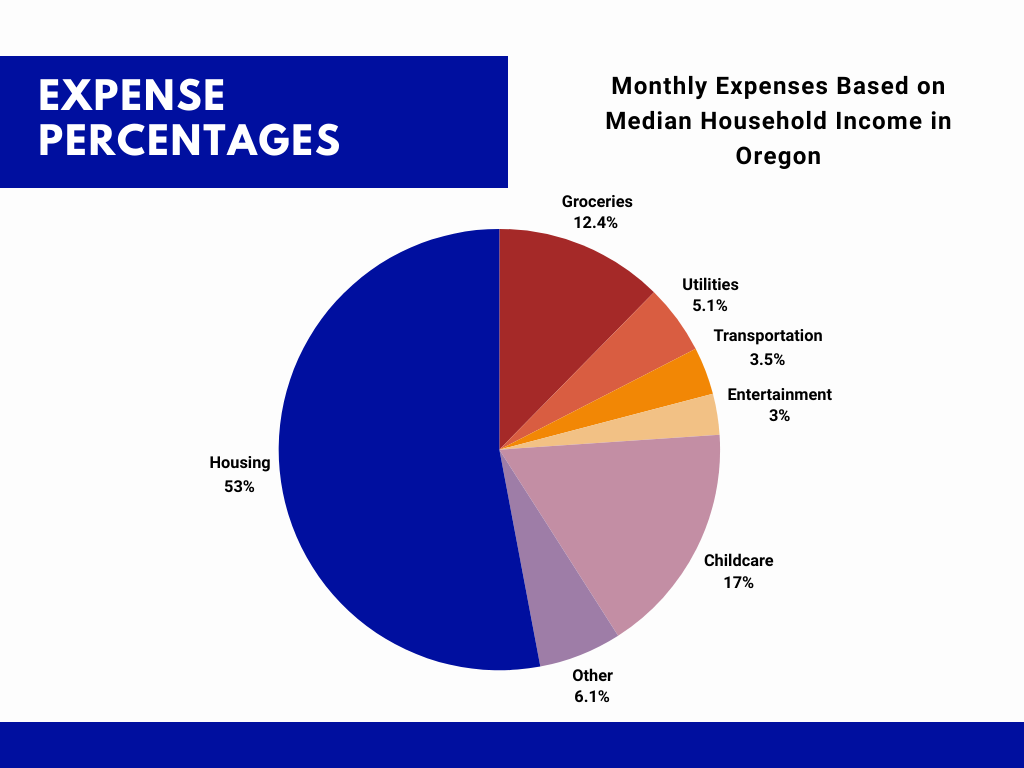
Housing is undeniably the most significant factor influencing the cost of living in Oregon. Prices vary dramatically depending on the region, with metropolitan areas like Portland commanding higher rents and property values than more rural or smaller city locales.
Renting in Oregon
For renters, the monthly expense can be substantial. In Portland, the median rent for a one-bedroom apartment can range from $1,500 to over $2,000, with more upscale neighborhoods or larger units easily exceeding these figures. Cities like Beaverton and Hillsboro, which are part of the Portland metropolitan area, often see similar rental rates.
Moving away from the major urban centers can offer some relief. Cities such as Eugene, Salem, and Bend typically have lower average rents, though Bend, with its popularity for outdoor recreation, has seen its housing market tighten considerably in recent years. A one-bedroom apartment in these areas might range from $1,100 to $1,600 per month.
Smaller towns and more remote areas, particularly in Eastern Oregon or the southern parts of the state, can offer more affordable rental options, with a one-bedroom apartment potentially costing $800 to $1,200 per month. However, it’s crucial to research specific towns as local demand and economic conditions can still influence prices.
Homeownership in Oregon
The dream of homeownership in Oregon also comes with a significant investment. The median home price across the state has been on an upward trend. In the highly sought-after Portland metropolitan area, the median home price can easily surpass $500,000, with many desirable properties fetching much more.
Even in more moderately priced areas, securing a home requires substantial capital. Eugene, Salem, and Medford might see median home prices ranging from $350,000 to $450,000. Smaller towns and less developed regions can offer more accessible price points, potentially in the $250,000 to $350,000 range, but these markets are often more limited.
Beyond the purchase price, homeowners must also factor in property taxes, homeowner’s insurance, and potential maintenance costs. Property tax rates vary by county and locality, adding another layer to the overall housing expense.
Utilities and Transportation
Once housing is accounted for, other essential expenses like utilities and transportation play a vital role in the monthly budget.
Utility Costs
Oregon’s utility costs are generally in line with the national average, though they can fluctuate based on usage, season, and location.
- Electricity: Monthly electricity bills can range from $100 to $200 for an average household, depending on the size of the home and heating/cooling habits. Portland General Electric and Pacific Power are major providers in different regions.
- Water and Sewer: These services typically cost between $50 and $100 per month, varying based on water usage and local municipal rates.
- Natural Gas: For homes heated by natural gas, bills can be higher in winter months, potentially ranging from $75 to $150 or more during peak heating seasons.
- Internet and Cable: High-speed internet and cable TV packages can add another $75 to $150 per month to the household budget.
- Trash and Recycling: Monthly fees for waste management services usually fall between $20 and $40.
It is worth noting that Oregon’s commitment to renewable energy means many residents may opt for green energy plans, which can sometimes come at a slightly higher cost.
Transportation Expenses
Transportation costs in Oregon are influenced by public transit availability, commuting distances, and reliance on personal vehicles.
- Public Transportation: In Portland, the TriMet system, including buses, light rail (MAX), and streetcars, offers a relatively comprehensive public transit network. A monthly pass is generally affordable, around $100, making it a viable option for many urban dwellers. Other cities like Eugene also have public transit systems, though they are typically less extensive.
- Personal Vehicles: For those relying on cars, the costs include car payments, insurance, fuel, and maintenance. Gas prices in Oregon fluctuate but are often comparable to or slightly higher than the national average. Car insurance rates can vary significantly based on location, driving record, and vehicle type.
- Commuting: Long commutes, especially from outlying suburbs to major employment centers, can add considerable expense in terms of fuel and vehicle wear and tear.
Oregon’s scenic byways and extensive state park system encourage road trips, which, while enjoyable, also contribute to transportation costs.
Food and Groceries
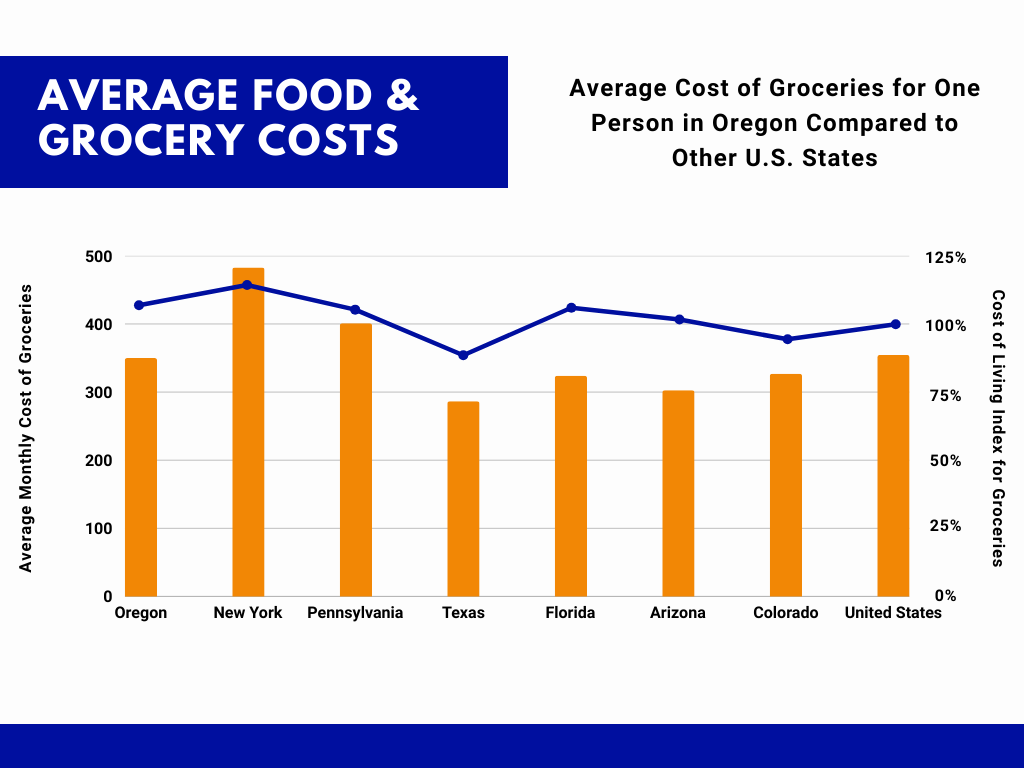
The cost of food is another significant component of the monthly budget. Oregon’s vibrant agricultural sector and a strong emphasis on local produce can influence grocery prices.
On average, a single person can expect to spend between $300 and $500 per month on groceries, while a family of four might spend between $700 and $1,000 or more. These figures can be higher in metropolitan areas due to increased demand and potentially higher overhead for retailers.
Oregonians often benefit from access to farmers’ markets and farm stands, especially during the warmer months. While these sources can offer high-quality, fresh produce, prices can sometimes be higher than in conventional supermarkets. The availability of diverse ethnic grocery stores also provides options for a wide range of culinary preferences and budgets.
Dining out can also add to food expenses. A casual meal for one at a moderately priced restaurant might cost $20 to $30, while a more upscale dining experience could easily reach $50 to $100 or more per person. Portland is particularly known for its diverse and acclaimed culinary scene, which can cater to various budgets, from food carts offering affordable and delicious meals to high-end restaurants.
Healthcare Expenses
Healthcare costs are a critical consideration for residents of any state. In Oregon, like the rest of the nation, these expenses can vary widely based on insurance coverage, individual health needs, and the specific providers used.
Oregon offers a state-run health insurance marketplace, HealthCare.gov, which allows individuals and families to compare and enroll in health insurance plans. Premiums can range from a few hundred dollars to over a thousand dollars per month for a family, depending on the plan chosen, income, and age.
Beyond premiums, out-of-pocket costs such as deductibles, co-pays, and co-insurance need to be factored in. For those with employer-sponsored insurance, the employer typically subsidizes a portion of the premium, reducing the out-of-pocket cost for the employee.
Preventative care, regular doctor visits, prescription medications, and potential emergency medical needs all contribute to the overall healthcare expenditure. It is advisable for prospective residents to research insurance options and anticipate these costs when budgeting for life in Oregon.
Entertainment and Lifestyle
Beyond the necessities, the cost of living also encompasses leisure activities and personal lifestyle choices. Oregon offers a wealth of opportunities for entertainment, recreation, and cultural engagement.
Outdoor Recreation
Oregon is an outdoor enthusiast’s paradise. Activities like hiking in the Columbia River Gorge, skiing at Mount Hood, exploring the Oregon Caves National Monument & Preserve, or visiting the Crater Lake National Park are often low-cost or free, requiring only transportation and perhaps a park pass. Camping, fishing, and beachcombing along the Oregon Coast are also popular and generally affordable pastimes.
Cultural Attractions
For those seeking cultural experiences, Oregon provides a vibrant array. Museums in Portland like the Portland Art Museum and the Oregon Museum of Science and Industry (OMSI) offer enriching experiences, with admission fees typically ranging from $20 to $30 per person. Concerts, theater performances, and sporting events can also add to entertainment budgets, with ticket prices varying widely.
Personal Care and Miscellaneous
Other lifestyle expenses include clothing, personal care items, gym memberships, hobbies, and dining out. These are highly discretionary and will depend on individual preferences and spending habits. A reasonable estimate for these miscellaneous expenses might range from $200 to $500 per month per person.
Taxes in Oregon
Oregon stands out for its unique tax structure. It is one of only five states in the U.S. that does not have a sales tax, which can be a significant advantage for consumers. However, this is offset by a progressive income tax system, which is among the highest in the nation.
The state income tax rates in Oregon range from 4.75% to 9.9%, depending on taxable income. This means that while you don’t pay sales tax on purchases, a larger portion of your earned income is paid in state taxes. Property taxes also exist and vary by county.
Understanding these tax implications is crucial for an accurate assessment of the overall cost of living. For high earners, the income tax burden can be a substantial factor, while for those who spend a significant portion of their income on goods and services, the absence of sales tax can provide considerable savings.

Conclusion: A Comprehensive Financial Picture
The cost of living in Oregon is a complex equation, heavily influenced by housing market dynamics, regional economic conditions, and individual spending habits. While the state offers unparalleled natural beauty and a high quality of life, it is essential to approach any relocation or extended stay with a realistic understanding of the financial commitments involved. From the substantial investment in housing to ongoing expenses for utilities, transportation, food, and healthcare, a well-planned budget is key to enjoying all that Oregon has to offer without financial strain. While the absence of sales tax is a notable benefit, the state’s income tax rates require careful consideration, especially for those with higher incomes. Ultimately, by meticulously examining each component of the cost of living, individuals and families can make informed decisions and successfully navigate their financial journey in the captivating state of Oregon.
LifeOutOfTheBox is a participant in the Amazon Services LLC Associates Program, an affiliate advertising program designed to provide a means for sites to earn advertising fees by advertising and linking to Amazon.com. Amazon, the Amazon logo, AmazonSupply, and the AmazonSupply logo are trademarks of Amazon.com, Inc. or its affiliates. As an Amazon Associate we earn affiliate commissions from qualifying purchases.