
Navigating the temporal landscape of travel can sometimes feel like deciphering an ancient map. When planning a trip, understanding time zones is not merely a matter of convenience; it’s fundamental to orchestrating itineraries, booking accommodations, and ensuring you arrive at your destination punctually and with minimal jet lag. For those looking to explore the vibrant cityscape of Chicago, understanding its relationship to Greenwich Mean Time (GMT) is a crucial first step. This comprehensive guide will demystify Chicago’s time zone, its practical implications for travelers, and how it aligns with the global standard.
Understanding Time Zones and Chicago’s Place Within Them
At its core, the concept of time zones emerged from the need to standardize time across different geographical regions. Before their widespread adoption, each locality often kept its own solar time, leading to considerable confusion, especially with the advent of faster travel and communication. The establishment of time zones, largely based on meridians of longitude, brought order to this temporal chaos.
The Coordinated Universal Time (UTC) Standard
The modern international time standard is Coordinated Universal Time (UTC). While often colloquially referred to as GMT, UTC is a more precise and scientifically defined standard. It is the primary time standard by which the world regulates clocks and time. UTC is based on International Atomic Time (TAI) but is kept within 0.9 seconds of Universal Time (UT1), which is based on the Earth’s rotation.
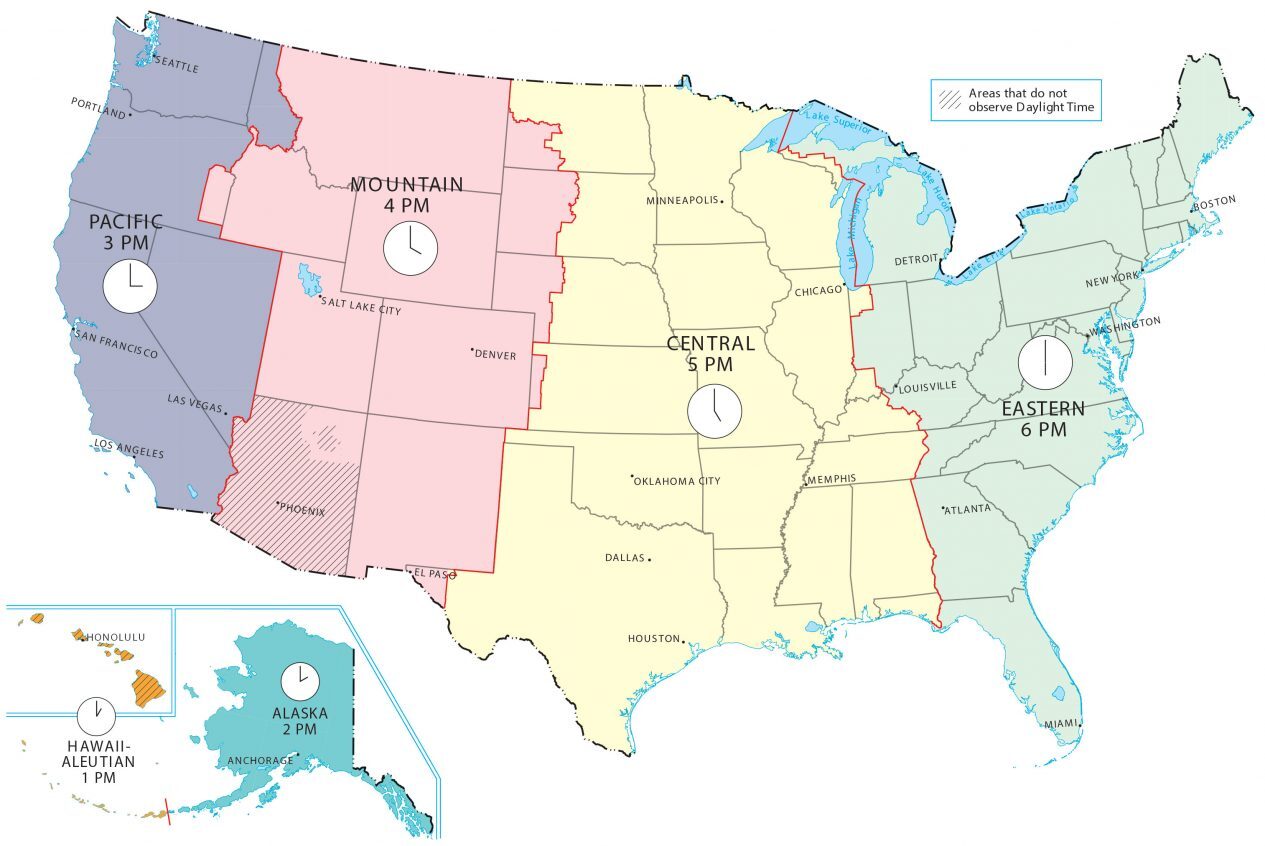
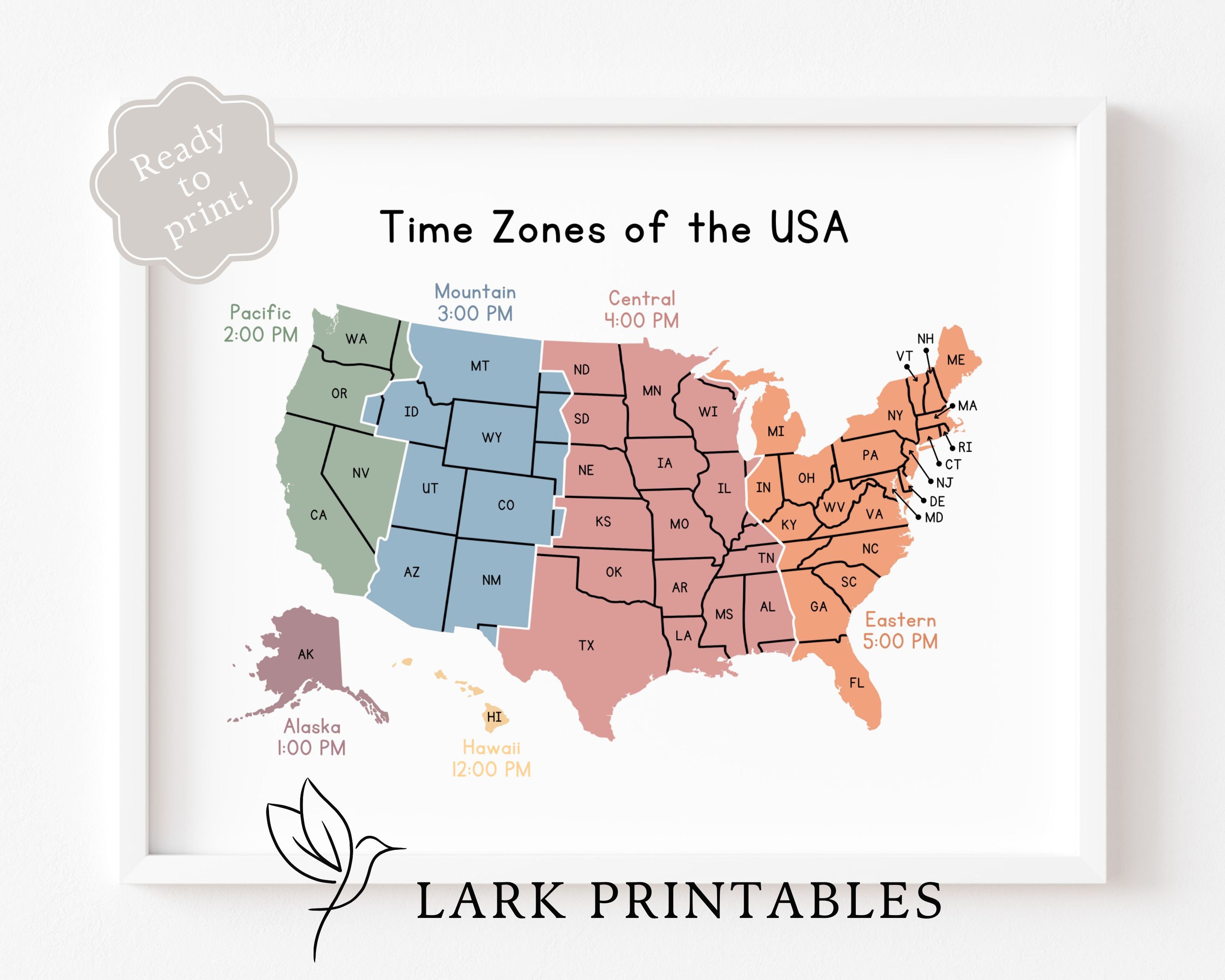
Chicago’s Time Zone: Central Standard Time (CST) and Central Daylight Time (CDT)
Chicago observes Central Standard Time (CST) during the winter months and Central Daylight Time (CDT) during the summer months. This is a form of Daylight Saving Time (DST), where clocks are advanced by one hour during warmer periods to make better use of daylight.
- Central Standard Time (CST): This is the standard time observed in Chicago during the fall and winter. CST is UTC-6. This means that when it is 12:00 PM UTC, it is 6:00 AM in Chicago.
- Central Daylight Time (CDT): This is the daylight saving time observed in Chicago during the spring and summer. CDT is UTC-5. Consequently, when it is 12:00 PM UTC, it is 7:00 AM in Chicago.
The transition between CST and CDT typically occurs on the second Sunday in March (when clocks spring forward) and the first Sunday in November (when clocks fall back). These dates are standardized across most of the United States.
The Significance of GMT in Relation to Chicago
While Chicago operates on CST/CDT, its time is directly referenced against UTC (and by extension, GMT). Understanding this relationship is crucial for:
- International Travel: When traveling from Europe or other regions that use GMT or a similar time, knowing the difference between your local time and Chicago’s is essential for scheduling flights, making connections, and adjusting to the new time. For instance, if you are in London (which observes GMT or BST – British Summer Time), you can easily calculate the time difference. During standard time (when London is on GMT, UTC+0), Chicago is 6 hours behind. During daylight saving time (when London is on BST, UTC+1), Chicago is still 6 hours behind (as CDT is UTC-5, and BST is UTC+1, the difference is 6 hours).
- Business and Communication: For businesses that operate globally or have international clients, precise time synchronization is vital. Knowing Chicago’s time relative to GMT allows for accurate scheduling of meetings, conference calls, and timely responses to queries.
- Digital Services: Many online services, from flight bookings to live event streams, operate on UTC or allow users to set their local time zone. Understanding Chicago’s time zone relative to UTC ensures you are accessing information or services at the correct time.
Practical Implications for Travelers to Chicago
For anyone planning a visit to the “Windy City,” understanding its time zone in relation to GMT has several practical implications.
Planning Your Arrival and Departure
When booking flights, schedules are almost always listed in the local time of the departure and arrival airports. However, when cross-referencing with a global time standard like UTC, it’s important to be aware of the offset.
- Arrival Times: If you are traveling from a GMT region, remember that Chicago will be several hours behind. This means a flight that departs in the evening GMT might arrive in Chicago in the afternoon local time, often on the same calendar day. This can be a positive aspect for mitigating jet lag, as you are essentially gaining time upon arrival.
- Departure Times: Conversely, when departing Chicago, be mindful of the time difference. If your flight departs at an early hour CDT, it will be significantly later in GMT, impacting your arrival time in European destinations.

Jet Lag and Acclimatization
The difference between GMT and Chicago’s time zone can contribute to jet lag, especially for travelers coming from eastward. While the difference might seem manageable (6 hours), it’s significant enough to disrupt your body’s natural circadian rhythm.
- Tips for Mitigation:
- Adjust Gradually: A few days before your trip, try to shift your sleep schedule closer to Chicago’s time.
- Stay Hydrated: Drink plenty of water during your flight and upon arrival.
- Embrace Local Time: As soon as you arrive in Chicago, try to eat and sleep according to the local schedule. Resist the urge to nap for too long during the day.
- Seek Sunlight: Exposure to natural daylight during the day can help reset your internal clock.
Scheduling Activities and Tours
Chicago offers a wealth of attractions, from the Art Institute of Chicago to boat tours on the Chicago River. To make the most of your visit, precise scheduling is key.
- Tour Bookings: Many tours and attractions operate on a strict schedule. Knowing the local time is paramount for booking tickets and ensuring you don’t miss your slot. When looking at schedules that might be presented in a universal format or from an international booking site, remember to convert to Chicago’s CDT or CST.
- Dining Reservations: Whether you are seeking world-class dining at a Michelin-starred restaurant or a casual meal in a popular neighborhood, making reservations is often advisable. Confirming reservation times in the correct local time will prevent any last-minute confusion.
Communication with Home
Staying in touch with friends and family back home is important. Understanding the time difference will help you choose opportune moments for calls or messages.
- Convenient Calling Times: If you are calling someone in a GMT region, remember that they will be several hours ahead or behind you. A morning call in Chicago might be an afternoon or evening call for them, and vice versa.
- Business Communication: For those on business trips, coordinating with colleagues or clients in different time zones requires careful planning to ensure calls and emails are received and responded to at appropriate times, respecting working hours.
Exploring Chicago’s Unique Time
While the technical definition of Chicago’s time zone is rooted in its relationship to UTC, the experience of being in Chicago offers a unique temporal rhythm. The city’s vibrant energy pulses throughout the day and into the night, with activities and events catering to various schedules.
A City That Never Truly Sleeps
Chicago is a city of diverse neighborhoods, each with its own character and pace. From the early morning bustle of the financial district to the late-night jazz clubs in Lincoln Park, there’s always something happening.
- Morning: The day often begins early for commuters and those heading to the city’s many cafes and breakfast spots. The iconic Willis Tower (formerly the Sears Tower) begins to draw visitors seeking panoramic views as the sun rises.
- Afternoon: This is often the peak time for sightseeing, museum visits, and exploring attractions like Navy Pier. The Magnificent Mile is a hive of activity for shoppers.
- Evening: As the sun sets, Chicago transforms. Theater districts come alive, restaurants fill with diners, and rooftop bars offer stunning views of the illuminated skyline. Many museums also offer extended evening hours on certain days.
- Late Night: For those with stamina, the city offers a lively nightlife scene, from blues clubs and comedy venues to late-night eateries.
Experiencing Chicago’s Seasons and Their Temporal Impact
Chicago experiences four distinct seasons, and each can subtly influence how you experience time and daylight.
- Spring (March-May): The transition from CST to CDT occurs during spring. Days lengthen noticeably, and the city emerges from its winter slumber. Outdoor activities become more feasible.
- Summer (June-August): CDT is in full effect, meaning longer daylight hours. This is the peak tourist season, with outdoor festivals, concerts, and a generally more active street life that extends well into the evening.
- Autumn (September-November): As days shorten, Chicago enters its beautiful fall season. The switch back to CST happens in early November, bringing an earlier sunset. This is a wonderful time for enjoying the city’s parks and cultural offerings before the winter chill sets in.
- Winter (December-February): CST is observed throughout winter. Daylight hours are at their shortest, making cozy indoor activities, holiday markets, and the festive decorations around the city particularly appealing. The cold weather often means that evening activities are more focused on indoor entertainment.
Conclusion: Mastering Chicago’s Time
In essence, Chicago operates on Central Standard Time (CST) and Central Daylight Time (CDT), which are UTC-6 and UTC-5, respectively. This temporal positioning is crucial for any traveler aiming to seamlessly integrate into the city’s rhythm. By understanding this relationship to GMT and UTC, you can effectively plan your journey, mitigate the effects of jet lag, schedule your activities with precision, and stay connected with loved ones. Chicago is a city that rewards meticulous planning, and mastering its time zone is a fundamental aspect of unlocking its full potential for an unforgettable experience.
LifeOutOfTheBox is a participant in the Amazon Services LLC Associates Program, an affiliate advertising program designed to provide a means for sites to earn advertising fees by advertising and linking to Amazon.com. Amazon, the Amazon logo, AmazonSupply, and the AmazonSupply logo are trademarks of Amazon.com, Inc. or its affiliates. As an Amazon Associate we earn affiliate commissions from qualifying purchases.