
The question of a city’s population often serves as a foundational element for understanding its scale, character, and the resources available to its residents and visitors alike. For Eugene, Oregon, a city renowned for its vibrant arts scene, commitment to sustainability, and stunning natural surroundings, grasping its population provides crucial context for its identity as a mid-sized Pacific Northwest hub. This demographic insight is invaluable for travelers planning a visit, businesses considering expansion, and indeed, anyone seeking to understand the fabric of this unique community. While exact figures fluctuate, understanding the general population range and its growth trends offers a compelling narrative about Eugene’s evolution and its enduring appeal.

Understanding Eugene’s Demographic Landscape
Eugene, Oregon, situated in the heart of the Willamette Valley, is the second-most populous city in the state, trailing only its larger neighbor, Portland. This positioning as a significant urban center within Oregon shapes its infrastructure, economic opportunities, and cultural offerings. The city’s population, while not reaching the megacity threshold, is substantial enough to support a diverse range of amenities, from a thriving culinary scene and numerous performance venues to specialized retail and professional services. This balance allows Eugene to retain a sense of community and accessibility, often associated with smaller towns, while simultaneously providing the dynamism of a larger metropolitan area.
Historical Population Trends and Growth Factors
The demographic journey of Eugene is a story of steady growth, influenced by a combination of factors that have attracted people to its fertile valley and proximity to both the Cascades and the Pacific Coast. Initially settled in the mid-19th century, its population grew modestly for decades, primarily driven by agriculture and lumber industries. The establishment of the University of Oregon in 1876 marked a significant turning point, introducing a consistent influx of students, faculty, and researchers, and fostering an intellectual and cultural environment that continues to define the city.
In the latter half of the 20th century and into the 21st, Eugene experienced more pronounced growth. This expansion has been fueled by several key drivers:
- Economic Diversification: While traditional industries remain, Eugene has successfully diversified its economy. The rise of the tech sector, advanced manufacturing, and a strong entrepreneurial spirit, particularly in areas like outdoor recreation and natural products, has drawn skilled workers.
- Quality of Life: Eugene is consistently ranked as a desirable place to live, often cited for its outdoor recreation opportunities, progressive social values, environmental consciousness, and relatively affordable cost of living compared to other West Coast cities. These factors are powerful magnets for individuals and families seeking a balanced lifestyle.
- Educational Hub: The ongoing presence and expansion of the University of Oregon and Oregon State University (located nearby in Corvallis) create a continuous pipeline of educated individuals and contribute to the city’s vibrant, youthful energy.
- In-migration from Larger Cities: As housing costs have risen in major West Coast metropolises, cities like Eugene offer a more accessible entry point for those seeking a similar, yet more affordable, urban experience.
These factors collectively contribute to a dynamic population that is both established and growing, ensuring a lively and evolving urban landscape. Understanding these trends provides a clearer picture of Eugene’s development and its capacity to accommodate new residents and visitors.
Current Population Estimates and Projections
As of recent estimates, the population of the city of Eugene, Oregon, hovers around 175,000 to 180,000 residents. This figure represents the incorporated city limits and serves as the most commonly cited number when discussing Eugene’s size. However, it’s crucial to recognize that urban areas extend beyond these boundaries. The greater Eugene metropolitan area, which includes surrounding communities and suburban sprawl, encompasses a larger population, often estimated to be well over 300,000. This distinction is important for understanding the full scope of economic activity, transportation needs, and the overall community influence of Eugene.
Factors Influencing Population Fluctuations
While the overall trend for Eugene has been one of growth, the precise population figures can fluctuate annually due to various factors:

- University Enrollment Cycles: The ebb and flow of student enrollment at the University of Oregon can cause noticeable, albeit temporary, shifts in the population, particularly during academic year start and end dates.
- Economic Conditions: National and regional economic downturns or booms can impact job availability, influencing migration patterns into and out of the city.
- Housing Market Dynamics: The availability and affordability of housing play a significant role. As housing prices increase, the rate of new in-migration can slow, while periods of relative affordability may see an uptick.
- Seasonal Tourism: While not directly reflected in permanent residency figures, the seasonal influx of tourists during peak travel times can temporarily increase the number of people present in the city, impacting local services and the general atmosphere.
These elements contribute to the dynamic nature of population data, emphasizing that while a core figure exists, the actual number of people present in Eugene at any given time can vary. For those planning travel or business ventures, understanding these nuances provides a more robust picture of the city’s capacity and vibrancy.
Population Density and Urban Planning
The population of Eugene translates into a specific population density, which in turn informs urban planning, infrastructure development, and the city’s physical layout. With approximately 180,000 residents spread across roughly 44 square miles, Eugene maintains a density that allows for both accessible urban amenities and ample green spaces. This balance is a hallmark of Eugene’s planning philosophy, prioritizing livability and environmental stewardship.
Implications for Infrastructure and Services
The city’s population size and density have direct implications for its infrastructure and the services it provides:
- Transportation Networks: Eugene operates a comprehensive public transportation system, including the Lane Transit District buses, which is essential for connecting its dispersed neighborhoods and accommodating a significant commuter population. The city also emphasizes cycling infrastructure, with numerous bike lanes and paths, reflecting its active and environmentally conscious resident base.
- Public Utilities and Resources: Water, sewer, waste management, and energy services are planned to support the current population and future growth projections. The city’s commitment to sustainability often means investing in innovative and efficient utility solutions.
- Parks and Recreation: Eugene boasts an impressive park system, with over 100 parks and natural areas, including the renowned Alton Baker Park and the Owen Rose Garden. The city’s population density allows for these green spaces to be relatively accessible to most residents.
- Public Safety and Emergency Services: Police, fire, and emergency medical services are structured to respond effectively to the needs of a mid-sized urban area. Population distribution and density are key factors in determining the optimal placement and staffing of these crucial services.
- Educational Institutions: The presence of the University of Oregon and numerous public and private K-12 schools is a direct response to the city’s demographic makeup. The university, in particular, is a major employer and a significant contributor to the city’s cultural and intellectual life.
The careful consideration of population density in Eugene’s urban planning has resulted in a city that is both functional and pleasant, balancing the needs of a growing populace with a strong commitment to preserving its natural beauty and quality of life.
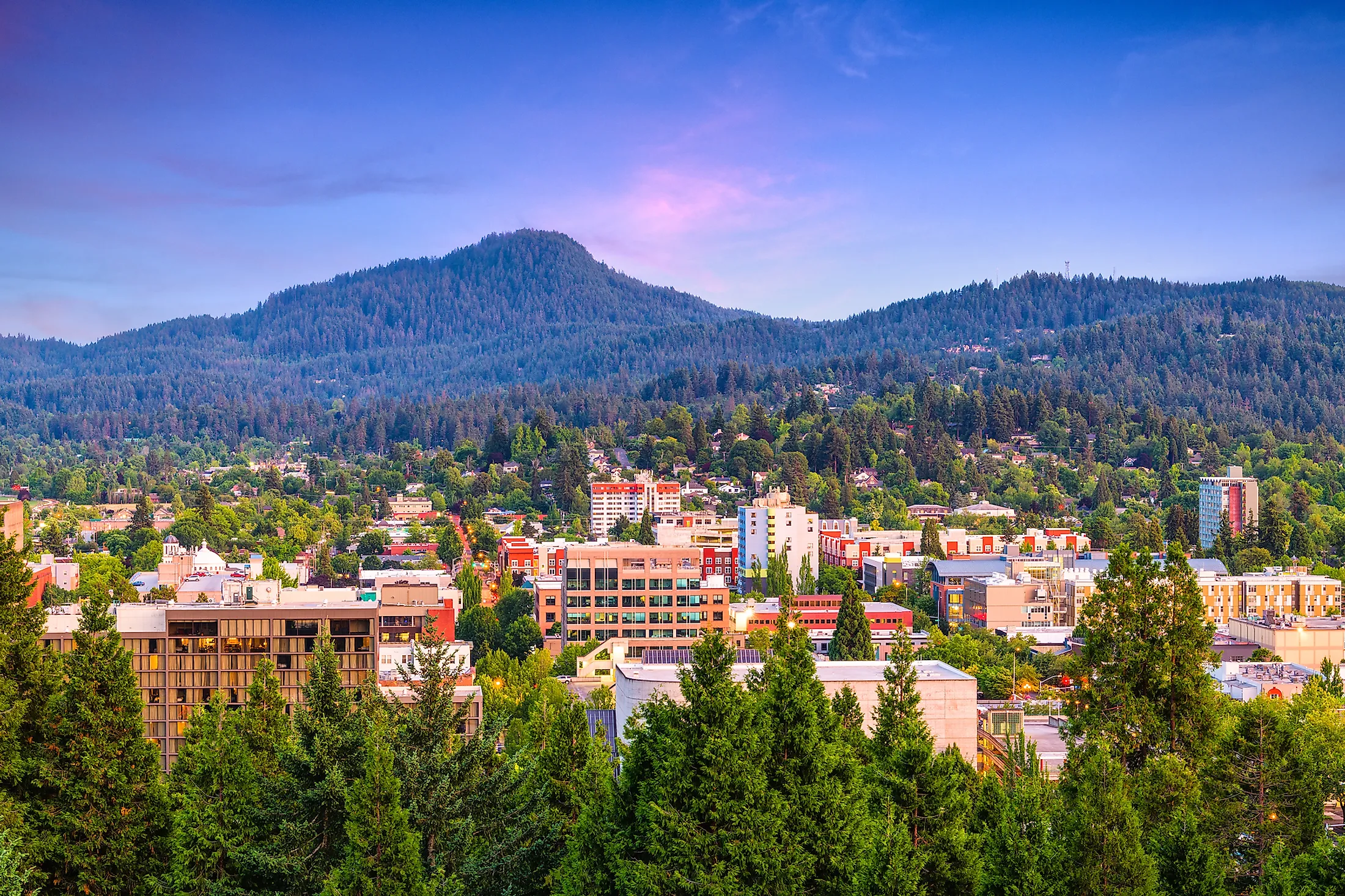
Eugene’s Population as a Key to Understanding its Character
Ultimately, the population of Eugene, Oregon, is more than just a number; it’s a vital clue to understanding the city’s identity, its opportunities, and its unique appeal. As a mid-sized city, it successfully navigates the space between the anonymity of a large metropolis and the potential limitations of a small town.
For travelers, knowing the population size helps set expectations. It suggests a city with a robust array of cultural attractions, diverse dining options, and a lively arts scene, without the overwhelming scale that can sometimes accompany much larger urban centers. It implies a city where navigating and exploring are manageable, and where authentic local experiences are readily accessible.
For businesses and investors, the population figure signifies a substantial consumer base and a skilled workforce, particularly with the influence of the University of Oregon. It indicates a market with diverse needs and demands, supportive of innovation and entrepreneurship.
For residents and those considering a move, Eugene’s population underscores the quality of life that has drawn so many. It speaks to a community that values sustainability, outdoor recreation, and a progressive outlook, all within a manageable and welcoming urban environment. The steady growth, while managed, reflects an ongoing attraction to the lifestyle Eugene offers.
In conclusion, while specific population figures for Eugene, Oregon, will always be subject to minor shifts, the general understanding of its size – a significant mid-sized city – is fundamental to appreciating its character. It’s a city that has grown thoughtfully, balancing urban development with a deep connection to its natural surroundings, and maintaining a strong sense of community that continues to draw people to its unique corner of the Pacific Northwest.
LifeOutOfTheBox is a participant in the Amazon Services LLC Associates Program, an affiliate advertising program designed to provide a means for sites to earn advertising fees by advertising and linking to Amazon.com. Amazon, the Amazon logo, AmazonSupply, and the AmazonSupply logo are trademarks of Amazon.com, Inc. or its affiliates. As an Amazon Associate we earn affiliate commissions from qualifying purchases.