
Living in or relocating to California often involves navigating a unique set of regulations that profoundly impact various aspects of daily life, from environmental policies to personal property ownership. For individuals whose lifestyle includes interests or needs related to firearms, understanding the intricacies of California’s gun laws is paramount. Among the most frequently encountered questions pertains to firearm magazines, specifically whether “standard magazines”—often referred to as high-capacity magazines in common parlance—can be shipped into the state. This discussion is not merely about a legal technicality; it delves into the lifestyle implications for residents, new arrivals, and even those considering long-term stays, highlighting the importance of due diligence in a state known for its progressive legislative stance on firearms.
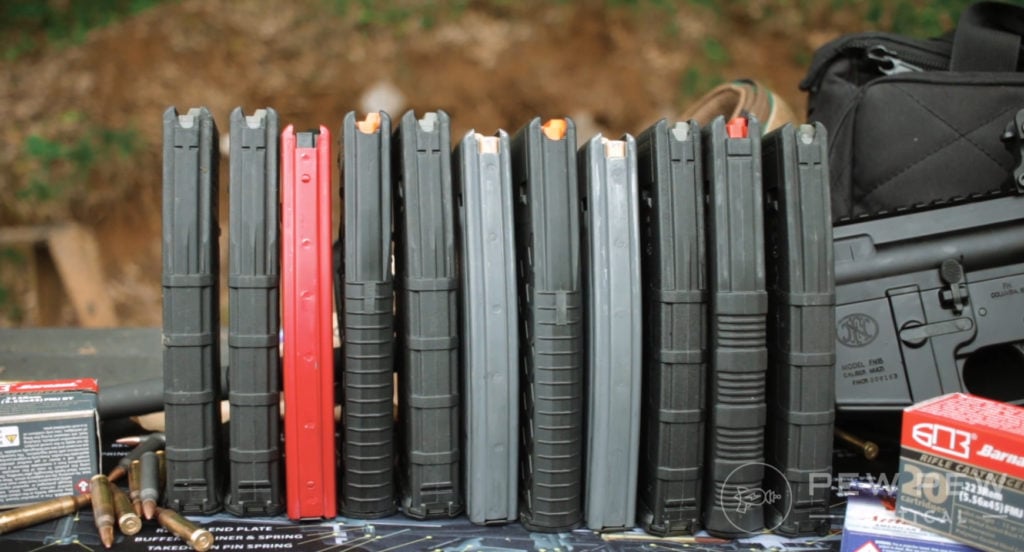
California’s Unique Regulatory Landscape for Firearm Magazines
The state of California stands out with some of the nation’s most stringent firearm laws, particularly concerning magazine capacity. These regulations are a cornerstone of the state’s public safety policy, shaping the landscape for gun owners and enthusiasts alike. For anyone considering moving to California or simply understanding their rights and responsibilities within its borders, grasping the nuances of these laws is a fundamental aspect of adapting to the California lifestyle. The legal framework surrounding firearm magazines has evolved significantly over the years, making it crucial to stay informed about current statutes and judicial interpretations.
The Legal Framework: A Complex Tapestry
At the heart of California’s restrictions on firearm magazines is the prohibition against what the state defines as “large-capacity magazines.” Generally, a large-capacity magazine is one capable of holding more than 10 rounds of ammunition. This blanket prohibition affects the manufacturing, importation, sale, giving, lending, and possession of such magazines within California. The legislation has faced numerous legal challenges, notably the Duncan v. Bonta case, which saw a federal court rule against the ban, only for an en banc panel of the Ninth Circuit to uphold it later. This legal back-and-forth underscores the volatile and complex nature of firearm legislation in the state, necessitating constant vigilance for anyone involved with firearms.
The current legal standing, following the Ninth Circuit’s decision, means that the ban on large-capacity magazines remains largely in effect. This implies that for the vast majority of individuals, both shipping and receiving standard capacity magazines (those exceeding 10 rounds) into California is illegal. There are specific, very narrow exemptions, primarily for law enforcement agencies and certain active-duty military personnel, but these do not apply to the general public. Understanding this framework is not just a matter of legal compliance; it’s about making informed choices that align with the state’s legal environment, which is a significant part of the California lifestyle for its residents.
Defining “Standard Magazines” in the California Context
The term “standard magazines” can be ambiguous depending on geographical context. In many parts of the United States, a “standard magazine” refers to the capacity that firearms are typically designed to hold, which often exceeds 10 rounds (e.g., 15-round, 17-round, or 30-round magazines). However, within California, the legal definition of “standard” for magazines is fundamentally different. Here, any magazine capable of holding more than 10 rounds is explicitly categorized as a “large-capacity magazine” and is, with very few exceptions, prohibited.
This redefinition has profound implications. For individuals accustomed to firearm laws in other states, the terminology and associated restrictions in California can be a significant adjustment. It’s crucial for anyone engaging in firearm-related activities within the state to adopt California’s specific terminology and understand the legal distinctions. Incorrectly assuming that what is “standard” elsewhere applies in California can lead to severe legal consequences, including fines and imprisonment. This unique definitional landscape is a critical piece of the puzzle for anyone trying to navigate the firearm ownership aspect of the California lifestyle.
Implications for California Residents and Newcomers
The stringent laws on magazine capacity significantly impact both long-time residents and individuals considering a move to California. For those planning a relocation, understanding these restrictions before arrival is not just prudent; it’s essential for a smooth transition and legal compliance. The expectation that personal property, including firearm accessories, can be freely moved across state lines without restriction is a common misconception that can lead to serious legal issues in California.
Shipping Restrictions and Compliance Challenges

Given California’s prohibition on large-capacity magazines, shipping such items into the state is generally illegal. This applies whether you are purchasing them from an out-of-state vendor, receiving them as a gift, or attempting to move your personal property when relocating. The act of importing or attempting to import a large-capacity magazine is subject to criminal penalties. This creates significant compliance challenges for individuals, particularly those relocating from states with more permissive firearm laws.
Individuals must be aware that even if a magazine was legally acquired in another state, its presence within California can constitute illegal possession. This places the onus on the individual to ensure that any firearm magazines brought into or shipped to California comply with state law, meaning they must be 10-round capacity or less. For those who own firearms that typically come with larger capacity magazines, this often necessitates acquiring [California](https://lifeoutofthebox.com/california]-compliant alternatives or utilizing magazine blocking devices if legally permissible and properly configured prior to entry. The logistical hurdles and the need for meticulous compliance are a direct consequence of California’s distinct legal environment.
Personal Responsibility and Legal Due Diligence
In a state with dynamic and often complex firearm legislation, personal responsibility and continuous legal due diligence are not just recommendations but necessities. Relying on outdated information or assumptions based on laws in other jurisdictions can have severe repercussions. For anyone whose lifestyle involves firearms, whether for sport, self-defense, or collection, proactively seeking current legal counsel or consulting authoritative state resources is crucial.
This due diligence extends beyond merely understanding the law. It involves verifying the legal status of any item before attempting to ship it, purchasing it, or bringing it into the state. Ignorance of the law is not a valid defense in California, especially when dealing with such highly regulated items. This proactive approach to understanding and adhering to regulations is a defining characteristic of responsible citizenship and a prudent lifestyle choice in California. It reinforces the idea that living in California often requires a higher degree of awareness and adaptation to its unique legal framework.
Navigating the Regulations: A Lifestyle Choice
Successfully navigating California’s firearm magazine regulations is fundamentally about making informed lifestyle choices. It reflects an individual’s commitment to respecting state law while continuing to pursue their interests or needs related to firearms. This involves more than just avoidance of illegal activities; it includes actively seeking knowledge and adapting personal practices to fit the California context.
Resources for Informed Decision-Making
To ensure full compliance and avoid unintended legal issues, individuals should utilize reliable resources for current information on California’s firearm laws. The California Department of Justice (CA DOJ) website is the primary authoritative source for state firearms laws and regulations. Consulting a qualified attorney specializing in California firearm law is also an invaluable step, especially for complex situations or when planning a move with existing firearm collections.
Furthermore, reputable firearm advocacy groups and educational organizations often provide summaries and updates on legislative changes, offering practical guidance for gun owners. While these resources can be helpful, they should always be cross-referenced with official state publications or professional legal advice to ensure accuracy and applicability to individual circumstances. Empowering oneself with accurate information is the cornerstone of responsible firearm ownership in California and a critical component of a legally compliant lifestyle.

Adapting to California’s Lifestyle Norms
Ultimately, the question of shipping “standard magazines” to California underscores a broader theme: adapting to the state’s distinct lifestyle norms and legal environment. California’s approach to firearms, including magazine capacity, reflects a societal preference for stricter controls, which sets it apart from many other states. For residents and those considering making California their home, embracing this reality and proactively aligning personal practices with state laws is key to a harmonious existence.
This adaptation isn’t just about legality; it’s about integrating into the community and understanding the values that shape its laws. For firearm owners, it means accepting the current limitations on magazine capacity and adjusting purchasing, ownership, and shipping habits accordingly. It represents a specific “lifestyle choice” to live within a jurisdiction that prioritizes certain public safety measures over broader firearm freedoms found elsewhere. By understanding and respecting these regulations, individuals can responsibly pursue their interests while contributing to the overall legal and social fabric of California.
LifeOutOfTheBox is a participant in the Amazon Services LLC Associates Program, an affiliate advertising program designed to provide a means for sites to earn advertising fees by advertising and linking to Amazon.com. Amazon, the Amazon logo, AmazonSupply, and the AmazonSupply logo are trademarks of Amazon.com, Inc. or its affiliates. As an Amazon Associate we earn affiliate commissions from qualifying purchases.