
The question of which rights are lost by individuals with felony convictions in Oregon is a complex one, touching upon fundamental aspects of civic participation and personal freedom. For those seeking to reintegrate into society, understanding these limitations is crucial for navigating life after a felony conviction. This article delves into the specific rights that felons forfeit in the Beaver State and explores the pathways to restoring some of these lost privileges.
Loss of Suffrage and the Right to Vote
One of the most significant rights impacted by a felony conviction in Oregon is the right to vote. Historically, felony disenfranchisement laws varied widely across the United States. However, Oregon has a unique and evolving stance on this matter.

Felony Disenfranchisement in Oregon
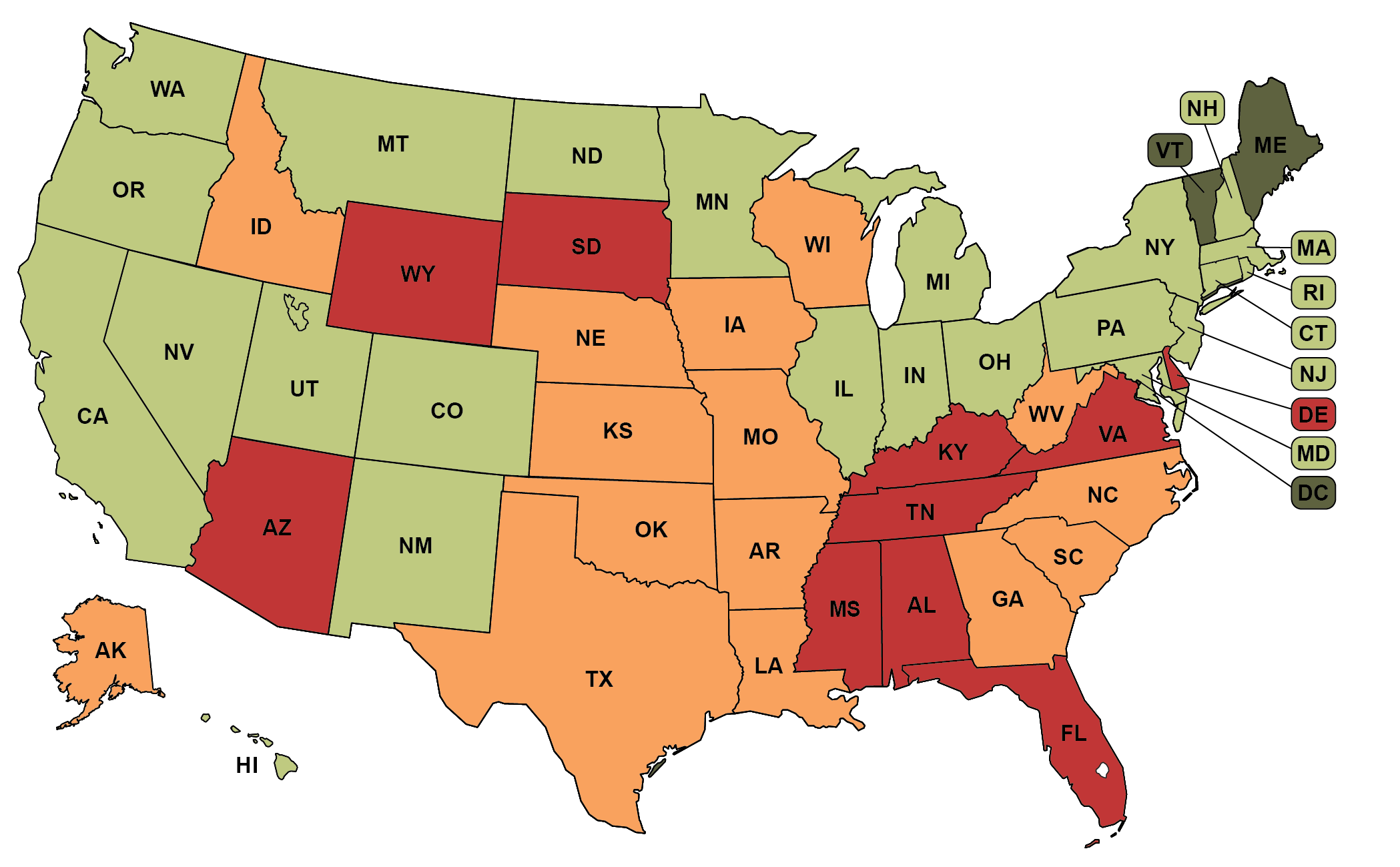
In Oregon, the right to vote is automatically restored upon release from prison, regardless of whether parole or post-prison supervision has been completed. This means that once an individual has served their time and is no longer incarcerated, they regain their right to cast a ballot. This automatic restoration is a key feature that distinguishes Oregon from many other states where voting rights may remain suspended until parole or probation is fully discharged, or even require a separate application for restoration.
However, it is important to note that if an individual is convicted of certain election crimes, their right to vote may be permanently revoked. These specific offenses are narrowly defined and relate directly to the integrity of the electoral process. For the vast majority of felony convictions, the right to vote is a privilege that is reclaimed upon release from confinement.
Restrictions on Firearms and the Second Amendment
The impact of a felony conviction on an individual’s ability to own or possess firearms is another area where significant rights are curtailed. This is rooted in federal law, which prohibits individuals convicted of a crime punishable by imprisonment for a term exceeding one year from possessing firearms.
Federal and State Firearms Regulations
In Oregon, this federal prohibition is reinforced by state law. A felony conviction results in the loss of the right to possess, receive, or transport firearms and ammunition. This restriction is generally permanent, although there are limited pathways for restoration, which are often complex and not guaranteed.
The rationale behind these laws is public safety. By preventing individuals with felony convictions from accessing firearms, the aim is to reduce gun violence and enhance community security. This restriction applies to all types of firearms, including handguns, rifles, and shotguns, as well as ammunition.
Pathways to Restoration (Limited)
While the loss of firearms rights is typically permanent, federal and state laws sometimes allow for exceptions or pathways to restoration. These processes usually involve lengthy legal procedures, requiring the petitioner to demonstrate significant rehabilitation and a low risk of future harm. The burden of proof lies with the applicant, and success is not assured. Expungement of a felony conviction, if possible, can sometimes lead to the restoration of firearms rights, but this is a separate legal process with its own set of requirements.
Civil Liberties and Public Service
Beyond voting and firearms, a felony conviction in Oregon can also affect an individual’s ability to hold public office, serve on a jury, and, in some cases, engage in certain professions.

Holding Public Office and Jury Duty
Individuals convicted of felonies are generally barred from holding public office in Oregon. This prohibition is intended to ensure that those in positions of power and trust meet certain standards of character and integrity. The specific disqualifications can vary depending on the office sought and the nature of the felony conviction.
Similarly, the right to serve on a jury is typically lost upon a felony conviction. Jury service is a cornerstone of the justice system, and disqualifying felons is a common practice aimed at preserving the impartiality and fairness of trial proceedings. While the right to vote is restored upon release in Oregon, the right to serve as a juror may have additional requirements or waiting periods.
Professional Licensing and Employment
The impact of a felony conviction on employment opportunities is a significant concern for individuals seeking to rebuild their lives. While Oregon has made efforts to facilitate re-entry through measures like “ban the box” initiatives (which prohibit employers from asking about criminal history on initial job applications), certain professions still have strict licensing requirements that may disqualify individuals with felony convictions.
Licensing boards for fields such as healthcare, education, law, and skilled trades often review an applicant’s criminal history. The decision to grant or deny a license usually depends on the nature of the crime, its recency, and evidence of rehabilitation. Many boards have provisions for considering applicants with criminal records on a case-by-case basis, but the conviction itself can be a significant hurdle.
The Path to Restoration of Rights
Understanding the rights lost is only part of the equation. The process of restoring these rights is equally important for individuals striving for full reintegration into society.
Expungement and Sealing of Records
In Oregon, the concept of “expungement” is more accurately described as sealing of criminal records. While a true expungement (meaning the record is destroyed) is rare, many felony convictions can be sealed after a statutory waiting period and fulfillment of certain conditions.
The process of sealing a record typically requires that the individual has completed their sentence, paid all fines and restitution, and remained crime-free for a specified period. The waiting period varies depending on the severity of the offense. Once a record is sealed, it is generally no longer accessible to the public, including most employers. This can significantly improve opportunities for employment and housing. However, sealed records may still be accessible to law enforcement and for certain licensing purposes, and the restoration of specific rights, such as firearms ownership, may require separate legal action even after a record is sealed.
Certificates of Rehabilitation and Pardons
For certain rights that are not automatically restored or are difficult to regain, Oregon provides mechanisms for their potential restoration.
A Certificate of Rehabilitation is a legal document that attests to an individual’s successful rehabilitation and fitness to have certain rights restored. Obtaining such a certificate often involves demonstrating sustained good behavior, community involvement, and a commitment to leading a law-abiding life. This can be a crucial step in regaining eligibility for professional licenses or other opportunities that were impacted by the felony conviction.
A pardon, granted by the Governor, is an act of forgiveness that can restore certain civil rights. Pardons are typically reserved for individuals who have demonstrated exceptional rehabilitation and have made significant contributions to society after their conviction. The process for obtaining a pardon is rigorous and discretionary.
Navigating these legal processes can be daunting. Legal counsel or assistance from re-entry programs can be invaluable in understanding eligibility, preparing applications, and advocating for the restoration of lost rights. The journey to regaining full civil liberties after a felony conviction in Oregon is a testament to the potential for rehabilitation and the importance of a fair and accessible system for restoring rights.
LifeOutOfTheBox is a participant in the Amazon Services LLC Associates Program, an affiliate advertising program designed to provide a means for sites to earn advertising fees by advertising and linking to Amazon.com. Amazon, the Amazon logo, AmazonSupply, and the AmazonSupply logo are trademarks of Amazon.com, Inc. or its affiliates. As an Amazon Associate we earn affiliate commissions from qualifying purchases.