
Navigating the process of obtaining a vehicle title in Florida can seem like a complex undertaking, especially for those new to the state or unfamiliar with its Department of Highway Safety and Motor Vehicles (FLHSMV) procedures. Whether you’ve purchased a new or used car, inherited a vehicle, or moved to the Sunshine State with your car in tow, securing a proper title is a crucial step in establishing legal ownership and ensuring your vehicle is road-ready. This guide aims to demystify the process, providing a comprehensive overview of the requirements, steps, and common scenarios you might encounter when seeking your vehicle title in Florida. Understanding these details will help you streamline the experience and avoid unnecessary delays.
Understanding the Florida Vehicle Title
A vehicle title, officially known as the Certificate of Title, is a legal document that serves as proof of ownership for a vehicle. In Florida, this document is issued by the FLHSMV and is essential for a variety of transactions, including selling your car, registering it for the first time, or applying for a loan using the vehicle as collateral. It contains vital information about the vehicle, such as its Vehicle Identification Number (VIN), make, model, year, and the names of its registered owner(s). Possessing a clear title ensures that you are the rightful owner and that there are no liens or other claims against the vehicle.
Why is a Title So Important?
The importance of a vehicle title cannot be overstated. Without it, you cannot legally register your vehicle in Florida, which is a prerequisite for driving on public roads. Registration involves obtaining license plates and tags, and this process is directly tied to having a valid title. Furthermore, if you ever decide to sell your vehicle, a clear title is indispensable. A buyer will require it to transfer ownership to their name, and without it, a sale is essentially impossible. For those who plan to finance a vehicle, the lender will typically hold the title as security until the loan is fully repaid. In essence, the title is the bedrock of vehicle ownership.
What Information is on a Florida Title?
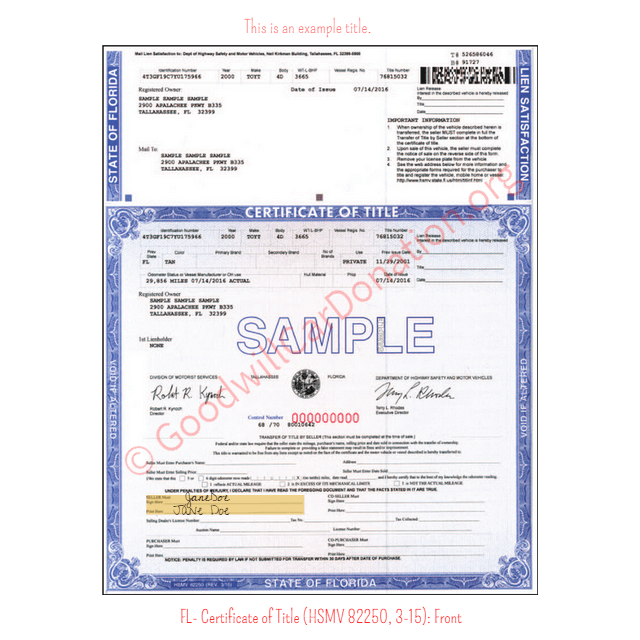
A Florida vehicle title is a detailed document that typically includes the following information:
- Vehicle Identification Number (VIN): A unique 17-character code that identifies the specific vehicle.
- Make, Model, and Year: Details about the manufacturer, model name, and manufacturing year of the vehicle.
- Body Style: The type of vehicle (e.g., sedan, SUV, truck).
- Color: The primary color of the vehicle.
- Odometer Reading: The mileage recorded at the time of title transfer.
- Owner(s) Name(s) and Address: The legal names and addresses of the registered owner(s).
- Lienholder Information (if applicable): Details about any financial institutions that hold a lien on the vehicle.
- Title Number: A unique identifier for the title itself.
- Date Issued: The date the title was officially issued.
- Previous Title Information: In some cases, information about the previous title may be included.
This comprehensive data ensures that ownership is clearly defined and that the vehicle can be tracked through its lifecycle.
Obtaining a New Florida Title: Common Scenarios
The process for obtaining a vehicle title in Florida varies slightly depending on how you acquired the vehicle. The FLHSMV provides specific forms and procedures for each situation.
Scenario 1: Purchasing a New Vehicle from a Dealership
When you purchase a new vehicle from a licensed dealership in Florida, the dealership typically handles the majority of the titling and registration process on your behalf. This is a significant convenience for buyers.
- Dealership’s Role: The dealer will collect the necessary sales tax, fees, and paperwork. They will then submit these to the county tax collector’s office, which acts as an agent for the FLHSMV.
- Your Role: You will need to provide proof of identity, proof of insurance, and complete any required financing or payment arrangements. The dealership will guide you through these steps.
- Receiving Your Title and Registration: The FLHSMV will mail the new title to you or your lienholder (if financed) directly. Your registration and license plates will usually be issued by the dealership at the time of purchase or shortly thereafter.
Scenario 2: Purchasing a Used Vehicle from a Dealership
Similar to new vehicles, used car dealerships in Florida generally manage the titling and registration process for you.
- Paperwork from Seller: The dealership will obtain the vehicle’s previous title from the seller and initiate the transfer of ownership into your name.
- Required Documentation: You will need to provide proof of identity, proof of Florida insurance, and pay the applicable title fees and sales tax. If the vehicle previously had a lien, the dealership will ensure that lien is satisfied before transferring the title to you.
- Title Issuance: As with new vehicles, the FLHSMV will mail the title, and you will receive your registration and license plates.
Scenario 3: Purchasing a Used Vehicle from a Private Seller
This scenario requires more direct involvement from the buyer and seller to ensure a smooth title transfer.
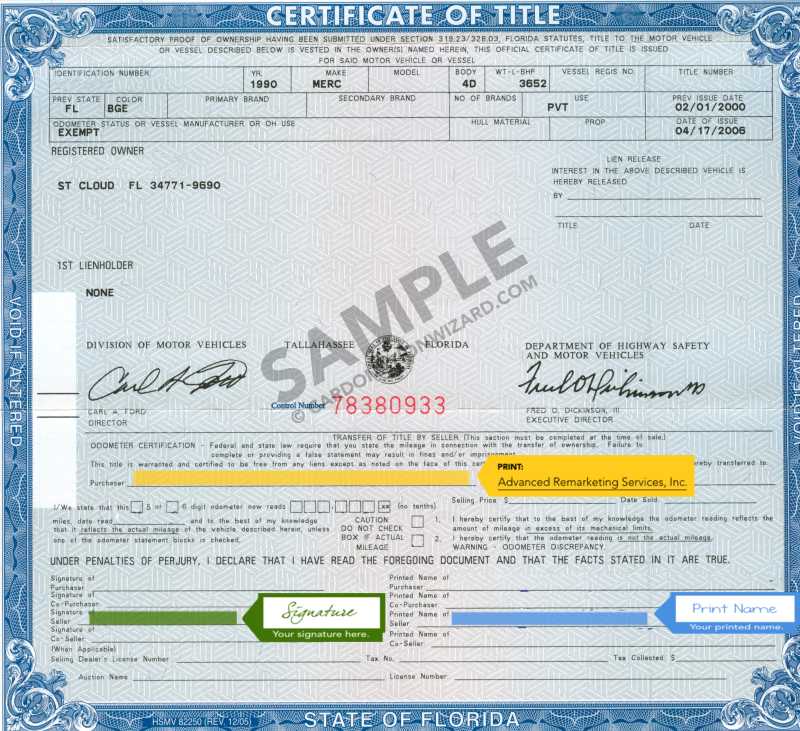
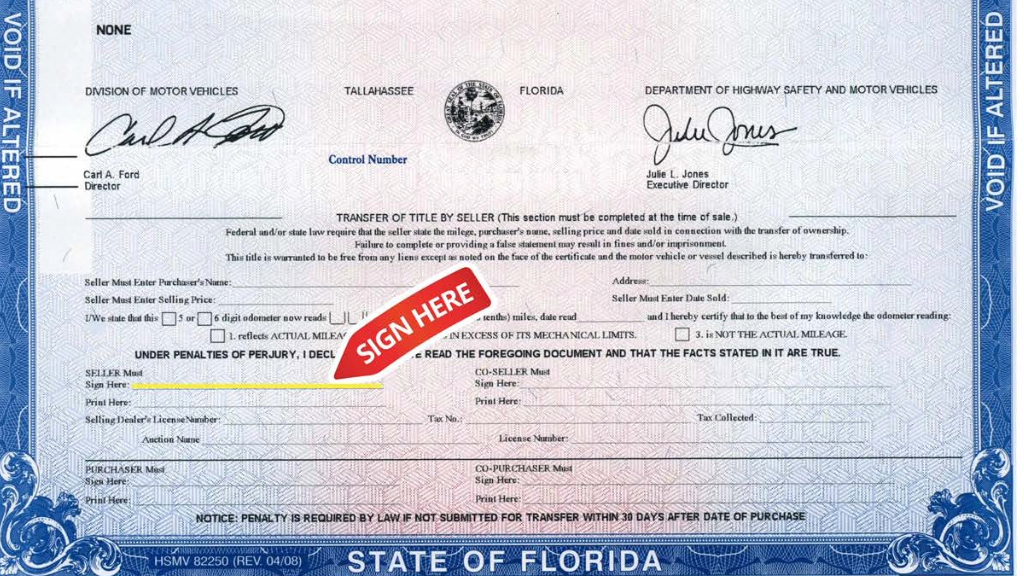
- The Seller’s Responsibility: The seller must have the original title in their name and ensure it is properly signed over to you. They should complete the “transfer of title by sale” section on the back of the existing title. Crucially, the seller should remove any lienholder information if a loan has been paid off.
- Your Responsibilities: As the buyer, you must take the properly executed title, along with a completed application for certificate of title, to your local county tax collector’s office within 30 days of the purchase date. You will also need to provide proof of Florida insurance, a valid driver’s license or identification, and pay the title fee, sales tax, and any registration fees.
- Odometer Disclosure: For vehicles less than 10 years old, an odometer disclosure statement is required. This is typically part of the title document itself or a separate form.
- Liens on the Vehicle: If there is a lien on the title, the seller must have it satisfied and removed by the lienholder before signing the title over to you. If you are taking out a loan to purchase the vehicle, you will need to provide the lien information to the county tax collector’s office.
Scenario 4: Inheriting a Vehicle
If you inherit a vehicle in Florida, the process for obtaining a title involves specific documentation to prove your rightful ownership.
- Documentation Needed: You will generally need the original title signed over by the executor or administrator of the estate. If the deceased owner did not have a will, you may need a court order or an affidavit of inheritance. In certain circumstances, a sworn statement from the next of kin might suffice.
- Contacting the County Tax Collector: It is highly recommended to contact your local county tax collector’s office early in this process. They can advise you on the precise forms and supporting documents required based on your specific situation.
- Transfer of Ownership: Once you have the correct documentation, you can apply for a new title in your name at the county tax collector’s office.
Scenario 5: Moving to Florida with a Vehicle from Out of State
If you move to Florida and bring your vehicle with you, you must obtain a Florida title and registration within a specified timeframe.
- Time Limit: You generally have 30 days from the date you establish residency in Florida to title and register your vehicle.
- Required Documents: You will need the out-of-state title, proof of Florida insurance, a valid driver’s license or identification, and a completed application for certificate of title.
- VIN Verification: For vehicles coming from certain states or if the out-of-state title is missing, a VIN verification inspection may be required. This can be performed by law enforcement officers or licensed VIN inspectors.
- Payment of Fees: You will be responsible for paying the title fee, sales tax (if applicable, depending on the laws of the state you moved from and how long you’ve owned the vehicle), and registration fees.
The Application Process: What to Expect
Regardless of how you acquired your vehicle, the process of applying for a title in Florida generally involves visiting your local county tax collector’s office. These offices serve as the primary point of contact for the FLHSMV for title and registration services.
Step-by-Step Application Guide
- Gather Necessary Documents: Ensure you have all the required documentation, including the properly executed title, proof of identity, proof of insurance, and any specific forms related to your acquisition scenario.
- Complete the Application for Certificate of Title: This form, often referred to as HS Form 82040, is available on the FLHSMV website or at any county tax collector’s office. Fill it out accurately and completely.
- Visit Your County Tax Collector’s Office: Take all your documents to the nearest county tax collector’s office. Be prepared for potential wait times, especially in larger counties.
- Submit Your Application and Pay Fees: Present your completed application and supporting documents to the clerk. You will then be required to pay the applicable title fee, registration fees, and sales tax. The amount of sales tax can vary based on the vehicle’s value and any applicable credits.
- Receive Your Registration and License Plates: Upon successful processing, you will receive your new Florida registration certificate and license plates (if you are registering the vehicle for the first time in Florida).
- Wait for Your Title: Your new Florida title will be mailed to you or your lienholder by the FLHSMV. This process can take several weeks.
Key Forms and Where to Find Them
The primary form for titling a vehicle in Florida is the Application for Certificate of Title (HS Form 82040). This form, along with many other helpful resources, can be found on the official Florida Department of Highway Safety and Motor Vehicles website. It’s advisable to download and review these forms in advance to ensure you understand the requirements.
Fees and Taxes to Expect
The fees associated with obtaining a vehicle title in Florida include:
- Title Fee: A standard fee set by the state for processing the title.
- Sales Tax: Typically 6% of the vehicle’s purchase price or book value, whichever is greater. Florida counties may also impose discretionary sales surtaxes, which can increase the total sales tax rate. Credits are often given for sales tax paid in another state.
- Registration Fees: These vary based on the type of vehicle, its weight, and age.
- Plate Fees: For new license plates.
It’s important to note that fee structures are subject to change, so always check the latest information on the FLHSMV or county tax collector’s website.
Special Considerations and Tips
- Liens on Titles: If a vehicle has a lien, it must be satisfied and released by the lienholder before a clear title can be issued to the new owner. This often involves the lienholder signing off on the title or providing a separate lien release document.
- Salvage Titles: Vehicles that have been declared a total loss by an insurance company and subsequently rebuilt may have a “salvage” or “rebuilt” branded title. This brand will be noted on the title and can affect the vehicle’s value and insurability.
- Title Brands: Be aware of other potential title brands such as “flood,” “lemon,” or “fire.” These indicate significant past damage and are important disclosures for any buyer.
- Prompt Action: It is crucial to complete the title transfer process promptly, ideally within the 30-day window, to avoid late fees and penalties.
- Accuracy is Key: Ensure all information on the title and application forms is accurate and matches your identification. Any discrepancies can lead to delays.
- Contact Your County Tax Collector: When in doubt about any part of the process, do not hesitate to contact your local county tax collector’s office. They are the experts on state motor vehicle laws and can provide personalized guidance.
By understanding these different scenarios and meticulously following the outlined steps, you can successfully obtain your vehicle title in Florida, ensuring your vehicle is legally registered and ready for you to enjoy the beautiful roads of the Sunshine State.
LifeOutOfTheBox is a participant in the Amazon Services LLC Associates Program, an affiliate advertising program designed to provide a means for sites to earn advertising fees by advertising and linking to Amazon.com. Amazon, the Amazon logo, AmazonSupply, and the AmazonSupply logo are trademarks of Amazon.com, Inc. or its affiliates. As an Amazon Associate we earn affiliate commissions from qualifying purchases.