
Understanding the lifecycle of the Oregon Voter Pamphlet is crucial for any engaged resident or visitor interested in the democratic process of this unique state. Far more than just a bureaucratic document, the Voter Pamphlet serves as a cornerstone of informed decision-making for Oregonians heading to the polls. It’s a comprehensive guide that details candidates running for office, the issues at stake in ballot measures, and the official arguments for and against each proposition. For those who view Oregon not just as a place to live, but as a dynamic community shaped by its civic engagement, knowing when this essential resource arrives in the mail offers a tangible connection to the state’s political pulse. This publication is a testament to Oregon’s commitment to transparency and voter education, making its timely distribution a significant event in the lead-up to any election.

The Voter Pamphlet: A Pillar of Oregonian Democracy
The Oregon Voter Pamphlet is a distinctive feature of the state’s electoral system, a tradition that dates back decades. Its primary purpose is to equip voters with the information they need to cast their ballots confidently. Unlike many other states where voter information might be scattered across various online platforms or limited to brief summaries, Oregon consolidates candidate statements, measure explanations, and fiscal impact analyses into a single, accessible publication. This commitment to providing in-depth information directly to voters’ homes underscores Oregon’s dedication to an informed electorate.
The content of the pamphlet is carefully curated. For statewide and federal elections, it includes detailed biographies and policy positions of candidates for offices such as Governor, Secretary of State, and U.S. Representatives. For local elections, it might feature information on county commissioners, city council members, or school board candidates. Crucially, it also dedicates significant space to explaining ballot measures. These can range from complex constitutional amendments and statewide bond measures to local initiatives affecting property taxes, zoning, or school funding. Each measure is accompanied by the official ballot title, a summary, the full text, and in-depth explanations prepared by legislative counsel. Furthermore, the pamphlet includes the “Arguments For” and “Arguments Against” for each measure, providing voters with direct insights into the perspectives of proponents and opponents. This comprehensive approach ensures that voters have a well-rounded understanding of the choices before them.
Historical Context and Evolution
The concept of providing voters with information about candidates and measures predates the modern Oregon Voter Pamphlet. Early forms of public notices and printed ballots served a similar purpose, albeit in a much less comprehensive manner. The modern Oregon Voter Pamphlet, however, gained significant traction in the mid-20th century as Oregon embraced progressive electoral reforms. The state’s pioneering spirit in areas like initiative and referendum has always been closely tied to ensuring that the public has ample information to deliberate on proposed laws and policies.
Over the years, the Voter Pamphlet has evolved to meet changing needs and technological advancements. While its core function remains the same, its production and distribution have been refined. The state has adapted to include more detailed fiscal impact statements for measures, reflecting a growing understanding of the economic implications of public votes. Efforts have also been made to make the information accessible to a wider audience, with considerations for different reading levels and, increasingly, digital versions of the pamphlet being made available alongside the traditional mailed copy. The dedication to this detailed information dissemination highlights Oregon’s consistent effort to foster a participatory democracy, making the Voter Pamphlet an enduring symbol of its commitment.
The Distribution Timeline: A Predictable Cadence
The mailing of the Oregon Voter Pamphlet follows a predictable schedule, meticulously planned by the Oregon Secretary of State’s Office. This timing is not arbitrary; it is strategically designed to give voters ample time to review the materials and make informed decisions before casting their ballots. Understanding these dates is essential for anyone who relies on this publication for their voting preparation.
Primary Elections: The Spring Sprint
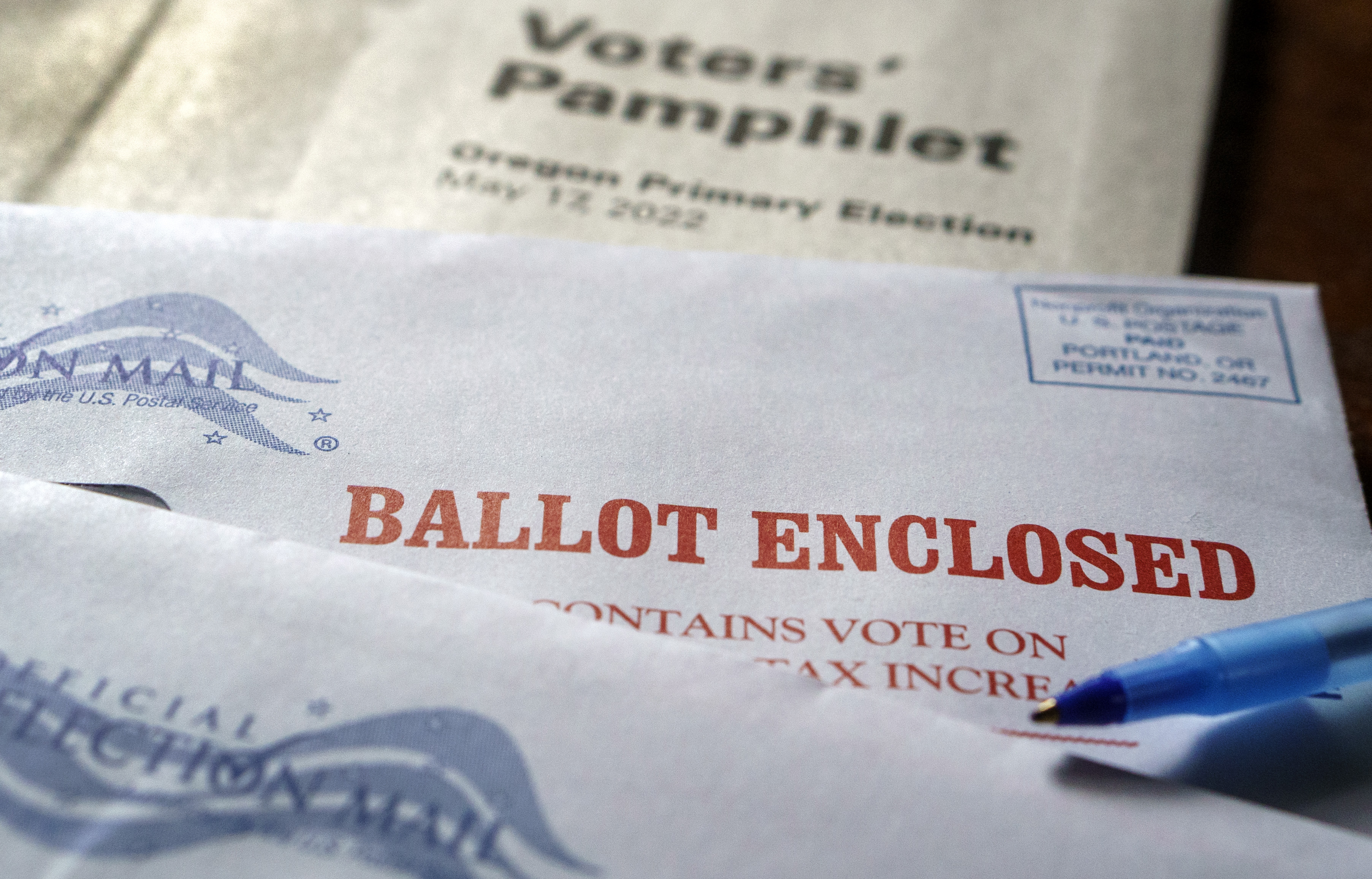
For Oregon’s primary elections, typically held in May, the Voter Pamphlets are mailed out in late April. This provides a window of approximately two to three weeks for voters to receive, read, and digest the information before the election day. The primary election focuses on selecting party nominees for various offices and deciding on any ballot measures that may be presented. The pamphlet for this election will reflect the candidates vying for party nominations and the specific measures being considered at this stage.
The exact mailing date can vary slightly year to year, influenced by the official certification of candidates and ballot measures. However, the general rule of thumb is to expect the primary Voter Pamphlet to arrive in mailboxes in the latter half of April. This allows residents sufficient time to engage with the material, perhaps discuss it with family and neighbors, and plan their voting strategy. For those interested in local races or specific party platforms, this pamphlet is an invaluable resource.
General Elections: The Autumn Deep Dive
The general election, held in November, is Oregon’s most significant electoral event, featuring a wider array of candidates and often more complex ballot measures. Consequently, the Voter Pamphlet for the general election is mailed out earlier than for the primary. Typically, voters can expect to receive the general election Voter Pamphlet in the first week of October.
This earlier mailing date is critical. The general election ballot can be lengthy, encompassing candidates for federal, state, and local offices, as well as numerous statewide and local ballot measures. The comprehensive nature of the general election pamphlet necessitates this extended review period. By mailing it out in early October, the Secretary of State’s Office ensures that voters have at least a month to familiarize themselves with all the proposals and candidates on the ballot. This extended timeframe is particularly important for understanding the nuances of complex measures and for researching candidates who may be less familiar.
Special Elections: Ad Hoc Information Delivery
Beyond the scheduled primary and general elections, Oregon also holds special elections to fill vacancies in office or to vote on specific issues outside the regular election cycle. When a special election is called, the Oregon Voter Pamphlet is mailed out with a timeframe that adheres to the same principles of providing adequate voter information.
While the exact dates for special election pamphlets depend on the timing of the election itself, the general guideline is that they will be mailed out approximately 21 days before the election. This ensures that voters have a crucial three-week period to study the ballot before casting their vote. The content of these pamphlets is tailored specifically to the offices and measures relevant to that particular special election, offering targeted information for a focused electorate.
Beyond the Mailbox: Accessing Digital Resources
While the physical Voter Pamphlet remains a cherished and widely used resource, Oregon has embraced digital accessibility to ensure that information is available to everyone, regardless of their preferred method of engagement. The Oregon Secretary of State’s website serves as a central hub for all election-related information, including the digital versions of the Voter Pamphlets.
The Online Voter Pamphlet
The online version of the Oregon Voter Pamphlet offers several advantages. It can be accessed from anywhere with an internet connection, making it convenient for Oregonians living abroad, students away at college, or anyone who might misplace their physical copy. The digital format also allows for easier searching and navigation. Voters can quickly find specific candidates or measures they are interested in, saving time compared to sifting through a printed document.
Furthermore, the online version often includes supplementary materials and links to additional resources that might not be feasible to include in a printed publication. This can range from campaign finance reports to candidate websites and official analyses of ballot measures. The digital pamphlet is typically available well in advance of the mailed version, allowing for early review. The Oregon Secretary of State’s Office also often provides searchable databases of past Voter Pamphlets, enabling historical research and comparative analysis of voting trends and policy debates over time.

Accessibility Features and Formats
Recognizing the diverse needs of its electorate, Oregon has made efforts to ensure the Voter Pamphlet is accessible to all. This includes providing the pamphlet in various formats to accommodate voters with disabilities. Large print versions are often available upon request for those with visual impairments. For voters who are blind or have low vision, audio versions of the pamphlet may also be produced.
In addition to physical formats, the digital versions are designed with accessibility in mind, adhering to web content accessibility guidelines. This means that screen readers can interpret the text, and navigation is designed to be compatible with assistive technologies. The commitment to making this vital information universally accessible reinforces Oregon’s dedication to inclusivity in its democratic processes. The proactive approach to disseminating information through both traditional and modern channels ensures that every Oregonian has the opportunity to be an informed participant in their state’s governance.
LifeOutOfTheBox is a participant in the Amazon Services LLC Associates Program, an affiliate advertising program designed to provide a means for sites to earn advertising fees by advertising and linking to Amazon.com. Amazon, the Amazon logo, AmazonSupply, and the AmazonSupply logo are trademarks of Amazon.com, Inc. or its affiliates. As an Amazon Associate we earn affiliate commissions from qualifying purchases.