
Oregon, a state renowned for its diverse landscapes, from the rugged Oregon Coast to the fertile Willamette Valley, offers a remarkable climate for cultivating a wide variety of produce. Among its most cherished garden delights are tomatoes, whose vibrant colors and sweet, sun-ripened flavors are synonymous with summer. However, the timing of planting these beloved fruits is crucial for a successful harvest, dictated by the state’s varied microclimates and the ever-present threat of late frosts. For aspiring and seasoned gardeners across Oregon, understanding the optimal planting window is key to unlocking the full potential of their tomato patches.
Understanding Oregon’s Climate Zones and Frost Dates
Oregon experiences a spectrum of climates, largely influenced by the Cascade Mountains and its proximity to the Pacific Ocean. The western part of the state, particularly the Willamette Valley, enjoys a Mediterranean-like climate with mild, wet winters and warm, dry summers. This region is generally more forgiving for early planting. In contrast, areas east of the Cascades, like Bend and Medford, experience colder winters and hotter, drier summers with a shorter growing season, requiring more careful attention to frost dates.
The Critical Role of Frost
Tomatoes are warm-season plants that are highly susceptible to frost. A sudden freeze can severely damage or kill young seedlings. Therefore, the most critical factor in determining when to plant tomatoes in Oregon is the average last frost date for your specific region. This date is not a guarantee; Mother Nature can be unpredictable, and a late cold snap can occur. Gardeners should always monitor local weather forecasts in the weeks leading up to and following the estimated last frost date.
Regional Variations in Planting Times
The vastness and topographical diversity of Oregon mean that a single planting date is impossible.
Willamette Valley: The Gardener’s Paradise
For gardeners in the Willamette Valley, which includes cities like Portland, Salem, and Eugene, the average last frost date typically falls between mid-April and early May. This allows for planting seedlings outdoors from mid-May to early June. Some experienced gardeners might risk planting a week or two earlier if a particularly warm spring is forecast, but it’s wise to have frost protection readily available.
Coastal Regions: A Milder Influence
The coastal areas of Oregon, such as Cannon Beach and Florence, benefit from the moderating influence of the Pacific Ocean. Frost is less common and usually less severe here. The planting window can often extend slightly earlier, with many gardeners in these zones comfortably planting from early to mid-May. The constant sea breeze can also help keep temperatures from dropping too drastically.
Southern Oregon: Warm Days, Cool Nights
Regions in Southern Oregon, including the Rogue Valley around Medford, tend to have warmer summers but can still experience frost. The last frost date here is often similar to the Willamette Valley, with planting typically advised from mid-May onwards. However, the warmer climate might allow for slightly earlier transplanting if the weather is consistently mild.
Eastern Oregon: Short Seasons, Big Rewards
East of the Cascade Mountains, in areas like Bend, La Grande, and Pendleton, the growing season is significantly shorter. The last frost date can extend well into May, and even early June in some higher elevation areas. This means planting is generally delayed until late May or early June, and gardeners must select tomato varieties that are well-suited to shorter, hotter summers and can mature quickly.
Preparing Your Garden for Tomato Planting
Successful tomato cultivation begins long before the seedlings are ready to be transplanted into the ground. Proper preparation ensures that your plants have the best possible start, leading to healthier growth and a more abundant harvest.
Soil Preparation: The Foundation of Success
Tomatoes thrive in rich, well-draining soil. Before planting, it’s essential to amend your garden beds. Incorporate generous amounts of organic matter, such as compost or well-rotted manure. This not only improves soil structure but also provides essential nutrients. A soil pH between 6.0 and 6.8 is ideal for nutrient uptake. A simple soil test can help you determine your soil’s pH and nutrient levels. If your soil is compacted, consider double digging or using a broadfork to loosen it, ensuring good root development.

Hardening Off Seedlings: Acclimatizing to the Outdoors
If you’ve started your tomatoes from seed indoors, it’s crucial to “harden them off” before transplanting. This process gradually acclimates the young plants to the outdoor environment, including sunlight, wind, and temperature fluctuations. Begin by placing seedlings in a sheltered location outdoors for a few hours each day, gradually increasing the duration over a week to ten days. Bring them in at night, especially if temperatures are expected to drop significantly.
Choosing the Right Location: Sunlight is Key
Tomatoes are sun-lovers and require at least six to eight hours of direct sunlight daily. Choose a planting location in your garden that receives ample sun exposure throughout the day. Protection from strong winds is also beneficial, as they can damage delicate stems and foliage. If your garden is exposed, consider planting near a fence, wall, or other structure that can offer some windbreak.
Planting Techniques for Optimal Growth
The act of planting is more than just placing a seedling in the ground; it’s about setting it up for vigorous growth and a productive season. Specific techniques can enhance your tomato plants’ success in Oregon.
Planting Depth: A Secret to Strong Roots
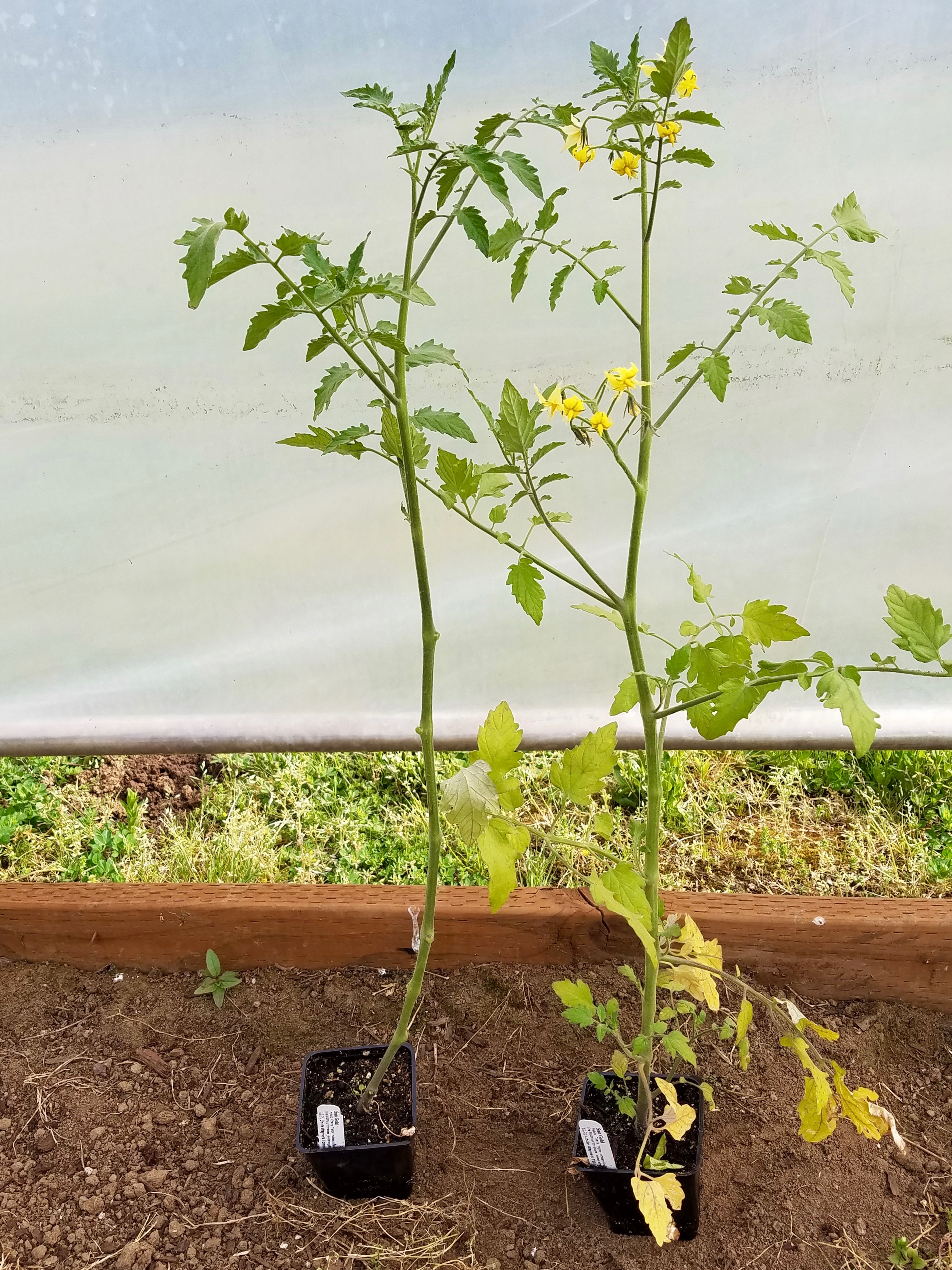
One of the remarkable traits of tomato plants is their ability to grow roots along their stems. When transplanting, remove the lower leaves and plant the seedling deep enough so that the soil covers the stem up to the first set of remaining leaves. This encourages the development of a robust root system, leading to stronger, more resilient plants that are better able to withstand drought and disease. For those planting in containers, ensure the pot is adequately sized to accommodate the mature plant and its extensive root system.
Spacing Your Plants: Airflow and Resources
Proper spacing is vital to prevent overcrowding, which can lead to increased disease pressure and competition for light, water, and nutrients. The recommended spacing varies depending on the tomato variety, but generally, determinate (bush) varieties can be planted 2-3 feet apart, while indeterminate (vining) varieties require 3-4 feet of space. Adequate airflow between plants helps to dry foliage, reducing the risk of fungal diseases.
Companion Planting: A Natural Partnership
Consider incorporating companion planting into your tomato beds. Certain plants can deter pests, improve soil health, or enhance the growth of your tomatoes. For example, basil is a classic companion that is believed to improve tomato flavor and repel tomato hornworms. Marigolds can help deter nematodes, while carrots and onions can be beneficial neighbors. Avoid planting tomatoes near members of the brassica family, such as broccoli or cabbage, as they can compete for nutrients.
Post-Planting Care and Ongoing Maintenance
Once your tomato plants are in the ground, the work is far from over. Consistent care throughout the growing season is essential for maximizing your harvest and ensuring healthy plants.
Watering Wisely: Consistency is Key
Tomatoes require consistent moisture, especially during the crucial fruit-setting period. Water deeply and regularly, aiming to keep the soil evenly moist but not waterlogged. Water at the base of the plant to avoid wetting the foliage, which can promote disease. Mulching around the base of the plants with straw, compost, or shredded bark helps to retain soil moisture, suppress weeds, and regulate soil temperature.
Fertilization: Feeding for Fruit Production
Tomatoes are heavy feeders. After planting, a balanced fertilizer can be beneficial. Once the plants begin to flower and set fruit, switch to a fertilizer that is lower in nitrogen and higher in phosphorus and potassium. This promotes fruit development rather than excessive leafy growth. Follow the instructions on your chosen fertilizer to avoid over-fertilizing, which can harm your plants.

Support and Pruning: Encouraging Growth and Airflow
Most tomato varieties, especially indeterminate types, require support to keep the fruit off the ground and to manage their vining growth. Stakes, cages, or trellises are excellent options. Pruning can also be beneficial for some varieties. Removing suckers – the small shoots that grow in the crotch between the main stem and a branch – can help direct the plant’s energy into fruit production and improve airflow. However, over-pruning can reduce yield, so research the specific needs of your chosen tomato varieties.
By carefully considering Oregon’s unique climate, preparing your garden beds meticulously, and providing consistent care, you can ensure a bountiful and delicious tomato harvest, bringing the taste of summer to your table throughout the season.
LifeOutOfTheBox is a participant in the Amazon Services LLC Associates Program, an affiliate advertising program designed to provide a means for sites to earn advertising fees by advertising and linking to Amazon.com. Amazon, the Amazon logo, AmazonSupply, and the AmazonSupply logo are trademarks of Amazon.com, Inc. or its affiliates. As an Amazon Associate we earn affiliate commissions from qualifying purchases.