
The question of ownership for a prominent destination like Vail Ski Resort is a complex one, delving into corporate structures, investment strategies, and the very nature of large-scale hospitality and leisure enterprises. Understanding who controls the vast acreage, the state-of-the-art facilities, and the iconic skiing experience at Vail requires a look beyond the immediate slopes and into the broader landscape of the travel and tourism industry.
The Corporate Landscape of Vail Resorts, Inc.
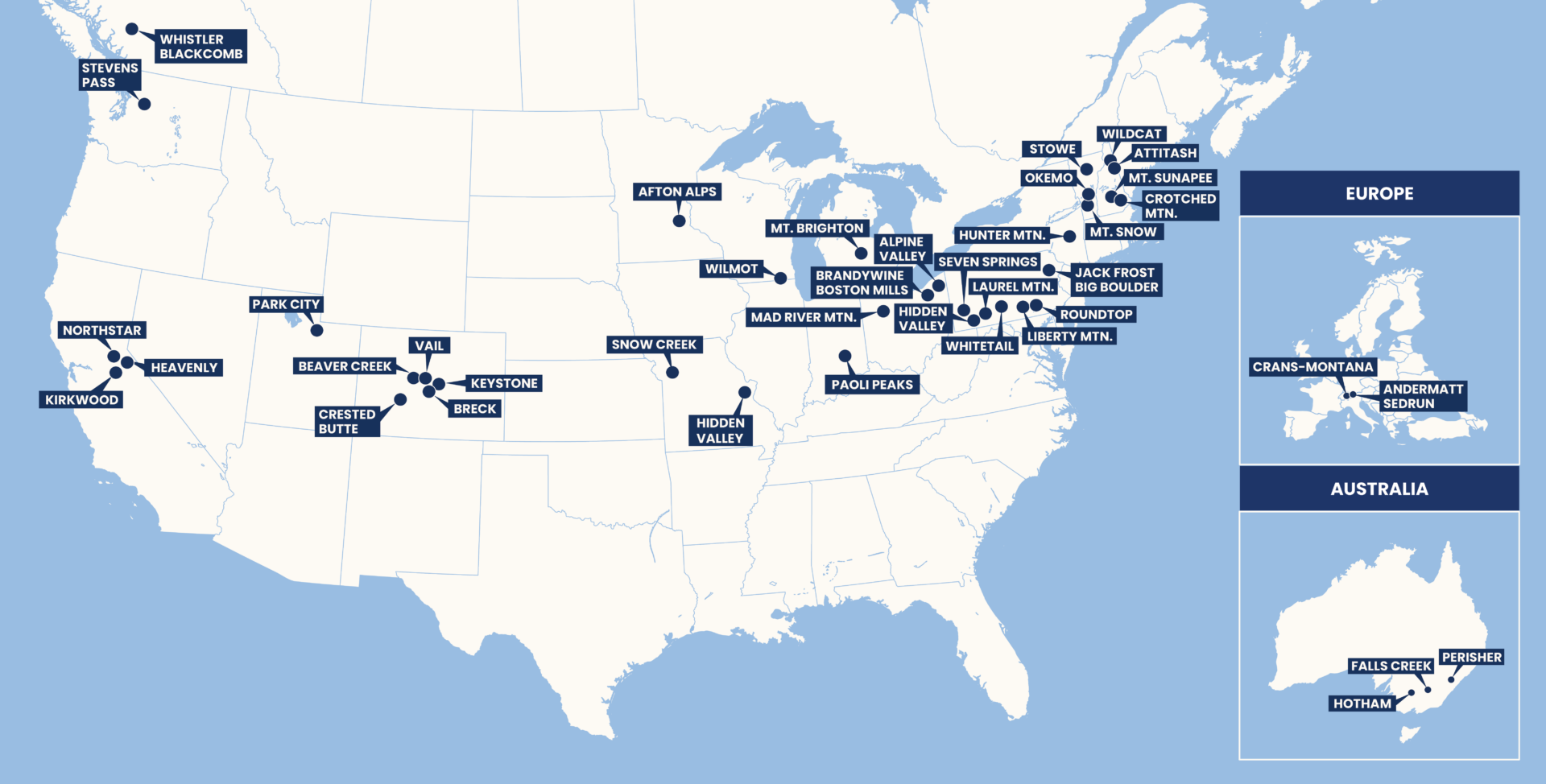
At the heart of Vail Ski Resort’s ownership lies Vail Resorts, Inc., a publicly traded company that operates a vast portfolio of ski resorts across North America and beyond. This makes Vail Ski Resort part of a larger, interconnected network of premier mountain destinations. As a public entity, Vail Resorts, Inc. is owned by its shareholders. These shareholders can range from individual investors to large institutional funds. The company’s financial performance, strategic decisions, and overall direction are influenced by the board of directors, who are elected by these shareholders to represent their interests.
A Publicly Traded Giant
The public nature of Vail Resorts, Inc. means that its ownership is dispersed. There isn’t a single individual or family that “owns” Vail Ski Resort in the traditional sense. Instead, ownership is distributed among countless individuals and entities who have invested in the company’s stock. This model allows for significant capital infusion, enabling large-scale investments in infrastructure, amenities, and resort development. It also means that the resort’s operations are subject to market fluctuations and investor sentiment.
Strategic Acquisitions and Expansion
Vail Resorts, Inc. has grown significantly through strategic acquisitions over the years. By acquiring other well-known ski resorts, the company has consolidated its market position and expanded its reach. This growth strategy has been a key factor in establishing Vail Resorts, Inc. as a dominant player in the ski industry. Each acquisition brings with it the existing infrastructure, brand recognition, and customer base of the acquired property, which are then integrated into the broader Vail Resorts ecosystem. This includes not only the physical mountains and lifts but also the associated lodging, dining, and retail operations.
The Role of Investors and Shareholders
The ultimate owners of Vail Ski Resort, through their investment in Vail Resorts, Inc., are its shareholders. These investors, whether individuals or large financial institutions, hold stakes in the company and benefit from its profitability. The decisions made by the management of Vail Resorts, Inc. are intended to maximize shareholder value, which can influence everything from pricing and operational efficiency to investment in new facilities and marketing campaigns.
Institutional Investors
A significant portion of Vail Resorts, Inc. stock is typically held by institutional investors. These include mutual funds, pension funds, hedge funds, and other large asset managers. These entities manage vast sums of money on behalf of their clients and make investment decisions based on extensive financial analysis and market trends. Their influence can be substantial, as their investment decisions can move stock prices and influence corporate governance. For a company like Vail Resorts, Inc., the sustained investment from these institutions is crucial for its continued growth and ability to undertake major capital projects.
Individual Investors

While institutional investors often hold larger blocks of shares, individual investors also contribute to the ownership of Vail Resorts, Inc.. These are everyday people who buy stock through brokerage accounts, seeking to benefit from the company’s performance. Their collective investment, though smaller per individual, adds to the overall shareholder base and contributes to the liquidity of the stock.
Operational Control and Management
While shareholders are the ultimate owners, the day-to-day operations and strategic direction of Vail Ski Resort are managed by the executives and employees of Vail Resorts, Inc.. The chief executive officer (CEO) and their executive team are responsible for implementing the company’s strategy, overseeing resort management, and ensuring the financial health and operational success of each property, including Vail.
Executive Leadership
The leadership team at Vail Resorts, Inc. plays a pivotal role in shaping the guest experience. They are responsible for setting the vision for the company, making critical decisions regarding capital investments, marketing, and guest services. Their expertise in the hospitality and leisure industry is essential for navigating the competitive landscape and ensuring the continued appeal of resorts like Vail Ski Resort. This leadership is accountable to the board of directors and, by extension, to the shareholders.
Resort-Level Management
Each individual resort, including Vail Ski Resort, has its own management team on the ground. These general managers and their staff are responsible for the local implementation of Vail Resorts, Inc.’s policies and strategies. They oversee daily operations, manage staff, interact with guests, and ensure the safety and quality of the resort experience. While they operate within the framework set by corporate headquarters, their understanding of the local market and guest preferences is vital for the success of their specific resort.
The Guest Experience: A Perspective on Ownership
From a guest’s perspective, the ownership structure of Vail Ski Resort might seem distant. What matters most is the quality of the skiing, the comfort of the accommodation, the variety of dining options, and the overall atmosphere. Vail Resorts, Inc.’s ownership model, while complex, aims to deliver a consistent, high-quality experience across its many properties. The substantial investments facilitated by its public ownership are often directed towards enhancing these guest-facing aspects, from upgrading ski lifts and snowmaking capabilities to improving on-mountain dining and expanding terrain. The success of Vail Ski Resort is ultimately measured by the satisfaction of its visitors, who are, in a sense, stakeholders in the experience, even if not direct owners of the company.
The Epic Pass Ecosystem
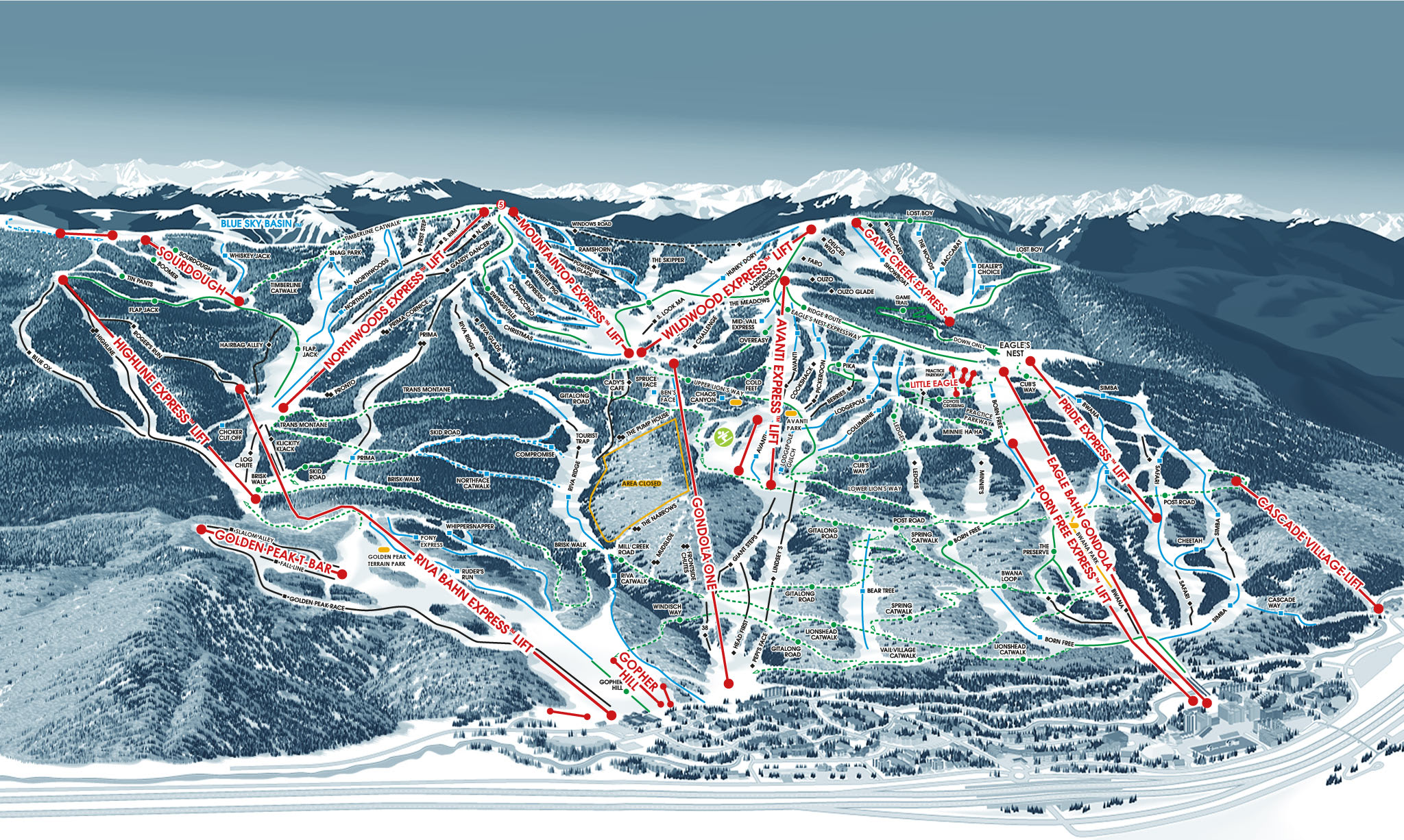
The Epic Pass is a cornerstone of Vail Resorts, Inc.’s strategy and a significant factor in how guests interact with its owned resorts. This season pass program offers access to a vast network of ski resorts, including Vail, Park City Mountain Resort, Whistler Blackcomb, and many others. The Epic Pass creates a unified experience and a loyal customer base for Vail Resorts, Inc., allowing pass holders to explore multiple destinations with a single purchase. This model further solidifies the interconnectedness of the resorts under the Vail Resorts umbrella.
Investment in Infrastructure and Amenities
The capital generated through Vail Resorts, Inc.’s ownership structure is often reinvested into the resorts. This includes crucial upgrades to ski lifts, ensuring faster and more efficient transport up the mountain. Significant investments are also made in snowmaking technology to guarantee reliable snow conditions, even during warmer periods. Beyond the skiing infrastructure, Vail Resorts, Inc. also focuses on enhancing the on-mountain and village experience through improved dining facilities, retail outlets, and other guest services, aiming to provide a comprehensive and enjoyable visit for every guest.
In conclusion, the ownership of Vail Ski Resort is a corporate reality, vested in Vail Resorts, Inc., a publicly traded entity. While the direct ownership is dispersed among shareholders, the operational control and strategic vision are managed by the company’s leadership, all with the overarching goal of delivering a premier mountain resort experience.
LifeOutOfTheBox is a participant in the Amazon Services LLC Associates Program, an affiliate advertising program designed to provide a means for sites to earn advertising fees by advertising and linking to Amazon.com. Amazon, the Amazon logo, AmazonSupply, and the AmazonSupply logo are trademarks of Amazon.com, Inc. or its affiliates. As an Amazon Associate we earn affiliate commissions from qualifying purchases.