
The question of distance between two prominent Florida cities, Orlando and Pensacola, is a common one for travelers planning a road trip or seeking to understand the geographical relationship between these distinct regions of the Sunshine State. While both are undeniably Floridian, they offer vastly different experiences, from the theme park mecca of Orlando to the historic coastal charm of Pensacola. Understanding the mileage and travel time is the first step in appreciating the journey and the diverse landscapes that unfold along the way.
The Direct Driving Distance and Estimated Time
The most direct route for driving from Orlando to Pensacola covers a significant stretch of Florida’s panhandle. Typically, the mileage hovers around 430 to 450 miles, depending on the specific start and end points within each city and the chosen highway route. This distance translates into a substantial commitment for drivers, with an estimated travel time of approximately 6.5 to 7.5 hours. This figure, however, is a baseline, not accounting for any stops for gas, meals, or rest breaks.

Navigating the Interstate Highways
The primary arteries facilitating this journey are Interstate 4 (I-4) in the Orlando area, which then connects to Florida’s Turnpike or State Road 408 (East-West Expressway) to head west. The main westward thrust is then via Interstate 10 (I-10) for the majority of the route. I-10 is a major transcontinental highway that spans across the southern United States, and it serves as the backbone for much of the travel across northern Florida. Drivers will generally exit I-4 or its associated routes and merge onto I-10 heading west. The transition is usually straightforward, with clear signage guiding travelers toward Tallahassee and then onward to Pensacola.
Factors Affecting Travel Time
Several variables can significantly influence the actual time it takes to complete the drive.
Traffic Conditions
Orlando is a major tourist hub, and traffic can be notoriously heavy, especially during peak hours, holidays, and school breaks. Exiting the metropolitan area can add considerable time to the initial leg of the journey. Similarly, approaching Pensacola, particularly if the travel occurs during a local event or a busy weekend, can also present congestion. I-10 itself, while a major highway, can experience slowdowns due to construction, accidents, or simply the sheer volume of vehicles, especially around larger towns and cities it passes through.
Road Construction and Detours
Florida is continually undergoing infrastructure development. Road construction projects along I-10 or connecting routes can lead to temporary lane closures, reduced speed limits, and significant delays. It is always advisable to check real-time traffic reports before and during the journey to be aware of any potential detours or disruptions.
Weather
While Florida is known for its sunshine, its weather can also be unpredictable. Heavy rain, thunderstorms, and even hurricanes (during hurricane season from June 1st to November 30th) can dramatically slow down travel, reduce visibility, and, in severe cases, make driving unsafe. The coastal areas of Pensacola are particularly susceptible to the impacts of tropical weather systems.
Stops and Breaks
The estimated 6.5 to 7.5 hours is purely driving time. For a trip of this length, incorporating breaks is not just recommended but essential for safety and comfort. This includes stops for refueling, stretching legs, grabbing a meal, or visiting a roadside attraction. Each stop adds to the overall duration of the trip.
Alternative Travel Options
While driving is the most common and often the most flexible method for traveling between Orlando and Pensacola, other options exist, each with its own set of advantages and disadvantages concerning time and convenience.
Flying
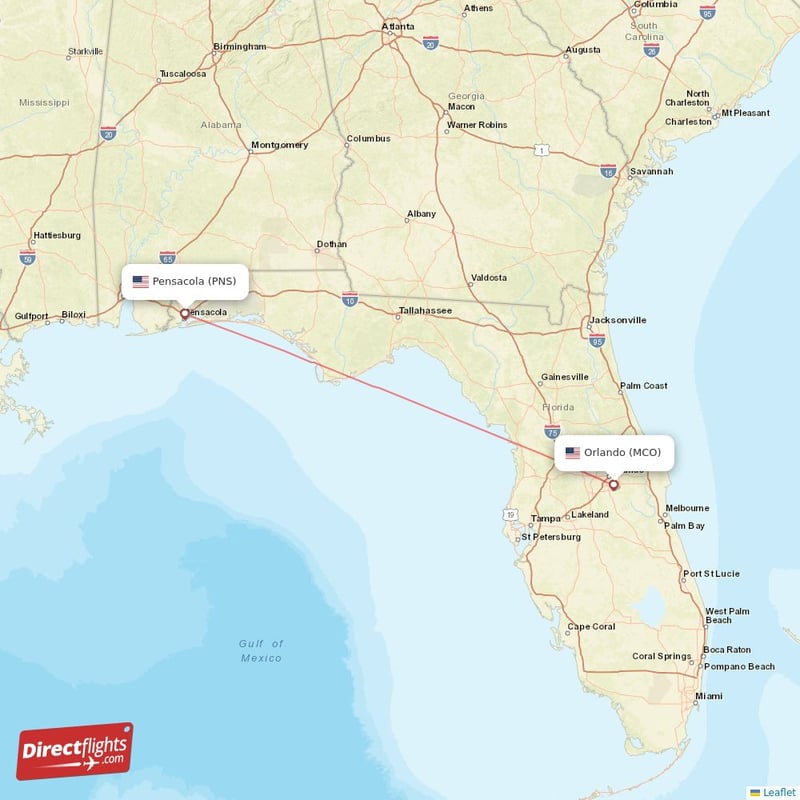
For those prioritizing speed and minimizing travel time, flying is the most practical alternative. There are no direct flights between Orlando International Airport (MCO) and Pensacola International Airport (PNS). Travelers would typically need to take a connecting flight, usually through a hub like Atlanta or Charlotte. While the in-air time might be around 2-3 hours, the total travel time, including getting to the airport, check-in, security, boarding, deplaning, and collecting luggage, can easily extend to 5-6 hours or more. The cost of flights can also fluctuate significantly based on booking time and demand.
Bus Travel
Intercity bus services offer a more budget-friendly option, though it is also the slowest. Companies like Greyhound operate routes connecting various cities in Florida. The journey from Orlando to Pensacola by bus can take anywhere from 9 to 12 hours, sometimes more, depending on the route and the number of stops. This option is best suited for travelers who are not time-constrained and are looking to save on transportation costs.
Train Travel
Currently, there is no direct train service that efficiently connects Orlando to Pensacola. Amtrak routes would likely involve multiple transfers and significantly longer travel times than driving or flying, making it a less practical choice for this specific route.
The Experience of the Journey
The drive from Orlando to Pensacola is more than just covering miles; it’s an unfolding narrative of Florida’s diverse landscapes. The initial departure from the Central Florida region means leaving behind the concentrated tourist attractions and entering a more rural and eventually a more pine-forested terrain.
Central Florida to the Panhandle
As you move west from Orlando, the scenery gradually shifts. The dense development of theme parks gives way to rolling hills and agricultural areas. Citrus groves, once a dominant feature of Florida’s landscape, may still be visible, though development has altered many of these areas. As you progress further west, particularly as you approach and travel along I-10, the landscape transitions into the characteristic pine forests and wetlands of northern Florida.
Notable Stops Along the Way
While the direct route is focused on efficiency, there are opportunities for exploration for those who wish to break up the journey.
Gainesville
A significant city along the route, Gainesville, is home to the University of Florida and offers a vibrant downtown area with unique shops and restaurants. It’s a good place for a mid-drive meal or a brief respite.
Tallahassee
As the capital of Florida, Tallahassee is another key city on the path to Pensacola. It boasts historical sites like the Florida Historic Capitol Museum and beautiful natural areas such as Alfred B. Maclay Gardens State Park. A stop here could offer a glimpse into the state’s governance and natural beauty.
Marianna and the Panhandle’s Natural Wonders
Further west, the area around Marianna is known for its impressive cave systems, such as Florida Caverns State Park. For those with a bit more time, exploring these subterranean wonders can be a unique way to break up a long drive.
Arrival in Pensacola
Upon reaching Pensacola, travelers are greeted by a distinctly different atmosphere than that of Orlando. The city is renowned for its pristine white-sand beaches along the Gulf of Mexico, its rich history as a Spanish and later American settlement, and its vibrant military presence, notably Naval Air Station Pensacola and the famed National Naval Aviation Museum. The contrast between the inland, entertainment-focused Orlando and the coastal, historically significant Pensacola underscores the remarkable geographical diversity within the state of Florida. The distance between them, therefore, represents not just mileage but a journey through varied environments and cultural influences.
LifeOutOfTheBox is a participant in the Amazon Services LLC Associates Program, an affiliate advertising program designed to provide a means for sites to earn advertising fees by advertising and linking to Amazon.com. Amazon, the Amazon logo, AmazonSupply, and the AmazonSupply logo are trademarks of Amazon.com, Inc. or its affiliates. As an Amazon Associate we earn affiliate commissions from qualifying purchases.