
Absolutely, embarking on a drive to Anchorage, Alaska, is not only possible but represents one of North America’s most iconic and rewarding road trip experiences. It’s a journey that takes travelers through vast, untamed wilderness, across international borders, and into the heart of the Last Frontier. Far from a simple drive, this adventure is an odyssey that demands careful preparation, an adventurous spirit, and an appreciation for the breathtaking landscapes that unfold along the way. For those seeking an immersive travel experience, the drive to Alaska is a pilgrimage, promising unparalleled scenery and memories that last a lifetime.
The Alluring Call of the Alaska Highway
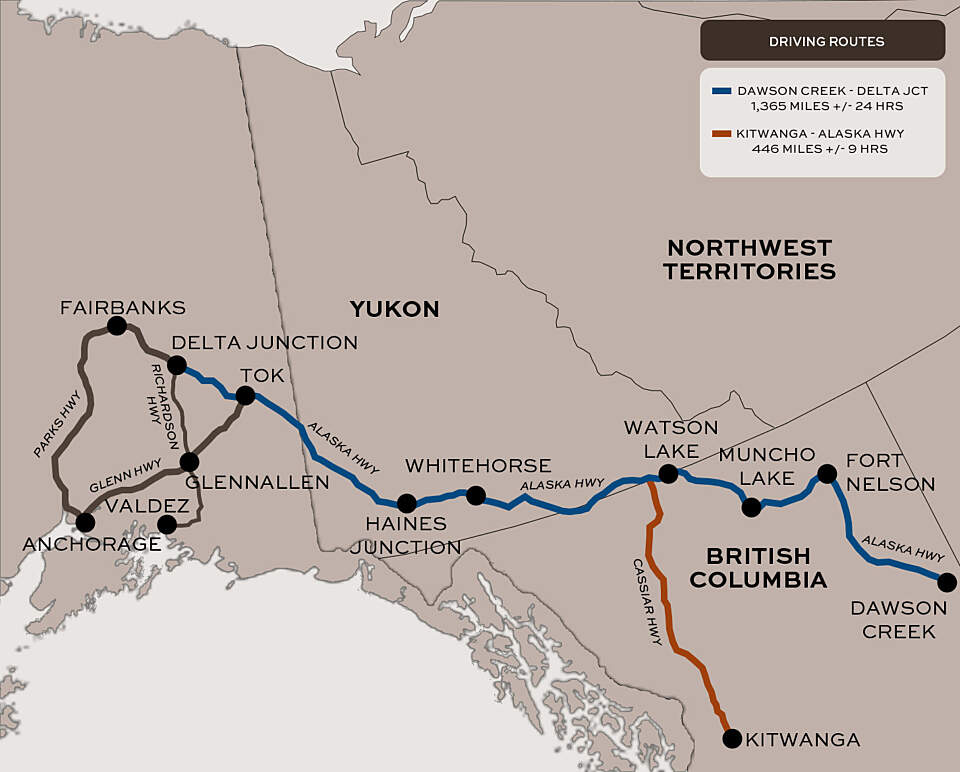
The primary artery for anyone driving to Anchorage is the legendary Alaska Highway, also famously known as the Alcan Highway. Constructed during World War II, this monumental engineering feat stretches approximately 1,387 miles (2,232 kilometers) from Dawson Creek, British Columbia, Canada, to Delta Junction, Alaska. It serves as the gateway to the state, winding through pristine forests, alongside majestic mountains, and past countless lakes and rivers. This isn’t just a route; it’s a destination in itself, celebrated for its historical significance and the raw natural beauty it reveals at every turn. While the highway officially ends at Delta Junction, the journey continues on other well-maintained Alaskan roads to reach Anchorage, making the entire drive a seamless and unforgettable Alaskan Road Trip.
Planning Your Epic Alaskan Road Trip
Undertaking a drive of this magnitude requires meticulous planning. The vast distances, remote sections, and unpredictable conditions necessitate thorough preparation to ensure a safe and enjoyable journey.
Essential Pre-Trip Vehicle Checks
Your vehicle is your most critical piece of equipment for this adventure. Before setting off, a comprehensive inspection by a trusted mechanic is non-negotiable. Pay particular attention to:
- Tires: Ensure they are in excellent condition, including your spare. Consider all-terrain tires for added peace of mind, especially if you plan detours onto gravel roads.
- Fluids: Check oil, coolant, brake fluid, and windshield wiper fluid levels. Carry extra of each.
- Brakes: Verify brake pads and rotors are in good working order.
- Battery: Test the battery and ensure terminals are clean and secure.
- Emergency Kit: Assemble a robust kit including jumper cables, a first-aid kit, tools, duct tape, flashlight, non-perishable food, water, blankets, and a shovel. A satellite messenger or two-way radio is highly recommended for stretches with no cell service.
Many sections of the Alaska Highway are remote, with services spaced hundreds of miles apart. Being self-sufficient is key.
Documentation and Border Crossings
Since the route traverses Canada, proper documentation for both yourself and your vehicle is essential.
- Passports: A valid passport is required for all travelers crossing the U.S.-Canada border.
- Vehicle Registration and Proof of Ownership: Carry your vehicle’s registration and title.
- Insurance: Obtain a Canadian non-resident insurance card from your insurer, confirming your coverage extends into Canada.
- Driver’s License: A valid driver’s license from your home country or state.
- COVID-19 Requirements: Always check the latest entry requirements for both Canada and the United States closer to your travel date.
Be prepared for customs inspections at both borders, and declare all items as required.
Best Time to Drive
The timing of your trip profoundly impacts the experience.
- Summer (May through September): This is by far the most popular time to drive. Road conditions are generally excellent, all services (gas, accommodation, restaurants) are open, and daylight hours are incredibly long, sometimes lasting nearly 24 hours in northern regions. Wildlife viewing is abundant, and the weather is typically mild, though rain is always possible.
- Shoulder Seasons (April/October): These months can offer fewer crowds and unique beauty as seasons change, but services may be limited, and weather can be unpredictable, with chances of snow, ice, and colder temperatures.
- Winter (November through March): Driving the Alaska Highway in winter is an undertaking for experienced cold-weather drivers only. Extreme cold, heavy snow, ice, reduced daylight, and very limited services characterize this season. Road closures are possible. While beautiful, it’s not recommended for first-timers.
Budgeting for the Journey
The drive to Anchorage is an investment. Factor in:
- Fuel: Gas prices fluctuate and are generally higher in remote areas of British Columbia, Yukon Territory, and Alaska.
- Accommodation: Whether you opt for hotels, motels, or campgrounds, plan your overnight stops and book in advance during peak season.
- Food: Groceries and restaurant meals. Carrying some non-perishable food and cooking supplies can save money.
- Vehicle Maintenance: Factor in potential costs for unexpected repairs or routine checks along the way.
- Activities: Don’t forget to budget for any attractions or experiences you wish to enjoy.
- Emergency Fund: Always have extra funds for unforeseen circumstances.
Navigating the Alaska Highway and Beyond
The route to Anchorage involves a series of interconnected highways, each offering its own character and challenges.
The Main Route: From British Columbia to Alaska
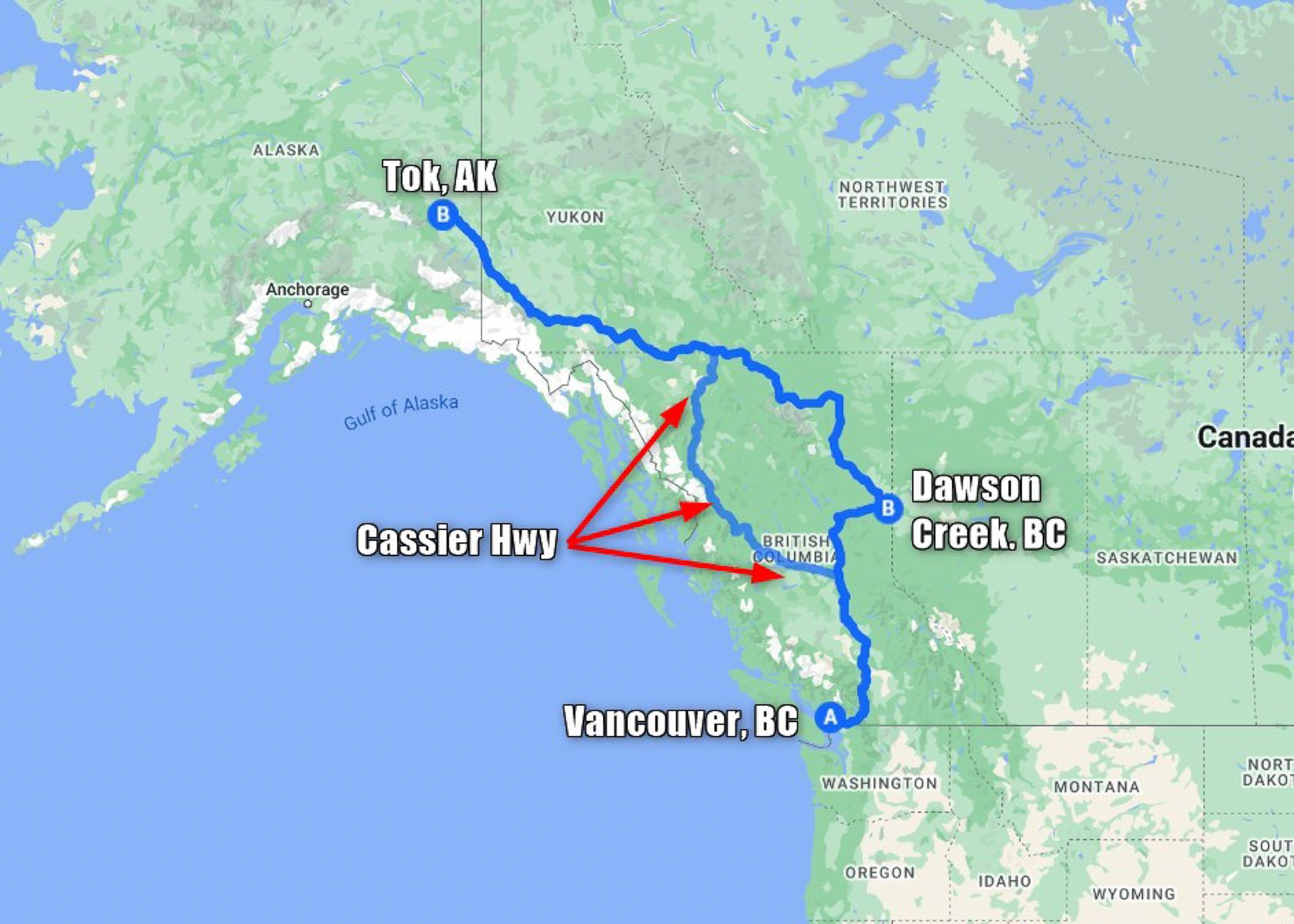
Your journey typically begins in Dawson Creek, British Columbia, the official Mile 0 of the Alaska Highway. From here, the highway heads northwest through:
- British Columbia: You’ll pass through towns like Fort Nelson, characterized by vast forests and gradually rising mountains. The initial stretches are often paved and well-maintained.
- Yukon Territory: Crossing into the Yukon Territory brings you to iconic stops such as Watson Lake, home to the famous Sign Post Forest. Further north, Whitehorse, the capital of Yukon, offers a chance to refuel, restock, and experience a larger town before continuing into more remote areas. The Yukon portion is known for its dramatic mountain passes and pristine lakes.
The Alaska Highway concludes at Delta Junction, where the “End of the Alaska Highway” sign marks a significant milestone.
Connecting to Anchorage
From Delta Junction, you have a couple of primary options to reach Anchorage:
- Via Fairbanks: From Delta Junction, take the Richardson Highway north to Fairbanks. After exploring Fairbanks, the journey south to Anchorage is via the Parks Highway. This route is scenic, passing close to Denali National Park and Preserve and offering incredible views of Mount Denali on clear days.
- Via the Tok Cut-Off and Glenn Highway: An alternative and often preferred route for those heading directly to Anchorage from Delta Junction is to take the Tok Cut-Off from the community of Tok (just before Delta Junction if coming from Canada). This road leads to Glennallen, where it connects with the Glenn Highway. The Glenn Highway is renowned as one of Alaska’s most scenic drives, offering stunning glacier views and mountain vistas all the way to Anchorage.
Both routes are entirely paved and well-maintained in summer, providing different perspectives of Alaska’s diverse landscapes.
What to Expect Along the Way
The journey is as much about the destination as it is about the unfolding experience. Expect a trip unlike any other.
Scenic Wonders and Wildlife
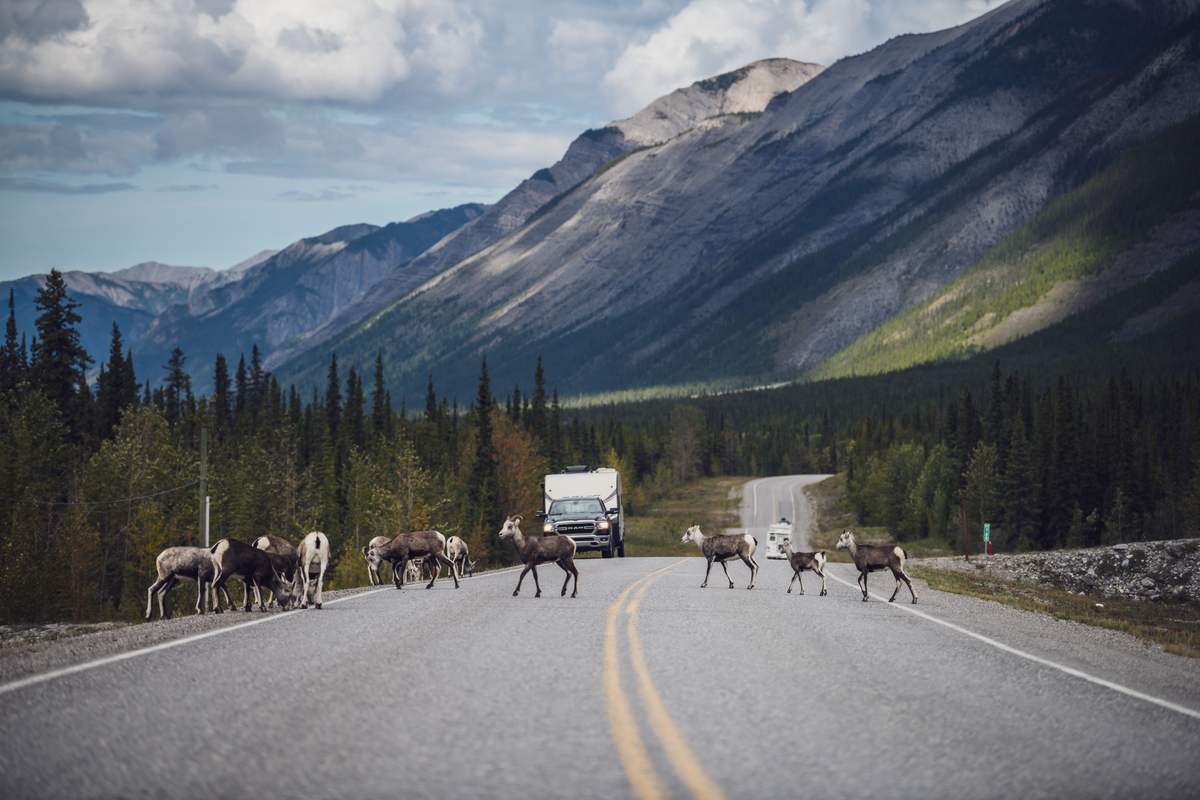
The landscapes are consistently awe-inspiring. You’ll traverse diverse ecosystems, from dense boreal forests and rolling plains to towering mountain ranges, glacial lakes, and rushing rivers. The scale of the wilderness is immense and often overwhelming. Wildlife sightings are common and often a highlight for travelers. Keep an eye out for:
- Bears: Black and grizzly bears are frequently seen. Maintain a safe distance and never approach them.
- Moose: Often spotted grazing along the roadside or in marshy areas.
- Caribou: Herds can occasionally be seen, especially in more northern reaches.
- Dall Sheep: Look for them on rocky slopes in mountainous regions.
- Eagles: Bald eagles are abundant, particularly near bodies of water.
Always pull over safely to view wildlife and never feed them. Binoculars are invaluable for a closer look without disturbance.
Services and Accommodation
While services exist, they are not as frequent as on major interstate highways in the lower 48 United States.
- Gas Stations: Fuel stops can be spaced out, sometimes over 100 miles (160 km) apart. It is a golden rule to fill your tank whenever you have the opportunity, even if it’s not completely empty. Carrying an extra jerry can of fuel is a wise precaution.
- Motels and Campgrounds: These are available in most towns and designated stops along the highway. During peak season, they can fill up quickly, so booking ahead, especially for popular spots like Whitehorse or Fairbanks, is recommended. Many travelers also opt for camping, with numerous provincial, territorial, and state parks offering picturesque sites.
- Food and Supplies: Small general stores and diners are common in towns. For more extensive grocery shopping, larger centers like Fort Nelson, Whitehorse, and Fairbanks are your best bet.
Road Conditions
The Alaska Highway is largely paved, but don’t expect perfectly smooth asphalt throughout its entire length.
- Potholes and Frost Heaves: Especially in spring and early summer, the freeze-thaw cycles can create significant potholes and frost heaves, which are sudden bumps in the road. Drive defensively and slow down.
- Gravel Sections: While much of the highway is paved, you may encounter short gravel sections due to ongoing construction or detours. These are usually well-marked.
- Construction: Summer is construction season in the North. Expect delays due to roadwork, pilot cars, and single-lane traffic.
- Dust and Mud: In dry weather, gravel sections can create significant dust. In wet weather, they can become muddy. Keep your windshield clean and maintain extra space between vehicles.
The Reward: Arriving in Anchorage
After days of driving through stunning wilderness, crossing borders, and experiencing the vastness of the North, the arrival in Anchorage is a profound sense of accomplishment. Anchorage, Alaska’s largest city, welcomes you with a vibrant urban atmosphere set against a backdrop of dramatic mountains and the waters of Cook Inlet. It serves as an ideal base for further explorations of the region, from accessing national parks to embarking on wildlife cruises or flightseeing tours. The journey itself becomes an integral part of your Alaskan adventure, a story you’ll recount for years to come, proving that yes, you absolutely can drive to Anchorage, Alaska.
LifeOutOfTheBox is a participant in the Amazon Services LLC Associates Program, an affiliate advertising program designed to provide a means for sites to earn advertising fees by advertising and linking to Amazon.com. Amazon, the Amazon logo, AmazonSupply, and the AmazonSupply logo are trademarks of Amazon.com, Inc. or its affiliates. As an Amazon Associate we earn affiliate commissions from qualifying purchases.