
Orlando, Florida, a perennial favorite for families, thrill-seekers, and anyone looking to escape the ordinary, beckons with its world-class theme parks, vibrant entertainment, and sunny disposition. But the question of “how far” is more than just a matter of mileage; it’s about understanding the journey, the preparation, and the eventual arrival into a land of magic and wonder. This guide aims to demystify the distances and planning involved in reaching this iconic destination, whether you’re embarking on a cross-country road trip or hopping across the Atlantic.
Mapping Your Journey: Distance and Travel Time
The distance to Orlando is a variable that depends entirely on your starting point. Understanding these geographical considerations is the first step in crafting your itinerary.
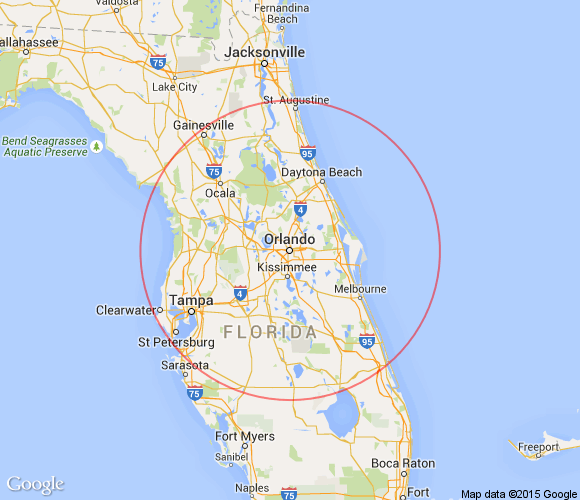
Domestic Distances and Driving Times
For those within the contiguous United States, driving is a popular and often cost-effective option, especially for families.
- From the Northeast (e.g., New York City): The drive is approximately 1,100-1,200 miles, typically taking 17-20 hours of pure driving time. Most travelers opt to break this journey into two or three days, with overnight stops in cities like Richmond, Charlotte, or Atlanta. The primary routes often involve I-95 South, offering a direct path through several East Coast states.
- From the Midwest (e.g., Chicago): This route spans around 1,150-1,250 miles, with a driving time of 18-21 hours. Common routes utilize I-75 South for a significant portion of the journey, passing through states like Kentucky, Tennessee, and Georgia. Similar to the Northeast, a multi-day trip is highly recommended, with potential stopping points in cities like Nashville or Chattanooga.
- From the South (e.g., Miami): This is a considerably shorter drive, approximately 230-250 miles, taking around 3.5-4.5 hours. This makes it an ideal option for a long weekend getaway. The Florida Turnpike is the most direct and common route, offering a straightforward journey north.
- From the West Coast (e.g., Los Angeles): This is a significant cross-country undertaking, covering roughly 2,600-2,800 miles and requiring at least 40-45 hours of driving. This journey necessitates a minimum of 4-5 days, allowing for adequate rest and exploration along the way. Routes often involve I-40 East or I-10 East, traversing a diverse range of landscapes and states.
When planning a road trip, remember to factor in stops for fuel, meals, and rest. Traffic, particularly around major metropolitan areas and during peak travel seasons, can also add to your travel time. Utilizing navigation apps with real-time traffic updates is invaluable.
International Distances and Flight Times
For international travelers, flying is the most practical and efficient mode of transport to Orlando International Airport (MCO), the primary gateway to the region.
- From Europe (e.g., London): Direct flights to Orlando typically range from 8.5 to 10 hours. Airlines like British Airways, Virgin Atlantic, and United Airlines offer regular services. Flights from continental Europe may be slightly longer.
- From South America (e.g., São Paulo): Direct flights can range from 7 to 9 hours. Carriers such as LATAM Airlines and Gol Linhas Aéreas frequently serve this route.
- From Canada (e.g., Toronto): Direct flights are relatively short, typically between 3 to 3.5 hours. Numerous airlines, including Air Canada and WestJet, operate these routes.
When booking flights, consider factors like direct versus connecting flights, time zone differences, and the time of year. Early booking often secures better fares, especially for popular travel periods like school holidays and summer breaks.
Preparing for Your Arrival: Essential Travel Planning
Once you’ve determined your distance and mode of travel, the next step is to prepare for a seamless journey to Orlando.
Vehicle Preparation for Road Trippers
If you’re driving, a well-maintained vehicle is paramount.
- Vehicle Inspection: Before embarking on a long drive, ensure your car is in optimal condition. This includes checking tire pressure, tread depth, oil levels, coolant, brakes, and lights. A pre-trip inspection by a trusted mechanic can prevent unexpected issues.
- Emergency Kit: Pack an emergency kit that includes jumper cables, a first-aid kit, a flashlight, basic tools, a spare tire, and a tire pressure gauge.
- Navigation Tools: Rely on reliable GPS devices or smartphone apps with offline map capabilities. Download maps for areas where cell service might be spotty.
- Entertainment: Long drives can be monotonous. Prepare playlists, podcasts, audiobooks, or travel games to keep passengers engaged.
Air Travel Essentials
For those flying, a few key preparations can enhance the experience.

- Documentation: Ensure all travelers have valid identification, such as passports or driver’s licenses, as required for domestic or international travel. For international trips, verify visa requirements well in advance.
- Baggage: Familiarize yourself with your airline’s baggage policies regarding size, weight, and checked versus carry-on luggage to avoid unexpected fees.
- Comfort: Pack essentials for a comfortable flight, including a neck pillow, a book or tablet, noise-canceling headphones, and snacks.
- Airport Arrival: Aim to arrive at the airport at least two hours before domestic flights and three hours before international flights to allow ample time for check-in, security screening, and boarding.
Navigating Orlando: Getting Around Once You Arrive
Your journey doesn’t end at the airport or upon pulling into your hotel parking lot. Getting around Orlando is another crucial aspect of your trip.
Rental Cars and Ride-Sharing
The most common and flexible way to explore Orlando and its surrounding attractions is by renting a car. Major rental agencies operate at Orlando International Airport and throughout the city.
- Rental Car Benefits: A rental car provides the freedom to visit multiple theme parks, explore dining options outside the resort areas, and take day trips to nearby attractions like Kennedy Space Center Visitor Complex or Florida’s beaches.
- Ride-Sharing Services: Services like Uber and Lyft are readily available and can be a convenient option for shorter distances or when you prefer not to deal with parking. Many theme parks and hotels have designated pick-up and drop-off zones.
Public Transportation and Shuttles
While not as comprehensive as in some larger cities, Orlando does offer public transportation options.
- LYNX Bus System: The LYNX bus system serves Orange County and surrounding areas, providing a budget-friendly way to travel. However, routes and schedules may not always align perfectly with tourist itineraries.
- Hotel Shuttles: Many hotels, particularly those near Walt Disney World and Universal Orlando Resort, offer complimentary shuttle services to the theme parks. This can significantly reduce transportation costs and parking hassles.
- I-RIDE Trolley: The I-RIDE Trolley operates along International Drive, connecting major hotels, attractions, and shopping centers. It’s an affordable and convenient way to navigate the International Drive corridor.
Walking and Biking
Within certain resort areas or specific neighborhoods, walking or biking can be pleasant options. For instance, exploring the areas around Disney Springs or the Universal CityWalk is easily done on foot. Some resorts also offer bike rentals. However, for covering significant distances between attractions, these methods are generally not practical.
Factors Influencing Your Travel Time
Beyond the sheer distance, several other factors can influence how long it takes to reach Orlando and how you experience your journey.
Time of Year and Seasonality
- Peak Seasons: Travel during major holidays, school breaks (summer, spring break, Christmas), and special events can mean increased traffic, higher airfares, and more crowded travel routes. This can extend travel times due to congestion.
- Off-Peak Seasons: Traveling during shoulder seasons (e.g., late September to November, excluding Thanksgiving) or January can offer more favorable travel conditions, with less traffic and potentially lower costs.
Day of the Week
- Weekends: Fridays and Sundays are typically the busiest travel days, especially for leisure trips to destinations like Orlando. Driving on these days can mean more traffic, and flights may be more expensive.
- Mid-Week Travel: Mid-week travel (Tuesdays and Wednesdays) is often less congested and can provide more affordable options for both flights and accommodations.

Traffic and Weather Conditions
- Traffic: Urban areas, construction zones, and major thoroughfares are prone to traffic delays. Real-time navigation is crucial for adjusting routes and minimizing time lost.
- Weather: While Florida is known for its sunshine, severe weather events like hurricanes or thunderstorms can cause flight delays, cancellations, and make driving conditions hazardous. Staying informed about weather forecasts is essential.
Ultimately, understanding “how far to Orlando from here?” is an invitation to plan meticulously. By considering your starting point, mode of transport, and the various influencing factors, you can transform the journey into an enjoyable prelude to the unforgettable experiences that await in the heart of Florida.
LifeOutOfTheBox is a participant in the Amazon Services LLC Associates Program, an affiliate advertising program designed to provide a means for sites to earn advertising fees by advertising and linking to Amazon.com. Amazon, the Amazon logo, AmazonSupply, and the AmazonSupply logo are trademarks of Amazon.com, Inc. or its affiliates. As an Amazon Associate we earn affiliate commissions from qualifying purchases.