
When planning a trip from the majestic Rocky Mountains to the sun-drenched shores of Florida, one of the most fundamental questions travelers ask is about flight duration. The flight from Denver to Orlando is a popular route, connecting two vastly different, yet equally appealing, travel experiences. Understanding the typical flight times is crucial for optimizing your itinerary, whether you’re heading to experience the magic of Walt Disney World, explore the vibrant city life, or simply soak up the warmth of the Sunshine State.
Factors Influencing Flight Duration
The flight time between Denver and Orlando is not a static number. Several key variables contribute to the variability, and understanding these will help you set realistic expectations for your journey.

Direct vs. Connecting Flights
The most significant determinant of flight duration is whether you opt for a direct flight or a flight with one or more layovers.
Direct Flights
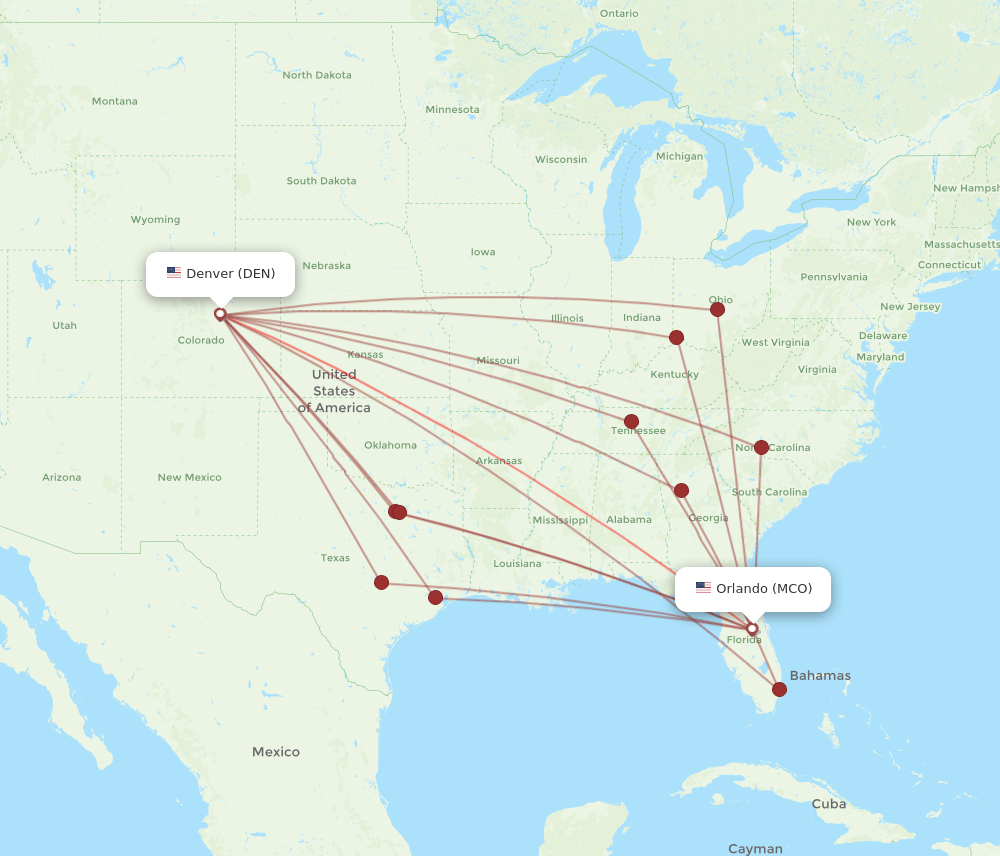
Direct flights are the most efficient way to travel between Denver and Orlando. These flights take you from Denver International Airport (DEN) to Orlando International Airport (MCO) without any stops. The typical airborne time for a direct flight is approximately 3.5 to 4 hours. However, this is just the time spent in the air. When accounting for taxiing, boarding, and deplaning, the total travel time from gate to gate can extend this slightly, usually to around 4 to 4.5 hours.
Connecting Flights
Flights with layovers offer more flexibility in terms of scheduling and can sometimes be more budget-friendly. However, they invariably increase the overall travel time. A connecting flight can involve one or more stops, often in major hubs like Atlanta, Chicago, or Dallas. The duration of a connecting flight can vary dramatically based on:
- Layover Duration: The time spent on the ground between flights can range from a quick 45 minutes to several hours. A short layover might be stressful, while an extended one can turn a short trip into a much longer ordeal.
- Number of Stops: Flights with two or more layovers will naturally be longer than those with a single stop.
- Layover Airports: The geographical location of the layover airport in relation to both Denver and Orlando will impact the total flight path and thus the duration.
A connecting flight from Denver to Orlando can range anywhere from 6 hours to over 10 hours, with some exceptionally long journeys potentially exceeding this. It’s essential to carefully review the total travel time, including layovers, when comparing flight options.
Airline and Aircraft Type
While less impactful than the direct vs. connecting factor, the specific airline and the type of aircraft used can also subtly influence flight times. Newer, more efficient aircraft can sometimes achieve slightly faster speeds. Additionally, airlines may have slightly different routing preferences or operational procedures that can add or subtract a few minutes from the total flight time. However, for a flight of this distance, these differences are generally minimal.
Wind Conditions and Air Traffic
The prevailing winds, particularly the jet stream, can significantly affect flight times. Flying eastward from Denver to Orlando often means taking advantage of tailwinds, which can shorten the flight. Conversely, headwinds can extend it. Air traffic control also plays a role; busy air corridors or weather-related flight path diversions can lead to delays or adjustments in flight time. These are generally outside the passenger’s control but are part of the complex calculus that determines how long you’ll be in the air.
Estimating Your Travel Time

To effectively plan your trip to Orlando, it’s helpful to have a clear estimate of your total travel time.
For Direct Flights
If you’ve booked a direct flight, your primary considerations are the time spent at the airport and the actual flight duration.
- Airport Arrival: For domestic flights, airlines typically recommend arriving at the airport at least 2 hours before departure. This allows ample time for check-in, security screening, and navigating to your gate.
- Flight Time: As mentioned, the airborne time is around 3.5 to 4 hours.
- Arrival at MCO: Once you land at Orlando International Airport (MCO), you’ll need time to taxi to the gate, deplane, and potentially collect any checked baggage. This can add another 30 minutes to 1 hour to your journey.
Therefore, a typical door-to-door travel time for a direct flight from Denver to Orlando, including airport procedures, is usually in the range of 6 to 7 hours.
For Connecting Flights
Planning for connecting flights requires more attention to detail.
- Total Journey Time: When booking, the airline’s system will provide a total journey time, which includes all flight segments and layovers. This is the figure you should primarily rely on.
- Buffer Time: It’s wise to mentally add a small buffer to the stated travel time, especially if your connection is tight. Delays in the first flight can easily cause you to miss your connection.
- Navigating Airports: Factor in the time it takes to disembark, find your next gate, and potentially move between terminals at the layover airport.
When you see a flight advertised as, for example, a “6-hour” journey, remember that this often includes significant time on the ground during layovers.
Planning Your Orlando Adventure
Knowing the flight duration is just the first step in planning your trip from Denver to Orlando. This knowledge can inform crucial decisions about your travel day and overall itinerary.
Choosing the Right Flight Time
- Morning Flights: Opting for an early morning flight from Denver means you can arrive in Orlando by late morning or early afternoon. This allows for check-in at your hotel and a good portion of the day to start exploring attractions like Universal Orlando Resort or enjoying the amenities at your chosen resort.
- Afternoon/Evening Flights: If you choose a later flight, you might lose a significant part of your arrival day to travel. This can be beneficial if you’re not on a tight schedule or if you want to maximize your last day in Denver.
Considering Time Zone Differences
Remember that Denver is in the Mountain Time Zone (MT), while Orlando is in the Eastern Time Zone (ET). Orlando is two hours ahead of Denver. This means that even if your flight departs Denver at 10:00 AM MT and lands 3.5 hours later, the local time upon arrival in Orlando will be 1:30 PM ET (10:00 AM + 3.5 hours flight + 2 hours time difference). Always pay attention to the departure and arrival times listed in local time for each city.
Booking Tips
When searching for flights, always look at the total travel time, not just the “flight time.” Use flight comparison websites to easily view options from various airlines, filter by direct flights, and see the total duration for connecting flights. Booking in advance, especially during peak travel seasons for Orlando (such as school holidays or major event times), is highly recommended to secure better prices and flight schedules. Consider flying mid-week, as Tuesday and Wednesday flights are often less expensive and less crowded than weekend travel.
Ultimately, the flight from Denver to Orlando is a manageable journey that opens up a world of vacation possibilities. By understanding the factors that influence flight duration and planning accordingly, you can ensure your travel day is as smooth and efficient as possible, allowing you to focus on the exciting experiences that await you in the heart of Florida.
LifeOutOfTheBox is a participant in the Amazon Services LLC Associates Program, an affiliate advertising program designed to provide a means for sites to earn advertising fees by advertising and linking to Amazon.com. Amazon, the Amazon logo, AmazonSupply, and the AmazonSupply logo are trademarks of Amazon.com, Inc. or its affiliates. As an Amazon Associate we earn affiliate commissions from qualifying purchases.