
Oklahoma, a state often celebrated for its rolling prairies, expansive skies, and rich cultural heritage, also boasts a deep connection to its natural landscape. Part of this connection is formalized through state symbols, with the state tree holding a special place in representing the essence of the Sooner State’s natural beauty and enduring spirit. The selection of a state tree is more than just an arbitrary choice; it often reflects the prevalent flora, historical significance, or ecological importance of a particular species within the state’s borders. For Oklahoma, this symbolic representation is the Redbud.
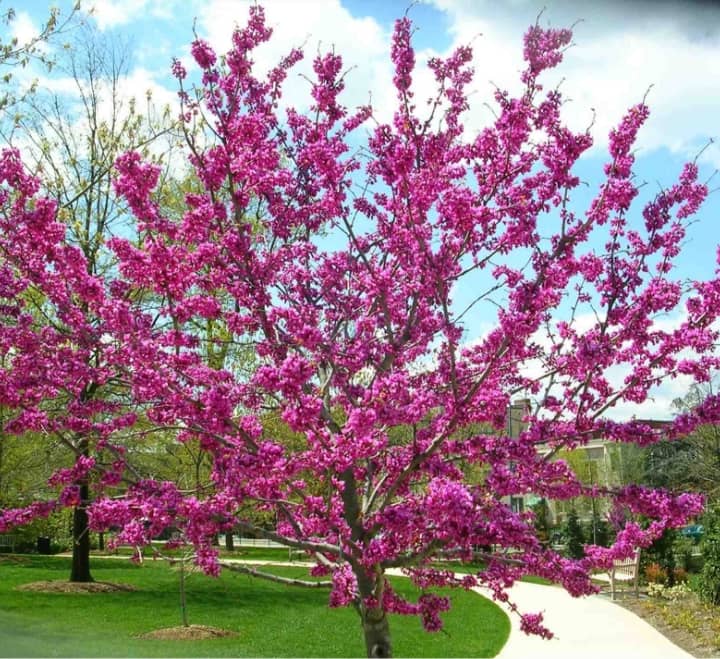
The Iconic Eastern Redbud: A Symbol of Spring and Resilience
The Eastern Redbud (Cercis canadensis) is a deciduous tree native to eastern North America, and it thrives remarkably well across the diverse ecosystems of Oklahoma. Its widespread presence and striking visual appeal are undoubtedly key factors that led to its official designation as the state tree in 1971. Known for its distinctive heart-shaped leaves and, most famously, its profusion of vibrant pinkish-purple flowers that bloom in early spring, the Eastern Redbud is a harbinger of warmer weather and renewal.
Blooming Beauty and Ecological Significance
The visual spectacle of an Eastern Redbud in full bloom is a cherished sight for many Oklahomans. The flowers emerge directly from the branches and trunk, a phenomenon known as cauliflory, creating an almost surreal display of color against the still-bare branches of other trees. This early blooming provides a vital nectar source for pollinators, such as bees and butterflies, as they emerge from winter dormancy, playing a crucial role in the local ecosystem.
Beyond its aesthetic charm, the Eastern Redbud contributes to the ecological health of Oklahoma. As a nitrogen-fixing plant, it enriches the soil, benefiting surrounding vegetation. Its seed pods, which develop after flowering, provide a food source for various birds and small mammals. The tree’s adaptability to different soil types and its relative drought tolerance make it a resilient and valuable component of the state’s natural heritage.
Historical and Cultural Connections
While the Eastern Redbud is widely distributed, it holds particular significance in Oklahoma due to its prominent presence across the state, from the eastern woodlands to the more open landscapes of central and western Oklahoma. Its early spring bloom has long been associated with the arrival of spring across the Great Plains, a time of hope and new beginnings after the often harsh winter months.
For many years, before its official designation, the Eastern Redbud was a beloved native plant, appreciated for its beauty and its dependable flowering. Local communities and families would often mark the blooming season as a sign of the changing times, a natural calendar that dictated outdoor activities and the anticipation of summer. This deep-seated, informal appreciation likely paved the way for its eventual recognition as a state symbol.
Exploring the Redbud’s Habitat in Oklahoma
The Eastern Redbud can be found in a variety of natural settings throughout Oklahoma. It prefers well-drained soils and often thrives in partial shade, commonly appearing in the understory of forests, along stream banks, and on rocky slopes. This adaptability means that encountering these beautiful trees is a common experience for anyone exploring the state’s natural attractions.
Natural Parks and Forests
Several of Oklahoma’s state parks and national forests offer excellent opportunities to witness the Eastern Redbud in its natural glory. The Ouachita Mountains in southeastern Oklahoma, for instance, with their rich biodiversity and dense woodlands, are prime locations to see large stands of redbuds. Parks like Beaver’s Bend State Park are particularly renowned for their springtime floral displays, where the vibrant pinks and purples of the redbuds create a breathtaking contrast with the emerging green of other foliage.
The Osage Hills State Park, located in the northeastern part of the state, also provides viewing opportunities. Here, the landscape transitions from dense forests to more open woodlands and rocky outcrops, where the redbud can be found adding splashes of color to the scenery. Exploring hiking trails in these areas during early spring is a highly recommended experience for nature enthusiasts and photographers.
Urban Landscapes and Gardens
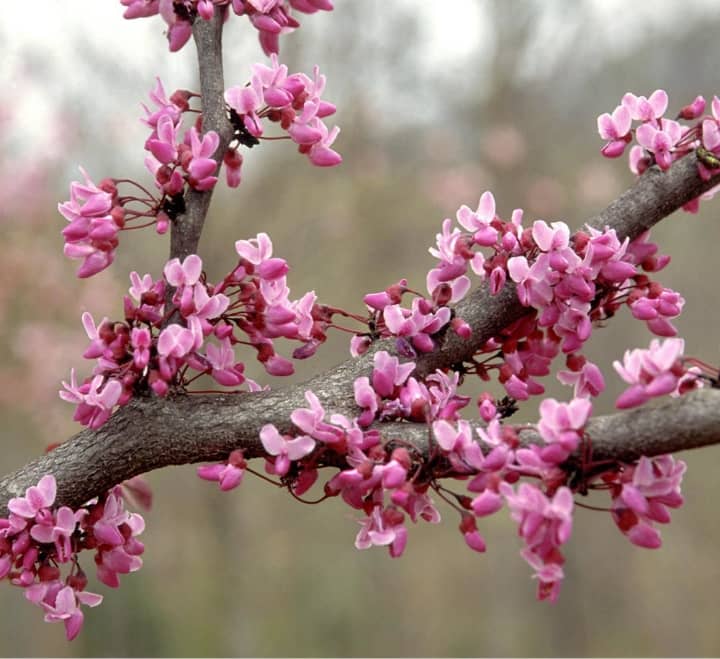
Beyond its native habitats, the Eastern Redbud has also become a popular ornamental tree in Oklahoma’s cities and towns. Many residents and municipalities choose to plant redbuds in parks, along streets, and in private gardens, recognizing their beauty and their resilience in urban environments. This widespread cultivation further cements the Eastern Redbud as a familiar and beloved symbol of the state.
Cities like Oklahoma City and Tulsa have numerous public spaces and residential neighborhoods where one can admire the blooming redbuds. The Myriad Botanical Gardens in Oklahoma City, for example, often feature a variety of native plants, including the Eastern Redbud, showcasing their seasonal beauty. Visiting these urban green spaces during spring offers a convenient way to appreciate this state symbol.
Beyond the Bloom: The Redbud Throughout the Year
While its spring flowers are its most celebrated attribute, the Eastern Redbud offers visual interest throughout the year, making it a valuable element of the Oklahoma landscape in every season.
Summer Foliage and Shade
During the summer months, the Eastern Redbud provides ample shade with its dense canopy of distinctively shaped, heart-like leaves. These leaves are typically a rich green color and remain on the tree until the arrival of autumn. The shade offered by redbuds is appreciated in parks and gardens, providing cool respite during the hot Oklahoma summers. The tree’s relatively small to medium size makes it suitable for a variety of landscaping purposes, from providing shade for patios to acting as a specimen tree in garden designs.
Autumnal Transformation
As autumn approaches, the green foliage of the Eastern Redbud begins to transform, though its fall color is not as spectacular as some other deciduous trees. The leaves typically turn a clear yellow or yellowish-brown, offering a subtle yet pleasing autumnal display. While not as dramatic as the fiery reds and oranges of maples or oaks, the yellow hues of the redbud provide a warm contrast against the changing colors of the surrounding forest or landscape. The seed pods, which have been developing throughout the summer, become more prominent in the fall, adding another textural element to the tree’s appearance.
Winter Structure and Seed Pods
In winter, the Eastern Redbud reveals its striking branching structure. The tree has an often irregular, spreading habit, with branches that can twist and turn in graceful patterns. The persistent seed pods, which are typically flat and dark brown, often remain on the branches throughout the winter months, adding visual interest against the starkness of the bare branches and providing a food source for wildlife. This year-round presence, from the vibrant spring bloom to the persistent winter seed pods, underscores the Eastern Redbud’s enduring appeal and its integral role in the natural tapestry of Oklahoma.
Cultivating and Appreciating the State Tree
The designation of the Eastern Redbud as Oklahoma’s state tree encourages its cultivation and appreciation across the state. Understanding its needs and how to best care for it can help ensure its continued presence and beauty.
Planting and Care Tips
For those interested in planting an Eastern Redbud, it’s important to choose a location that offers well-drained soil and either full sun to partial shade. While the tree is relatively low-maintenance, proper planting techniques are crucial for its establishment. Avoid planting too deep, and ensure adequate watering during the first few years, especially in drier periods. Pruning is generally minimal, mainly for shaping and removing any dead or damaged branches. The Eastern Redbud is also relatively resistant to pests and diseases, further contributing to its ease of care.
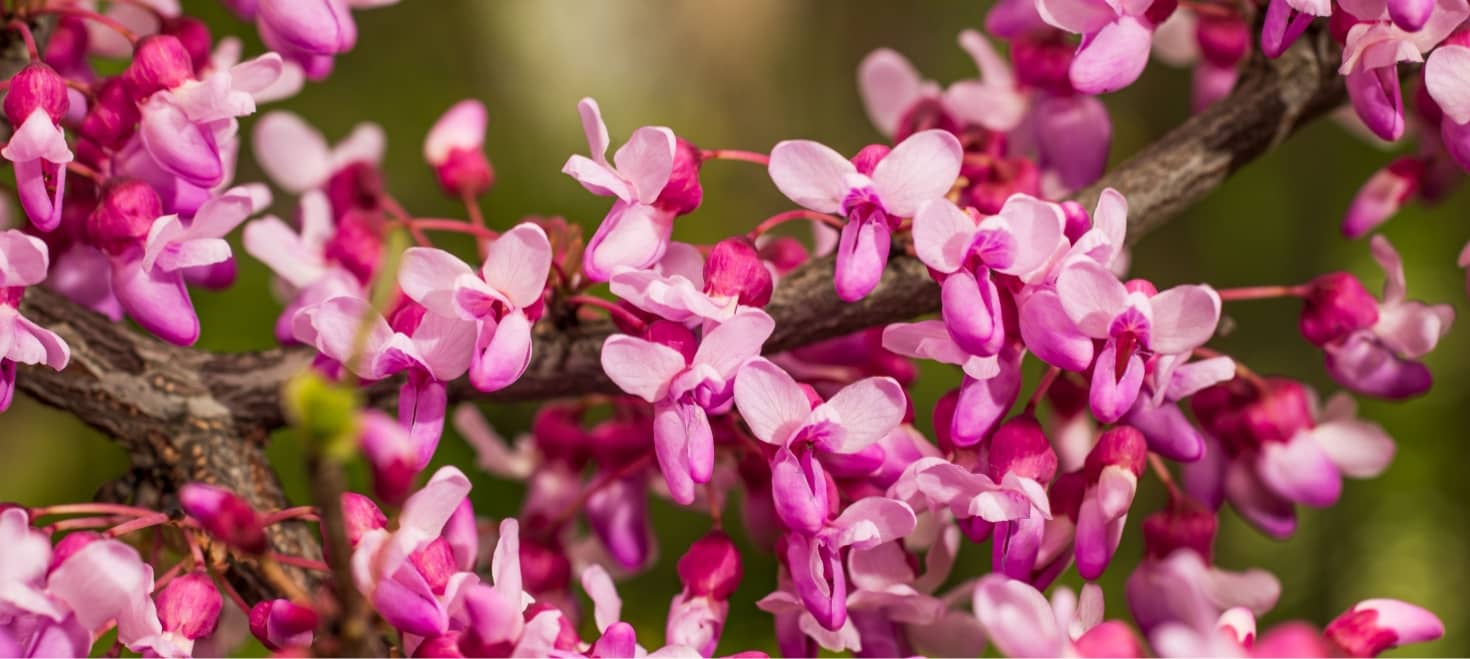
Enjoying the Redbud in Season
Experiencing the Eastern Redbud at its peak is a seasonal delight for residents and visitors alike. Planning a trip to Oklahoma in early to mid-spring offers the best chance to witness its spectacular bloom. Whether exploring state parks, enjoying urban green spaces, or simply driving through the countryside, the sight of these trees in bloom is a quintessential Oklahoma experience. The Oklahoma Forestry Services and local garden centers can often provide information on the best times and locations to view the Eastern Redbud in its full splendor. The vibrant display serves as a constant reminder of the natural beauty that defines the Sooner State.
LifeOutOfTheBox is a participant in the Amazon Services LLC Associates Program, an affiliate advertising program designed to provide a means for sites to earn advertising fees by advertising and linking to Amazon.com. Amazon, the Amazon logo, AmazonSupply, and the AmazonSupply logo are trademarks of Amazon.com, Inc. or its affiliates. As an Amazon Associate we earn affiliate commissions from qualifying purchases.