
As a premier destination for family vacations, theme park adventures, and vibrant city life, Orlando, Florida, often finds itself in the public eye, especially when natural phenomena threaten the Sunshine State. Understanding the nuances of emergency preparedness, specifically regarding evacuations, is crucial for both residents and prospective travelers. This article delves into the factors that trigger evacuation orders in Orlando, the official procedures, and what travelers should know to stay informed and safe.
Understanding Evacuation Triggers in Orlando
Orlando‘s vulnerability to natural disasters, primarily hurricanes and, to a lesser extent, severe flooding, dictates the necessity of evacuation protocols. The city, situated in the heart of Florida, is not directly on the coast but can experience significant impacts from tropical systems that make landfall elsewhere in the state.

Hurricane Preparedness
The most common and significant trigger for widespread evacuations in Orlando is a hurricane. The National Hurricane Center monitors tropical activity in the Atlantic Ocean and Caribbean Sea, issuing watches and warnings as storms develop and approach land. An evacuation order is typically issued when a storm poses a significant threat of:
- High Winds: Sustained winds of 74 mph or higher can cause widespread damage to structures, power lines, and vegetation.
- Storm Surge: While Orlando is inland, coastal storm surge can push water inland, and powerful hurricanes can cause inland flooding due to torrential rain and overwhelmed drainage systems.
- Inland Flooding: Prolonged heavy rainfall associated with hurricanes can lead to severe inland flooding, making roads impassable and threatening homes.
- Tornadoes: Hurricanes can spawn tornadoes, adding another layer of danger.
The decision to evacuate is usually based on the projected path, intensity, and speed of an approaching hurricane. The Orange County Emergency Management agency, along with state officials, analyzes data from the National Hurricane Center and other meteorological sources to determine the level of risk to specific zones within the county. Evacuation orders are tiered, often starting with residents in low-lying areas, mobile homes, and other vulnerable structures, before potentially expanding to broader zones.
Other Potential Triggers
While hurricanes are the primary concern, other severe weather events can necessitate localized evacuations:
- Severe Flooding: Extreme rainfall events not associated with hurricanes can overwhelm local drainage systems, leading to flash floods that may require evacuation from flooded neighborhoods.
- Hazardous Material Incidents: Although rare, major accidents involving hazardous materials could necessitate temporary evacuations of surrounding areas for public safety.
The Evacuation Process in Orlando
When an evacuation order is issued for Orlando, a systematic process is put into motion to ensure the safety of its citizens and visitors. This process involves coordinated efforts between local government agencies, law enforcement, and emergency services.
Evacuation Zones and Tiers
Orlando and Orange County are divided into designated evacuation zones. These zones are determined based on factors such as proximity to coastlines (though Orlando is inland, it’s affected by broader state designations), susceptibility to flooding, and the structural integrity of housing (e.g., mobile home parks). Evacuation orders are typically issued by zone, allowing for targeted and efficient evacuations. Understanding one’s designated zone is the first step for residents and visitors staying in non-hotel accommodations. Information on these zones is readily available through the Orange County Emergency Management website and local news outlets.
Official Notification Channels
Timely and accurate communication is paramount during an evacuation. Official notifications are disseminated through multiple channels:
- Emergency Alert Systems: Opt-in systems like Florida’s Emergency Alert System (FLA-Alert) allow residents to receive alerts via text message, email, and voice calls based on their location and preferences.
- Local Media: Television and radio stations are crucial partners in broadcasting evacuation orders, updates, and safety information.
- Social Media: Official government social media accounts (e.g., Orange County Government, City of Orlando Police Department) provide real-time updates.
- Reverse 911 Calls: In some instances, automated phone calls may be made to residents within affected areas.
- Law Enforcement and First Responders: On the ground, police and fire personnel may go door-to-door in certain areas to ensure residents are aware of and comply with evacuation orders.
Evacuation Routes
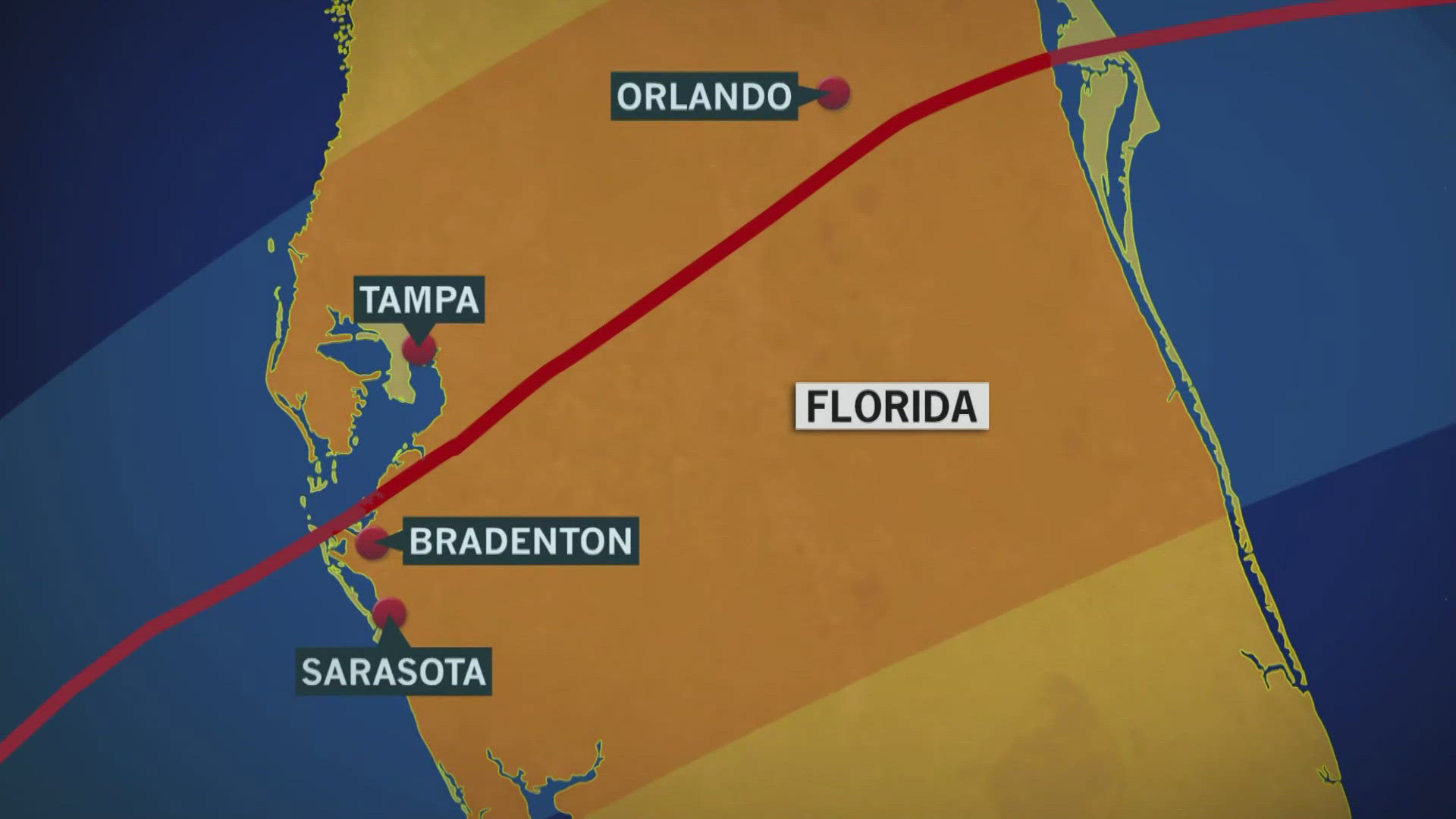
Designated evacuation routes are established to facilitate the safe and orderly departure of individuals from threatened areas. These routes are typically major highways and arterial roads that are most likely to remain open and clear during an emergency. Law enforcement often manages traffic flow along these routes, sometimes reversing traffic direction on certain highways to maximize outbound capacity. Travelers are strongly advised to follow official route designations and heed traffic control measures to avoid congestion and potential hazards.
What Travelers Need to Know About Orlando Evacuations
For visitors planning a trip to Orlando, or those already present, understanding how to navigate potential evacuation scenarios is vital for a safe and stress-free experience. The tourism industry in Orlando is highly attuned to emergency preparedness, with hotels and attractions implementing their own safety protocols.
Hotel Preparedness and Communication
Orlando‘s numerous hotels, resorts, and vacation rental properties have robust emergency plans in place.
- Information Dissemination: Hotel management will be among the first to receive and disseminate official evacuation information from Orange County Emergency Management. They will communicate directly with guests through in-room notices, front desk announcements, and direct contact.
- Shelter-in-Place vs. Evacuation: In cases of less severe threats or when an official evacuation order has not been issued, hotels may enact shelter-in-place protocols, providing guests with guidance on securing their rooms and staying informed. If an evacuation order is issued, hotels will assist guests in leaving the premises safely.
- Cancellation and Rebooking Policies: Travelers should familiarize themselves with the cancellation and rebooking policies of their chosen accommodation and airline, especially during hurricane season. Many travel providers offer flexible policies in the event of declared emergencies.
Theme Parks and Attractions
Major theme parks like Walt Disney World Resort and Universal Orlando Resort have comprehensive emergency preparedness plans that are regularly reviewed and updated.
- Operational Status: Parks will monitor weather forecasts closely. They may close attractions, reduce operating hours, or close entirely in advance of a predicted storm’s impact, often well before official evacuation orders are issued for the general public. This allows guests to make necessary arrangements.
- Guest Assistance: Theme parks often provide on-site assistance to guests who may need help with transportation or information regarding evacuation routes. They may also offer temporary shelter for guests already within the parks during the initial stages of a severe weather event, should circumstances change rapidly.
- Communication: Parks communicate operational changes and safety instructions through their official websites, mobile apps, social media channels, and on-site announcements.
Travel Planning During Hurricane Season
Orlando‘s peak hurricane season runs from June 1st to November 30th, with the most active period typically from August through October. Travelers visiting during these months should:
- Monitor Weather Forecasts: Stay informed about potential tropical systems by regularly checking reputable sources like the National Hurricane Center.
- Purchase Travel Insurance: Comprehensive travel insurance that covers weather-related cancellations and interruptions is highly recommended.
- Have a Flexible Itinerary: Be prepared for potential delays or changes to travel plans.
- Know Your Zone: If staying in a vacation rental or private residence, determine your evacuation zone through Orange County resources.
- Identify Potential Routes: Familiarize yourself with the general direction of major evacuation routes leading away from Orlando.
Staying Informed and Prepared
The key to navigating any potential evacuation situation in Orlando is proactive information gathering and preparedness.
Essential Resources
- Orange County Emergency Management: The official source for local emergency information, including evacuation zones, shelter information, and preparedness guides. Their website and social media channels are invaluable.
- City of Orlando: The city government provides updates and emergency advisories relevant to its residents and visitors.
- Florida Division of Emergency Management: This state-level agency coordinates disaster response and recovery efforts across Florida and provides statewide alerts and resources.
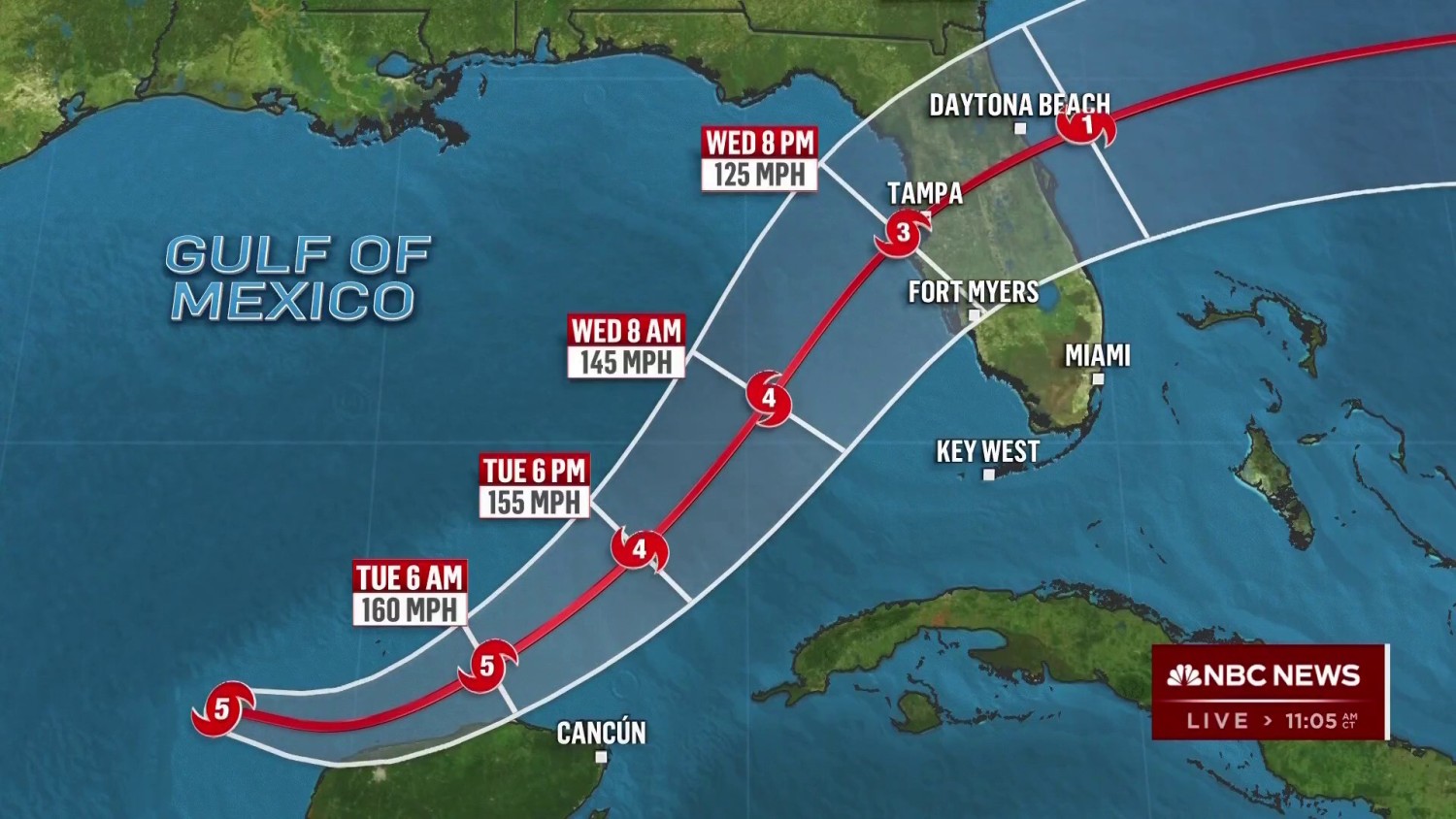
- National Hurricane Center: For detailed tropical weather forecasts and advisories.
Creating a Personal Preparedness Plan
Even for short-term visitors, having a basic preparedness plan can be beneficial:
- Know Your Accommodation’s Plan: Ask your hotel or rental host about their emergency procedures.
- Pack an Emergency Kit: Include essentials like water, non-perishable food, a flashlight, batteries, a first-aid kit, medications, and important documents.
- Identify a Meeting Point: If traveling with others, establish a meeting point in case you get separated.
- Stay Connected: Ensure your mobile devices are fully charged and consider bringing a portable power bank.
By understanding the triggers for evacuations, the official processes, and the preparedness measures in place by local authorities and the tourism industry, travelers can approach their Orlando visits with greater confidence, even during hurricane season. The safety and well-being of all visitors and residents remain the top priority for Orlando and its surrounding communities.
LifeOutOfTheBox is a participant in the Amazon Services LLC Associates Program, an affiliate advertising program designed to provide a means for sites to earn advertising fees by advertising and linking to Amazon.com. Amazon, the Amazon logo, AmazonSupply, and the AmazonSupply logo are trademarks of Amazon.com, Inc. or its affiliates. As an Amazon Associate we earn affiliate commissions from qualifying purchases.