
As the excitement builds for the potential arrival of a significant weather event in Orlando, a critical question arises for both residents and the burgeoning tourism sector: what category will this storm be? Understanding the classification of an approaching weather system, such as a hurricane, is paramount for preparedness, travel planning, and the overall management of its impact. The designation of a storm into categories, most notably the Saffir-Simpson Hurricane Wind Scale, dictates the severity of expected damage and informs a wide array of decisions.
When a storm is discussed in the context of its potential impact on a popular destination like Orlando, the focus shifts from mere meteorological observation to the practical implications for travel and tourism. The destination itself becomes a focal point, and any threat to its accessibility or the safety of its visitors and residents is a matter of considerable importance. Therefore, dissecting the potential storm category involves examining the wind speeds, which are the primary determinant of the scale, and then translating those speeds into a tangible understanding of the risks and necessary precautions.

Understanding the Saffir-Simpson Hurricane Wind Scale
The Saffir-Simpson Hurricane Wind Scale is the globally recognized system used to categorize hurricanes based on their sustained wind speed. It is a five-category scale, with Category 1 being the least intense and Category 5 being the most destructive. This scale is crucial because wind speed is the primary factor determining the potential damage to structures and infrastructure.
Category 1: Very Dangerous Winds
A storm reaching Category 1 status on the Saffir-Simpson Scale possesses sustained winds of 74-95 miles per hour (119-153 kilometers per hour). At this level, while catastrophic destruction is not anticipated, significant damage can still occur. Roofs, particularly those with less robust construction, may sustain damage. Fallen trees and power lines are also a considerable threat, potentially leading to widespread power outages. For Orlando, a Category 1 storm would necessitate securing outdoor items, checking emergency kits, and staying informed through local news and emergency management agencies. While major attractions like Walt Disney World Resort and Universal Orlando Resort would likely continue operations with minor disruptions, guests might experience temporary closures of outdoor rides or events.
Category 2: Extremely Dangerous Winds
With sustained winds ranging from 96-110 mph (154-177 km/h), a Category 2 hurricane brings a heightened level of danger. Damage becomes more substantial. Homes can experience more significant roof damage, and windows are at greater risk of breaking. The potential for widespread power outages increases, and the disruption to transportation networks becomes more likely. For Orlando, a Category 2 storm would prompt more serious preparations. Residents would be advised to secure all windows and doors, and visitors to hotels like the Grand Bohemian Hotel Orlando or Hyatt Regency Orlando should be aware of potential hotel advisories regarding safety procedures and possible temporary closures of certain amenities. Travel plans might need to be reconsidered, with airlines potentially issuing travel waivers for flights into or out of Orlando International Airport.
Category 3: Devastating Damage
Category 3 hurricanes are classified by sustained winds of 111-129 mph (178-208 km/h). This level marks the threshold for major hurricanes, capable of causing devastating damage. Well-constructed homes can suffer significant damage, and mobile homes are likely to be destroyed. Extensive power outages are expected, and these can last for weeks or even months in some areas. For Orlando, a Category 3 storm would necessitate mandatory evacuations in certain coastal or low-lying areas. The tourism industry would be significantly impacted, with theme parks likely to close for an extended period, and many hotels preparing for potential guest displacement or significant operational challenges. Essential services could be severely disrupted, making preparedness and adherence to official directives absolutely critical.
Category 4: Catastrophic Damage
Category 4 hurricanes bring sustained winds of 130-156 mph (209-251 km/h) and are capable of causing catastrophic damage. Such storms can flatten many homes, cause widespread and prolonged power outages, and render large areas uninhabitable for weeks or months. For Orlando, a Category 4 storm represents an extreme threat. Mandatory evacuations would be enforced across a much broader area. The infrastructure of the city, including roads, bridges, and utility systems, would be severely tested. The tourism sector would effectively shut down, with attractions closed and hotels operating under emergency protocols. Planning for such an event requires advanced preparation, including securing adequate supplies, having an emergency communication plan, and understanding designated evacuation routes.
Category 5: Catastrophic Destruction
A Category 5 hurricane, the most intense classification, features sustained winds of 157 mph (252 km/h) or higher. These storms are capable of causing catastrophic destruction, with the potential to destroy most conventional structures. Complete and prolonged power outages are guaranteed, and the affected areas could be uninhabitable for months. For Orlando, a Category 5 storm would be an unprecedented event, demanding the highest level of preparedness and response. Evacuations would be extensive, and the recovery process would be long and arduous. The focus for residents and visitors would be entirely on safety and survival, with all other considerations secondary.
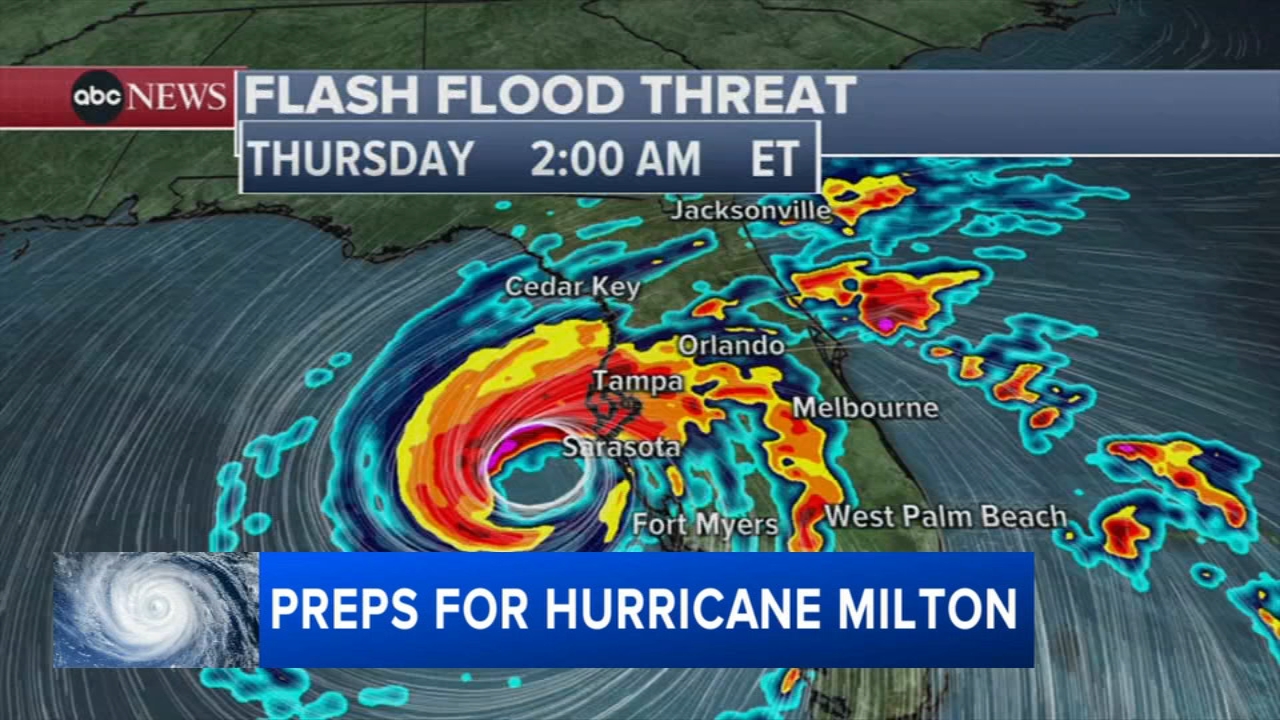
Implications for Travel and Tourism in Orlando
The potential category of an approaching storm has profound implications for the travel and tourism sectors in Orlando. The city’s identity as a global entertainment and vacation destination means that weather events can have a significant economic and operational impact.
Travel Disruptions
When a storm is forecast to make landfall near Orlando, travel plans for thousands, if not millions, are immediately affected. Airlines like Delta Air Lines and American Airlines will monitor the storm closely, issuing travel advisories and potentially waiving change fees for flights into or out of Orlando International Airport and Sanford International Airport. Cruise lines departing from nearby ports like Port Canaveral will also adjust itineraries. Road travel, whether by car or bus, can become hazardous due to high winds, heavy rainfall, flooding, and debris. Major highways like I-4 may become impassable.
Theme Park Operations
The world-renowned theme parks, including Walt Disney World Resort with its parks like Magic Kingdom, Epcot, Hollywood Studios, and Animal Kingdom, as well as Universal Orlando Resort featuring Universal Studios Florida and Islands of Adventure, have sophisticated emergency protocols. As a storm intensifies, parks will often close preemptively to ensure the safety of guests and cast members. Closures can range from a single day for weaker storms to multiple days for more significant systems. Reopening often depends on damage assessments and the restoration of essential services.
Hotel and Accommodation Sector
The hotel and accommodation sector in Orlando faces unique challenges. For hotels like Four Seasons Resort Orlando at Walt Disney World Resort or more budget-friendly options, the primary concern is guest safety. This can involve advising guests to shelter in place, securing outdoor amenities, and, in extreme cases, assisting with evacuations or providing alternative lodging if the hotel is deemed unsafe or if power is lost. For those planning long-term stays or looking for vacation rentals, cancellations and refunds become a significant consideration. Property managers must also ensure their properties are prepared for potential wind and water damage.
Preparing for the Unpredictable
Regardless of the predicted category, preparedness is key for anyone in or planning to visit Orlando. Understanding the storm’s potential impact allows for informed decision-making.
For Travelers
- Monitor Official Advisories: Stay tuned to the National Hurricane Center and local Orlando news for the latest updates.
- Review Travel Insurance: If you have travel insurance, understand its hurricane-related coverage for cancellations, delays, and interruptions.
- Contact Accommodation Providers: If you are already in Orlando, contact your hotel or rental property for their storm preparedness plan and any advisories.
- Be Flexible: Be prepared to alter your travel dates or destination if necessary.

For Residents and Locals
- Secure Your Home: Board up windows, trim trees, and secure any outdoor furniture or decorations.
- Build an Emergency Kit: Stock up on non-perishable food, water, medications, batteries, flashlights, and a first-aid kit.
- Develop an Evacuation Plan: Know your evacuation zone and pre-plan your route to a safe location, whether with friends, family, or a designated shelter.
- Stay Informed: Listen to emergency alerts and instructions from local authorities.
The potential category of a storm approaching Orlando is more than just a meteorological designation; it’s a critical factor that influences safety, economic stability, and the very experience of visiting or living in this vibrant city. By understanding the Saffir-Simpson scale and its implications, individuals can better prepare for and navigate the challenges posed by severe weather.
LifeOutOfTheBox is a participant in the Amazon Services LLC Associates Program, an affiliate advertising program designed to provide a means for sites to earn advertising fees by advertising and linking to Amazon.com. Amazon, the Amazon logo, AmazonSupply, and the AmazonSupply logo are trademarks of Amazon.com, Inc. or its affiliates. As an Amazon Associate we earn affiliate commissions from qualifying purchases.