
Navigating the distances between two of Oregon’s most vibrant cities, Portland and Eugene, is a common query for travelers, road trippers, and anyone looking to explore the diverse landscapes of the Beaver State. While seemingly close on a map, understanding the precise mileage and travel times is crucial for effective trip planning. This guide delves into the specifics of the journey, offering insights into the various routes, estimated travel times, and factors that can influence your drive between these two significant urban centers.
The Direct Route: I-5 Southbound
The most straightforward and commonly used route from Portland to Eugene is via Interstate 5 (I-5) South. This major artery is the backbone of transportation in Oregon, connecting its largest cities and offering a relatively unimpeded path for most of the journey.
Mileage and Estimated Travel Time
The direct distance between Portland and Eugene via I-5 South is approximately 110 to 115 miles, depending on your starting and ending points within each city.
Under ideal driving conditions, with minimal traffic and no significant stops, the drive can be completed in about 1 hour and 45 minutes to 2 hours. However, it is imperative to consider that this is an estimate. The reality of driving in Oregon, particularly around the Portland metropolitan area, often involves traffic.
Factors Affecting Travel Time
- Traffic Congestion: Portland is a major metropolitan area, and rush hour traffic can significantly extend travel times, especially during weekday mornings (approximately 6:30 AM to 9:00 AM) and evenings (approximately 3:30 PM to 6:30 PM). Exiting Portland or entering Eugene during these peak periods can add 30 minutes or more to your journey.
- Road Construction: Seasonal road work and ongoing infrastructure projects are common along I-5. Signs will typically indicate upcoming construction zones, but delays can still occur. It is advisable to check local traffic reports or use GPS navigation apps that provide real-time traffic updates before and during your trip.
- Weather Conditions: Oregon’s weather can be unpredictable. While I-5 is well-maintained year-round, heavy rain, fog, or even snow (especially in winter months at higher elevations near the coast range if you were to take an alternative route) can reduce visibility and slow down traffic. Driving during adverse weather conditions requires increased caution and may lengthen your travel time.
- Stops and Detours: The estimated travel time typically assumes a direct drive. If you plan to make stops for gas, food, or to visit attractions along the way, such as the charming town of Salem (Oregon’s capital) or other points of interest, your total journey time will naturally increase.
Alternative Routes and Scenic Considerations
While I-5 South is the most direct path, it is not the only way to travel between Portland and Eugene. For those with more time and a desire to experience more of Oregon’s diverse landscapes, alternative routes offer unique attractions and a more leisurely pace.
The Pacific Coast Scenic Byway (Highway 101) and Connecting Routes
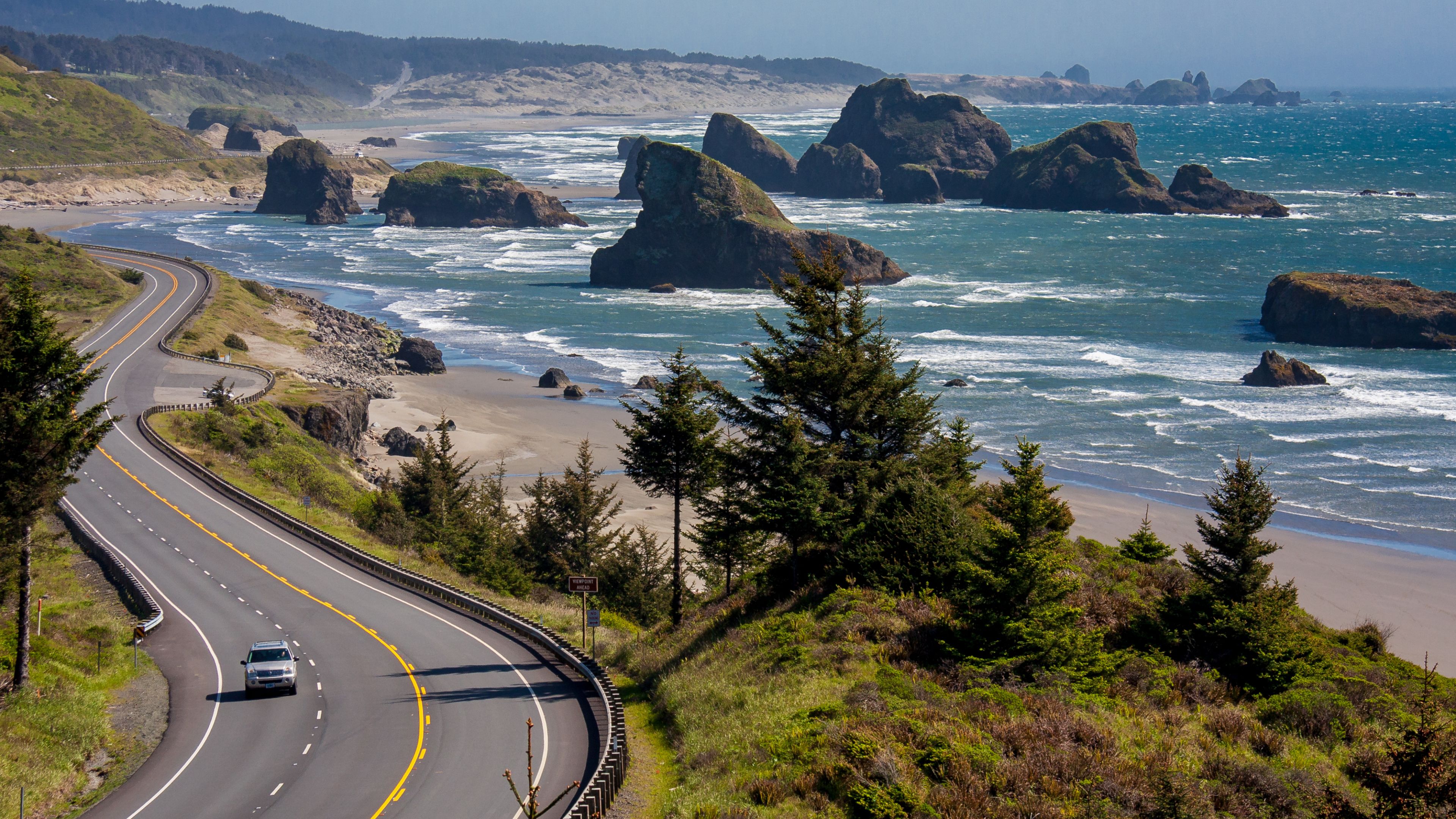
For a truly scenic adventure, consider a route that incorporates the Pacific Coast Scenic Byway (US-101). This option is significantly longer and requires more planning but rewards travelers with breathtaking ocean views, charming coastal towns, and dramatic natural beauty.
Route Outline:
- Portland to the Coast: From Portland, head west towards the coast. You can take Highway 26 towards Cannon Beach and the northern Oregon coast, or take Highway 18 southwest to reach Lincoln City or other central coast towns.
- Southbound on US-101: Once on US-101, travel south along the coastline. This stretch is renowned for its stunning vistas, including iconic spots like Tillamook Rock Lighthouse, Cape Kiwanda, and the expansive beaches near Newport.
- Inland towards Eugene: To reach Eugene from the coast, you will need to turn inland. Major connecting highways include:
- OR-34 East: From the coast near Waldport, OR-34 offers a direct route inland, passing through the Siuslaw National Forest and eventually reaching Corvallis before continuing on to Eugene. This route is also known for its scenic beauty, particularly through the forest.
- OR-126 East: Further north, OR-126 can be taken east from Florence, also traversing through forest lands and connecting to I-5 near Eugene.
Mileage and Travel Time for Coastal Route:
The total mileage for a coastal route can easily exceed 200-250 miles, depending on the specific path taken along the coast and the chosen inland connection. The travel time for this option is not a straightforward calculation. It is best treated as a multi-day trip, allowing ample time to explore coastal towns like Astoria, Seaside, Depoe Bay, and Yachats. Simply driving this route without significant stops would likely take a full day, potentially 6-8 hours or more, due to the winding nature of coastal roads and lower speed limits.
Other Inland Alternatives

While I-5 is the dominant inland route, other state highways offer less direct but potentially more scenic inland journeys, often through agricultural lands and smaller communities.
- Highway 99W: This highway, paralleling I-5 to the west for a significant portion of the route, offers a more community-focused experience. It passes through wine country in the Willamette Valley and towns like McMinnville and Corvallis. The mileage is comparable to I-5, but the travel time will be longer due to lower speed limits and more frequent intersections.
Preparing for Your Journey
Regardless of the route chosen, preparation is key to a smooth and enjoyable trip from Portland to Eugene.
Navigation Tools
Modern navigation apps like Google Maps, Waze, or Apple Maps are invaluable. They provide real-time traffic updates, suggest alternative routes if congestion occurs, and estimate arrival times based on current conditions. Ensure your device is fully charged or you have a car charger.
Vehicle Check
Before embarking on your journey, perform a basic vehicle check: tire pressure, fluid levels (oil, coolant, windshield wiper fluid), and ensure your brakes are in good working order. For longer trips or those involving potentially challenging weather, a more thorough inspection is recommended.
Packing Essentials
Consider packing essentials for your trip, especially if you are taking a more scenic route or traveling during off-peak hours. This might include water, snacks, a first-aid kit, a comfortable pillow, and entertainment for passengers. If traveling with children, ensure they are comfortable and have activities to keep them engaged.
Understanding Oregon’s Driving Culture
Oregonians generally appreciate courteous driving. Be mindful of speed limits, use your turn signals, and allow faster traffic to pass when appropriate. In rural areas, be aware of agricultural vehicles and potential wildlife on the road.
Arriving in Eugene: What to Expect
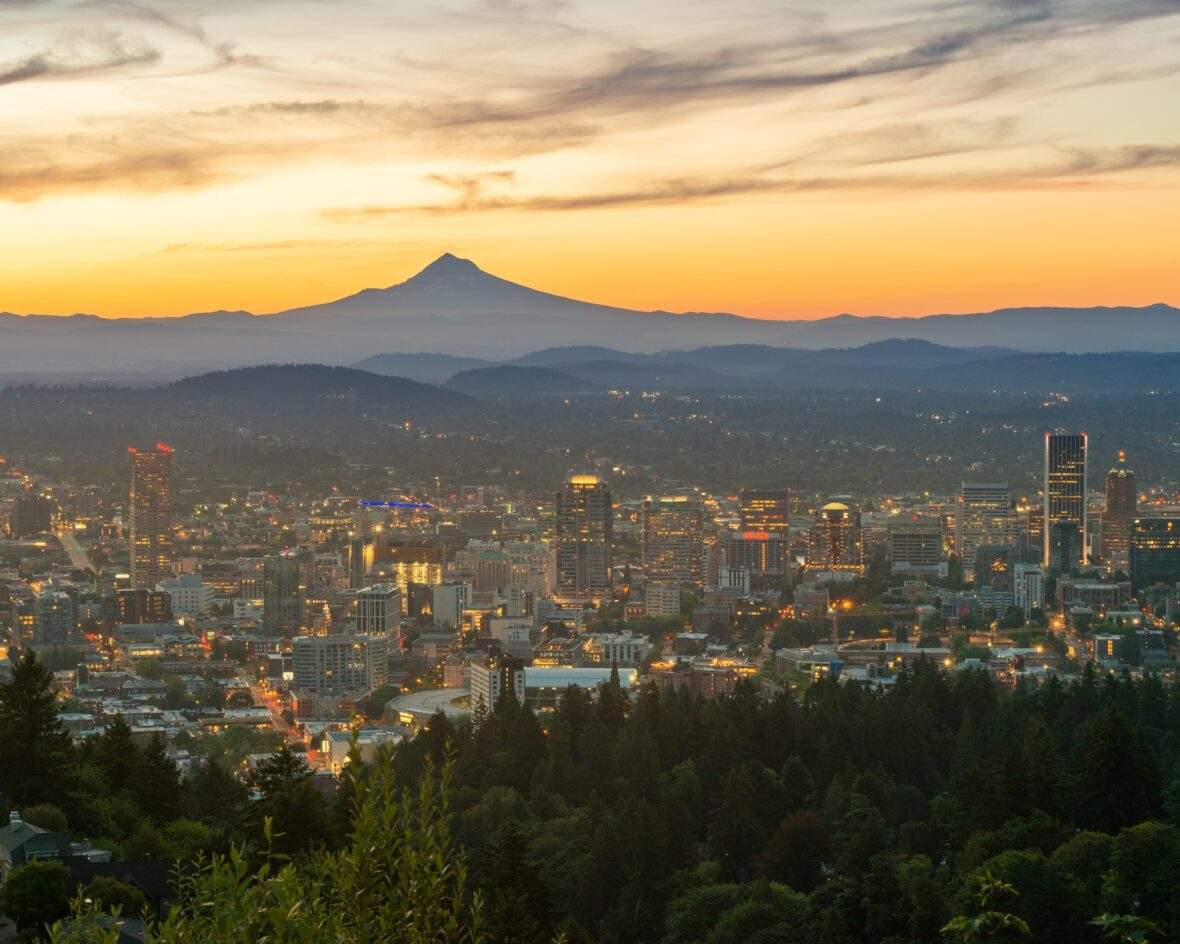
Upon arrival in Eugene, you’ll discover a city known for its progressive spirit, vibrant arts scene, and stunning natural surroundings. Home to the University of Oregon, Eugene has a youthful energy and a strong connection to the outdoors.
Key Attractions in Eugene
- The University of Oregon Campus: Explore the beautiful grounds, including the iconic Hayward Field and the Jordan Schnitzer Museum of Art.
- Owen Rose Garden: A beautiful public garden showcasing a wide variety of roses.
- Skinner Butte Park: Offers panoramic views of the city and the Willamette Valley, along with hiking trails and a historic park structure.
- Downtown Eugene: Known for its independent shops, bookstores, restaurants, and the Hult Center for the Performing Arts.
- Spencer Butte: A prominent peak offering challenging hiking trails and rewarding summit views.
Transportation within Eugene
Once you’ve arrived, Eugene offers various transportation options. The city has a public transit system, Lane Transit District (LTD), which provides bus service throughout the metropolitan area. For exploring the downtown core and nearby areas, walking and cycling are popular and feasible options, given the city’s emphasis on active transportation. If you plan to explore beyond the immediate city limits, renting a car or using ride-sharing services might be more convenient.
The distance between Portland and Eugene is more than just a number; it represents an opportunity to traverse diverse Oregon landscapes. Whether you opt for the efficiency of I-5 South or embrace the scenic allure of the coast, understanding the mileage, travel times, and potential variables will ensure your journey is as enjoyable as your destination.
LifeOutOfTheBox is a participant in the Amazon Services LLC Associates Program, an affiliate advertising program designed to provide a means for sites to earn advertising fees by advertising and linking to Amazon.com. Amazon, the Amazon logo, AmazonSupply, and the AmazonSupply logo are trademarks of Amazon.com, Inc. or its affiliates. As an Amazon Associate we earn affiliate commissions from qualifying purchases.