
The fictional metropolis of Gotham City, a dark and rain-slicked landscape synonymous with the adventures of Batman, has long been a subject of fascination for fans and urban explorers alike. While its creator, Bill Finger, and later, Bob Kane, were cagey about a direct one-to-one mapping, the echoes of New York City are undeniably present in its architectural, atmospheric, and thematic DNA. This exploration delves into the captivating parallels between the Caped Crusader’s home turf and the real-world city that likely served as its primary muse.
Architectural Echoes: A Tale of Two Skylines
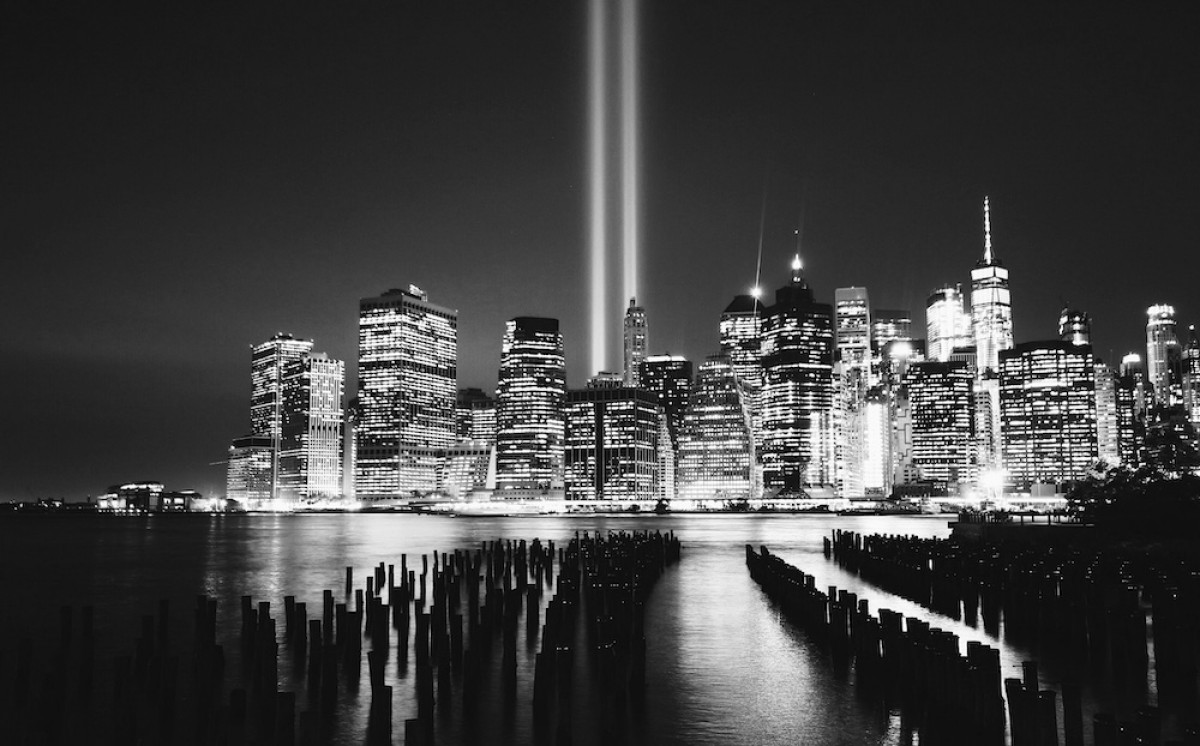
The visual language of Gotham City is heavily indebted to the towering structures and intricate streetscapes of New York City. From the gothic grandeur of its older districts to the imposing, art deco silhouettes of its financial centers, the cityscape of Gotham draws heavily from iconic New York landmarks and architectural styles.
The Gothic Revival and Art Deco Influence
One of the most striking influences on Gotham’s architecture is the Gothic Revival style that permeates much of its older sections. Think of the imposing, gargoyle-adorned buildings that loom over desolate alleyways. This aesthetic is a direct reflection of the architectural heritage found in parts of New York City, particularly in areas like the Financial District and neighborhoods with a strong presence of late 19th and early 20th-century construction. Buildings like the Woolworth Building, with its soaring spires and intricate stonework, or the ornate facades of many buildings in Lower Manhattan, provide a tangible link to Gotham’s brooding grandeur.
Furthermore, the Art Deco movement, which defined much of New York’s skyline in the early 20th century, also plays a significant role. The sleek, geometric lines and stepped designs of buildings like the Chrysler Building and the Empire State Building can be seen echoed in the more modern, yet still imposing, skyscrapers that punctuate Gotham’s skyline in various interpretations of the city. These structures lend an air of both aspiration and intimidation, mirroring the dual nature of the city itself.
The Urban Sprawl and Gritty Realism
Beyond specific architectural styles, the sheer scale and density of Gotham are quintessentially New York. The endless grid of streets, the towering apartment buildings casting long shadows, and the claustrophobic feel of its narrow alleys all evoke the experience of navigating a densely populated urban environment. The city’s often depicted grime, decay, and the juxtaposition of opulent wealth with abject poverty are also deeply rooted in the realities of large, historic cities like New York. The constant construction, the hidden corners, and the sense of a city that never truly sleeps all contribute to this potent atmosphere.
Atmosphere and Mood: The Dark Knight’s Concrete Jungle
The palpable mood of Gotham City – its perpetual gloom, its sense of danger lurking around every corner, and its overwhelming urban decay – is perhaps the most potent connection to its inspiration. This isn’t just about visual aesthetics; it’s about the feeling the city evokes.
The Shadow of Crime and Corruption
Gotham is a city plagued by crime and corruption, a narrative device that resonates powerfully with the historical and, at times, present-day challenges faced by New York City. From the Prohibition era’s organized crime to the more modern struggles with various forms of illicit activity, New York has a rich, albeit dark, history that provides fertile ground for fictionalized urban dystopias. The idea of a city where the underbelly is as prominent as its glittering facade is a very real phenomenon in metropolises that have experienced rapid growth and socio-economic disparities.
The visual representations of Gotham in comics, films, and television often emphasize perpetual night, heavy rain, and fog. This atmospheric bleakness can be seen as an amplified version of the moodier aspects of New York City, especially during its colder months or in its more industrial and forgotten districts. The city’s constant hustle and bustle, when viewed through a noir lens, can easily transform into a sense of chaotic, overwhelming dread.
The Contrast of Light and Darkness
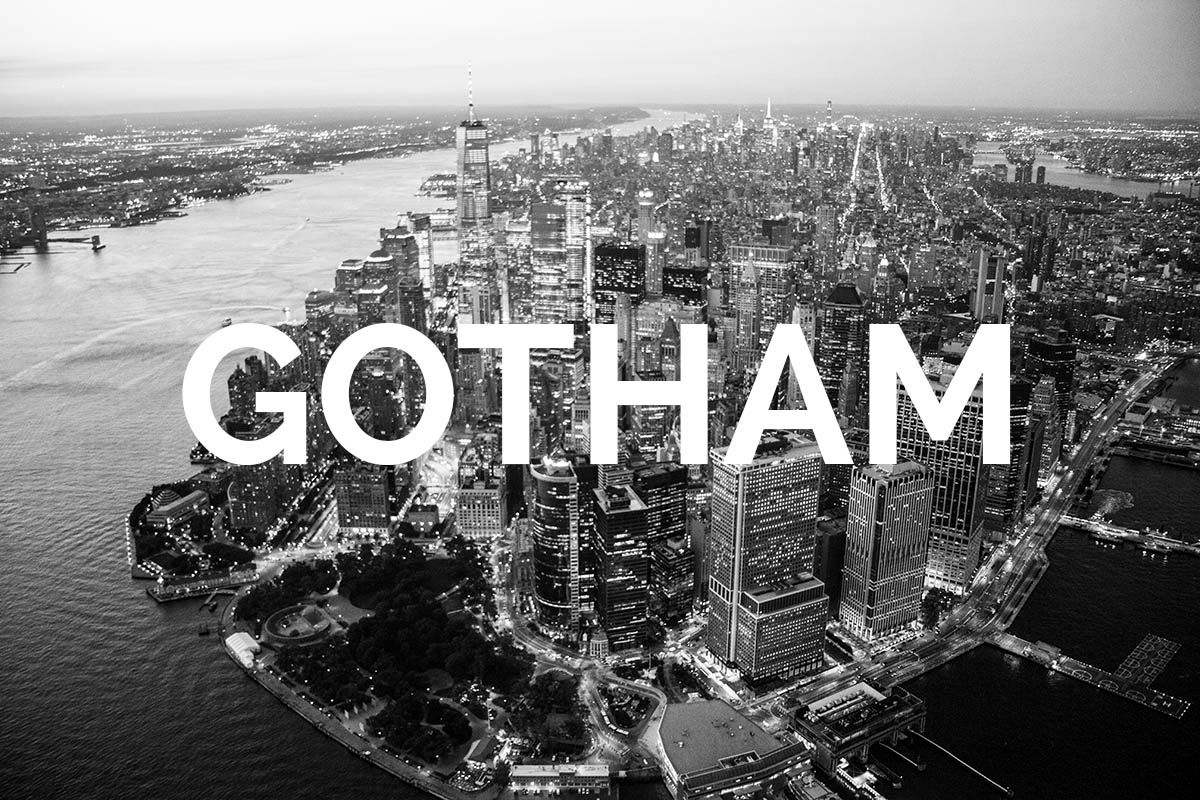
The dramatic contrast between the shining lights of wealth and the deep shadows of poverty is a hallmark of both Gotham and New York City. Gotham’s skyline is dotted with opulent penthouses and gleaming corporate towers, standing in stark opposition to the grimy, graffiti-scarred streets below. This visual and thematic duality mirrors the socio-economic realities of any major global city, including New York. The aspirational, yet often unattainable, nature of the “American Dream” is a recurring theme, and Gotham’s narrative often explores this through its stark class divisions.
Iconic Locations and Their Real-World Counterparts
While not a direct one-to-one mapping, many of Gotham City’s most recognizable locations have clear inspirations in New York City’s geography and landmarks.
Arkham Asylum and Bellevue Hospital
The infamous Arkham Asylum, the grim institution housing Gotham’s most deranged villains, shares a chilling resonance with the imposing, historic psychiatric facilities found in and around New York City. While Arkham is a fictional construct designed for maximum psychological terror, its imposing, often isolated, architecture draws from the real-world institutions that have historically served as places of confinement and treatment for mental illness. The gothic architecture often associated with Arkham is reminiscent of older hospitals like Bellevue Hospital, which has a long and storied history, and at times, a reputation for being a place of last resort.
Wayne Enterprises and Manhattan’s Corporate Towers
The omnipresent symbol of Gotham’s corporate power, Wayne Enterprises, and its headquarters, is often depicted as a towering skyscraper dominating the skyline. This mirrors the impact of major corporations and their headquarters on the New York City skyline. From the headquarters of media giants to financial institutions, these structures represent power, influence, and the economic engine of the city. The specific design of the Wayne Enterprises building can vary, but its function as a symbol of a powerful entity embedded within the urban fabric is a clear parallel to the role of major corporate headquarters in New York.
Crime Alley and the Lower East Side
The origin point of Batman’s crusade, Crime Alley, is often portrayed as a rundown, dangerous neighborhood where poverty and crime intersect. This fictional locale evokes the gritty, more impoverished areas of New York City, such as parts of the Lower East Side or other historically working-class districts that have undergone significant gentrification. These are areas where the struggles of daily life are more apparent, and where the starkest contrasts between wealth and poverty are often felt most acutely. The very name “Crime Alley” is a potent distillation of the urban blight that can be found, in varying degrees, in many large cities.
Thematic Resonance: The Darker Side of Urban Living
Ultimately, Gotham City is more than just a collection of architectural styles and inspired locations; it’s a thematic exploration of the challenges and darkness that can exist within a sprawling metropolis.
The Urban Nightmare
Gotham serves as a cautionary tale, an exaggerated embodiment of the potential negative aspects of urban life: overwhelming scale, anonymity, social stratification, rampant crime, and the erosion of civil society. It’s the urban nightmare, a place where the dream of progress and civilization is constantly threatened by chaos and corruption. New York City, with its immense size, diverse population, and historical struggles, offers a grounded reality that allows such fictional nightmares to feel terrifyingly plausible.

The Symbol of Resilience
Yet, within this darkness, Gotham also holds a flicker of hope, embodied by Batman himself. This duality – the omnipresent threat and the unwavering protector – is a powerful narrative that speaks to the human spirit’s capacity to persevere even in the bleakest of circumstances. The constant struggle for order and justice against overwhelming odds is a theme that resonates deeply with the ongoing narrative of any major city striving to overcome its challenges. New York City, having faced its own historical periods of immense struggle and urban decay, has emerged as a symbol of resilience and reinvention, a quality that Gotham implicitly possesses through its enduring, albeit besieged, existence.
In conclusion, while Gotham City remains a fictional entity, its foundations are firmly rooted in the tangible realities and evocative atmosphere of New York City. The creators of Batman masterfully distilled the essence of a bustling, complex metropolis, amplifying its shadows and highlighting its enduring capacity for both despair and heroism, creating a setting that is as iconic as the dark knight who protects it.
LifeOutOfTheBox is a participant in the Amazon Services LLC Associates Program, an affiliate advertising program designed to provide a means for sites to earn advertising fees by advertising and linking to Amazon.com. Amazon, the Amazon logo, AmazonSupply, and the AmazonSupply logo are trademarks of Amazon.com, Inc. or its affiliates. As an Amazon Associate we earn affiliate commissions from qualifying purchases.