
Orlando, a city synonymous with vibrant entertainment and family fun, presents a unique temporal landscape. It’s not just about clock time, but the ebb and flow of its dynamic tourism industry, its seasonal attractions, and the opportune moments for experiencing its magic. Understanding “what time it is” in Orlando goes beyond knowing the local hour; it’s about aligning your visit with the pulse of the destination to maximize enjoyment, minimize crowds, and potentially optimize your budget.
This guide delves into the temporal aspects of visiting Orlando, focusing on the optimal times for experiencing its world-class attractions, understanding its seasonal offerings, and navigating the rhythms of a city built on making memories.
The Rhythms of Orlando: Peak, Shoulder, and Off-Peak Seasons
Orlando’s tourism calendar is a carefully orchestrated dance of crowds, prices, and weather patterns. Recognizing these seasons is paramount to planning a successful and fulfilling trip.
Peak Season: The Height of Excitement
The peak season in Orlando generally spans the major holiday periods and school breaks. This is when the parks are at their most vibrant, the atmosphere is electric, and the city hums with an unparalleled energy.
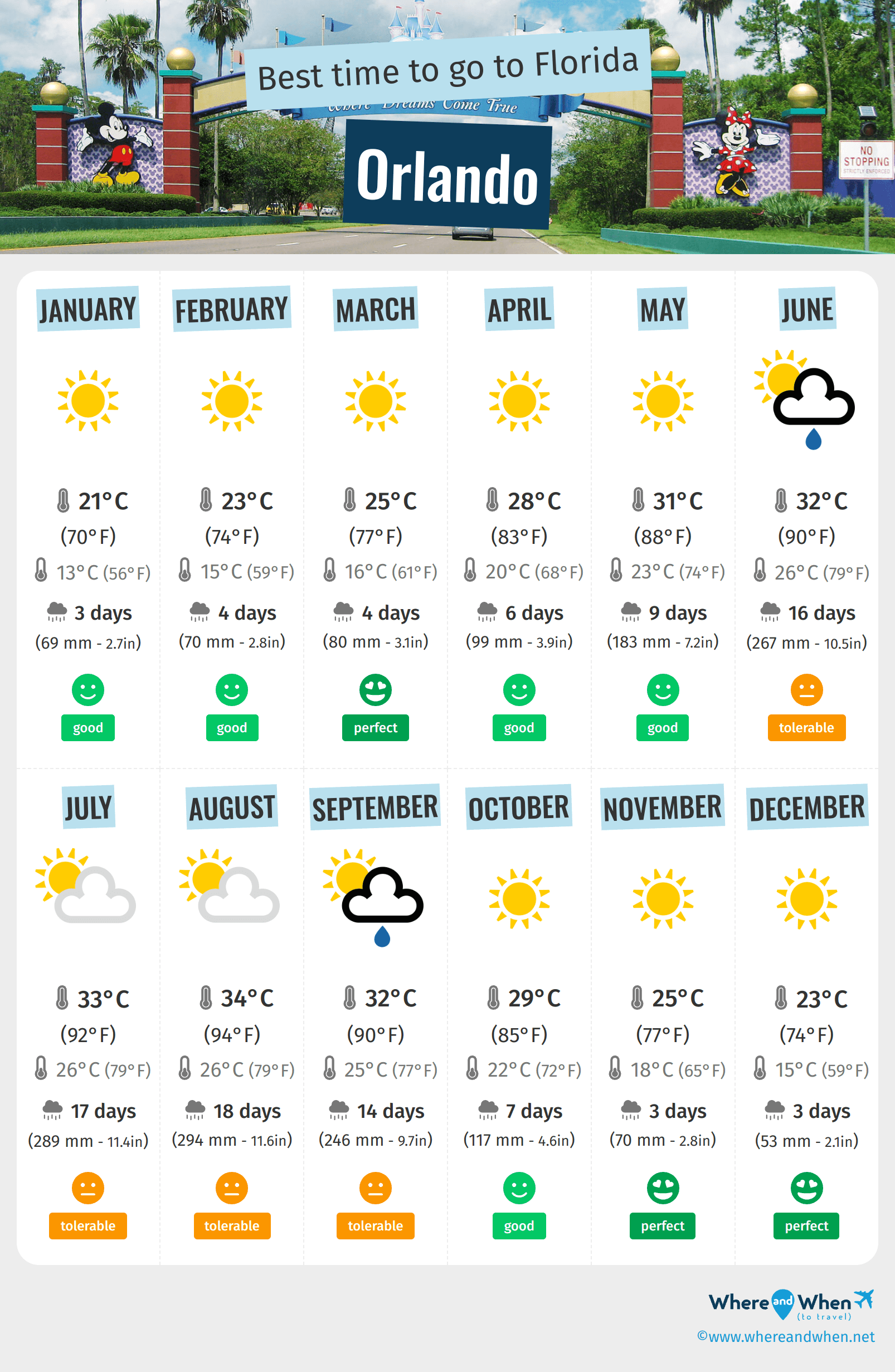
- Summer (June – August): This is undeniably the busiest period. Families flock to Orlando during summer vacation, eager to experience the magic of Walt Disney World Resort and Universal Orlando Resort. Expect long lines, high temperatures, and afternoon thunderstorms, a common occurrence in the humid Florida climate. Accommodation and flight prices are at their highest during these months.
- Holiday Weeks (Late December – Early January): The Christmas and New Year’s period transforms Orlando into a dazzling spectacle of lights and festive cheer. While incredibly magical, this is arguably the most crowded time of the year. Parks are often at capacity, and advance planning for dining and attractions is absolutely essential.
- Spring Break (March – April): While the exact timing varies annually with Easter, Spring Break weeks see a significant influx of visitors, particularly college students and families seeking warmer weather. The parks are bustling, and wait times can be substantial.
Choosing to visit during peak season means embracing the energetic crowds and the lively atmosphere. It’s the quintessential Orlando experience for many, offering the fullest range of entertainment and the most immersive seasonal events. However, it necessitates a strategic approach to planning, booking well in advance, and being prepared for higher costs and longer queues.
Shoulder Season: The Sweet Spot of Balance
The shoulder seasons offer a compelling compromise, providing pleasant weather and manageable crowds. These periods represent the “sweet spot” for many travelers seeking a balanced Orlando experience.
- Late Spring (May): As the summer heat begins to build and before the main summer vacation rush fully kicks in, May can offer a delightful window. The weather is warm and sunny, and while crowds are present, they are generally less intense than in the peak summer months.
- Early Fall (September – October): Following the summer exodus and before the holiday season truly ignites, September and October are often considered prime time for Orlando visits. The weather becomes more comfortable, with cooler evenings and less humidity. This period also coincides with Halloween Horror Nights at Universal Orlando Resort and Mickey’s Not-So-Scary Halloween Party at Walt Disney World, offering unique seasonal entertainment without the extreme summer heat.
- Late Winter/Early Spring (January – February): After the New Year’s crowds depart and before Spring Break begins, January and February can be excellent months. The weather is typically mild and pleasant, and the parks are less congested. This is an ideal time for those who prioritize shorter wait times and a more relaxed park experience.
Visiting during the shoulder seasons allows travelers to enjoy the core Orlando attractions with a greater degree of comfort and potentially at a lower cost than during peak times. It’s about finding that ideal intersection of good weather and reasonable crowd levels.
Off-Peak Season: The Value and Serenity Seeker’s Choice
The off-peak season offers the greatest value and the most serene park experiences. While the weather might be less predictable or cooler, the benefits for budget-conscious and crowd-averse travelers are significant.
- Late January – February (excluding Presidents’ Day weekend): This period often sees the lowest crowd levels and the most competitive pricing for accommodations and flights. The weather is generally cool and dry, making it pleasant for exploring the parks on foot, though swimming might be less appealing for some.
- Late August – September: As schools resume, the crowds thin out considerably. The early part of this period can still be warm, but the overall atmosphere in the parks becomes much more relaxed.
- Early December (before the Christmas rush): The first two weeks of December offer a unique blend of festive decorations and pre-holiday calm. The parks are beautifully adorned for Christmas, but the intense crowds of late December have not yet arrived.
Visiting during the off-peak season is about strategic savings and enjoying attractions with minimal waiting. It requires a willingness to embrace potentially cooler weather and to be mindful of fewer scheduled events that might cater to specific holiday themes.
Experiencing Orlando’s Attractions: Timing is Everything
Beyond seasonal trends, the timing of your visits within a day can dramatically impact your experience at Orlando’s world-renowned attractions.
Strategic Park Entry and Exit
- Arrive Early, Stay Late: The first few hours after park opening and the last few hours before closing are often the least crowded. Utilize early park admission if you’re staying at a Disney Resort hotel or a Universal Orlando Resort hotel. This allows you to experience popular rides with significantly shorter waits before the bulk of the day’s visitors arrive. Similarly, staying until park closing can offer a chance to re-ride favorites or enjoy the nighttime spectaculars with fewer people around.
- Midday Lulls: While mid-morning and early afternoon are typically the busiest, sometimes a strategic break for lunch away from the main thoroughfares or a planned downtime at your resort can allow you to re-enter the parks when crowds momentarily dip.
Maximizing Your Time with Technology
Orlando’s major theme parks offer sophisticated technology to help guests manage their time.
- FastPass+ and Genie+ (Disney Parks): Understanding and utilizing systems like Genie+ allows you to book return times for attractions, effectively skipping the regular standby lines. Mastering the booking system is crucial for maximizing your ride count, especially during busy periods.
- Universal Express Pass (Universal Parks): While an additional purchase, the Universal Express Pass offers a guaranteed way to significantly reduce wait times at many attractions across Universal Studios Florida and Islands of Adventure.
- Mobile Ordering: For dining, mobile ordering through park apps is a game-changer. It allows you to place your food order and pay in advance, saving you considerable time waiting in line at quick-service restaurants.
Beyond the Parks: Timing Other Orlando Experiences
Orlando offers more than just theme parks. The timing of these experiences also matters.
- Attractions on International Drive: Attractions like the SEA LIFE Orlando Aquarium and Madame Tussauds Orlando often have more flexible crowd dynamics. Visiting earlier in the day or on weekdays can provide a more relaxed experience.
- Dinner Shows: Popular dinner shows such as the Medieval Times Dinner & Tournament or the Sleuths Mystery Dinner Shows typically have one or two scheduled showtimes per evening. Booking in advance is essential, and arriving early ensures good seating.
- Shopping: For those interested in retail therapy at locations like Orlando International Premium Outlets or The Mall at Millenia, weekdays tend to be less crowded than weekends, offering a more leisurely shopping experience.
Seasonal Spectacles and Special Events
Orlando is a city that thrives on special events and seasonal celebrations, each offering a unique temporal draw.
Holiday Magic
- Christmas and New Year’s: As mentioned, this is a peak time, but the sheer scale of decorations, parades, and special fireworks displays at Walt Disney World and Universal Orlando Resort makes it an unforgettable experience for those who brave the crowds.
- Halloween: From the thrills of Halloween Horror Nights to the family-friendly spookiness of Mickey’s Not-So-Scary Halloween Party, October transforms Orlando into a realm of ghosts and goblins. This period sees a surge in visitors specifically for these events.
Cultural and Culinary Celebrations
-
Epcot Festivals: Epcot at Walt Disney World hosts a year-round calendar of festivals, each celebrating a different aspect of global culture and cuisine.
- Epcot International Festival of the Arts (January – February): Celebrates visual, performing, and culinary arts.
- Epcot International Flower & Garden Festival (March – July): Showcases stunning topiaries and horticultural displays.
- Epcot International Food & Wine Festival (July – November): A major draw for food enthusiasts, offering diverse global flavors.
- Epcot International Festival of the Holidays (November – December): Rings in the festive season with Yuletide traditions from around the world.
The timing of these festivals dictates specific crowd patterns within Epcot, often drawing larger numbers during weekends and peak festival weeks.
-
Other Events: Throughout the year, Orlando hosts various sporting events, conventions, and local festivals that can influence hotel occupancy and traffic. Checking the local event calendar for Orange County can provide valuable insights.
Planning Your Orlando Timeline: A Holistic Approach
Ultimately, “What Time Is Orlando?” is a question that requires a personalized answer based on your priorities.
Aligning Your Visit with Your Budget
- Off-Peak for Savings: If budget is a primary concern, targeting the off-peak seasons will yield the most significant savings on flights and accommodation.
- Shoulder Season for Value: The shoulder seasons offer a good balance between cost and experience, providing a more comfortable visit without the peak season price tag.
Aligning Your Visit with Your Tolerance for Crowds
- Off-Peak for Solitude: If avoiding crowds is paramount, the off-peak months offer the most serene park experiences.
- Shoulder Season for Balance: The shoulder seasons provide a manageable crowd level for most visitors.
- Peak Season for Immersion: If the energy and full spectacle of Orlando during its busiest times are what you seek, embracing the peak season is the way to go, with the understanding that strategic planning is key.

Aligning Your Visit with Weather Preferences
- Mild and Dry: January and February often offer the most pleasant, mild, and dry weather.
- Warm and Humid (with potential thunderstorms): Summer months are hot and humid, a classic Florida experience.
- Warm with Cooling Evenings: Spring and Fall offer comfortable warmth, with temperatures that are often more forgiving.
By understanding the temporal dimensions of Orlando – its seasons, daily rhythms, and special events – you can craft a visit that perfectly aligns with your desires, ensuring that “what time it is” in Orlando becomes a strategic advantage for an unforgettable experience.
LifeOutOfTheBox is a participant in the Amazon Services LLC Associates Program, an affiliate advertising program designed to provide a means for sites to earn advertising fees by advertising and linking to Amazon.com. Amazon, the Amazon logo, AmazonSupply, and the AmazonSupply logo are trademarks of Amazon.com, Inc. or its affiliates. As an Amazon Associate we earn affiliate commissions from qualifying purchases.