
Texas, a state renowned for its vast landscapes and rich sporting heritage, offers a hunting experience like no other. From the rugged Chihuahuan Desert to the dense piney woods of East Texas, the opportunities for pursuing game are abundant. For both seasoned hunters and eager newcomers, understanding the intricacies of obtaining the necessary permits is the first crucial step. This guide delves into the cost of Texas hunting licenses, detailing the various types, associated fees, and important considerations for ensuring a legal and fulfilling hunting adventure.
Understanding Texas Hunting License Types and Costs
The Texas Parks and Wildlife Department (TPWD) offers a diverse array of hunting licenses, each tailored to specific needs and durations. The cost can vary significantly based on residency status, age, and the specific hunting privileges desired.
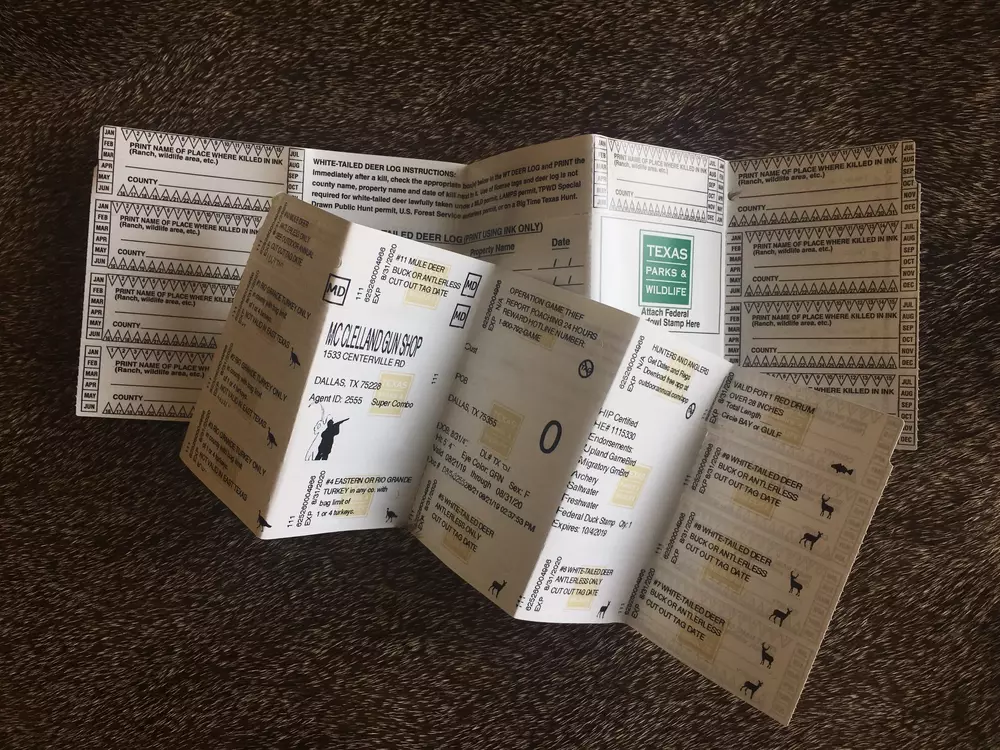
Resident Licenses
For Texas residents, licenses are generally more affordable, reflecting their contribution to the state’s conservation efforts.
Annual Resident Hunting Licenses
- Resident General Hunting & Fishing Package: This is often the most popular and cost-effective option for many hunters. It grants privileges to hunt most game animals and fish in Texas for an entire year. As of recent fee structures, this package typically costs around $30. This license is ideal for individuals who plan on engaging in a variety of hunting and fishing activities throughout the year.
- Resident Youth Hunting License: For hunters under 17 years of age, the TPWD offers a significantly discounted youth license. This license often comes with a nominal fee, sometimes as low as $7. It provides comprehensive hunting privileges, encouraging young Texans to get involved in the outdoors.
- Resident Senior Hunting License: Texas residents aged 65 and older can obtain a discounted hunting license, often around $7. This acknowledges their long-standing participation and contribution to the hunting community.
- Resident Disabled Hunter License: Specific licenses are available for disabled veterans and individuals with certain disabilities, often at a reduced rate. These licenses aim to make hunting accessible to all Texans who wish to participate.
Special Resident Stamps and Permits
Beyond the basic hunting license, certain game animals and activities require additional stamps or permits. These are typically added to a base hunting license.
- Federal Duck Stamp: For waterfowl hunters, a Federal Duck Stamp is mandatory. This stamp, purchased through the U.S. Fish and Wildlife Service, costs approximately $28 and is valid for the federal fiscal year. This is in addition to any state-issued hunting license.
- Upland Game Bird Stamp: This stamp is required for hunting quail, pheasant, and chachalaca. The cost is usually around $7.
- White-tailed Deer Endorsement: While a general hunting license allows for the pursuit of deer, specific endorsements may be required for certain seasons or types of deer management units (DMUs), particularly in areas with special regulations. These endorsements typically add around $10 to $25 to the base license cost, depending on the specific endorsement.
- Big Time Texas Hunts: For a chance to win a premier hunting package, hunters can purchase entries into drawings. These entries are not licenses themselves but offer opportunities for guided hunts on prestigious ranches for various game, including exotic species, desert bighorn sheep, and alligators. The cost for entries varies.
Non-Resident Licenses
Non-residents, those who do not claim Texas as their primary residence, will find that their license fees are significantly higher. This is a common practice in many states to ensure that state resources and opportunities are prioritized for its own citizens.
Annual Non-Resident Hunting Licenses
- Non-Resident General Hunting License: This license provides similar hunting privileges to the resident general license but comes at a substantially higher cost, often ranging from $300 to $400 for an annual permit. This fee structure reflects the economic benefit non-residents bring to the state through their participation in hunting.
- Non-Resident Youth Hunting License: Even youth non-residents typically pay a higher fee than resident youth, though it is still less than a full adult non-resident license. These can be in the range of $50 to $75.
- Non-Resident Special Licenses: As with resident licenses, non-residents will also need to purchase applicable stamps and endorsements for specific game or activities. The cost of these stamps and endorsements is generally the same for both residents and non-residents.
Short-Term Non-Resident Licenses
Recognizing that many non-residents may only visit Texas for a short hunting trip, the TPWD offers more economical short-term options.
- Non-Resident 5-Day Special Hunting License: This license is designed for visitors planning a brief hunting expedition. It offers comprehensive hunting privileges for a consecutive five-day period. The cost for this license typically falls between $150 and $200. It’s a good option for those who don’t foresee needing an annual license.
- Non-Resident Migratory Game Bird/Waterfowl Stamp: Similar to residents, non-residents require these stamps for specific game birds. The federal duck stamp cost is consistent, and state endorsements for migratory birds are also applicable.
Lifetime Licenses
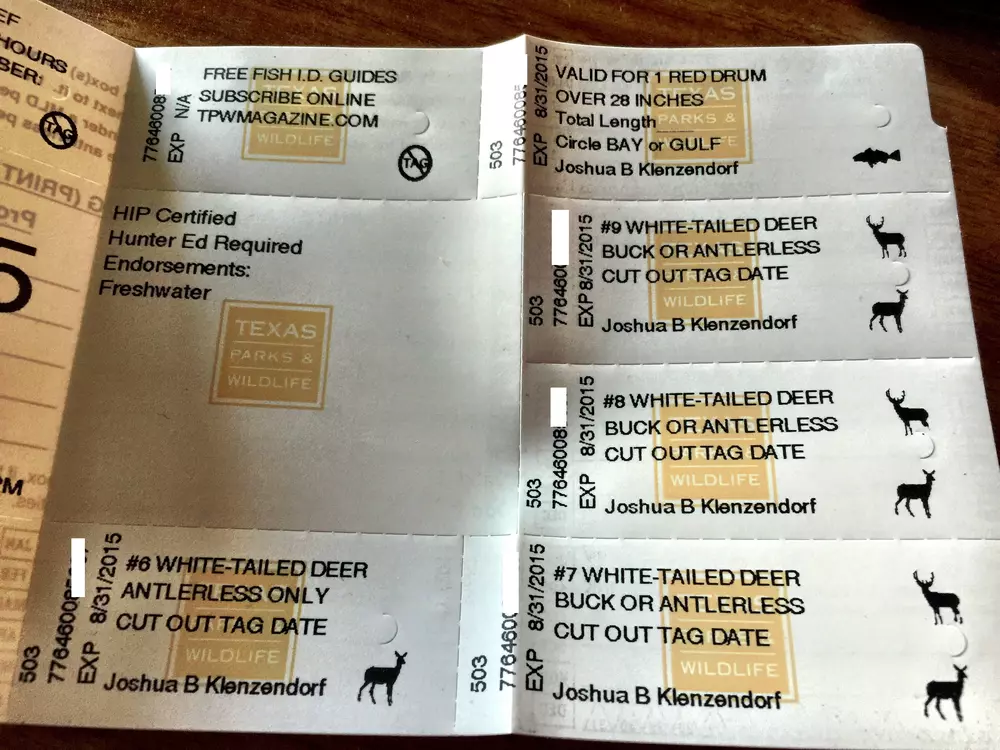
For the dedicated hunter who plans to pursue game in Texas for decades, a lifetime license can be a worthwhile investment. These licenses are expensive upfront but eliminate the need for annual purchases.
- Resident Lifetime Hunting License: The cost for a resident lifetime hunting license can range from $1,000 to $1,200, depending on the exact package and age of the purchaser. This is a significant investment but offers perpetual access to Texas hunting.
- Non-Resident Lifetime Hunting License: Non-resident lifetime licenses are considerably more expensive, often in the range of $5,000 to $7,000. This reflects the long-term access granted to those outside the state.
Essential Considerations Beyond License Fees
Purchasing a hunting license is just one piece of the puzzle for a successful hunting trip in Texas. Several other factors influence the overall cost and planning.
Required Endorsements and Stamps
As previously mentioned, specific game and hunting methods necessitate additional permits. It’s imperative to research the regulations for the game you intend to pursue and the areas you plan to hunt. For instance, hunting exotic animals like axis deer or blackbuck antelope may have specific tag requirements or be subject to different regulations than native white-tailed deer. Similarly, hunting feral hogs often requires specific tags depending on the county and season.
Special Management Areas and Regulations
Texas is divided into various wildlife management units (WMUs) and hunting zones, each with its own set of regulations, season dates, and bag limits. Some areas, such as those managed for specific deer populations or for conservation purposes, may have additional permit requirements or fees associated with hunting within their boundaries. Always consult the official TPWD regulations booklet for the most up-to-date information pertaining to your chosen hunting location.
Hunter Education Requirements
For new hunters born after September 2, 1971, completing a certified hunter education course is mandatory to obtain a hunting license in Texas. The course can be completed online or in-person. While there might be a nominal fee associated with some online courses, the official TPWD hunter education course itself does not have a direct fee beyond the potential cost of materials or instructor fees for in-person sessions. However, the time and effort invested are significant. This requirement ensures that all hunters possess a fundamental understanding of hunting ethics, firearm safety, and wildlife conservation principles.
Archery andelizmente Regulations
If you plan to hunt with a bow and arrow, there are specific regulations and sometimes additional requirements. For instance, during certain seasons, archery-only hunting might be permitted, and understanding the legal specifications for bows and arrows is crucial. While no separate “archery license” is typically required, understanding these regulations is part of responsible hunting.
Hunting Lodging and Outfitters
Beyond the cost of licenses, the overall expense of a Texas hunting trip can be significantly influenced by where and how you hunt.
- Public Lands: Texas offers a substantial amount of public hunting land, which can be accessed with the appropriate hunting license and permits. This is often the most budget-friendly option. However, popular public hunting areas can be crowded, and success rates can vary.
- Private Ranches: Hunting on private land often involves leasing hunting rights or booking a guided hunt with an outfitter. Costs for private land hunting vary wildly depending on the ranch size, amenities, game availability, and length of stay. A guided white-tailed deer hunt could range from several hundred dollars for a basic day hunt to several thousand dollars for a multi-day package on a premier ranch.
- Exotic Game Ranches: Texas is a hotspot for exotic game animals like axis deer, fallow deer, and aoudad sheep. Hunting these species is often done on specialized ranches and can be quite expensive, with prices sometimes exceeding those for native game.
- Outfitters and Guides: For those seeking a more structured and often more successful experience, hiring a professional outfitter or guide is common. Outfitters provide expertise, access to prime hunting grounds, lodging, meals, and often process harvested game. The cost of an outfitter will be in addition to license fees and can add considerably to the overall trip expense. A weekend guided hunt could start at $500-$1000 per person and go up significantly from there, depending on the game and services provided.
Conservation Fees and Surcharges
A portion of the fees collected from hunting licenses and permits directly funds wildlife conservation, habitat restoration, and management programs throughout the state, overseen by the TPWD. These fees are essential for ensuring the long-term sustainability of Texas’s rich wildlife populations and natural resources for future generations of hunters and outdoor enthusiasts.
Making the Most of Your Texas Hunting Investment
Understanding the cost of Texas hunting licenses is a vital part of planning your outdoor adventures. By carefully considering the types of licenses, necessary endorsements, and potential additional expenses for lodging or guiding services, you can budget effectively and ensure a legal, safe, and memorable hunting experience. The Texas Parks and Wildlife Department website is an invaluable resource for detailed fee structures, season dates, and regulation updates. Always verify the most current information directly from the TPWD before purchasing any licenses or embarking on your hunt. This due diligence will not only save you potential fines but also contribute to the responsible management and conservation of Texas’s magnificent wildlife heritage.
LifeOutOfTheBox is a participant in the Amazon Services LLC Associates Program, an affiliate advertising program designed to provide a means for sites to earn advertising fees by advertising and linking to Amazon.com. Amazon, the Amazon logo, AmazonSupply, and the AmazonSupply logo are trademarks of Amazon.com, Inc. or its affiliates. As an Amazon Associate we earn affiliate commissions from qualifying purchases.