
The question of whether Puerto Rico can vote in the United States presidential election is a complex one, touching upon issues of political representation, citizenship, and the evolving relationship between the island and the mainland. As a U.S. territory, Puerto Rico‘s inhabitants are U.S. citizens, yet they lack full voting rights in the very elections that shape their governance and economy. This discrepancy has led to ongoing debate and a desire for greater self-determination among the Puerto Rican people.
The Status of Puerto Rico: A Territory in Limbo
Puerto Rico‘s unique political status as an unincorporated territory of the United States is at the heart of the voting rights issue. Unlike the 50 states, Puerto Rico is subject to the plenary power of the U.S. Congress, meaning that Congress has ultimate authority over its governance. This relationship was established following the Spanish-American War in 1898, when Spain ceded Puerto Rico to the U.S.
The Insular Cases and Unincorporated Territories
The legal foundation for Puerto Rico‘s territorial status is rooted in a series of Supreme Court decisions known as the Insular Cases, decided in the early 20th century. These rulings established the distinction between incorporated territories, which were on a path to statehood, and unincorporated territories, where the U.S. Constitution does not fully apply. Puerto Rico, along with other territories like Guam, the U.S. Virgin Islands, and the Northern Mariana Islands, falls into the latter category. This classification has significant implications for the rights and representation of Puerto Rican citizens.
U.S. Citizenship and Its Limitations
Puerto Rico was granted statutory U.S. citizenship in 1917 with the passage of the Jones-Shafroth Act. This means that Puerto Ricans are *U.S. *citizens by birth and serve in the *U.S. *military. However, this citizenship does not automatically confer the same political rights as citizens residing in the 50 states. The most prominent of these limitations is the inability to vote in the *U.S. *presidential election.
The Presidential Vote: A Matter of Federal Election Law
The right to vote in the *U.S. *presidential election is governed by federal election law, which generally applies to residents of the 50 states and the District of Columbia. Because Puerto Rico is not a state, its residents are not directly covered by these provisions for presidential voting. This is a fundamental distinction that prevents Puerto Ricans from casting a ballot for the *U.S. *President.
Electoral College and Non-Voting Delegates
The *U.S. *presidential election is decided through the Electoral College, a system where each state is allocated a number of electors based on its representation in Congress. Since Puerto Rico has no voting representation in Congress (it has a Resident Commissioner who can vote in committees but not on the House floor), it is not allocated any electoral votes. Therefore, even if Puerto Ricans could vote, their votes would not contribute to the Electoral College outcome.
Representation in Congress
While Puerto Ricans cannot vote for president, they do elect a Resident Commissioner to the *U.S. *House of Representatives. This representative can participate in debates, introduce legislation, and vote in committees, but they do not have full voting rights on the House floor. This limited representation underscores the second-class status that many Puerto Ricans feel they experience.
The Impact on Puerto Rican Politics and Identity
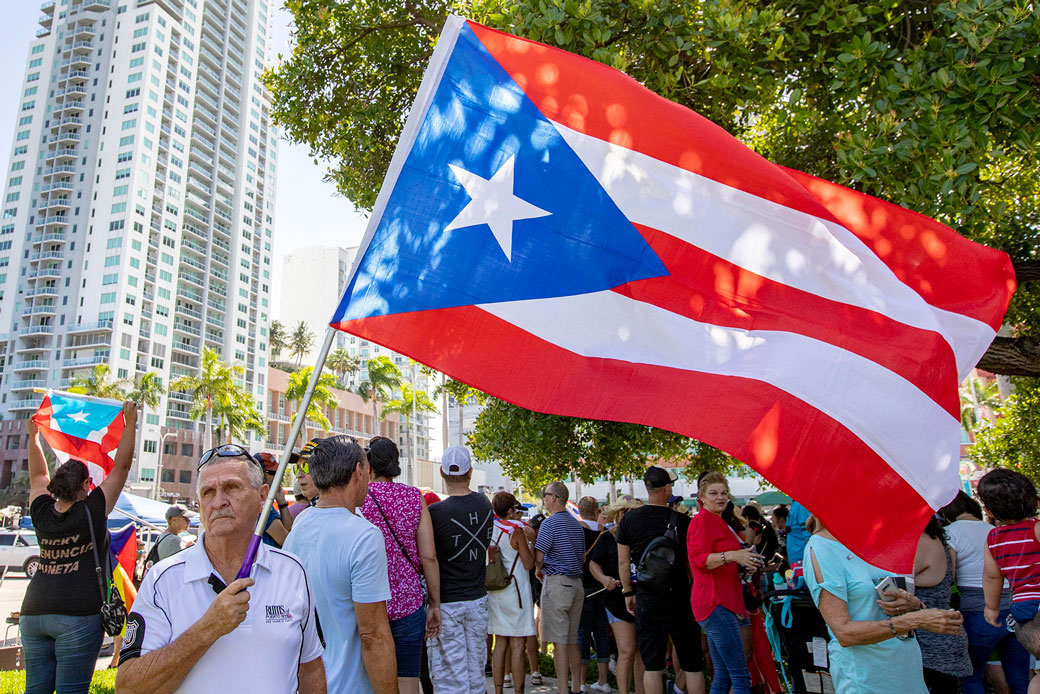
The inability to vote in the presidential election has profound implications for Puerto Rico‘s political landscape and the identity of its people. It fuels a persistent debate about the island’s ultimate status: statehood, independence, or enhanced commonwealth.
The Statehood Movement
For decades, a significant portion of Puerto Rico‘s population has advocated for statehood. Proponents of statehood argue that it would grant Puerto Ricans full political representation, including the right to vote for president and have voting representation in Congress. They believe statehood would bring economic benefits and end the current system of political inequality. Referendums on statehood have been held periodically, with varying degrees of support, but the ultimate decision rests with the *U.S. *Congress.
Independence and Enhanced Commonwealth
Conversely, other factions within Puerto Rico champion independence, seeking complete sovereignty from the United States. This group believes that true self-determination can only be achieved by severing ties with the *U.S. *. A third significant movement advocates for an enhanced commonwealth status, which would grant Puerto Rico greater autonomy while maintaining a political association with the United States. This option often seeks to resolve the issues of representation and self-governance without fully separating from or joining the *U.S. *.
The Influence of U.S. Elections on the Island
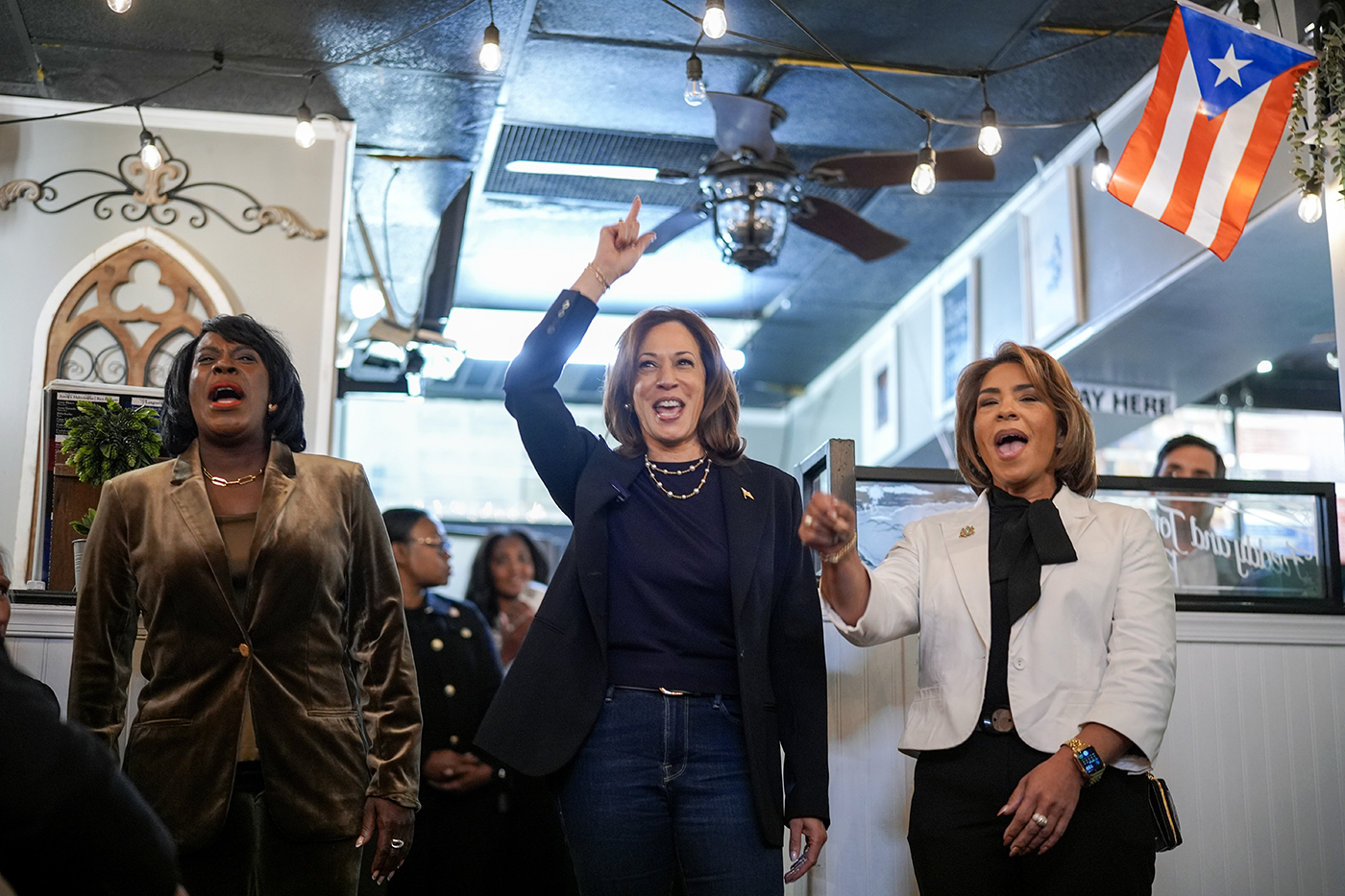
Despite not being able to vote for president, *U.S. *presidential elections have a significant impact on Puerto Rico. The *U.S. *President and their administration make crucial decisions regarding the island’s economic policies, disaster relief efforts (such as after Hurricane Maria), and federal funding. This influence, coupled with the lack of direct voting power, creates a sense of disenfranchisement for many Puerto Ricans. Presidential candidates often visit the island during campaigns, seeking to connect with the Puerto Rican diaspora on the mainland and to engage with the island’s political discourse, but their actual ability to influence the election outcome in Puerto Rico is nil.
Efforts to Gain Voting Rights
The desire for full voting rights in the presidential election has been a recurring theme in Puerto Rican political activism and advocacy. Various groups and political leaders have made efforts to bring this issue to the forefront of national attention.
Congressional Advocacy and Legal Challenges
Advocates have engaged in lobbying efforts in Washington D.C. to press for legislation that would grant Puerto Rico the right to vote in presidential elections. There have also been discussions and, at times, legal challenges to the Insular Cases and the territorial status itself. However, the path to changing federal election law or altering the island’s status is complex and requires significant political will and consensus in Congress.
The Role of the Puerto Rican Diaspora
The large Puerto Rican diaspora residing in the United States, particularly in states like Florida, New York, and Pennsylvania, plays a crucial role in the political landscape. These *U.S. *citizens can and do vote in presidential elections, and their votes can influence outcomes in swing states. Their engagement with the political process on the mainland often brings attention to the issues faced by their counterparts in Puerto Rico, including the lack of presidential voting rights. Political campaigns often court the Puerto Rican vote, and candidates may take stances on Puerto Rico‘s status and governance to appeal to this demographic.

Conclusion: An Ongoing Struggle for Equality
The question of whether Puerto Rico can vote in the presidential election ultimately highlights a broader struggle for political equality and self-determination. As *U.S. *citizens, Puerto Ricans bear the responsibilities of citizenship, including military service and paying federal taxes (though not federal income tax on income earned within the island). Yet, they are denied a fundamental right enjoyed by citizens in the states: the right to choose their head of state. This ongoing disparity continues to shape Puerto Rico‘s identity, its relationship with the United States, and its aspirations for a more equitable future. The debate over voting rights is inextricably linked to the larger question of Puerto Rico‘s ultimate political status, a question that has resonated for generations and continues to be a central theme in the island’s political discourse.
LifeOutOfTheBox is a participant in the Amazon Services LLC Associates Program, an affiliate advertising program designed to provide a means for sites to earn advertising fees by advertising and linking to Amazon.com. Amazon, the Amazon logo, AmazonSupply, and the AmazonSupply logo are trademarks of Amazon.com, Inc. or its affiliates. As an Amazon Associate we earn affiliate commissions from qualifying purchases.